Alloy Wheel Cost Calculator
Estimate the total cost of upgrading to alloy wheels based on your preferred tier and installation needs.
Estimated Cost Breakdown
You’ve seen them on every modern sedan, SUV, and sports car. They look sharp, they save weight, and they make your vehicle feel more premium. But when you go to replace a damaged set or upgrade from the factory steel wheels, the price tag often stops you in your tracks. So, are alloy wheels expensive? The short answer is yes, compared to standard steel rims. But the real question isn’t just about the sticker price-it’s about whether the performance benefits justify the extra cash in your wallet.
Most drivers assume that because alloy wheels are common, they must be cheap to produce. That’s a misconception. Manufacturing aluminum-magnesium alloys requires precise casting, forging, or flow-forming processes that are significantly more labor-intensive than stamping out simple steel discs. When you add in the finishing costs-painting, polishing, or clear-coating-the final product commands a higher price. If you’re looking for other specialized services or directories while managing your budget, you might find resources like this directory useful for different needs, but for your car, understanding the specific cost drivers of wheels is essential before you buy.
The Price Spectrum: From Budget to Boutique
To understand if alloy wheels are too expensive for your budget, you need to look at the tiers of pricing. You won’t pay the same amount for a set of wheels on a base-model economy car as you would for a high-performance sports model. Here is how the market generally breaks down:
- Budget Cast Alloys ($150 - $300 per wheel): These are typically made using low-pressure casting. They are heavy for their size and may have thicker walls to compensate for lower material strength. Common on entry-level vehicles or aftermarket replacements for older cars.
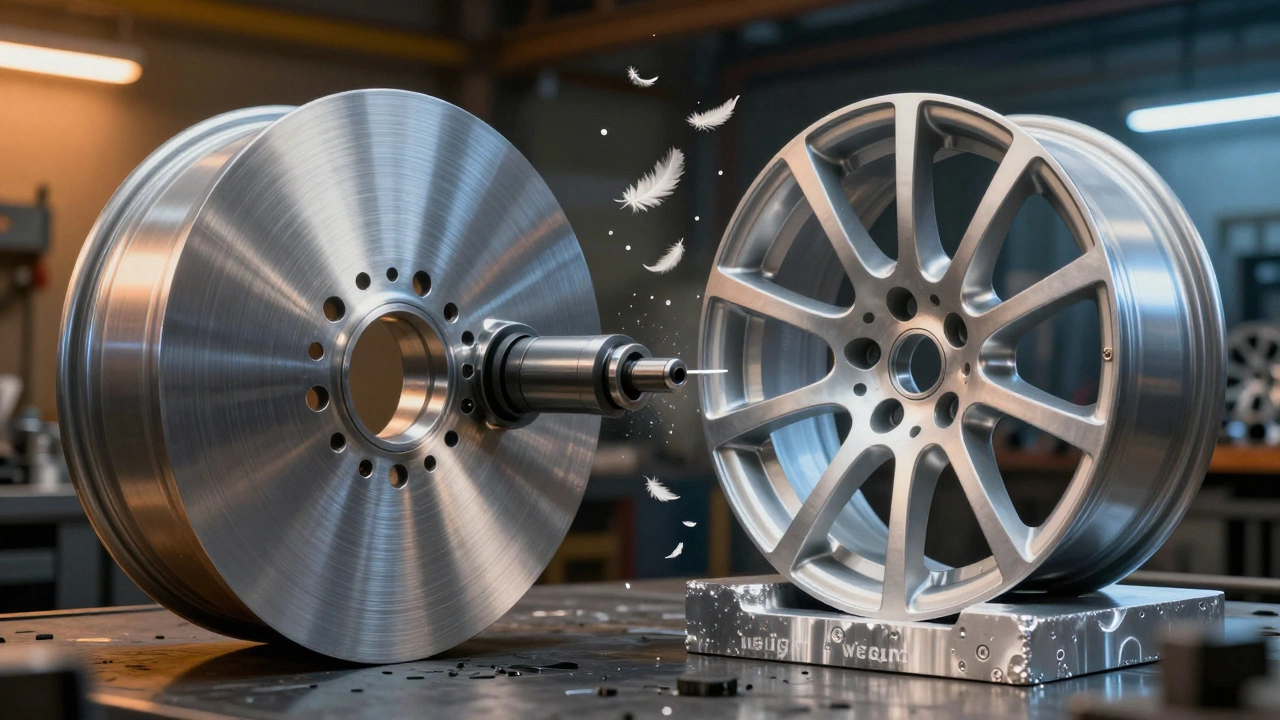
- Mid-Range Flow-Formed ($300 - $600 per wheel): Flow-formed (or rotary forged) wheels combine casting with a stretching process that aligns the metal grains. This makes them stronger and lighter than cast wheels, allowing for thinner spokes and better heat dissipation.
- Premium Forged Alloys ($800 - $2,000+ per wheel): Forged wheels are created by pressing a solid block of aluminum under immense pressure. This results in the strongest, lightest, and most durable wheels available. They are the choice for track enthusiasts and luxury brands.
If you are replacing a full set of four wheels plus tires, a mid-range upgrade can easily run between $1,500 and $2,500 installed. That is a significant chunk of change, which brings us to the next big question: why do people pay this much?
Why Alloy Wheels Cost More Than Steel
Steel wheels are the workhorses of the automotive world. They are incredibly durable, easy to bend back into shape if you hit a pothole, and very cheap to manufacture. However, they are heavy and prone to rust. Alloy wheels trade some of that brute durability for performance advantages that drive up their cost.
| Feature | Steel Wheels | Alloy Wheels |
|---|---|---|
| Average Cost (per wheel) | $50 - $100 | $150 - $1,000+ |
| Weight | Heavy (increases unsprung mass) | Lighter (improves handling/fuel economy) |
| Heat Dissipation | Poor (can overheat brakes) | Excellent (helps brake cooling) |
| Durability | Bends under impact | Cracks under severe impact |
| Maintenance | Requires paint to prevent rust | Resists corrosion naturally |
The primary reason you pay more is unsprung weight reduction. Every pound you remove from your wheels makes the car feel faster, handle sharper, and accelerate quicker. Aluminum is lighter than steel, but it is also more complex to machine. The cost you pay is essentially buying physics-better acceleration, braking, and cornering stability.
Hidden Costs: Installation and Maintenance
Buying the wheels is only half the battle. Many buyers forget to factor in the ancillary costs that come with swapping to alloys. If you are moving from steel to alloy, you likely need new tires because the sizes rarely match perfectly. Tires alone can add $400 to $800 to your bill depending on the brand and size.
Then there is the installation. Mounting tires onto alloy wheels requires careful balancing. Because alloy wheels are less forgiving than steel, improper mounting can lead to vibrations at highway speeds. Expect to pay $20 to $50 per wheel for mounting and balancing. Additionally, alloy wheels require specific lug nuts or bolts with conical seats to grip the aluminum properly. Using standard flat-seat steel lug nuts can strip the holes in your new wheels, leading to costly repairs.
Maintenance is another hidden expense. While alloys don’t rust, they corrode. Brake dust mixes with road salt and moisture to create a chemical reaction that eats away at the clear coat. If you neglect cleaning your wheels, you’ll develop pitting that cannot be polished out. Professional detailing for wheels can cost $50 to $100 per session. To protect your investment, many owners apply ceramic coatings or sealants specifically designed for alloys, adding another $100 to $200 annually.
Repair vs. Replace: Is It Worth Fixing?
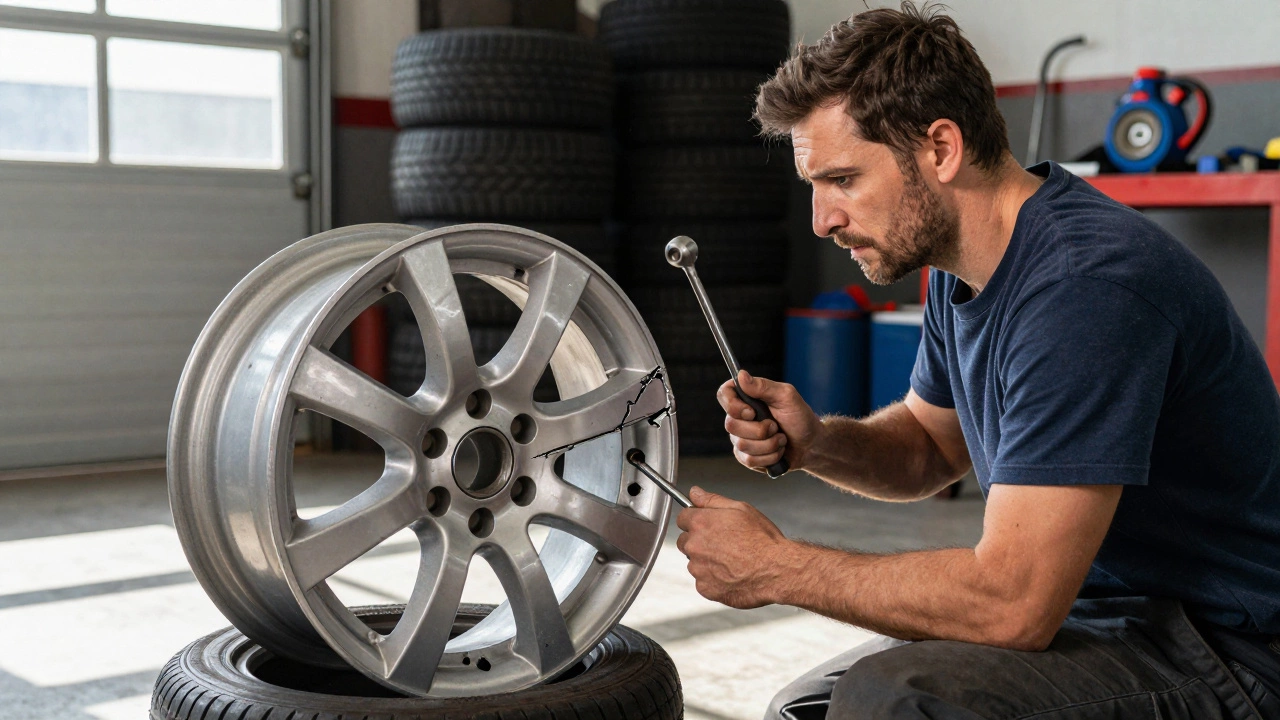
This is where the "expensive" label really bites. If you curb a steel wheel, a mechanic can often hammer it back into shape for $30. If you curb an alloy wheel, it cracks. Aluminum does not stretch; it fractures. Repairing a cracked alloy wheel involves welding, grinding, and repainting. A professional repair job typically costs $75 to $150 per wheel.
However, not all damage is repairable. If the crack extends into the barrel (the part that holds the air), the wheel is unsafe and must be replaced. In these cases, you are back to square one with the high replacement cost. This fragility is a major downside for drivers in areas with poor road conditions or large potholes. For winter driving, many enthusiasts keep their cheap steel wheels on the car to save their expensive alloys from salt and ice damage.
Do Aftermarket Alloys Save Money?
Some drivers think buying aftermarket wheels is cheaper than OEM (Original Equipment Manufacturer) parts. Sometimes it is, sometimes it isn’t. OEM wheels are priced high because of brand licensing and distribution markups. An aftermarket wheel with similar specifications might cost 20% to 30% less.
But beware of ultra-cheap imports. Some aftermarket wheels skip safety certifications like JWL (Japan Wheel Industry Association) or VIA (Vehicle Industries Association). These wheels may look identical to premium brands but lack the structural integrity to handle high speeds or heavy loads. Buying a $100 wheel that fails at 60 mph is the most expensive mistake you can make. Always check for certification stamps on the inside of the rim.
When Are Alloy Wheels Not Worth It?
Despite their benefits, alloy wheels aren’t the right choice for everyone. If you drive a daily commuter in a city with terrible roads, the risk of cracking outweighs the aesthetic appeal. If you tow heavy trailers regularly, the added flexibility of steel wheels can actually be safer, as they are less likely to snap under extreme stress. And if you live in a region with harsh winters and heavy salting, the maintenance hassle of keeping alloys looking good can become a chore rather than a pleasure.
In these scenarios, sticking with robust steel wheels wrapped in all-season tires is a pragmatic financial decision. You save thousands upfront and avoid the anxiety of curbing your rims on every parking lot exit.
How much does it cost to replace one alloy wheel?
Replacing a single alloy wheel typically costs between $150 and $600 depending on the brand and type. If you need a tire mounted on it, add another $80 to $150 for the tire and installation. OEM replacements from dealerships can exceed $1,000 per wheel for luxury vehicles.
Are alloy wheels worth the extra money?
For most drivers, yes. The reduction in unsprung weight improves fuel economy, handling, and braking performance. The aesthetic upgrade also increases resale value. However, if you prioritize low maintenance and drive on rough roads, steel wheels may be a more economical choice.
Can I install alloy wheels myself to save money?
You can mount the wheels yourself if you have the right tools (jack, torque wrench, lug nut socket). However, professional balancing is crucial. Unbalanced alloy wheels cause vibration and premature tire wear, which costs more in the long run. Most shops charge $20-$50 per wheel for proper mounting and balancing.
Do alloy wheels last longer than steel wheels?
Not necessarily. Steel wheels are more resistant to impact damage and bending. Alloy wheels are more susceptible to cracking from potholes or curbs. However, alloys resist rust and corrosion better than unpainted steel, meaning they often look newer for longer if maintained properly.
What is the cheapest way to get alloy wheels?
Look for used sets from reputable sources like salvage yards or verified online marketplaces. Ensure they are not cracked or bent. Alternatively, choose budget-friendly aftermarket brands that offer JWL/VIA certification. Avoid no-name imports without safety ratings.