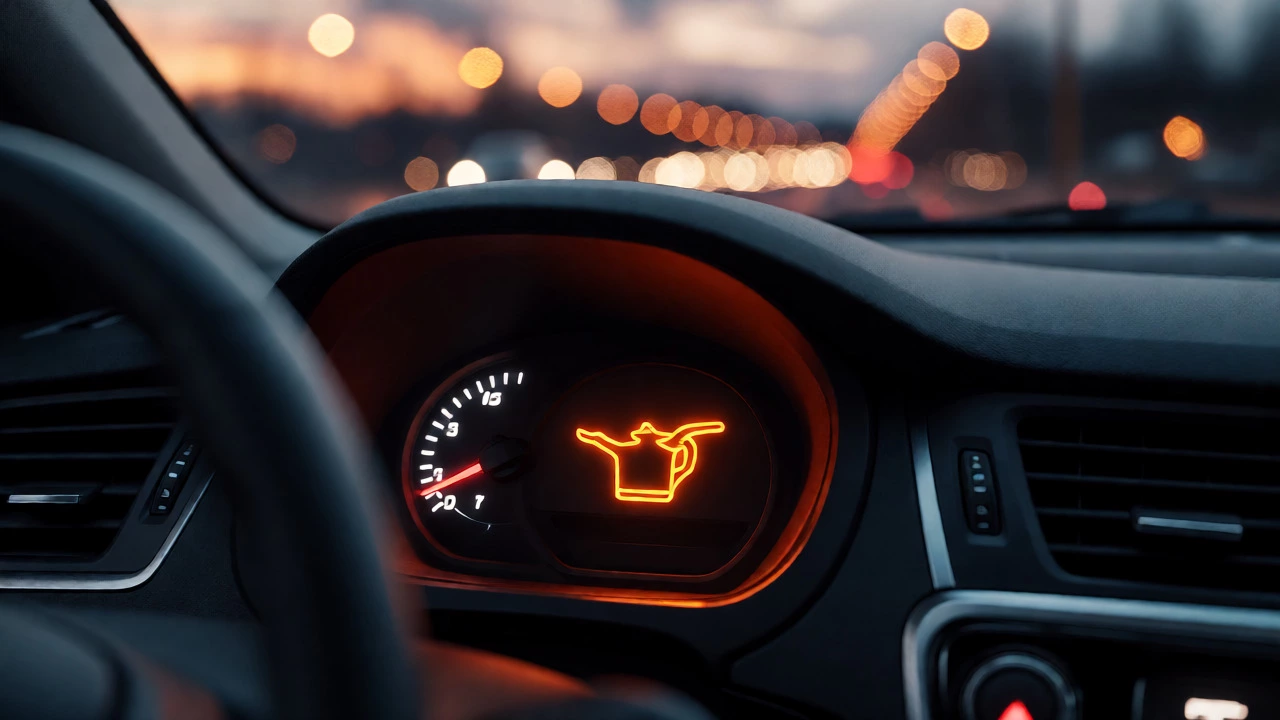
What Happens to Your Car When It's Low on Oil? Symptoms & Fixes
Discover what really happens to your engine when oil levels drop. Learn the warning signs, potential damage, and how to prevent costly repairs.
View moreWhen it comes to keeping your car alive, nothing matters more than engine oil, a lubricant that reduces friction, cools engine parts, and prevents wear. Also known as motor oil, it’s the lifeblood of your engine—without it, even a brand-new engine can seize up in minutes. You might think all oils are the same, but the truth is, using the wrong kind can lead to sludge, overheating, or even total engine failure. And it’s not just about changing it on time—it’s about choosing the right viscosity, knowing when to skip synthetic, and understanding what happens when you overfill or top off old oil.
Synthetic oil, a high-performance lubricant made from chemically engineered molecules offers better protection and lasts longer than conventional oil, but it’s not always the best choice. If you’ve got an older engine with worn seals, or you’re breaking in a new motor, synthetic can actually cause leaks or poor ring seating. Then there’s oil viscosity, the measure of how thick or thin the oil flows at different temperatures. Swapping 10W-30 for SAE 30 might seem harmless, but in cold weather, that thicker oil won’t flow fast enough to protect critical parts on startup. And don’t forget oil level, the amount of oil in your engine. Too little? Your engine runs hot and wears out fast. Too much? It foams, loses pressure, and can damage seals or even the catalytic converter.
Most people think oil just sits there until it’s time for a change. But oil breaks down over time—even if you’re not driving much. Moisture builds up, additives deplete, and dirt accumulates. That’s why skipping an oil change isn’t just lazy—it’s risky. Old oil turns to sludge, clogs tiny passages, and turns your engine into a friction factory. And topping off with new oil on top of old? That’s not a fix—it’s a delay. You’re not refreshing the oil; you’re just diluting the junk.
What you’ll find below isn’t theory. These are real, practical stories from people who learned the hard way: the guy who added an extra quart and lost power, the driver who waited too long and ended up with a $4,000 repair, the mechanic who saw the same mistake over and over again. You’ll learn exactly when to use synthetic, how to tell if your oil is still good, what to do if you overfilled, and why that little dipstick check might be the most important thing you do every month. No fluff. No jargon. Just what actually keeps your engine alive.
Discover what really happens to your engine when oil levels drop. Learn the warning signs, potential damage, and how to prevent costly repairs.
View more
Learn to identify low oil symptoms by ear. Discover the difference between rod knock, lifter tick, and rough idling. Avoid costly engine damage with this guide.
View more
Explore the real downsides of synthetic oil, including higher costs, risks for older engines, and why it might not be worth it for low-mileage drivers.
View more
Discover the truth about engine oil vs motor oil. Learn why the names are identical, what viscosity and API standards really mean, and how to choose the right oil for your car or small engine.
View more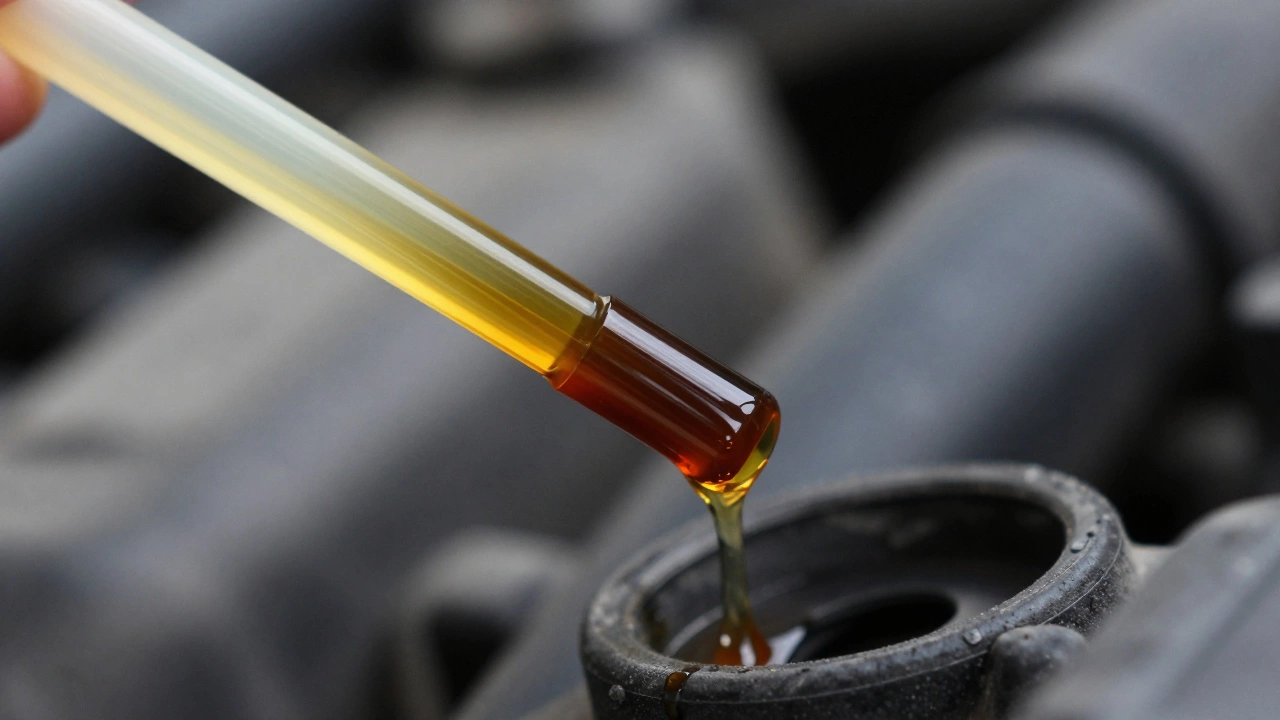
Forget the 3,000-mile rule. Discover the real engine oil change intervals for 2026 based on synthetic oil types, driving habits, and manufacturer data.
View more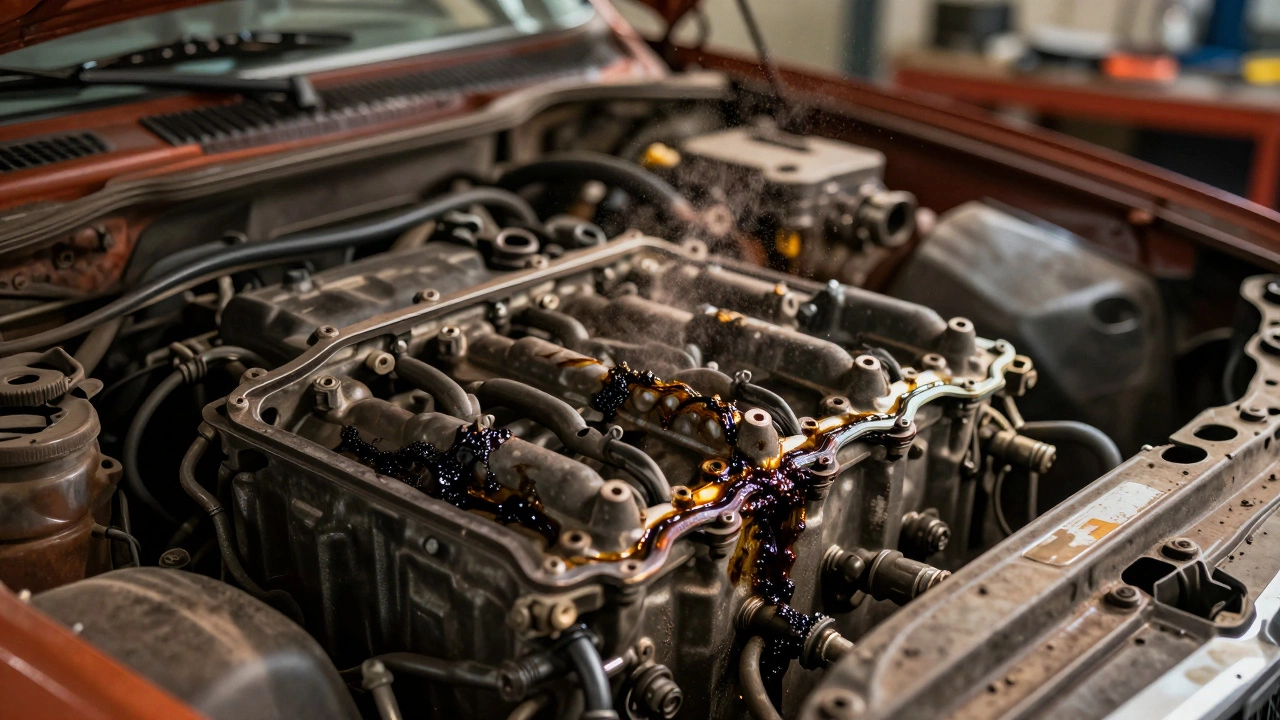
Discover when synthetic oil can harm your engine. Learn about high-mileage risks, older vehicle compatibility, and cost factors to decide if conventional oil is better for your car.
View more
Discover the differences between conventional, synthetic blend, and full synthetic engine oil. Learn which type protects your engine best, improves fuel economy, and fits your driving style in 2026.
View more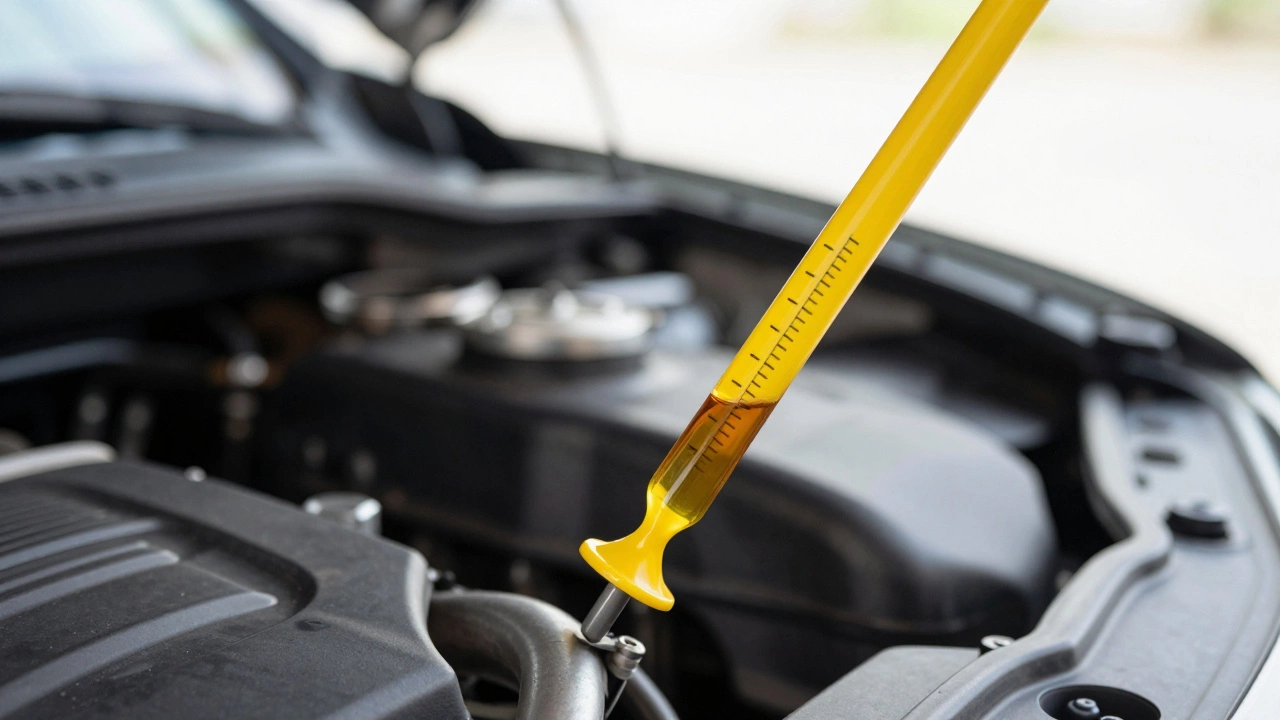
Discover exactly how long engine oil lasts in your car. Learn the difference between synthetic and conventional oil lifespans, why time matters more than mileage, and how driving conditions impact oil health.
View more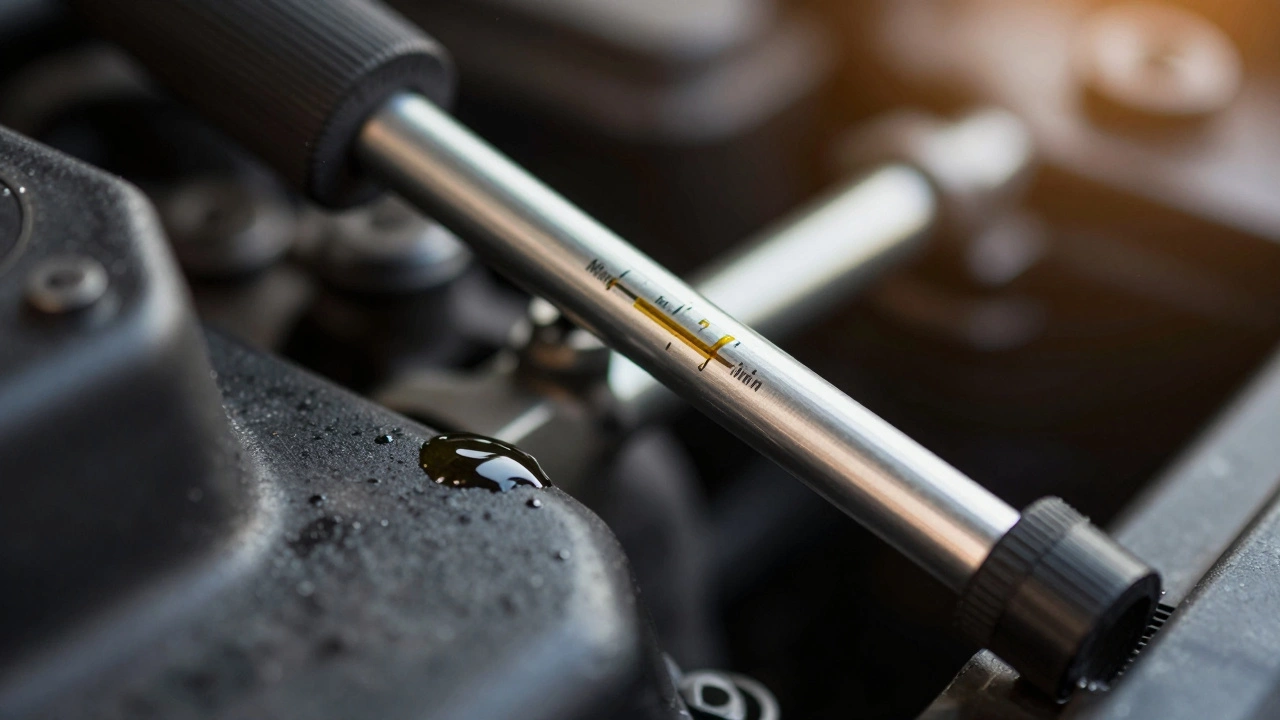
The correct oil level on a dipstick is between the minimum and maximum marks. Too low risks engine damage; too high causes foaming and leaks. Always check oil when the engine is warm and on level ground, and top off only if below the minimum line.
View more
Driving 1000 miles past your oil change won't instantly destroy your engine, but it increases wear, reduces efficiency, and raises repair risks. Here's what really happens-and what to do next.
View more
Learn the real signs your car needs an oil change-beyond just mileage. From oil color and engine noise to dashboard warnings and driving habits, this guide helps you avoid costly engine damage.
View more
Full synthetic oil isn't always the best choice. Learn when conventional or high-mileage oil is safer for older engines, break-in periods, flat tappet cams, and budget vehicles.
View more