Brake Rotors: What They Are, How They Wear, and When to Replace Them
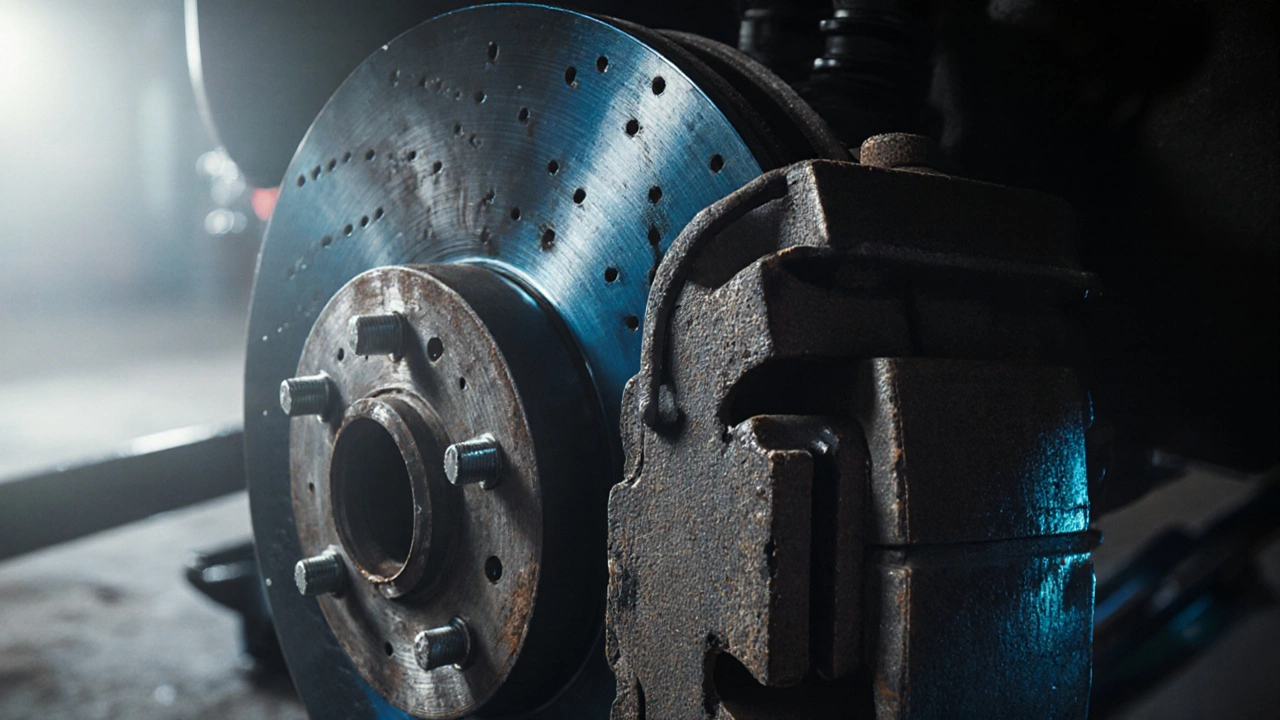
When you press the brake pedal, brake rotors, flat metal discs attached to your wheels that work with brake pads to slow your car. Also known as disc brakes, they’re the backbone of your stopping system—no matter how good your pads are, worn or warped rotors will ruin your braking performance. Think of them like a record player: if the disc is scratched or bent, the needle skips. Same with your brakes—if the rotor isn’t smooth, you’ll feel vibration, hear squealing, or notice your car pulling to one side.
Brake pads, the friction material that presses against the rotors wear out first, but they don’t work alone. If you ignore worn pads for too long, the metal backing grinds into the rotor. That’s when the rotor gets scored, overheated, or thinned out. A rotor can’t be fixed with a quick polish—it needs to be replaced if it’s below the minimum thickness, cracked, or warped from heat. And here’s the truth: you can’t just replace the pads and call it done. If the rotors are damaged, your new pads will wear unevenly, and your brakes will feel spongy or noisy from day one.
Brake noise, like high-pitched squeaks or low grinding, is often your first warning. But not all noise means rotors are bad—sometimes it’s just dust or cheap pads. The real red flags? Vibration in the pedal, longer stopping distances, or a steering wheel that shakes when you brake. Those mean the rotor is warped. And if you hear a metallic scraping sound, that’s the pad backing plate touching metal—time to stop driving and get it checked.
Driving habits matter. If you haul heavy loads, live in hilly areas, or brake hard often, your rotors wear faster. A rotor that lasts 70,000 miles on the highway might need replacing at 40,000 miles in city traffic. And don’t trust the "it still looks fine" excuse. Rotors wear from the inside out. You need to measure thickness with a micrometer—not just eyeball it.
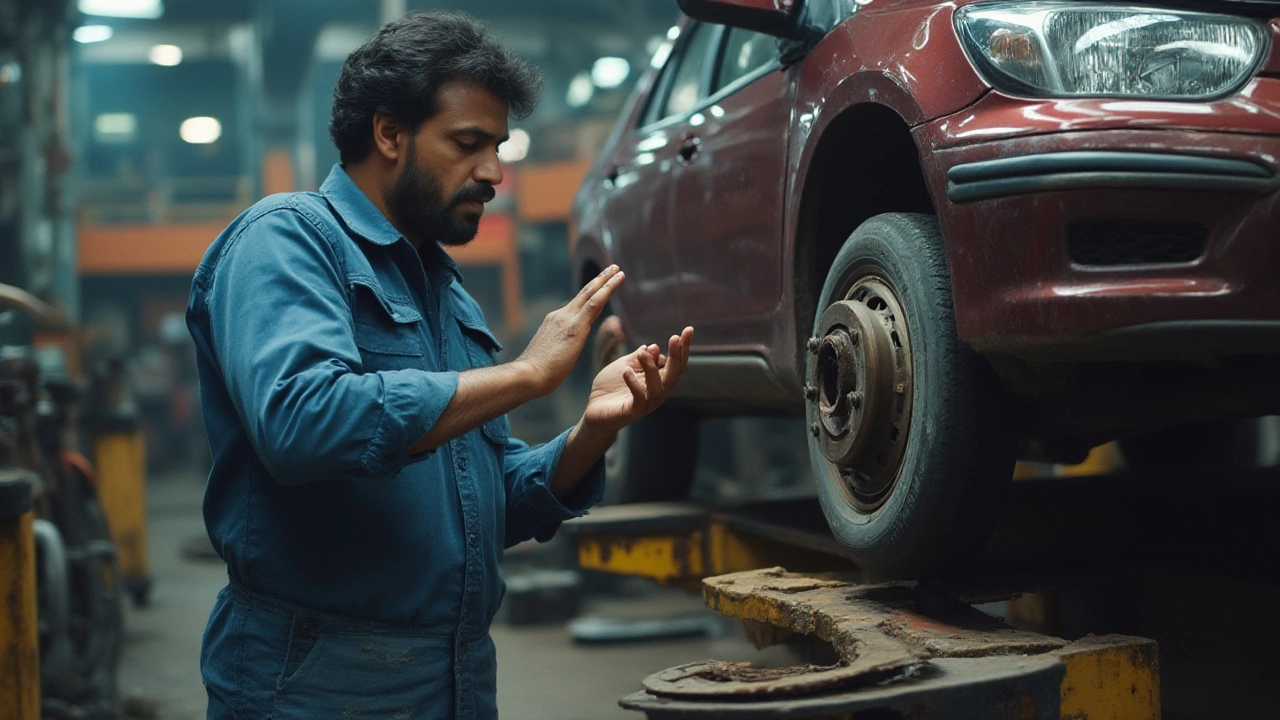
Replacing brake rotors isn’t a weekend DIY job for everyone, but knowing what to look for saves you money. If your mechanic says you need new rotors, ask to see the old ones and the measurement. A good shop will show you the wear pattern and compare it to the manufacturer’s minimum specs. And always replace rotors in pairs—front or rear—so your braking stays balanced.
Below, you’ll find real-world guides on how to spot brake problems before they turn into emergencies, what causes brake noise, and how brake pads and rotors work together. Whether you’re trying to figure out if your car needs a simple pad swap or a full brake overhaul, these posts give you the facts—not the sales pitch.