When Should You Not Use Full Synthetic Oil?
Full synthetic oil isn't always the best choice. Learn when conventional or high-mileage oil is safer for older engines, break-in periods, flat tappet cams, and budget vehicles.
View moreWhen you think about your car’s health, engine oil, a lubricant that reduces friction, cools engine parts, and cleans internal components. Also known as motor oil, it’s the lifeblood of your engine—without it, metal grinds against metal, and your engine can seize in minutes. It’s not just about filling the dipstick; it’s about keeping the right type, at the right level, at the right time.
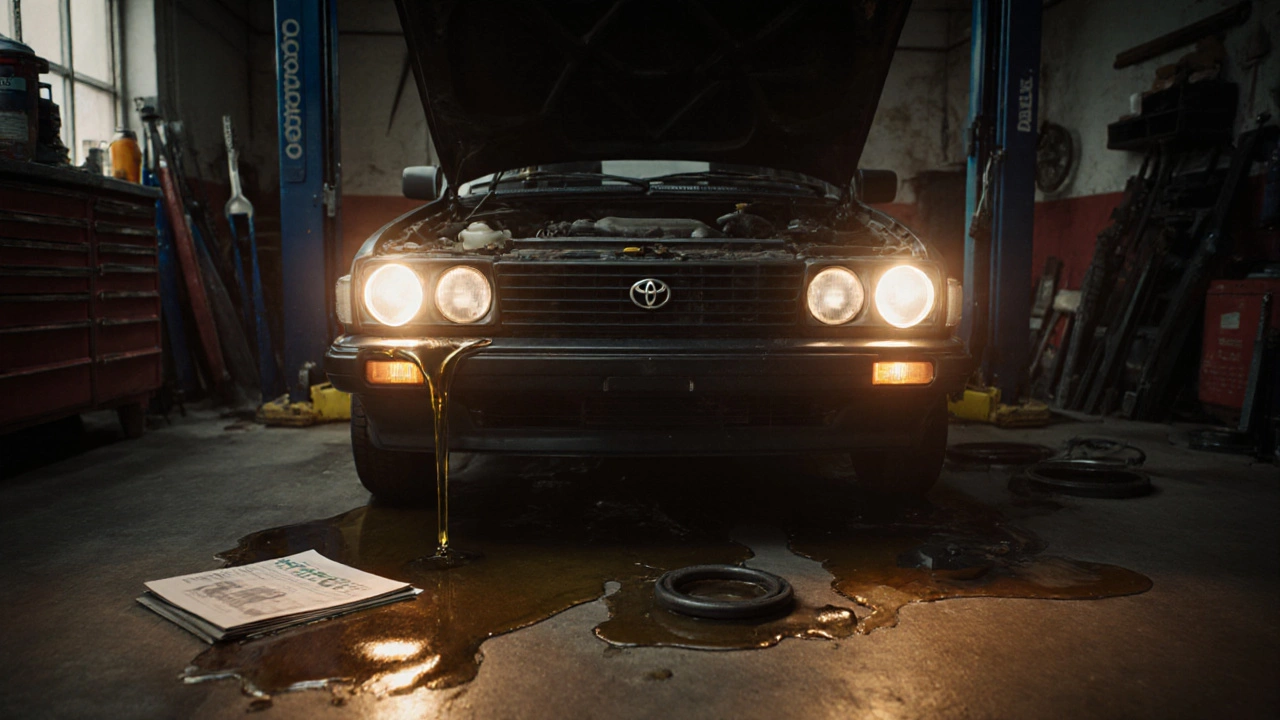
Low engine oil doesn’t just trigger a warning light—it’s a red flag for immediate damage. When oil drops too low, the oil pressure drops with it. That means parts like the camshaft, crankshaft, and pistons aren’t getting the slick coating they need. Over time, this causes scoring, overheating, and eventually, a complete engine failure. You don’t need to wait for smoke or strange noises. If your oil level is below the minimum mark, you’re already risking thousands in repairs.
Changing engine oil isn’t just a chore—it’s prevention. Most cars need an oil change every 5,000 to 7,500 miles, but if you drive in dusty conditions, tow heavy loads, or sit in traffic daily, you might need it sooner. Synthetic oil lasts longer and handles heat better than conventional, but it’s not magic. Even the best oil breaks down over time and gets dirty. And no, topping off old oil with new doesn’t fix the problem. You’re just adding fresh oil to contaminated sludge.
It’s not just about the oil itself. The oil filter matters too. A clogged filter stops clean oil from circulating, even if the tank is full. That’s why every oil change should include a new filter. Skipping it is like changing your blood but leaving the clogged arteries.
Some people think they can stretch oil changes to save money. But skipping one change can cost you $3,000 in engine repairs. And if you ignore low oil for too long? You might not even get that far—your engine could die on the highway with no warning. It’s not worth the gamble.
Below, you’ll find real-world advice from people who’ve been there: how to spot low oil before it’s too late, what happens when you overfill, why some oils are better for older engines, and how to tell if your car’s oil problem is something simple—or a sign of something serious. These aren’t guesses. They’re fixes, warnings, and tips from drivers who learned the hard way.
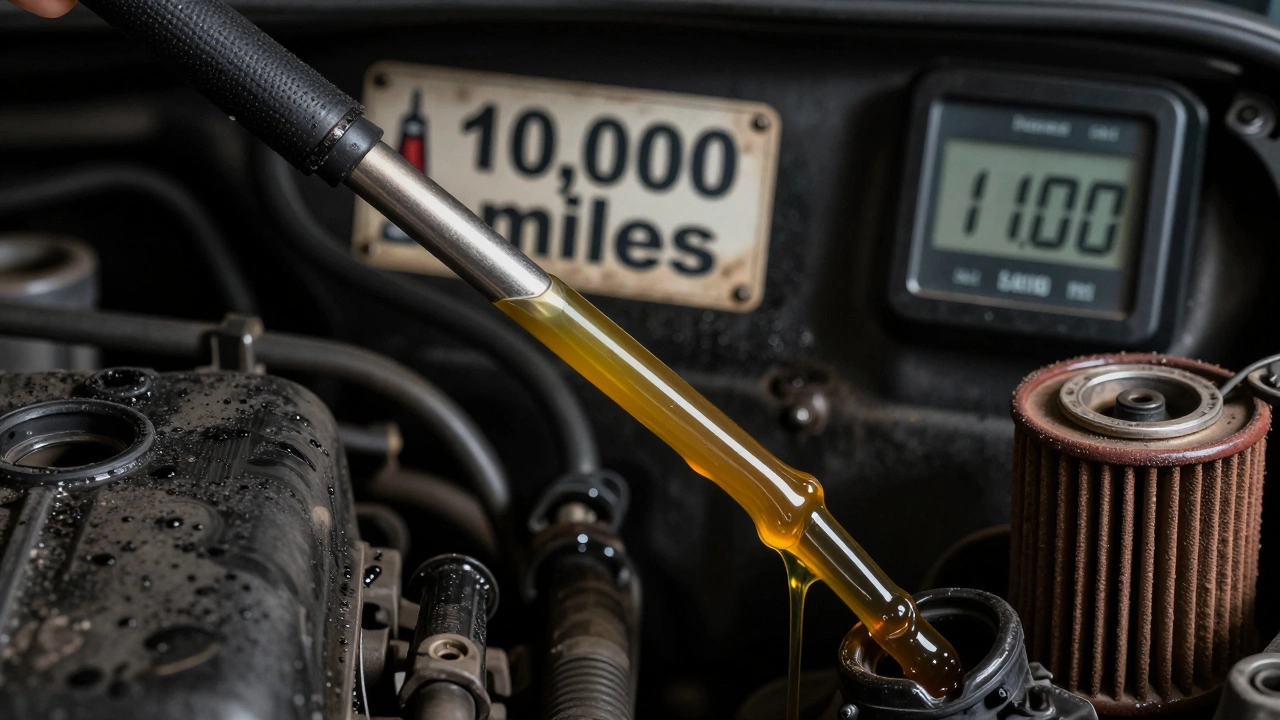
Full synthetic oil isn't always the best choice. Learn when conventional or high-mileage oil is safer for older engines, break-in periods, flat tappet cams, and budget vehicles.
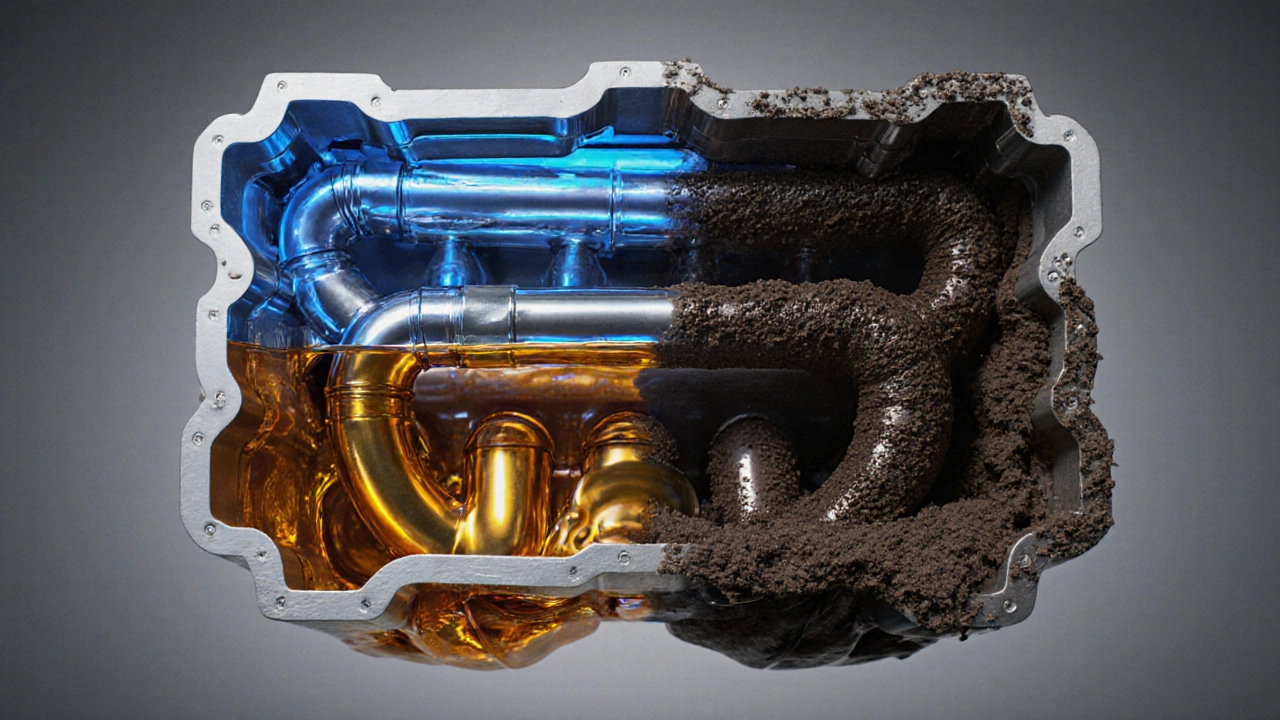
View moreSkipping an oil change lets old oil break down, causing sludge, reduced performance, and costly engine damage. Learn the symptoms, long‑term risks, and what to do if you're overdue.
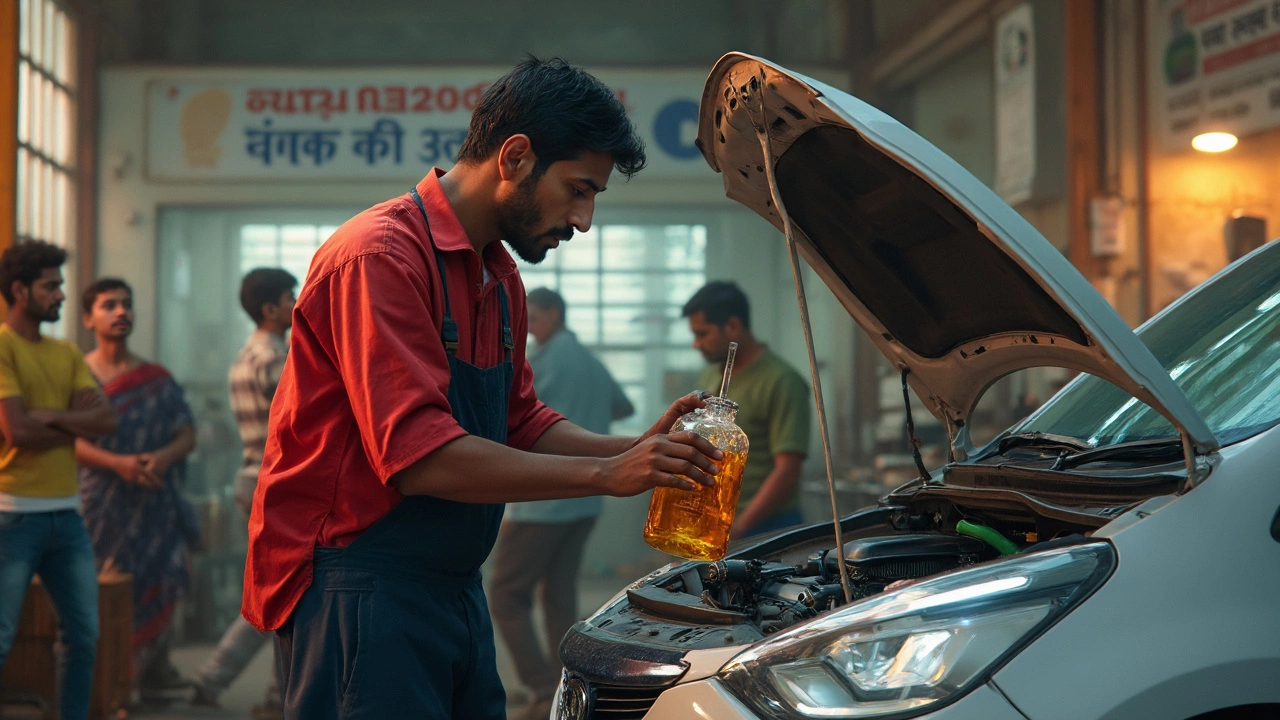
View moreEver wondered if pouring new oil over old oil is okay for your car? This article breaks down what actually happens when you top off without a full oil change. Get clear advice on whether this is a good move, what experts say, and how it affects your engine. We’ll talk about signs your oil’s no good and tips to keep your car running smoothly. If you’re looking to keep engine trouble out of your garage, these facts will help you out.
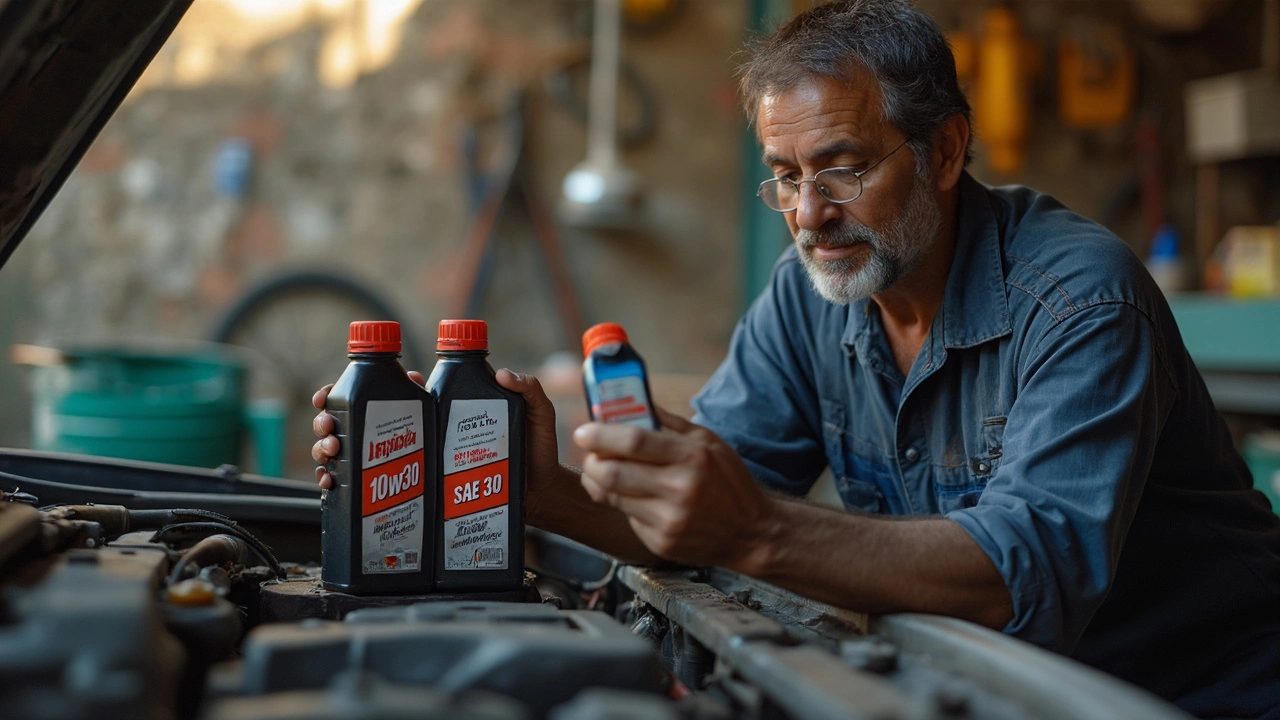
View moreWondering if you can swap out 10w30 oil for SAE 30 in your engine? This article breaks down the real differences and what happens if you make the switch. Learn how each oil behaves in summer and winter, and why the right oil actually matters for your engine’s life. We'll also share some quick tips for reading oil labels and what to check before you buy. Get straight answers with no extra fluff.
View moreEngine oil overfill is one of those mistakes that can happen easily, even if you think you’re careful when topping up. This article explains exactly what happens if your oil is just a bit over the max line, why it matters, how much is too much, and what you should do if you’ve already overfilled. Real-life tips and facts will help you keep your engine running smooth and avoid sneaky problems down the road. We’re cutting through the confusion so you don’t have to worry every time you pull out the dipstick.
View moreChanging engine oil is often overlooked, but knowing how long it can last unused is vital to engine health. Discover the lifespan of engine oil sitting in an engine and the factors that affect its degradation. Learn practical tips for checking oil quality and signs to watch out for. This guide will help maintain your engine's efficiency and avoid costly damage.
View moreSkipping regular engine oil changes can lead to disastrous consequences for your vehicle. What seems like a simple task can prevent costly engine damage and decrease the chance of unexpected breakdowns. Learn how old oil affects performance, fuel efficiency, and the engine's lifespan. Find out the biggest mistakes in engine maintenance and discover tips for keeping your car running smooth. A proactive approach can save you money and give you peace of mind on the road.
View moreAdding oil to your car is a crucial part of vehicle maintenance, ensuring smooth engine operation and longevity. After pouring in new oil, drivers often wonder how long to wait before driving. This article provides practical guidance on the ideal waiting time, why it's necessary, and the consequences of not adhering to these recommendations. Additionally, it shares expert tips on proper oil management and highlights common misconceptions.
View moreMany car owners wonder how long they can truly wait before changing their engine oil. The answer varies based on several factors including the type of oil used, the vehicle's age, and driving habits. Drivers should consider not only manufacturer recommendations but also the specific needs of their car. Staying informed and attentive to signs of oil degradation can prevent costly engine damage.
View moreEngine oil is essential for keeping your car's engine running smoothly. Knowing when to change it can save you from costly repairs. Look for signs like the oil’s color and consistency, unusual engine noises, or an unexpected dashboard warning. These early indicators will help maintain your vehicle’s performance. Keeping an eye on these signs ensures your car stays healthy over time.
View more