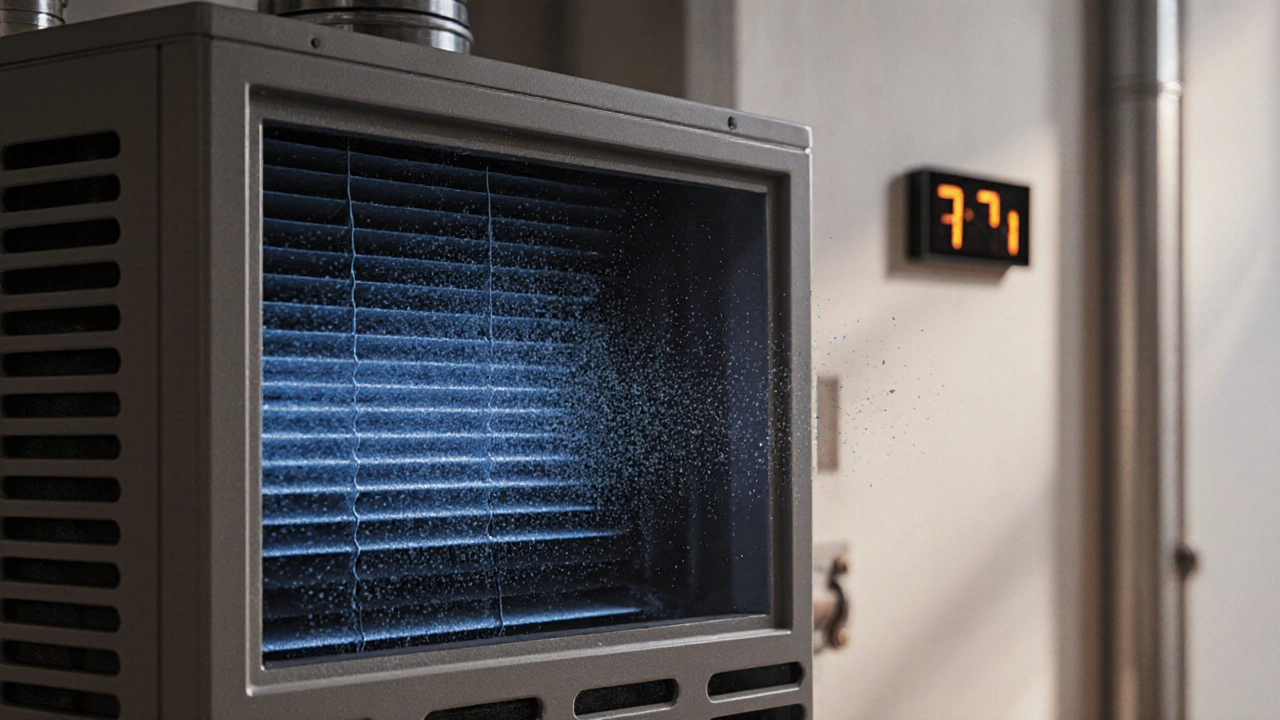
HVAC Air Filter: What It Is, How It Works, and Which One Your Car Needs
When you think of air filters in your car, you might picture the engine intake—but the HVAC air filter, a component that cleans the air entering your car’s cabin through the heating and ventilation system. Also known as a cabin air filter, it’s the unseen guardian of your breathing space while driving. This isn’t just about comfort—it’s about health. Pollen, dust, exhaust fumes, and even mold spores can build up if this filter gets clogged or ignored. And while the engine air filter keeps your motor running efficiently, the HVAC air filter keeps *you* breathing clean air. Both matter, but they do very different jobs.
Most cars have two separate air filters: one for the engine and one for the cabin. The engine air filter, traps dirt and debris before they enter the combustion chamber. A dirty one cuts fuel efficiency and can cause long-term engine wear. The cabin air filter, the true HVAC air filter, pulls air through the climate control system and removes allergens and pollutants before it reaches your face. You won’t notice it working—until it stops. Then you smell mustiness, your windows fog up faster, or your AC blows weakly. Some newer models even include particulate filters that trap fine PM2.5 particles, especially useful in cities or during wildfire season.
Replacing your HVAC air filter isn’t a complex job, but it’s often skipped. People check oil, swap brake pads, even upgrade spark plugs—but the cabin filter? Forgotten. Yet, manufacturers recommend replacing it every 12,000 to 15,000 miles—or once a year, whichever comes first. If you drive on dusty roads, in heavy traffic, or near construction zones, you might need to swap it sooner. A clogged cabin filter doesn’t just make the air stale—it forces your blower motor to work harder, which can lead to expensive repairs down the line. And if you’ve got allergies, asthma, or kids in the backseat, a clean filter isn’t optional—it’s essential.
What you’ll find below are real, practical guides that cut through the noise. Learn how to tell if your cabin filter is bad, which type fits your make and model, and why swapping it yourself saves time and money. You’ll also see how engine air filters relate to performance, what happens when you mix up the two, and why some aftermarket filters promise more than they deliver. No fluff. No jargon. Just clear, tested advice from people who’ve been there.