Oil Change: What You Need to Know About Engine Oil and Maintenance
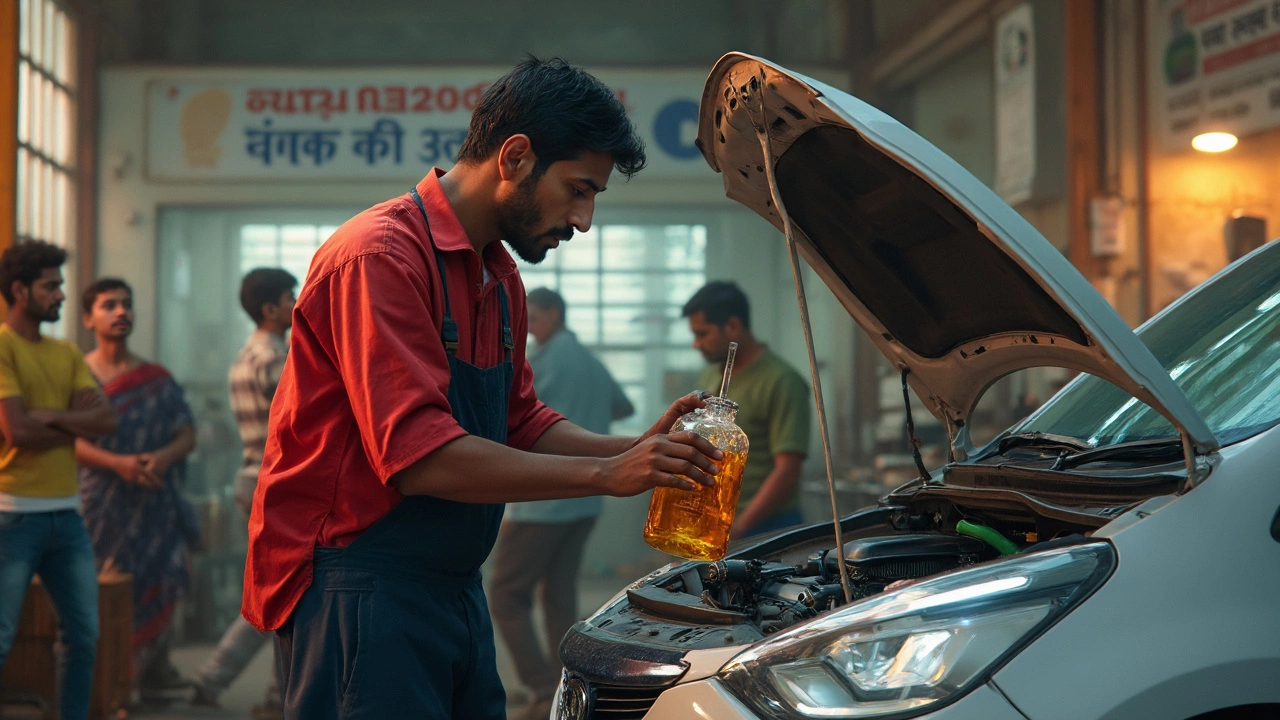
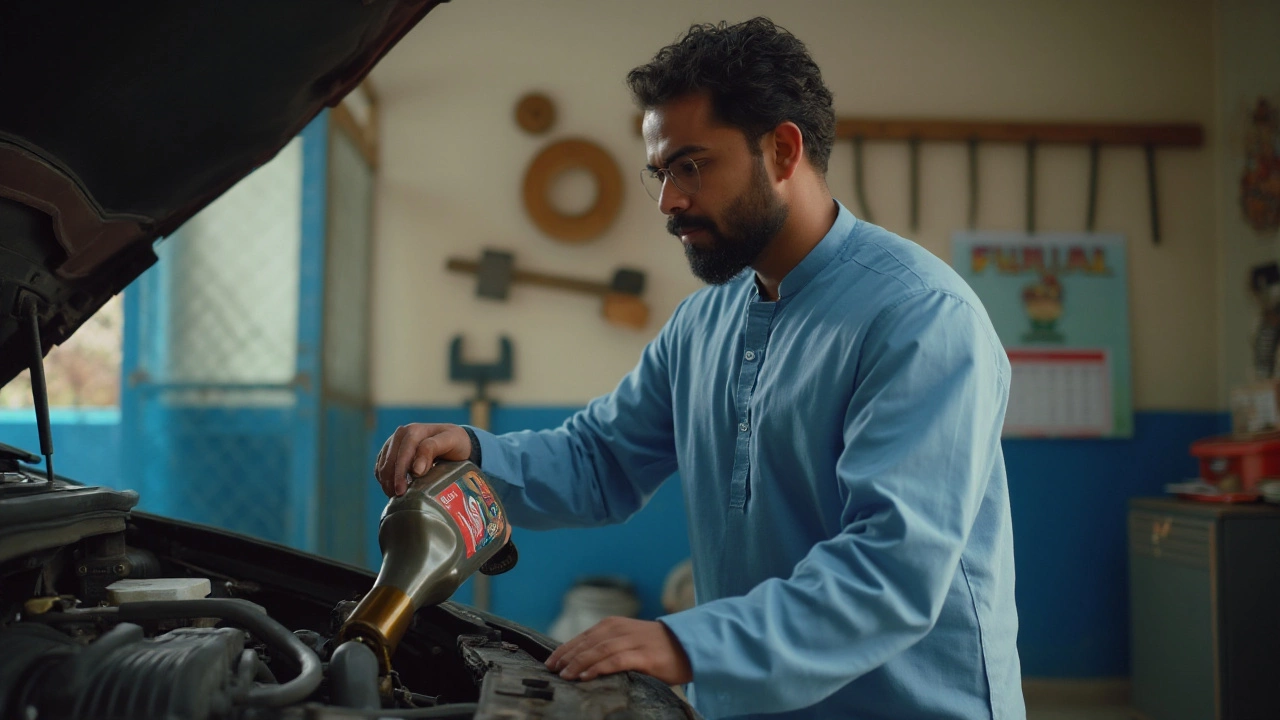
When you hear oil change, the routine service where old engine oil is swapped for fresh oil to keep your engine running smoothly. Also known as motor oil service, it's one of the most critical tasks for any car owner—no matter if you drive a 10-year-old sedan or a brand-new SUV. Skip it, and you're not just risking a breakdown—you're inviting expensive engine damage that could cost more than your car is worth.
Engine oil, the liquid that lubricates moving parts inside your engine, reduces friction, cools components, and cleans out debris doesn't last forever. Even if your car doesn't make noise or leak, the oil breaks down over time. Heat, dirt, and combustion byproducts turn it into sludge. That's why oil filter, the component that traps contaminants so they don't recirculate through your engine matters just as much as the oil itself. A clogged or old filter can choke your engine even with fresh oil flowing through it.
Not all motor oil, the lubricant used in internal combustion engines, available in conventional, synthetic blend, and full synthetic types is the same. Full synthetic oil lasts longer and performs better under stress, but it's not always the best choice. Older engines with high mileage might need high-mileage oil to seal worn components. Some classic cars with flat-tappet cams need oil with extra zinc additives. Using the wrong type can cause more harm than good.
Most people think oil changes are every 3,000 miles. That’s outdated advice. Modern engines and oils can go 7,500 to 10,000 miles between changes—some even up to 15,000 if you use full synthetic and drive gently. But your real guide? Your owner’s manual. It knows your engine better than any mechanic or YouTube video. Ignore it, and you might void your warranty or damage your engine.
Low oil isn’t just about running out—it’s about degradation. Even if the dipstick shows enough oil, the oil inside could be cooked, dirty, or thin from heat. That’s why you shouldn’t wait for warning lights. Listen for knocking, watch for smoke from the exhaust, or notice if your car feels sluggish. Those are signs your oil has given up.
And don’t forget the oil filter. Replacing it every time you change oil is non-negotiable. A dirty filter is like putting a sock over a straw—you can still breathe, but not well. Many people skip it to save a few bucks. Then they wonder why their engine fails after just 80,000 miles when it should’ve lasted 200,000.
What you’ll find below isn’t just a list of articles. It’s a practical guide to everything tied to oil change—from choosing the right oil type to understanding what happens when you ignore it. You’ll learn when full synthetic oil is a waste of money, how low oil leads to engine failure, and why some cars need special oil blends. No fluff. No theory. Just what actually matters for keeping your car running, saving you money, and avoiding roadside disasters.