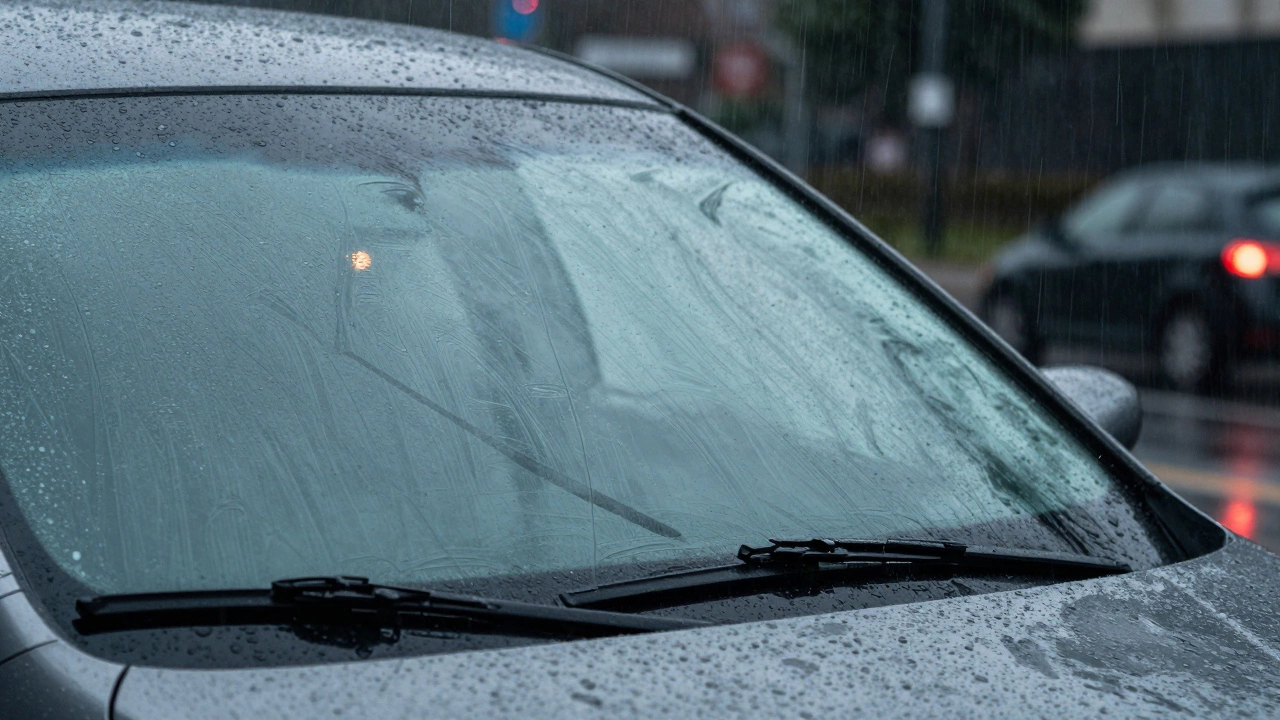
Ever been driving in the rain and your windscreen wipers leave streaks, skip, or make a squealing noise like a broken violin? It’s not just annoying-it’s dangerous. Clear vision isn’t a luxury when the rain comes down hard. Most people think wipers are simple, but they’re one of the most overlooked safety features on any car. And when they fail, it’s rarely because of one big thing. It’s usually a mix of small problems that build up over time.
Wiper Blades Wear Out Faster Than You Think
Wiper blades are made of rubber, and rubber doesn’t last. Sun, heat, cold, and even pollution break down the material. In Adelaide’s climate-hot summers, occasional frost in winter-wiper blades can degrade in as little as six months. Most manufacturers say replace them every 6 to 12 months, but if you notice streaking, chattering, or smearing, don’t wait for the calendar. That’s your sign.
Old blades don’t just get brittle. They also lose their flexible curve that hugs the windshield. When the rubber loses its shape, it doesn’t press evenly. That’s why you get patches of dry glass even when the wiper is moving. It’s not the motor failing-it’s the blade not making contact. Try pressing down gently on the wiper arm while it’s running. If the streaking stops, you’ve found your problem.
Streaking Isn’t Always the Blade’s Fault
Streaking can trick you. You assume it’s the blades, so you buy new ones. But sometimes, the issue is the windshield itself. Over time, road grime, tree sap, bug residue, and even car wash chemicals build up a thin film. That film doesn’t wash off with regular cleaning. It needs a special glass cleaner with isopropyl alcohol or a clay bar treatment.
Test it: spray some glass cleaner on the windshield, wipe it clean with a microfiber cloth, then run the wipers. If the streaking disappears, the problem was the glass, not the blades. If it’s still there, then yes-it’s time for new wipers. But don’t skip the cleaning step. Installing new blades on a dirty windshield is like putting fresh tires on a muddy rim.
Noisy Wipers? It’s Usually the Arm or the Blade
That high-pitched squeak or thumping sound isn’t normal. It’s either the wiper arm losing tension or the rubber blade catching on a tiny imperfection. Wiper arms are spring-loaded. Over time, those springs weaken. If the arm doesn’t press hard enough, the blade bounces. That causes skipping and noise.
Check the arm by lifting it slightly off the glass while the wiper is off. It should snap back firmly. If it feels loose or doesn’t return to contact, the spring is worn. Replacing the entire arm is usually cheaper than you think-around $20-$40 for a pair. Some people try bending the arm back into shape, but that’s risky. You can snap it or make the pressure uneven.
Also, check for debris. A tiny piece of dried leaf or gravel stuck under the blade can cause constant noise. Lift the blade and inspect the rubber edge. Use a soft toothbrush to clean the underside. Sometimes that’s all it takes.
Wiper Blades That Skip or Jump
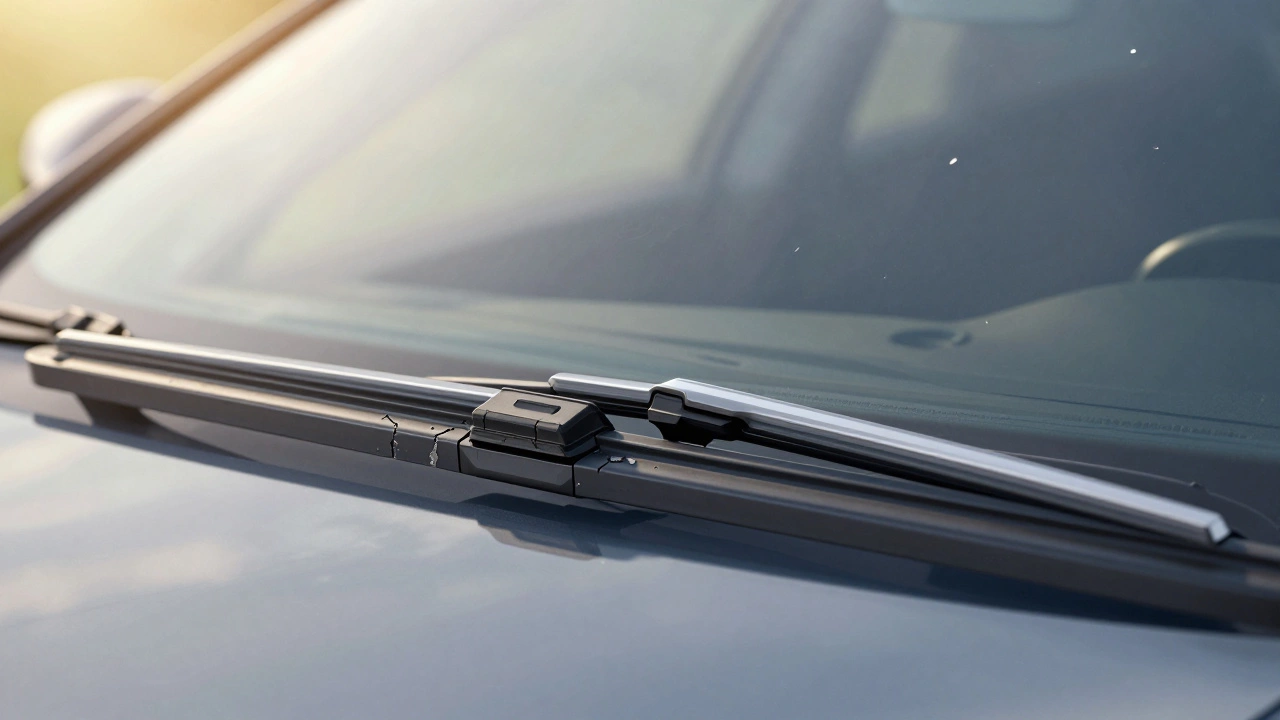
Skipping happens when the blade doesn’t glide smoothly. It’s often a sign of warped wiper arms or mismatched blade size. If you bought blades based on a generic fit guide instead of your car’s exact model, they might be too long or too short. A blade that’s too long can’t bend properly around the curve of the windshield. A blade that’s too short won’t cover the full sweep.
Always check your owner’s manual or use the manufacturer’s online fit tool. Don’t rely on what fits “close enough.” Even a 10mm difference can cause skipping, especially at higher speeds. In Australia, where highway driving is common, that’s a real safety risk.
Another cause: worn pivot points. The metal joints where the arm connects to the motor can loosen. That makes the blade wobble side to side instead of moving in a clean arc. You won’t see this unless you get under the hood and inspect the linkage. If you hear a clunking sound when the wipers start or stop, that’s your clue.
Wipers Don’t Turn On at All
If the wipers are completely dead, it’s not the blades. It’s the system behind them. Start with the fuse. Most cars have a dedicated fuse for the wiper motor. Check your owner’s manual for the location-it’s usually in the engine bay or under the dashboard. A blown fuse is the easiest fix.
If the fuse is fine, listen for a click when you turn the wipers on. If you hear nothing, the motor might be dead. If you hear a click but no movement, the linkage could be broken or jammed. Ice, leaves, or rust can lock the mechanism. In winter, leaving the wipers up overnight can cause them to freeze to the glass. When you turn them on, the motor strains and burns out.
Never force the wipers if they’re stuck. Turn off the car, gently lift the blades, and clear any ice or debris. If the motor is dead, replacement costs $150-$300 depending on the car. But don’t assume it’s the motor without checking the simpler things first.
Wiper Fluid Doesn’t Spray
This one’s easy to ignore until you’re stuck in a dusty road with no visibility. The problem isn’t always low fluid. Clogged nozzles are the usual culprit. Dust, pollen, and even dried fluid residue can block the tiny spray holes. Use a pin or a needle to clear them. Don’t use a metal pick-it can damage the nozzle.
Also, check the pump. If you hear a humming noise when you activate the washer but no fluid comes out, the pump might be failing. If you hear nothing at all, check the fuse again. And make sure you’re using proper windshield washer fluid-not water. Water freezes in winter and can cause corrosion inside the system.

How to Pick the Right Wiper Blades
Not all blades are the same. There are three main types: conventional, beam, and hybrid.
- Conventional blades have a metal frame. They’re cheap and work fine in mild climates, but they can lift in high winds.
- Beam blades are frameless and use a single curved spine. They press evenly across the glass, resist snow buildup, and handle high speeds better. They’re more expensive but last longer and perform better.
- Hybrid blades combine a frame with a rubber spine. They’re a middle ground-better than conventional, cheaper than beam.
For Australian conditions-hot sun, dust storms, occasional heavy rain-beam blades are the best bet. Brands like Bosch Icon, Rain-X Latitude, and Michelin Stealth are reliable. Avoid no-name brands sold at discount stores. They might fit, but they often use low-grade rubber that cracks fast.
When to Replace Your Wipers
Here’s a simple checklist to know when it’s time:
- Streaking or smearing even after cleaning the windshield
- Noise-squeaking, chattering, or thumping
- Cracked, split, or hardened rubber
- Blades missing large sections of the windshield
- Wipers lift off the glass at highway speeds
If two or more of these apply, replace them. Don’t wait for them to fail completely. In heavy rain, your reaction time drops. A second of blurred vision at 100 km/h is 28 meters of blind driving.
Pro Tips to Make Wipers Last Longer
- Never use wipers on a dry windshield. Always spray fluid first.
- Clear ice and snow manually before turning on the wipers.
- Wipe the blades with a damp cloth every few weeks to remove dirt buildup.
- Park in shade or use a windshield cover in summer to reduce UV damage.
- Replace blades seasonally-spring and autumn is ideal.
Wipers are cheap. Safety isn’t. Replacing them every year costs less than a tank of fuel. But if you wait too long, you could pay a lot more-in repairs, insurance claims, or worse.
Why do my windscreen wipers streak even with new blades?
Streaking with new blades usually means the windshield has a built-up film from dirt, sap, or chemicals. Clean the glass with an alcohol-based glass cleaner and a microfiber cloth. If the streaking stops, the blades were fine. If not, the blades might be incompatible with your windshield’s curvature or have a manufacturing defect.
Can I use water instead of windshield washer fluid?
No. Water doesn’t clean oil, bugs, or road grime effectively. In cold weather, it freezes and can crack the reservoir or damage the pump. Windshield washer fluid contains solvents and antifreeze designed to dissolve debris and prevent freezing. Even in summer, it’s worth the small extra cost.
How do I know if my wiper arms are worn out?
Lift the wiper arm off the glass while the car is off. It should snap back firmly and press evenly. If it feels loose, doesn’t return to contact, or only touches the glass in one spot, the spring is worn. You might also hear a clunk when the wipers start or stop. Worn arms cause skipping and uneven wiping.
Are expensive wiper blades worth it?
Yes, especially in Australia. Beam blades cost more upfront but last longer, resist UV damage, and perform better in wind and rain. They don’t lift at high speeds and handle dust storms better than cheap conventional blades. Over time, you save money by replacing them less often and avoiding the risk of poor visibility.
How often should I replace my windscreen wipers?
Replace them every 6 to 12 months, depending on weather and usage. In hot, sunny climates like Adelaide, rubber degrades faster. If you notice streaking, noise, or skipping before then, replace them immediately. Don’t wait for them to fail completely-your vision is more important than saving $20.
If your wipers aren’t working right, don’t ignore it. Fixing them is quick, cheap, and could prevent an accident. Keep your windshield clear-not just for comfort, but for safety.