Clutch Lifespan Estimator
How Long Will Your Clutch Last?
Estimate clutch lifespan after noticing a burning smell based on your driving conditions and vehicle type.
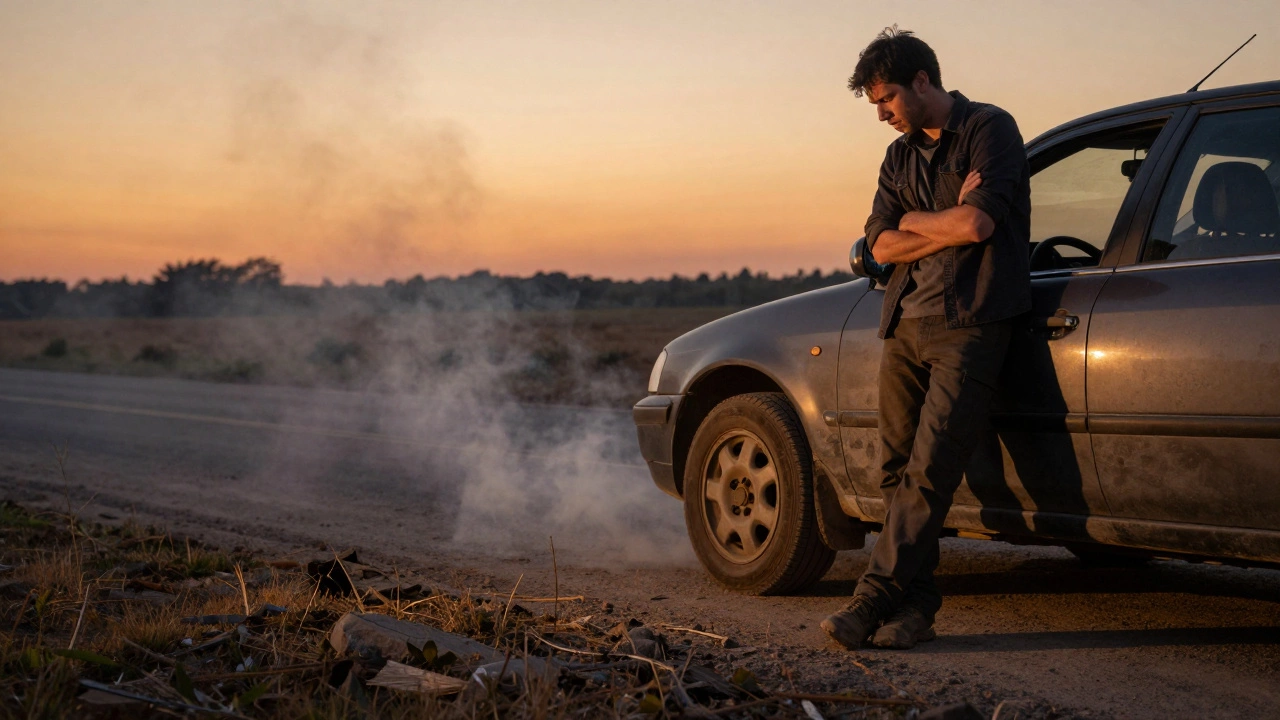
That sharp, acrid smell coming from under your car isn’t just unpleasant-it’s a warning. If you’ve noticed a burning odor while driving, especially when shifting gears or climbing hills, your clutch might be on its last legs. But how long can it actually last after that smell shows up? The answer isn’t simple. It could be a few days… or a few weeks. What matters is what you do next.
What Causes the Burning Smell?
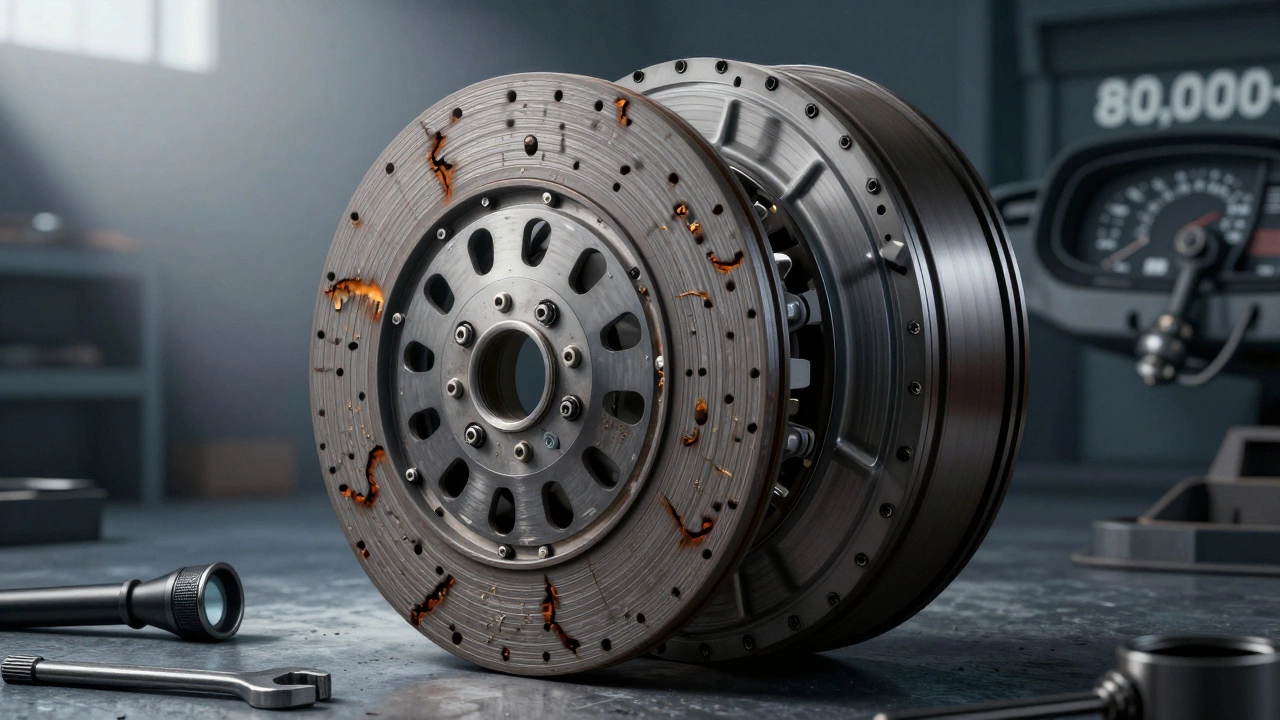
The smell isn’t from oil, fuel, or overheated brakes. It’s the clutch disc burning up. Inside the clutch assembly, the friction material on the disc is designed to grip and slip slightly during shifts. But when it slips too much-too often, too hard, or under too much load-it overheats. That’s when the material starts to break down, releasing that unmistakable burnt toast or hot metal smell.This usually happens because of bad driving habits. Riding the clutch pedal, creeping in traffic with your foot on the pedal, or aggressively launching from a stop all force the clutch to slip instead of engage cleanly. If you drive a manual transmission truck or tow heavy loads, you’re already putting extra stress on it. A single hard burnout can start the damage. Repeated misuse? It’s a countdown.
How Long Until It Fails Completely?
There’s no fixed timeline. Some clutches last 200 miles after the smell starts. Others hang on for 500, even 1,000. It depends on three things: how bad the damage is, how much you keep driving, and what kind of driving you do.- Light use, short trips: If you’re just commuting and avoid hills or heavy acceleration, the clutch might last 3-6 weeks. But don’t get comfortable. The friction material is still flaking off.
- Heavy use, towing, or highway driving: If you’re hauling, climbing grades, or doing a lot of stop-and-go traffic, expect failure within days. The heat builds up faster than the clutch can cool down.
- Already worn clutch: If your clutch was already near the end of its life (say, over 80,000 miles) before the smell started, it’s probably done. That smell is the final stage, not the beginning.
Here’s a rough idea: if the smell is faint and only shows up when you’re pushing hard, you might have 2-4 weeks. If it’s strong, constant, and you’re already slipping gears, you’re looking at 1-2 weeks-or less.
Signs It’s Getting Worse
The smell is just the first clue. Watch for these warning signs that the clutch is failing fast:- Slipping gears: The engine revs up, but the car doesn’t accelerate like it should. You’re losing power, especially under load.
- Harder shifting: Gears feel stiff or grind when you try to change them-even when the clutch is fully pressed.
- Clutch pedal feels different: It might feel spongy, higher than normal, or require less pressure to engage.
- Smoke or visible damage: If you see smoke coming from the bellhousing, or if you smell it even when the car is off, you’re in emergency mode.
Any of these mean the clutch disc is crumbling. The pressure plate might be warped. The flywheel could be glazed. You’re not just replacing one part-you might need a full clutch kit overhaul.
What Happens When It Dies?
A failed clutch doesn’t just stop working-it can leave you stranded. You might be able to start the car, but once you try to move, the engine revs without the car responding. You’ll be stuck. Worse, if the clutch disc shatters or the pressure plate springs break, debris can fly into the transmission or damage the input shaft. That’s not a $400 repair-that’s a $1,500+ transmission job.And it’s not just the clutch. The flywheel often needs resurfacing or replacement. If it’s been overheated, it’s warped. A warped flywheel will destroy a brand-new clutch in weeks. That’s why mechanics always replace the clutch kit as a full set: disc, pressure plate, and throw-out bearing. Sometimes the flywheel too.
Can You Drive It Safely?
Technically? Yes. But should you? No.Driving with a burning clutch is like driving with a fraying brake line. You might make it to the next gas station. But if you push it, you risk total failure in traffic, on a highway, or on a steep hill. You’re not just risking your car-you’re risking your safety and others’.
Here’s what to do instead:
- Stop driving hard: Avoid rapid acceleration, towing, or hill starts. Drive gently.
- Get it checked within 48 hours: A mechanic can inspect the clutch without removing it using a borescope. They can tell you if the disc is glazed, cracked, or worn thin.
- Don’t wait for it to fail: If you wait until the clutch stops working, you’ll pay more for towing, and you might damage other parts.
How Much Does Replacement Cost?
A full clutch kit replacement typically costs between $800 and $1,800, depending on your car. Labor takes 4-8 hours because the transmission has to come out. The clutch kit itself runs $200-$500. If the flywheel needs replacement, add another $150-$400.Here’s what you’re paying for:
- Clutch disc: The friction surface that wears out.
- Pressure plate: Clamps the disc to the flywheel. Often replaced because it’s worn or warped.
- Throw-out bearing: Releases the clutch. Always replaced during a clutch job.
- Flywheel: Sometimes resurfaced, sometimes replaced. Critical for smooth engagement.
Skipping the flywheel or using a cheap clutch kit? That’s how you end up with another burning smell in 10,000 miles.
How to Make Your New Clutch Last
A new clutch can last 100,000+ miles if treated right. Here’s how:- No riding the clutch: Keep your foot off the pedal unless you’re shifting.
- Smooth starts: Ease into acceleration. Don’t rev and dump the clutch.
- Use neutral at stops: If you’re stopped for more than 10 seconds, put the car in neutral and take your foot off the pedal.
- Avoid towing beyond capacity: Check your owner’s manual. Exceeding it kills clutches fast.
- Regular inspections: Have your clutch checked every 30,000 miles if you drive hard.
Clutches aren’t meant to be replaced every few years. They’re meant to last. But abuse turns them into consumables.
What If You Ignore It?
Ignoring the smell doesn’t make it go away. It just makes the repair more expensive. A clutch that fails suddenly can:- Damage the transmission input shaft
- Scorch the flywheel beyond repair
- Break pressure plate springs, sending metal shards into the bellhousing
- Leave you stranded in traffic or on a highway
That’s not a repair. That’s a crisis.
Can a burning clutch smell go away on its own?
No. Once the friction material on the clutch disc starts burning, it’s permanently damaged. The smell may fade temporarily if you stop driving hard, but the wear continues. The material is flaking off, and the clutch is losing grip. It won’t heal-it only gets worse.
Is a burning smell always a bad clutch?
Most of the time, yes. But rare cases involve oil leaks onto the clutch housing or a overheated brake caliper. If the smell started after a repair or fluid leak, check those first. But if the smell comes with slipping, grinding, or a spongy pedal, the clutch is the culprit.
How soon should I get my clutch checked after smelling burning?
Within 48 hours. The longer you wait, the more damage you risk to the flywheel, pressure plate, or transmission. A quick inspection with a borescope costs under $100 and can save you thousands.
Can I replace just the clutch disc and leave the rest?
Not recommended. The pressure plate and throw-out bearing wear at the same rate. If the disc is burnt, those parts are likely worn or damaged too. Replacing just the disc means you’ll likely need another clutch job in 10,000 miles. Always replace the full kit.
Does driving style really affect clutch life?
Absolutely. Aggressive starts, riding the clutch, and frequent towing cut clutch life in half. Smooth, careful driving can extend it to 150,000 miles. How you drive matters more than the brand of clutch you buy.