Exhaust Repair Cost Estimator
Configure Your Estimate
Additional Issues (Optional):
Estimated Cost Breakdown
Total Estimated Range
That rattle under your car isn’t just annoying; it’s a ticking time bomb for your wallet. If you’re standing in your driveway in Adelaide wondering if that noise means a $150 fix or a $1,500 overhaul, you aren’t alone. The short answer is: it depends entirely on what broke and where you go to fix it. But the long answer involves understanding why some shops quote you double the price of others.
In 2026, with labor rates climbing and material costs stabilizing after recent supply chain shifts, knowing exactly what you’re paying for is crucial. You don’t want to get ripped off, but you also don’t want a botched job that fails its next safety inspection. This guide breaks down the real costs of fitting an exhaust system, from a simple clamp replacement to a full custom build, so you can walk into any mechanic’s bay with confidence.
The Three Tiers of Exhaust Repair Costs
When mechanics talk about "fitting an exhaust," they might mean three very different things. Understanding these tiers helps you decode that quote sheet.
Tier 1: Minor Repairs and Patching
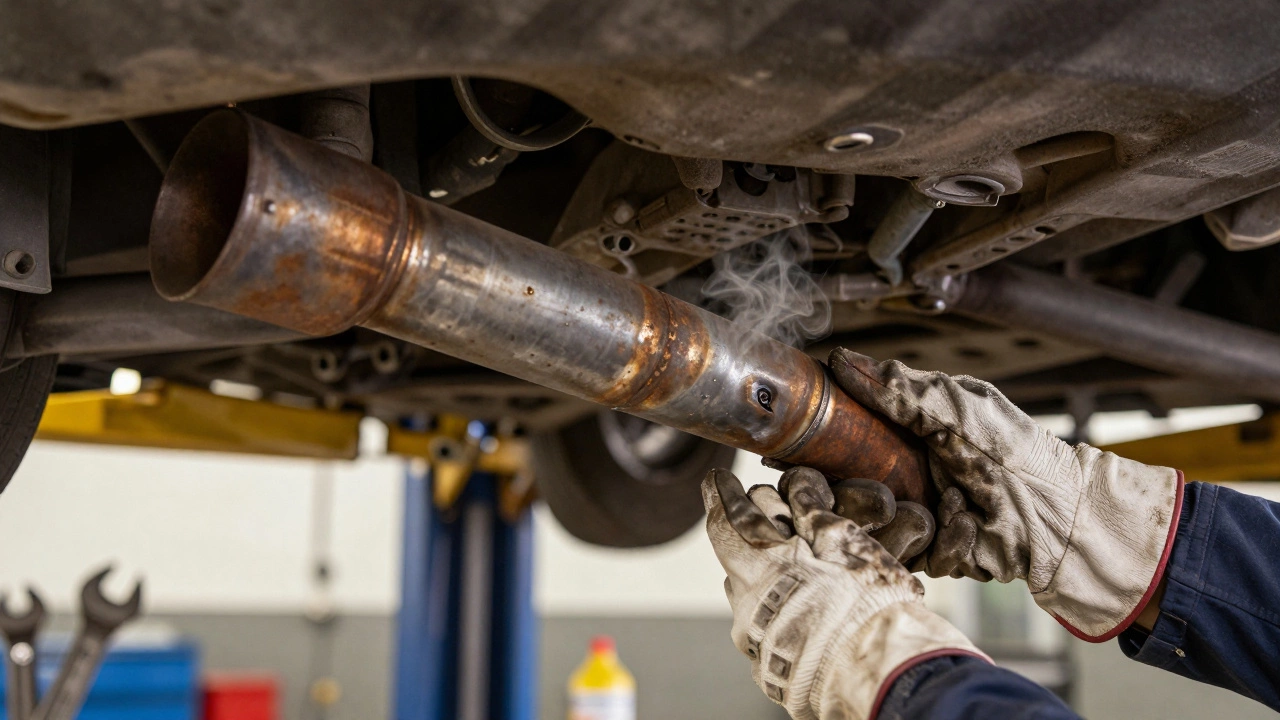
This covers small leaks, rusted flanges, or broken heat shields. If your catalytic converter and muffler are still intact, you might just need a new gasket or a weld. These jobs usually take less than an hour of labor. In most independent workshops, this ranges from $150 to $350. Dealerships will likely charge more due to higher hourly rates, often pushing past $400.
Tier 2: Component Replacement
This is the most common scenario. One part fails-the resonator, the muffler, or the rear pipe-and needs swapping out. You aren’t replacing the whole system, just a section. Parts for standard OEM (Original Equipment Manufacturer) replacements typically cost between $200 and $600. Add labor, and you’re looking at a total bill of $400 to $900. If you have a diesel truck or a performance sedan, those numbers jump because the parts themselves are larger and more complex.
Tier 3: Full System Replacement
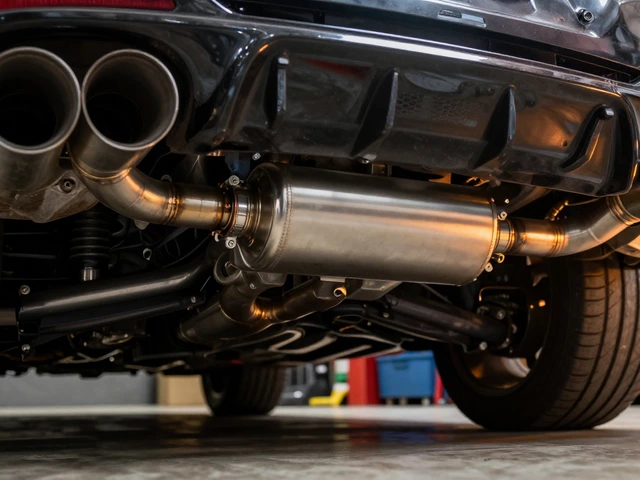
If your car has high mileage and significant rust, or if you’ve hit a pothole hard enough to bend the pipes, you might need the entire system replaced. This includes the front pipe, catalytic converter(s), resonators, and mufflers. A full OEM replacement can run anywhere from $800 to $2,500+, depending on whether your vehicle has one or two catalytic converters. Dual-exit systems (like on many sports cars) are significantly more expensive because there are twice as many components to fabricate or install.
| Repair Type | Parts Cost Estimate | Labor Estimate | Total Range |
|---|---|---|---|
| Minor Leak/Gasket | $50 - $150 | $100 - $200 | $150 - $350 |
| Muffler/Resonator Swap | $200 - $600 | $200 - $400 | $400 - $1,000 |
| Catalytic Converter | $500 - $1,500 | $300 - $600 | $800 - $2,100 |
| Full System (OEM) | $600 - $1,500 | $400 - $800 | $1,000 - $2,300 |
| Aftermarket Performance | $800 - $2,500 | $400 - $800 | $1,200 - $3,300 |
Why Labor Rates Vary So Much
You might notice a huge gap between quotes from a local garage and a franchise dealership. Why? It comes down to hourly labor rates and diagnostic fees.
In 2026, average mechanic labor rates in major Australian cities like Adelaide range from $120 to $180 per hour. Independent mechanics often sit at the lower end, while dealerships and specialized performance shops charge premium rates. An exhaust job isn’t always quick. Rusty bolts seize up. Pipes need to be cut and re-welded if they don’t align perfectly. What looks like a one-hour job can easily turn into three hours if the previous owner used too much thread locker or if the car has sat in damp conditions for years.
Dealerships also charge for "shop supplies" and environmental disposal fees, especially when removing old catalytic converters, which contain precious metals like platinum and palladium. These fees can add another $50 to $100 to your bill.
OEM vs. Aftermarket: The Price and Performance Trade-Off
When replacing parts, you generally have two choices: stick with what the manufacturer intended (OEM) or upgrade to something aftermarket.
OEM Parts: These are exact replicas of what came with your car. They fit perfectly, sound exactly like your car should, and guarantee compliance with local emissions laws. However, they can be pricey because you’re paying for brand licensing. For example, an OEM muffler for a Toyota Hilux might cost $300, while a generic equivalent could be $150.
Aftermarket Parts: Brands like Borla, MagnaFlow, or local Australian fabricators offer alternatives. These can be cheaper for basic replacements, or significantly more expensive for performance upgrades. If you want a deeper tone or better flow for horsepower gains, you’ll pay a premium. A high-end cat-back system (everything behind the catalytic converter) can cost over $1,500 in parts alone. Keep in mind: not all aftermarket parts are legal for road use. Ensure they meet Australian Design Rules (ADR) regarding noise and emissions.
The Catalytic Converter Factor
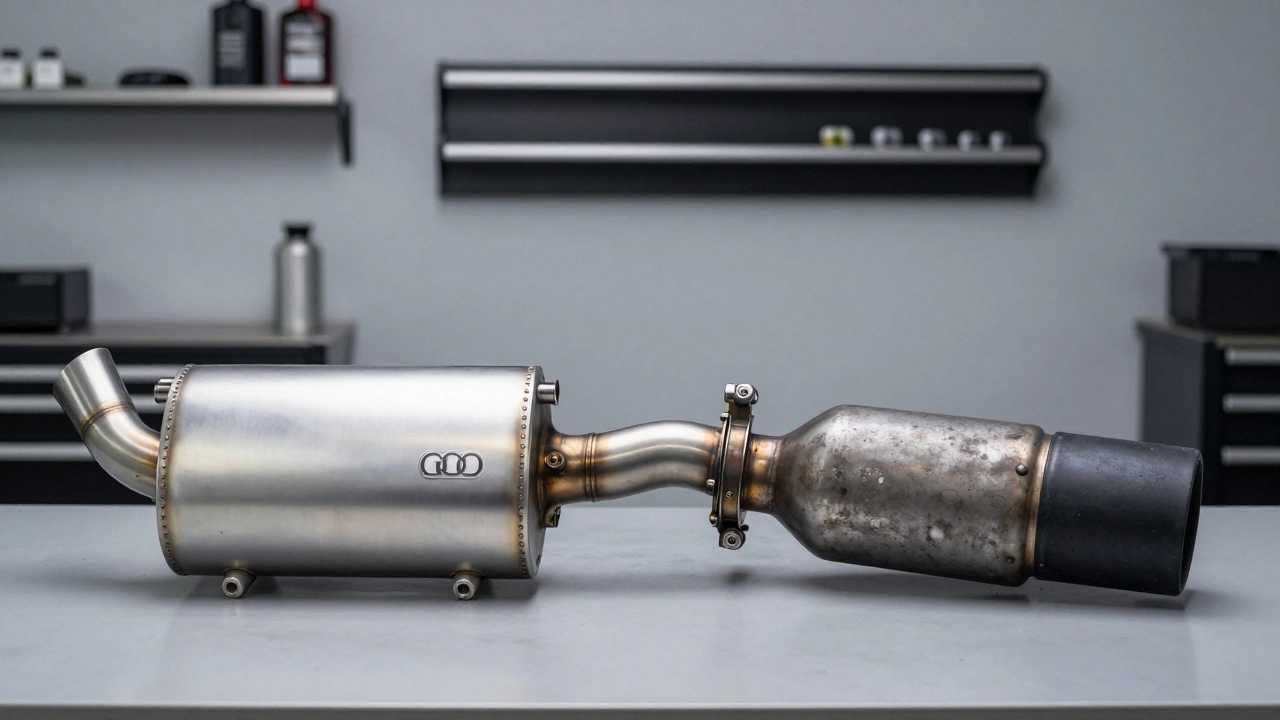
If your check engine light is on alongside the exhaust noise, you might be dealing with a failed catalytic converter. This is the most expensive single component in your exhaust system. Its job is to reduce harmful emissions, and modern sensors monitor its efficiency closely.
A direct-fit replacement catalytic converter costs between $500 and $1,200. Universal units that require welding are cheaper ($300 - $600) but demand more skilled labor. Be wary of extremely cheap converters online; they often fail within months and can damage your oxygen sensors, leading to even higher repair bills later.
Hidden Costs to Watch Out For
Before you hand over your credit card, ask about these potential extras:
- Diagnostic Fees: Many shops charge $50 - $100 just to inspect the leak. Ask if this fee is waived if you proceed with the repair.
- Oxygen Sensors: Located near the catalytic converter, these sensors can break during exhaust removal. Replacing one adds $150 - $300 per sensor.
- Heat Shields: These metal plates protect your fuel lines and bodywork from exhaust heat. They rust quickly. If yours are corroded, replacing them adds $100 - $200 to the job.
- Rust Removal: If your mounting brackets are seized, the mechanic may need to cut and weld new ones, adding labor time.
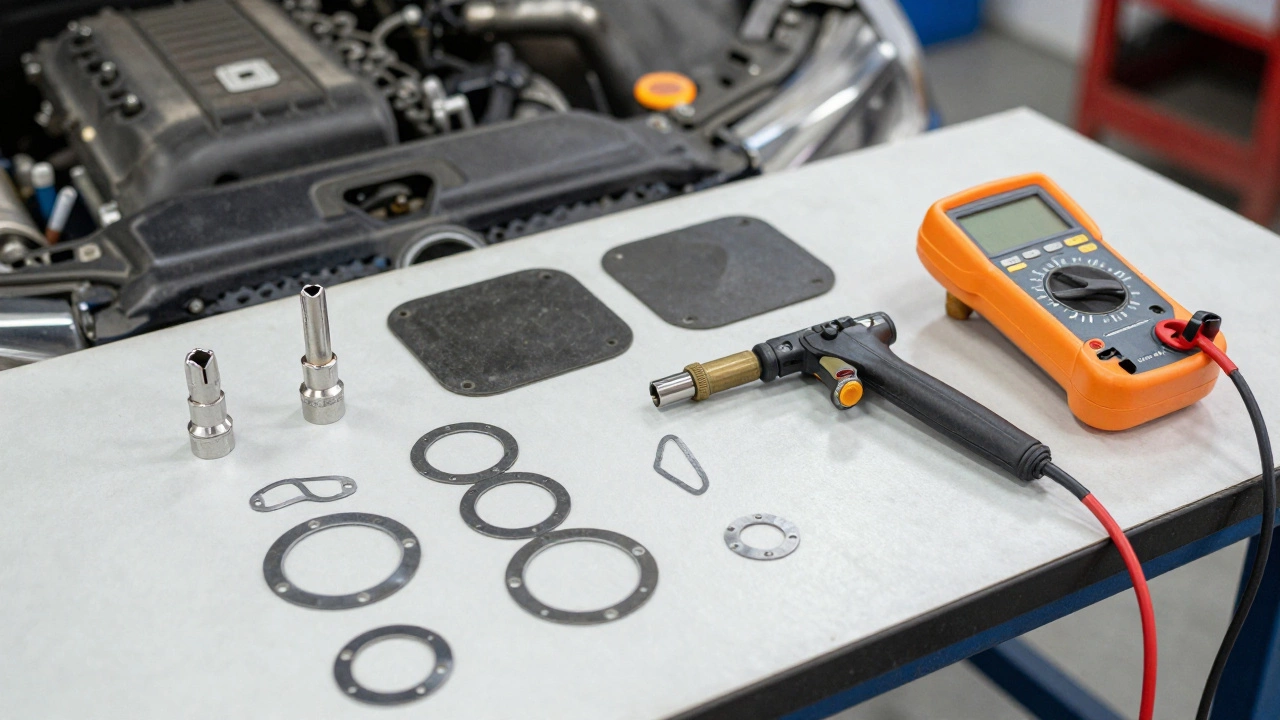
DIY vs. Professional Installation
Can you do it yourself? Absolutely, if you have the right tools and space. An exhaust jack stand, a wrench set, penetrating oil, and possibly a grinder or welder are essential. Saving on labor can cut your costs by 30-50%.
However, DIY exhaust work carries risks. Improper alignment can cause vibrations inside the cabin. Poor welds can lead to dangerous carbon monoxide leaks. And if you mess up the oxygen sensor connections, your car’s computer will throw error codes. If you’re not comfortable working underneath a suspended vehicle, professional installation is worth the peace of mind.
When to Replace vs. When to Repair
Not every noise requires a full replacement. Here’s a quick decision tree:
- Hissing noise at idle? Likely a small leak at a gasket or flange. Try tightening bolts first. If that fails, replace the gasket ($50-$100).
- Rattling sound that changes with speed? Could be a loose heat shield or internal muffler damage. Heat shields are cheap to fix. Internal muffler damage means replacement.
- Loud roaring or loss of power? Your catalytic converter might be clogged or your muffler destroyed. Replacement is necessary.
- Visible rust holes? If the hole is small, a patch kit works temporarily. If the pipe is crumbling, replace the section.
Getting Accurate Quotes in Adelaide
To avoid sticker shock, follow these steps before booking:
- Identify your car’s VIN: Send this to at least three different shops. This ensures they quote the correct parts for your specific model year and engine type.
- Ask for a written estimate: Verbal quotes change. Written estimates lock in the price for parts and labor.
- Clarify warranty terms: Good shops offer at least a 12-month/20,000km warranty on parts and labor. Cheap shops might offer nothing.
- Check for promotions: Some independent garages run seasonal specials on exhaust services, especially before winter inspections.
Remember, the cheapest option isn’t always the best. A poorly fitted exhaust can fail within weeks, costing you more in the long run. Look for reviews that mention durability and customer service, not just low prices.
How long does it take to fit a new exhaust system?
A straightforward muffler or resonator replacement typically takes 1 to 2 hours. A full system replacement, including cutting and welding, can take 3 to 5 hours. Complex vehicles with tight engine bays or dual-exit systems may take longer.
Is it cheaper to repair or replace an exhaust?
If only one component is damaged, repairing or replacing that specific part is cheaper. However, if multiple sections are rusted or damaged, a full replacement might be more cost-effective in the long term since you won’t face immediate follow-up repairs.
Can I drive my car with a broken exhaust?
It’s not recommended. A broken exhaust can let toxic fumes like carbon monoxide enter the cabin, posing a serious health risk. It can also damage your engine’s sensors and reduce fuel efficiency. Drive only if absolutely necessary and keep windows closed.
Do I need a new exhaust for my car to pass inspection?
Yes, if your current exhaust has visible holes, excessive rust, or produces abnormal noise. Australian safety inspections strictly enforce exhaust integrity to ensure emissions compliance and safety.
What causes an exhaust system to fail prematurely?
Rust from road salt and moisture, impact damage from potholes or curbs, and engine misfires that send unburned fuel into the exhaust (overheating the catalytic converter) are the top causes. Regular visual checks can help catch issues early.