Winter Wiper Survival Guide
Prevention Mode
Snow is forecasted tonight. How do I prepare my vehicle?
Emergency Recovery
I forgot! My wipers are frozen to the glass. What now?
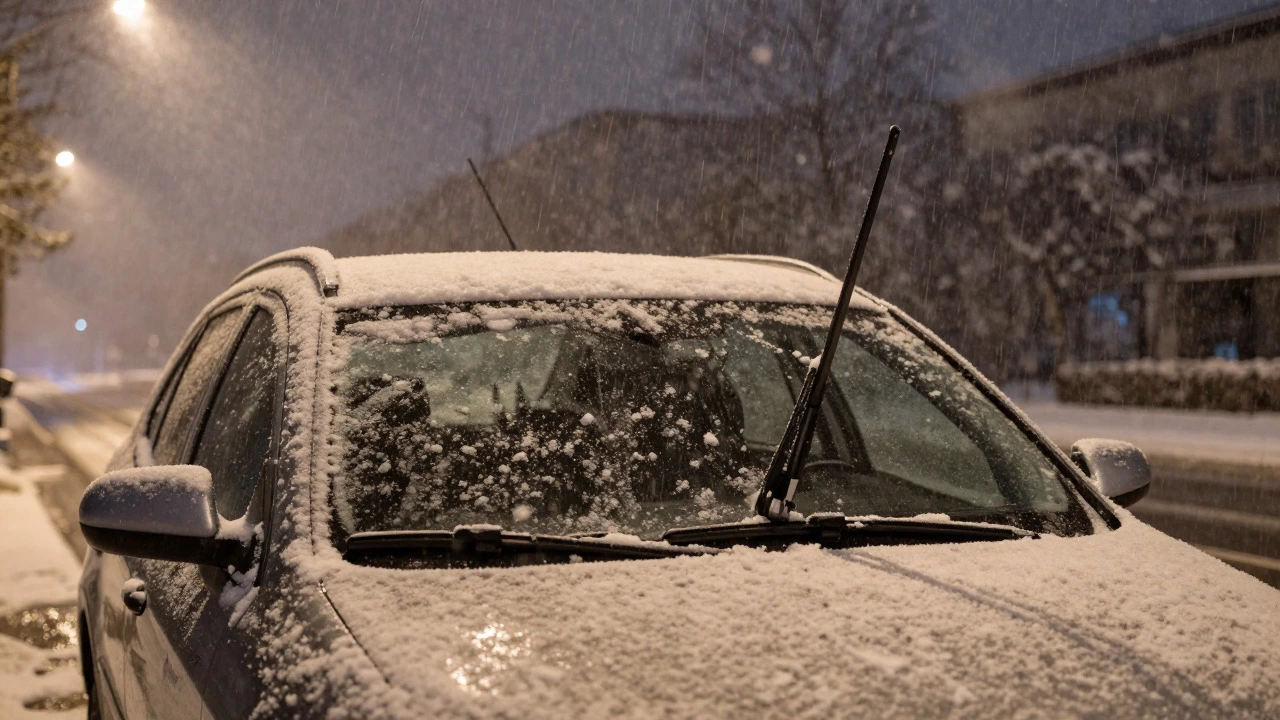
You wake up to a whiteout. Your car is buried under six inches of fresh powder, and you have a meeting in forty minutes. You reach for the door handle, slide into the driver’s seat, and instinctively flip on the windshield wipers mechanical devices used to clear rain, snow, and debris from vehicle windshields. Nothing happens. Or worse, they jerk once, screech against ice, and die. This is the moment every driver dreads: finding out whether your wiper blades are fused to the glass or stuck upright like twin antennas.
The short answer is yes, you should park your windshield wipers in the "up" position before a heavy snowfall or freezing rain event. It sounds counterintuitive-why leave them exposed to the elements?-but it is one of the most effective preventative measures you can take to avoid costly repairs and morning frustrations. Leaving them down invites disaster; raising them buys you freedom.
Why Leaving Wipers Down Is a Recipe for Disaster
When you leave your wipers resting on the windshield during a storm, you are essentially inviting nature to glue them there. Snow doesn't just sit on top of the rubber blade; it accumulates in the crevices between the blade arm and the glass. As temperatures fluctuate through the night, that snow melts slightly and then refreezes, creating a solid block of ice that encapsulates the entire mechanism.
This phenomenon creates what mechanics call an "ice dam." When you try to activate the wipers in the morning, the motor has to overcome significant static friction. Most modern cars have safety features that shut off the wiper motor if it detects too much resistance, which means your wipers simply won't move. If your car lacks this protection, or if the motor is particularly strong, you risk burning out the wiper motor the electric component that powers the movement of windshield wipers. Replacing a wiper motor is not a $10 DIY fix; it often requires disassembling the dashboard or cowl panel, costing hundreds of dollars in labor and parts.
Beyond the motor, the physical stress can bend the metal linkage arms. These arms are designed to apply consistent pressure against the glass, not to lever against a two-inch thick sheet of ice. A bent arm will never seal properly again, leading to streaking and skipping even after the ice melts. You might also crack the windshield itself if the force required to break the ice bond exceeds the structural integrity of the glass at that specific point.
The Case for Parking Wipers Up
Raising your wipers before a storm changes the dynamic entirely. By lifting the blades away from the glass, you eliminate the primary surface area where ice accumulation occurs. Snow may still land on the blades, but without the glass underneath to trap moisture and create a vacuum seal, the snow remains loose. A quick shake of the blade or a gentle brush with a snow rake removes it instantly.
This method protects three critical components:
- The Rubber Blade: Rubber becomes brittle in extreme cold. When frozen flat against glass, the constant pressure can cause micro-tears in the edge. Lifting them allows the rubber to relax.
- The Pivot Points: Keeping the mechanism free of ice prevents corrosion and grit buildup in the joints, extending the lifespan of the assembly.
- Your Sanity: There is no greater frustration than scraping ice off your hood only to realize your visibility is zero because your wipers are stuck. Starting with clear wipers means you can drive immediately after clearing the glass.
However, parking wipers up does come with a minor trade-off: exposure. The blades are left vulnerable to UV damage, bird droppings, and tree sap. But in the context of a heavy snowstorm, the immediate threat of mechanical failure far outweighs the long-term wear from sun exposure. You can always replace rubber blades annually; replacing a transmission linkage or motor is a headache best avoided.
How to Safely Raise Your Wipers
Not all cars allow you to lift the wipers manually, and doing it wrong can snap the plastic clips that hold the blade to the arm. Here is how to do it correctly based on your vehicle type.
Standard Vehicles
For most sedans, SUVs, and trucks, the process is straightforward. Lift the wiper arm gently away from the glass until it locks into place. Many modern vehicles have a "service mode" or "maintenance position" that lowers the wipers to the bottom of the windshield and keeps them there, making it easier to access. Check your owner's manual for this feature. Once lifted, ensure the blade is secure. Some older models require you to push a small tab on the blade before pulling it off the hook; if you don't see a tab, just lift carefully.
Concealed Wipers (Audi, BMW, Mercedes)
If you drive a luxury sedan with hidden wipers tucked behind the A-pillars, you cannot simply lift them. You need to use the service menu. Typically, you turn the ignition on (without starting the engine), go into the iDrive, COMAND, or MBUX system, select "Service," and choose "Wiper Service Position." The wipers will automatically move to an accessible location where you can lift them manually. Remember to return them to the normal position before driving, or the computer may throw an error code.
Electric Vehicles and Modern Tech
Newer EVs like the Tesla Model 3 or Y sometimes have automatic wiper settings. While convenient, these systems rely on sensors that can get blocked by ice. In a predicted blizzard, override the automation. Manually lift the wipers if possible, or use the touchscreen to park them in a high position if the software allows. Always verify physically that they are clear of the glass.
What If You Forgot? Emergency Recovery Tactics
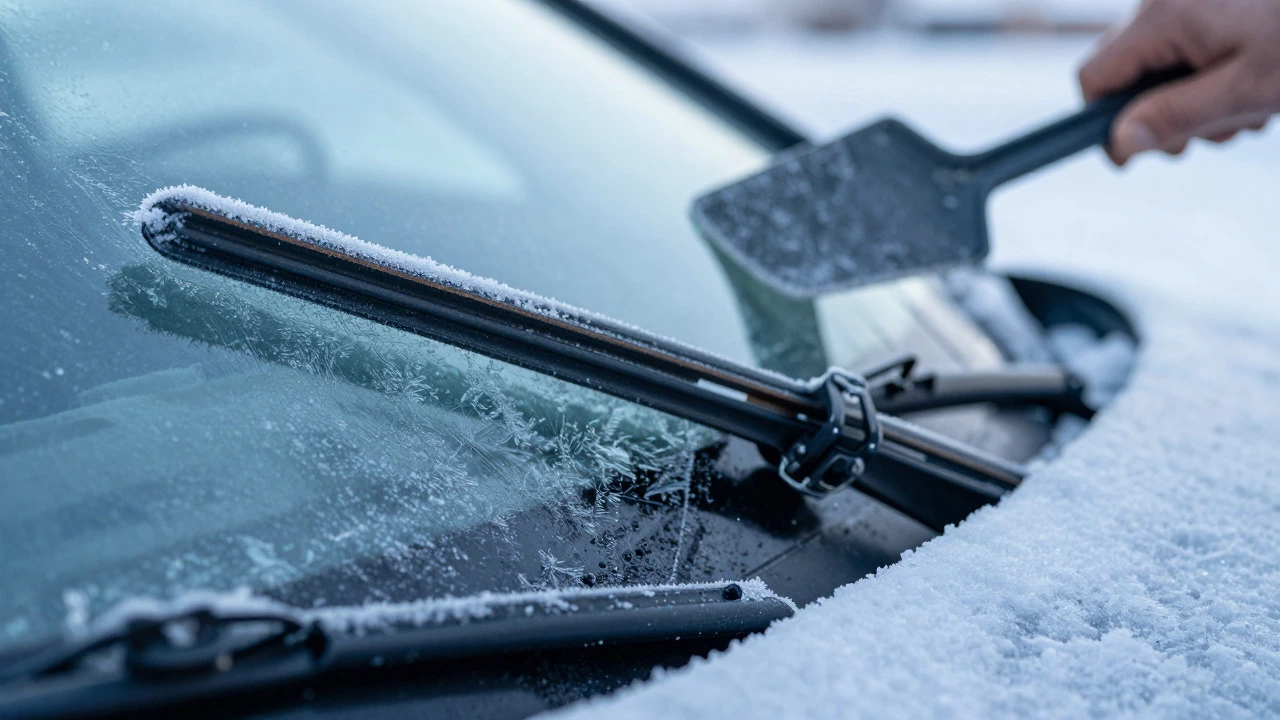
Let's say you forgot to raise them last night, and now your wipers are frozen solid. Do not hit the wiper switch. Repeatedly toggling the switch on and off sends power surges through the motor, increasing the heat and the chance of burnout. Instead, follow these steps to thaw them safely.
- Clear the Surrounding Ice First: Use a plastic snow brush or scraper to remove all snow and ice from around the base of the wiper arms and the edges of the windshield. Create a buffer zone so the blades have room to move once freed.
- Use Warm Water, Not Boiling: Pour lukewarm water over the wiper blades and the area where they meet the glass. Avoid boiling water, as the thermal shock can crack the windshield. The goal is to melt the bond, not cook the glass.
- Apply De-Icer Spray: If you have a commercial de-icer spray, apply it generously to the rubber edge and the pivot points. Let it sit for two minutes. These sprays contain alcohols that lower the freezing point of the ice, helping it slough off.
- Gentle Manual Assistance: Gently lift the wiper arm by hand. If it resists, stop. Apply more warm water or de-icer. Never force it. If you feel the arm bending, release pressure immediately. You want to break the ice seal, not the metal arm.
- Test Before Driving: Once the wipers are free, spray washer fluid on the glass and run the wipers on low speed for a few cycles. This ensures the motor is functioning and clears any remaining slush from the rubber edge.
Maintenance Tips for Winter Wiper Performance
Parking your wipers up is a tactical move, but long-term reliability depends on preparation. Winter puts unique stresses on wiper systems, and neglecting maintenance leads to premature failure.
Replace Blades Before the First Snow: Rubber deteriorates faster in cold weather. Old blades tend to chatter and skip because the rubber loses its flexibility. Replace your wiper inserts every six to twelve months, ideally in late autumn. Look for "winter-specific" wiper blades. These designs enclose the rubber beam inside a plastic shell, preventing snow from packing onto the frame and ensuring consistent pressure across the windshield.
Use Winter Washer Fluid: Standard washer fluid freezes at 0°F (-18°C). If you live in a region where temperatures drop below this, switch to a blue-rated winter fluid that resists freezing down to -20°F or lower. Using summer fluid in winter can cause the reservoir to expand and crack, or worse, freeze the lines leading to the nozzles.
Clean the Glass Regularly: Road salt, bug splatter, and tree sap create a film on your windshield that reduces friction. Wipers struggle to glide over dirty glass, especially when it's cold. Wash your exterior thoroughly, including the windshield, before the first major freeze. A clean surface means less effort for the wiper motor and better visibility for you.
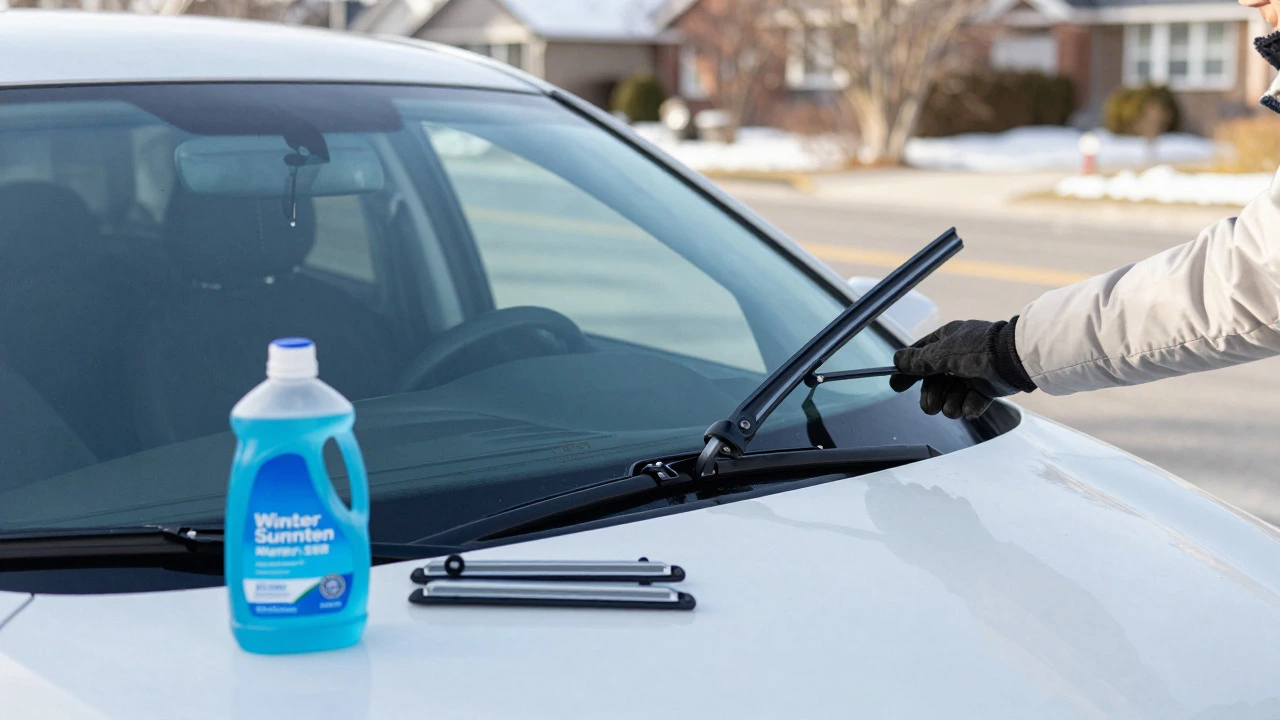
Comparison: Wiper Positions in Extreme Weather
| Factor | Wipers Down (Resting) | Wipers Up (Raised) |
|---|---|---|
| Ice Accumulation | High - Traps moisture between blade and glass | Low - Snow sits loosely on top of blade |
| Motor Risk | High - Potential burnout from resistance | None - Motor is disconnected from load |
| Blade Damage | Medium - Rubber can tear or deform | Low - Minimal stress on rubber edge |
| Morning Convenience | Low - Requires thawing and scraping | High - Ready to use after simple brush-off |
| UV Exposure | Low - Protected by windshield angle | High - Direct exposure to sun |
Common Mistakes to Avoid
Even experienced drivers make errors when dealing with winter wiper issues. Avoid these pitfalls to keep your vehicle safe.
Using Hot Water: As mentioned, thermal shock is real. A sudden temperature change of more than 100 degrees can cause tempered glass to shatter. Stick to lukewarm water from a thermos or a bucket.
Ignoring the Nozzles: Frozen washer nozzles are just as problematic as frozen wipers. If your nozzles are clogged with ice, your washer fluid won't reach the glass. Clear them with a pin or warm water before you start driving.
Leaving Wipers Up Too Long: If you raise your wipers for a single night, it's fine. If you leave them up for weeks during a dry spell, the rubber can dry out and crack. Only raise them when precipitation or freezing conditions are imminent.
Forcing Stuck Arms: Patience is key. If the wiper doesn't budge after five minutes of thawing, wait longer. Forcing it will likely bend the arm, requiring a replacement part that costs $50-$150 per side.
Final Thoughts on Winter Preparedness
The decision to park your windshield wipers up or down in snow isn't just about convenience; it's about preserving the mechanical integrity of your vehicle. The cost of taking thirty seconds to lift the blades before bed is negligible compared to the hassle and expense of a burned-out motor or cracked windshield. Make it a habit: check the forecast, see snow or freezing rain coming, and lift those wipers. Your future self, staring at a clear windshield while others scrape ice off frozen rubber, will thank you.
Can I leave my wipers up overnight?
Yes, you can leave your wipers up overnight, especially if snow or freezing rain is expected. Just ensure they are securely locked in the raised position so they don't fall back onto the glass due to wind or vibration. However, avoid leaving them up for extended periods (weeks) in direct sunlight, as UV rays can degrade the rubber faster.
What happens if I turn on my wipers when they are frozen?
If you turn on frozen wipers, the motor may stall or burn out due to excessive resistance. In some cases, the force can bend the wiper arms or even crack the windshield. Modern cars often have a safety cut-off that stops the motor, but relying on this feature repeatedly can still strain the electrical system.
How do I unfreeze my wipers quickly?
Pour lukewarm water over the wiper blades and the base of the arms. You can also use a commercial de-icer spray. Gently lift the blades by hand once the ice loosens. Avoid using hot water or forcing the arms, as this can damage the glass or the mechanism.
Do winter wiper blades make a difference?
Yes, winter wiper blades are designed with a protective cover that prevents snow and ice from accumulating on the frame. They maintain better contact with the glass in freezing temperatures and are less likely to freeze to the windshield compared to standard flat blades.
Should I put my wipers in service mode before a snowstorm?
If your car has a service mode that lowers the wipers to the bottom of the windshield, it can make it easier to lift them manually. However, you must remember to return them to the normal position after the storm. If you forget, the wipers may be exposed to road debris or fail to clear the upper part of the windshield effectively.