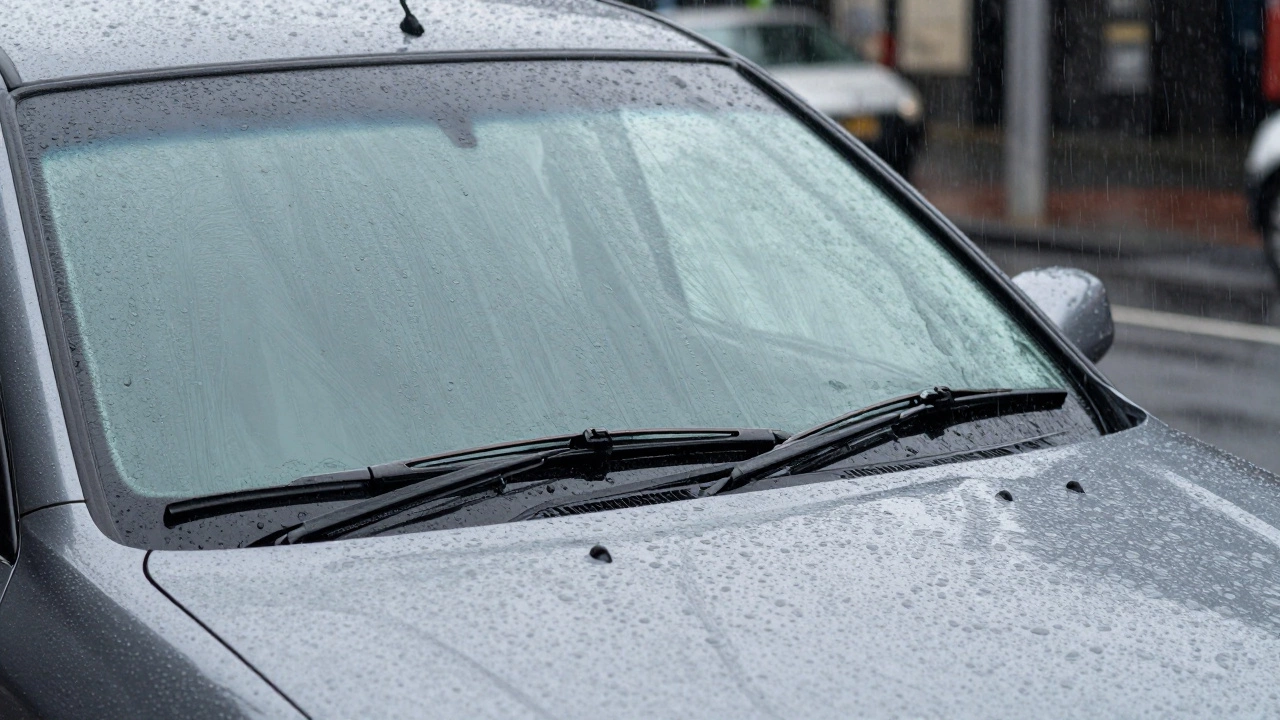
Ever bought a set of windshield wipers and felt like you got ripped off? You’re not alone. One week you pay $18 for a basic pair at the local auto parts store, and the next you’re staring at a $65 box labeled "premium" or "beam blade" with no idea what you’re actually paying for. The truth? Windshield wipers aren’t one-size-fits-all, and the price doesn’t always match performance. In 2026, with so many options flooding the market, knowing what you should realistically pay means avoiding overpaying-or worse, buying something that fails in a downpour.
What’s Inside a Set of Windshield Wipers?
At its core, a wiper set includes two blades, one for the driver’s side and one for the passenger’s side. But what’s inside matters more than the box. Most blades today use a rubber strip that contacts the glass. That rubber degrades over time due to UV rays, heat, and road grime. In Australia, where summer temperatures regularly hit 40°C and dust storms are common, rubber wears out faster than in cooler climates.
Beneath the rubber, there’s the frame. Older wipers use a traditional metal frame with multiple pressure points to hold the blade against the glass. These are cheaper but can leave streaks if one spring fails. Newer models use a frameless or beam design-a single flexible steel spine wrapped in rubber. These are more aerodynamic, resist snow buildup, and maintain even pressure across the entire blade. They’re also more expensive, but they work better in high winds and heavy rain.
Then there’s the connector. Every car has a unique arm attachment style-hook, pin, side-lock, or bayonet. If you buy the wrong connector, you can’t install them. That’s why buying online without knowing your exact model can lead to returns and frustration.
Price Ranges You’ll Actually See in 2026
Here’s what you’ll find on shelves and online in Australia right now:
- Basic rubber blades (frame-type): $15-$25 per pair. These are the cheapest, often sold under no-name brands or store labels. They work fine for a year if you drive gently and live in mild weather. But in Adelaide’s dry summers and sudden storms, they’ll start chattering or skipping by six months.
- Mid-range beam blades: $30-$50 per pair. Brands like Bosch, Rain-X, and Michelin fall here. These are the sweet spot for most drivers. They’re quieter, last longer (12-18 months), and handle high-speed driving without lifting off the glass. Many come with a built-in water-repellent coating that reduces streaking.
- Premium beam blades with advanced tech: $55-$85 per pair. These include features like carbon-fiber reinforcements, hydrophobic coatings that last longer, and anti-corrosion materials. Brands like Valeo, PIAA, and Trico’s top-tier models fit here. They’re ideal if you drive long distances, live near the coast (salt air eats metal), or get heavy winter rain.
There’s no reason to pay over $85 unless you’re driving a luxury vehicle with heated wipers or a high-end sensor system. Even then, you’re paying for integration, not better wiping.
Why Do Prices Vary So Much?
It’s not just about quality. A lot of the price difference comes from branding, packaging, and where you buy them.
Auto parts chains like Repco or Supercheap Auto often mark up wipers by 30-50% compared to online retailers like Amazon or eBay. But they offer same-day pickup and free installation. If you’re not handy, that convenience is worth $10-$15. Mechanics will charge you $60-$100 to replace wipers, even if the parts cost $25. You’re paying for labor, not blades.
Some brands charge more because they sponsor racing teams or use flashy marketing. That doesn’t make them better. In fact, independent tests by Australia’s RACV and the UK’s Which? magazine show that mid-range OEM replacements often outperform expensive branded ones in wet-weather performance.

What You Should Pay Based on Your Driving
Not everyone needs the same thing. Here’s how to match your needs to your budget:
- City driver, short commutes, mild weather: Stick with basic blades. $18-$22 is enough. Replace them every 12 months. You won’t notice the difference.
- Highway driver, frequent rain, dusty roads: Go mid-range. Spend $35-$45. The beam design stays flat at 100 km/h and won’t skip when you hit a puddle. This is the most common choice for Australian families.
- Coastal living, salt air, heavy storms: Invest in premium. $60-$75. Salt corrodes metal frames fast. Premium blades use corrosion-resistant materials and last up to two years.
- Own a luxury or electric car: Check your manual. Some Teslas, BMWs, and Volvos have wiper systems that auto-adjust speed based on rain intensity. These often need specific blade types. Don’t assume any blade will work. You might need to pay $70+ for the right fit.
How to Know When to Replace Them
You don’t need to wait until they’re completely useless. Look for these signs:
- Streaking or smearing, even after cleaning the glass
- Chattering or skipping, especially at higher speeds
- Crack or split in the rubber edge
- One blade lifts off the glass in wind
- It’s been over 12 months since your last replacement
Don’t wait for the rainy season to hit. Replace them in late winter or early spring-before the big storms arrive. That way, you’re not stuck with bad visibility when you need it most.

Where to Buy and What to Avoid
Buy from reputable sellers. Avoid random eBay sellers offering “OEM quality” blades for $10. Most are knockoffs with poor rubber compound. They’ll wear out in 3 months and scratch your windshield.
Stick to:
- Repco, Supercheap Auto, Bunnings Warehouse (in-store or online)
- Official brand websites (Bosch, Michelin, Rain-X)
- Amazon Australia with verified sellers
Always check the part number matches your car’s make, model, and year. Use the filter tools on retailer sites-they’re usually accurate.
And skip the “lifetime warranty” claims. No wiper blade lasts a lifetime. That’s just marketing.
Pro Tip: Save Money Without Sacrificing Safety
Here’s a trick: Buy one premium blade for the driver’s side (where visibility matters most) and a mid-range blade for the passenger side. Most people don’t realize the passenger-side wiper is less critical. You’ll still get clear vision, and you’ll save $15-$25. It’s not ideal, but it’s a smart compromise if you’re on a tight budget.
Also, clean your windshield with vinegar and water every few months. Road grime and bug residue build up and make wipers work harder. Clean glass = less wear on blades = longer life.
Final Answer: How Much Should You Pay?
For most drivers in Australia in 2026, the right price for a set of windshield wipers is $35-$45. That’s the sweet spot between performance, durability, and value. You get the benefits of beam technology, decent rubber compound, and reliable fitment without paying for branding or unnecessary features.
If you drive in harsh conditions, go up to $60. If you’re just commuting to the shops, $20 is fine. But never buy the cheapest option just to save a few dollars. A bad set of wipers doesn’t just ruin your view-it can make you miss a pedestrian, a stop sign, or a sudden turn. That’s not a risk worth taking.
How often should I replace my windshield wipers?
Replace them every 12 months, or sooner if you notice streaking, chattering, or cracks in the rubber. In Australia’s harsh climate-especially in Adelaide with its hot summers and sudden storms-wipers can wear out faster than in cooler regions. Don’t wait until they fail in heavy rain.
Are expensive wiper blades worth it?
Only if you drive long distances, live near the coast, or get heavy rain and wind. Premium blades use better materials and last longer, but for city driving, mid-range blades ($35-$45) perform just as well. Expensive blades won’t make you safer if your windshield is dirty or the frame is bent.
Can I use any wiper blade on my car?
No. Every car has a specific attachment type-hook, pin, or bayonet. Using the wrong connector means the blade won’t fit. Always check your vehicle’s make, model, and year when buying. Retailers like Repco and Supercheap Auto have online fitment tools that are reliable.
Why do my wipers skip at high speeds?
This usually happens with old or low-quality frame-type blades. The metal arms lose tension and can’t hold the rubber flat against the glass when air pressure builds up. Beam blades are designed to stay flat under wind pressure. If your wipers skip on the highway, it’s time to upgrade.
Is it better to replace both wipers at the same time?
Yes. Even if one blade looks fine, the other is likely just as worn. Using mismatched blades causes uneven wiping, streaking, and reduced visibility. Always replace them as a pair for consistent performance.
Do I need to clean my windshield before installing new wipers?
Absolutely. Old wiper blades leave behind a film of grime, bug residue, and road salt. If you install new blades on a dirty windshield, they’ll smear and wear out faster. Clean the glass with a mix of vinegar and water, then wipe it dry with a microfiber cloth.