How to Fix a Slipping Clutch Without Replacing It: Realistic Options & Limits
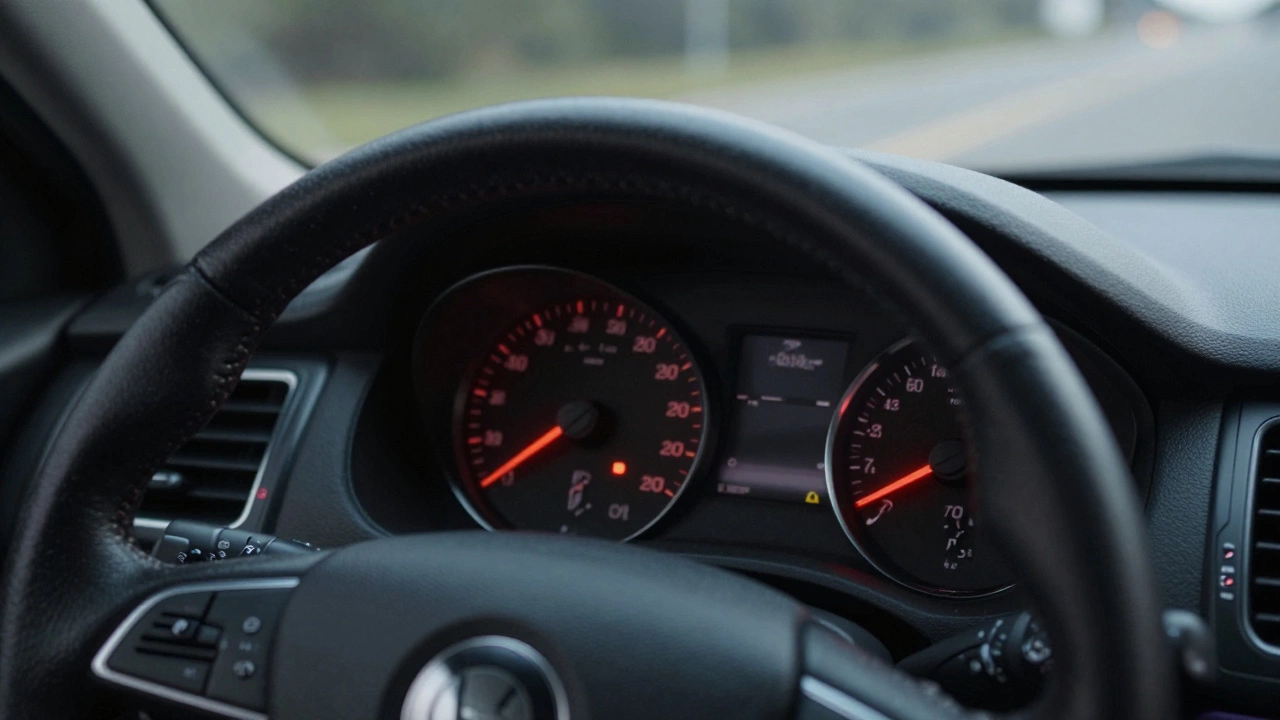
That high-revving sensation when you accelerate in top gear? It’s frustrating. Your foot is on the gas, the engine screams, but the car barely moves. You have a slipping clutch, which is a condition where the friction disc fails to grip the flywheel properly, causing power loss and RPM flare. The immediate thought for most drivers is panic. A full clutch replacement often costs between $1,500 and $3,000 depending on your vehicle. Naturally, you’re looking for a way out of that price tag.
The hard truth needs to be said first: if the friction material on your clutch disc is worn down to the metal splines, there is no magic fix. No spray, no additive, and no adjustment will bring back lost material. However, not every case of slippage is caused by physical wear. Sometimes, the issue is mechanical adjustment, hydraulic pressure, or contamination. If you fall into one of those categories, you can save yourself from a major repair bill. Let’s look at how to diagnose the root cause and apply fixes that don’t involve dropping the transmission.
Diagnosing the True Cause of Slippage
Before you buy any parts or tools, you need to confirm that the clutch is actually slipping due to a fixable issue, rather than just being worn out. Many drivers mistake aggressive driving habits or a loose wheel nut for clutch problems. We need to isolate the variable.
Start with the standard slip test. Put your car in a high gear (4th or 5th) at about 15-20 mph. Gently press the accelerator. If the engine RPMs shoot up significantly without a corresponding increase in speed, the clutch is slipping. But here is the nuance: does it slip only under heavy load, or even at light throttle? If it slips under light throttle, the disc is likely worn through, and replacement is unavoidable. If it only slips under extreme stress, you might have an adjustment or pressure issue.
Check for other symptoms. Does the clutch pedal feel spongy? That points to air in the hydraulic lines. Is the pedal sticking to the floor? That suggests a stuck release bearing or a broken return spring. These are mechanical failures that mimic slippage but are solved differently. Take note of these details, as they determine your next move.
Adjusting Mechanical Linkages and Cable Tension
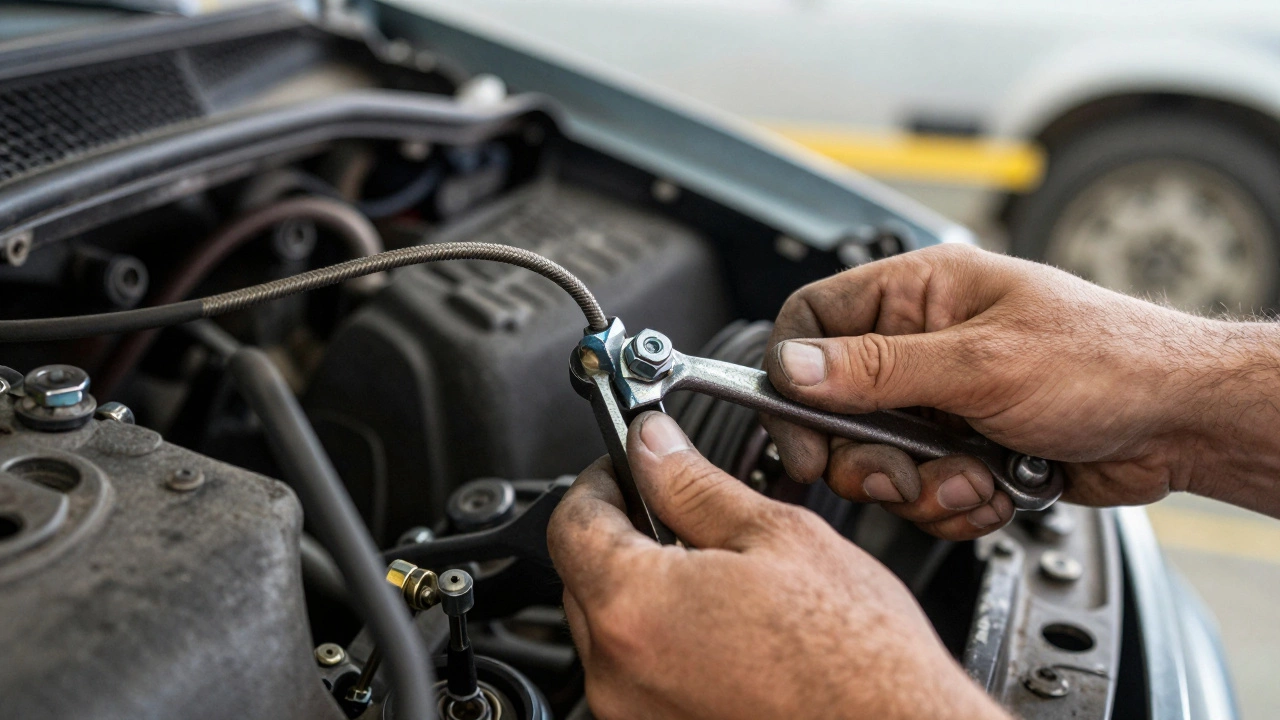
If your vehicle uses a cable-operated clutch (common in older cars, some European models, and certain trucks), the first line of defense is adjustment. Over time, cables stretch. When this happens, the clutch doesn't fully disengage or engage correctly, leading to partial slippage.
You can fix this by adjusting the cable tension. Locate the adjustment nut, usually found near the firewall or under the dash where the cable enters the cabin. With the engine off, press the clutch pedal to the floor. There should be a small amount of "free play"—typically about 1/4 to 1/2 inch of movement before you feel resistance. If the pedal hits the floor immediately with zero give, the cable is too tight. Loosen the lock nut and turn the adjuster to add slack. Conversely, if the pedal has excessive travel before engaging, tighten it slightly. Test drive the car. Proper tension ensures the throw-out bearing pushes the diaphragm spring correctly, maximizing clamping force.
Note: Modern cars with hydraulic systems do not have adjustable cables. If your car is hydraulic, skip this step and move to the fluid check.
Fixing Hydraulic System Issues
Most modern vehicles use a hydraulic clutch system similar to your brakes. It relies on fluid pressure to push the slave cylinder, which then activates the release bearing. If the pressure is low, the clutch won't clamp down hard enough, causing slippage.
Check the clutch fluid reservoir. It’s often shared with the brake master cylinder. Look for the level; if it’s below the minimum mark, you have a leak. Inspect the lines running from the master cylinder to the slave cylinder (usually mounted on the transmission bell housing). Wetness around the slave cylinder seal is a common culprit. A leaking slave cylinder allows air into the system, reducing hydraulic efficiency.
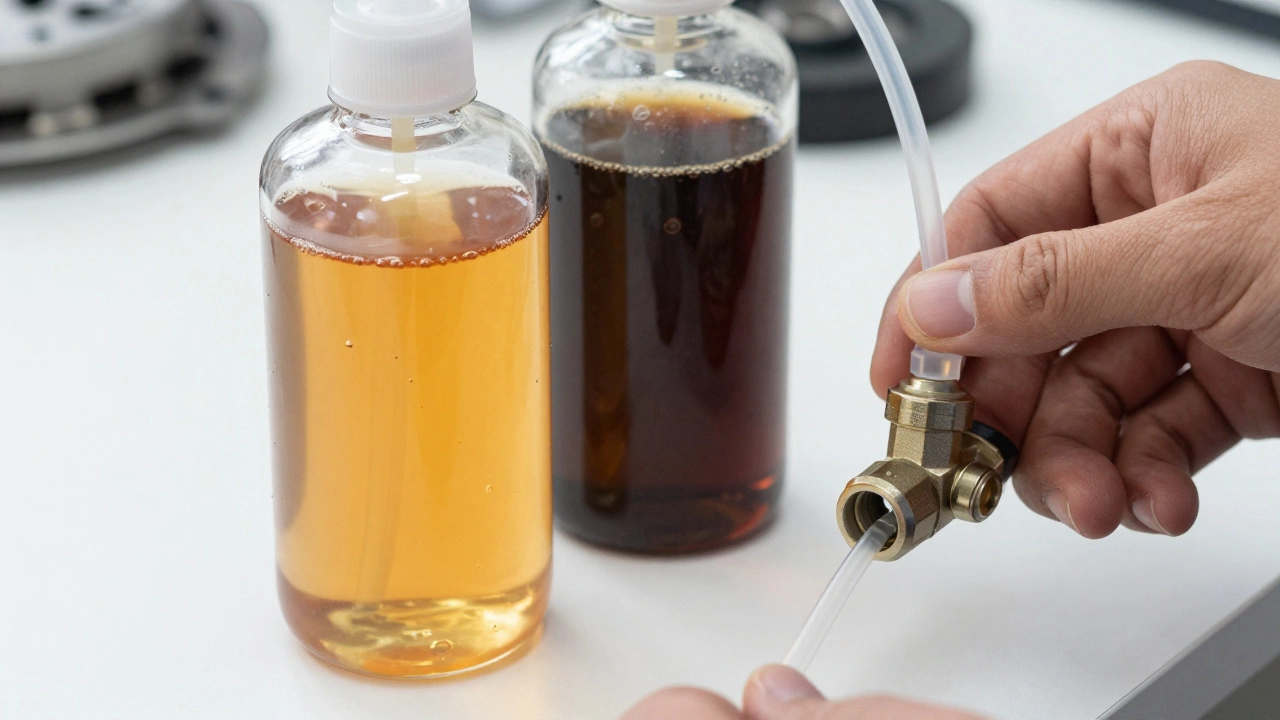
If the fluid is old or dark, bleed the system. Air bubbles compress, whereas fluid does not. Compressible air means less force reaching the clutch mechanism. Use fresh DOT 3 or DOT 4 brake fluid (check your owner's manual for specification). Have a helper press the pedal while you open the bleeder valve on the slave cylinder until clear fluid flows without bubbles. This simple maintenance task can restore firm pedal feel and proper engagement pressure, potentially eliminating mild slippage.
Cleaning Contaminated Friction Surfaces
A less obvious cause of slippage is contamination. If oil, grease, or transmission fluid leaks onto the clutch disc, it acts as a lubricant, preventing friction. This is a critical distinction because the disc itself might still have plenty of material left.
Inspect for leaks around the rear main seal of the engine and the input shaft seal of the transmission. If you see oil dripping from the bell housing area, you’ve found your problem. While this usually requires removing the transmission to clean the surfaces thoroughly, minor surface contamination can sometimes be addressed by cleaning the accessible parts and fixing the leak source. However, be realistic: if the disc is soaked, it needs to come out. But if the leak is new and minimal, addressing the seal might prevent further degradation and allow the existing disc to function longer.
Another form of contamination is glazing. If you ride the clutch frequently (keeping your foot resting on the pedal while stopped), the heat can glaze the friction material, making it smooth and slippery. In rare cases, lightly sanding the surface of the disc with fine-grit sandpaper (if accessible during other repairs) can remove the glaze, but this is risky and generally not recommended as a standalone fix without professional oversight.
Resurfacing the Flywheel
Here is a gray area that offers a middle ground. If your clutch disc is worn but not gone, and the flywheel is warped or scored, the uneven surface prevents proper contact. Resurfacing the flywheel creates a flat, clean mating surface. This doesn't add material to the disc, but it maximizes the contact area of what remains.
This process requires removing the transmission, so it’s not a "no-replacement" fix in terms of labor, but it avoids buying a new clutch kit. Machine shops can cut a few thousandths of an inch off the flywheel to make it perfectly flat. Combine this with a thorough cleaning of the existing disc, and you might gain several thousand miles. However, if the disc is thinner than manufacturer specifications, resurfacing the flywheel alone won't solve the fundamental lack of friction material.
| Solution | Cost Estimate | Difficulty | Longevity |
|---|---|---|---|
| Cable Adjustment | $0 - $50 (parts) | Low | Temporary if cable is stretched |
| Hydraulic Bleed/Fluid Change | $20 - $100 | Medium | Good if seals are intact |
| Flywheel Resurfacing | $300 - $600 | High (requires trans removal) | Moderate (extends life of old disc) |
| Full Clutch Replacement | $1,500 - $3,000 | High | Long-term solution |
When "No Replacement" Isn't an Option
We need to manage expectations. If your clutch disc is worn past its service limit, trying to fix it without replacement is dangerous. A slipping clutch generates immense heat. This heat can warp the flywheel, damage the pressure plate, and even melt the release bearing. Driving with a severely slipping clutch risks catastrophic failure while moving, leaving you stranded.
If adjustments and bleeding don't resolve the issue, the disc is physically gone. At this point, the only safe path is replacement. Ignoring it will lead to more expensive repairs down the line, such as a damaged transmission input shaft or a cracked flywheel.
Preventing Future Slippage
Once you’ve addressed the immediate issue, whether by adjustment or replacement, adopt habits that extend clutch life. Avoid riding the clutch—keep your foot off the pedal when not actively shifting. Learn heel-toe downshifting to reduce drag on the disc. Don't hold the car on a hill using the clutch alone; use the parking brake. These small changes reduce thermal stress and wear, keeping your clutch healthy for years.
No. Products claiming to stop clutch slip via transmission fluid are largely ineffective and can contaminate the hydraulic system. They do not restore worn friction material and may void warranties. Stick to mechanical adjustments and proper maintenance.
If you do it yourself, it costs about $20-$50 for fluid and basic tools. A mechanic may charge $100-$200 for labor. It is a relatively inexpensive diagnostic step that can rule out hydraulic issues.
Only for short distances to a repair shop. Continuous slippage generates excessive heat, which can warp the flywheel and damage the transmission. It reduces your ability to accelerate quickly, posing a safety risk in traffic.
Cold temperatures can thicken hydraulic fluid, reducing pressure. It can also cause components to contract slightly, altering clearances. If it only slips when cold and warms up, check your fluid type and levels. If it persists when warm, the disc is likely worn.
Indirectly, yes. If engine mounts are broken, the engine can shift excessively under load, misaligning the clutch components. This isn't true slippage but can mimic it. Check your mounts if the car vibrates heavily during acceleration.
That high-revving sensation when you accelerate in top gear? It’s frustrating. Your foot is on the gas, the engine screams, but the car barely moves. You have a slipping clutch, which is a condition where the friction disc fails to grip the flywheel properly, causing power loss and RPM flare. The immediate thought for most drivers is panic. A full clutch replacement often costs between $1,500 and $3,000 depending on your vehicle. Naturally, you’re looking for a way out of that price tag.
The hard truth needs to be said first: if the friction material on your clutch disc is worn down to the metal splines, there is no magic fix. No spray, no additive, and no adjustment will bring back lost material. However, not every case of slippage is caused by physical wear. Sometimes, the issue is mechanical adjustment, hydraulic pressure, or contamination. If you fall into one of those categories, you can save yourself from a major repair bill. Let’s look at how to diagnose the root cause and apply fixes that don’t involve dropping the transmission.
Diagnosing the True Cause of Slippage
Before you buy any parts or tools, you need to confirm that the clutch is actually slipping due to a fixable issue, rather than just being worn out. Many drivers mistake aggressive driving habits or a loose wheel nut for clutch problems. We need to isolate the variable.
Start with the standard slip test. Put your car in a high gear (4th or 5th) at about 15-20 mph. Gently press the accelerator. If the engine RPMs shoot up significantly without a corresponding increase in speed, the clutch is slipping. But here is the nuance: does it slip only under heavy load, or even at light throttle? If it slips under light throttle, the disc is likely worn through, and replacement is unavoidable. If it only slips under extreme stress, you might have an adjustment or pressure issue.
Check for other symptoms. Does the clutch pedal feel spongy? That points to air in the hydraulic lines. Is the pedal sticking to the floor? That suggests a stuck release bearing or a broken return spring. These are mechanical failures that mimic slippage but are solved differently. Take note of these details, as they determine your next move.
Adjusting Mechanical Linkages and Cable Tension
If your vehicle uses a cable-operated clutch (common in older cars, some European models, and certain trucks), the first line of defense is adjustment. Over time, cables stretch. When this happens, the clutch doesn't fully disengage or engage correctly, leading to partial slippage.
You can fix this by adjusting the cable tension. Locate the adjustment nut, usually found near the firewall or under the dash where the cable enters the cabin. With the engine off, press the clutch pedal to the floor. There should be a small amount of "free play"-typically about 1/4 to 1/2 inch of movement before you feel resistance. If the pedal hits the floor immediately with zero give, the cable is too tight. Loosen the lock nut and turn the adjuster to add slack. Conversely, if the pedal has excessive travel before engaging, tighten it slightly. Test drive the car. Proper tension ensures the throw-out bearing pushes the diaphragm spring correctly, maximizing clamping force.
Note: Modern cars with hydraulic systems do not have adjustable cables. If your car is hydraulic, skip this step and move to the fluid check.
Fixing Hydraulic System Issues
Most modern vehicles use a hydraulic clutch system similar to your brakes. It relies on fluid pressure to push the slave cylinder, which then activates the release bearing. If the pressure is low, the clutch won't clamp down hard enough, causing slippage.
Check the clutch fluid reservoir. It’s often shared with the brake master cylinder. Look for the level; if it’s below the minimum mark, you have a leak. Inspect the lines running from the master cylinder to the slave cylinder (usually mounted on the transmission bell housing). Wetness around the slave cylinder seal is a common culprit. A leaking slave cylinder allows air into the system, reducing hydraulic efficiency.
If the fluid is old or dark, bleed the system. Air bubbles compress, whereas fluid does not. Compressible air means less force reaching the clutch mechanism. Use fresh DOT 3 or DOT 4 brake fluid (check your owner's manual for specification). Have a helper press the pedal while you open the bleeder valve on the slave cylinder until clear fluid flows without bubbles. This simple maintenance task can restore firm pedal feel and proper engagement pressure, potentially eliminating mild slippage.
Cleaning Contaminated Friction Surfaces
A less obvious cause of slippage is contamination. If oil, grease, or transmission fluid leaks onto the clutch disc, it acts as a lubricant, preventing friction. This is a critical distinction because the disc itself might still have plenty of material left.
Inspect for leaks around the rear main seal of the engine and the input shaft seal of the transmission. If you see oil dripping from the bell housing area, you’ve found your problem. While this usually requires removing the transmission to clean the surfaces thoroughly, minor surface contamination can sometimes be addressed by cleaning the accessible parts and fixing the leak source. However, be realistic: if the disc is soaked, it needs to come out. But if the leak is new and minimal, addressing the seal might prevent further degradation and allow the existing disc to function longer.
Another form of contamination is glazing. If you ride the clutch frequently (keeping your foot resting on the pedal while stopped), the heat can glaze the friction material, making it smooth and slippery. In rare cases, lightly sanding the surface of the disc with fine-grit sandpaper (if accessible during other repairs) can remove the glaze, but this is risky and generally not recommended as a standalone fix without professional oversight.
Resurfacing the Flywheel
Here is a gray area that offers a middle ground. If your clutch disc is worn but not gone, and the flywheel is warped or scored, the uneven surface prevents proper contact. Resurfacing the flywheel creates a flat, clean mating surface. This doesn't add material to the disc, but it maximizes the contact area of what remains.
This process requires removing the transmission, so it’s not a "no-replacement" fix in terms of labor, but it avoids buying a new clutch kit. Machine shops can cut a few thousandths of an inch off the flywheel to make it perfectly flat. Combine this with a thorough cleaning of the existing disc, and you might gain several thousand miles. However, if the disc is thinner than manufacturer specifications, resurfacing the flywheel alone won't solve the fundamental lack of friction material.
| Solution | Cost Estimate | Difficulty | Longevity |
|---|---|---|---|
| Cable Adjustment | $0 - $50 (parts) | Low | Temporary if cable is stretched |
| Hydraulic Bleed/Fluid Change | $20 - $100 | Medium | Good if seals are intact |
| Flywheel Resurfacing | $300 - $600 | High (requires trans removal) | Moderate (extends life of old disc) |
| Full Clutch Replacement | $1,500 - $3,000 | High | Long-term solution |
When "No Replacement" Isn't an Option
We need to manage expectations. If your clutch disc is worn past its service limit, trying to fix it without replacement is dangerous. A slipping clutch generates immense heat. This heat can warp the flywheel, damage the pressure plate, and even melt the release bearing. Driving with a severely slipping clutch risks catastrophic failure while moving, leaving you stranded.
If adjustments and bleeding don't resolve the issue, the disc is physically gone. At this point, the only safe path is replacement. Ignoring it will lead to more expensive repairs down the line, such as a damaged transmission input shaft or a cracked flywheel.
Preventing Future Slippage
Once you’ve addressed the immediate issue, whether by adjustment or replacement, adopt habits that extend clutch life. Avoid riding the clutch-keep your foot off the pedal when not actively shifting. Learn heel-toe downshifting to reduce drag on the disc. Don't hold the car on a hill using the clutch alone; use the parking brake. These small changes reduce thermal stress and wear, keeping your clutch healthy for years.
Can I use clutch stop-slip additives?
No. Products claiming to stop clutch slip via transmission fluid are largely ineffective and can contaminate the hydraulic system. They do not restore worn friction material and may void warranties. Stick to mechanical adjustments and proper maintenance.
How much does it cost to bleed a clutch?
If you do it yourself, it costs about $20-$50 for fluid and basic tools. A mechanic may charge $100-$200 for labor. It is a relatively inexpensive diagnostic step that can rule out hydraulic issues.
Is it safe to drive with a slightly slipping clutch?
Only for short distances to a repair shop. Continuous slippage generates excessive heat, which can warp the flywheel and damage the transmission. It reduces your ability to accelerate quickly, posing a safety risk in traffic.
Why does my clutch slip only in cold weather?
Cold temperatures can thicken hydraulic fluid, reducing pressure. It can also cause components to contract slightly, altering clearances. If it only slips when cold and warms up, check your fluid type and levels. If it persists when warm, the disc is likely worn.
Can a bad engine mount cause clutch slippage?
Indirectly, yes. If engine mounts are broken, the engine can shift excessively under load, misaligning the clutch components. This isn't true slippage but can mimic it. Check your mounts if the car vibrates heavily during acceleration.