HVAC Air Filter Replacement Calculator
Your Setup
Ready to Calculate
Enter your details to find out when your next filter change is due.
Have you ever opened your furnace closet, found a dirty filter, replaced it, and then wondered if you missed something else? It is a common question for homeowners. You know you need to change the filter, but are you sure there isn’t another one hiding somewhere else in the house?
The short answer is: usually, no. Most homes have only one primary HVAC air filter, which is the main filtration component located in the central heating and cooling system. However, depending on how your home was built or what extra systems you installed, you might have a second type of filter. Confusing these two can lead to poor airflow, higher energy bills, or even damage to your equipment.
The Main Filter: The Heart of Your System
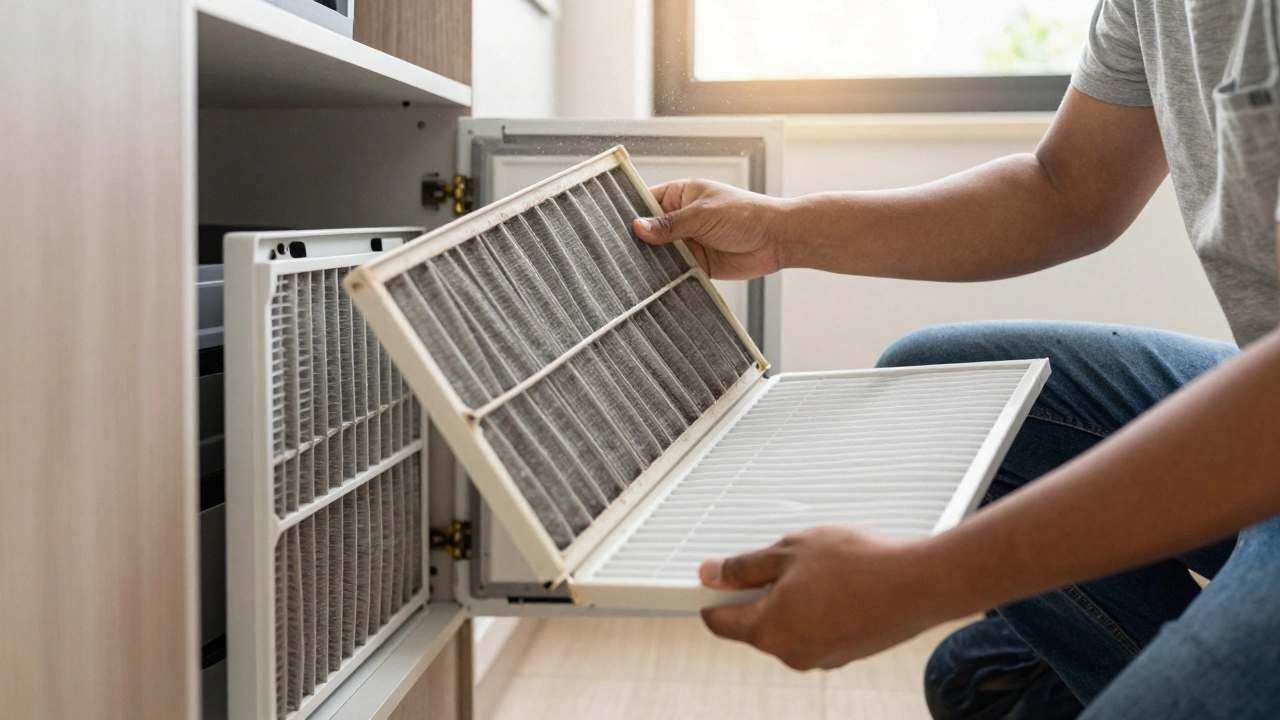
For 90% of homes, the "air filter" refers to the panel or pleated filter inside your forced-air heating and cooling system. This is the big rectangular frame that sits in the ductwork. Its job is to catch dust, pollen, pet dander, and other debris before they circulate through your vents or clog up your expensive furnace and air conditioner coils.
This filter is critical. If it gets too dirty, your system has to work harder to push air through. That means your electric bill goes up, and your equipment wears out faster. In extreme cases, a blocked filter can cause your heat exchanger to crack or your AC coil to freeze solid.
You typically find this filter in one of three places:
- In the return air grille: Look at the large vent on your wall or ceiling where air sucks back into the system. Some grilles have a slot behind them where the filter slides in. You might see a small arrow indicating airflow direction.
- In the return air duct: Follow the large duct from the return grille. There is often a metal access panel with screws or latches. Open it, and you will see the filter sitting right there.
- Inside the furnace or air handler cabinet: If you don't see it in the ducts, open the front door of your furnace unit. The filter usually slides into a slot near the blower motor.
Once you find it, check the label. It will list the dimensions (like 16x25x1) and the MERV rating. Write these down. When you buy a replacement, match these numbers exactly. A filter that is slightly smaller will let unfiltered air bypass the media. A filter that is too thick won't fit the slot.
The Second Filter: Is It Really an Air Filter?
So, where does the idea of "two filters" come from? Usually, people are confusing the main HVAC filter with a different component. Here are the most common culprits.
1. The Refrigerator Filter
If you have a newer fridge with a water dispenser or ice maker, it has a water filter. Sometimes people call this an "air filter" by mistake because it’s hidden in the kitchen cabinetry. But this filters water, not air. Don't mix them up.
2. Range Hood Filters
Kitchen range hoods have grease filters. These are metal mesh screens that catch cooking oils. They need cleaning, but they are not part of your home's breathing system. They protect your hood fan, not your lungs.
3. Bathroom Exhaust Fan Filters
Most bathroom fans do not have replaceable filters. They just pull moist air outside. If yours has a mesh screen, it is likely just to keep bugs out, not to filter fine particles. You can wash it, but you don't replace it like an HVAC filter.
4. Standalone Air Purifiers
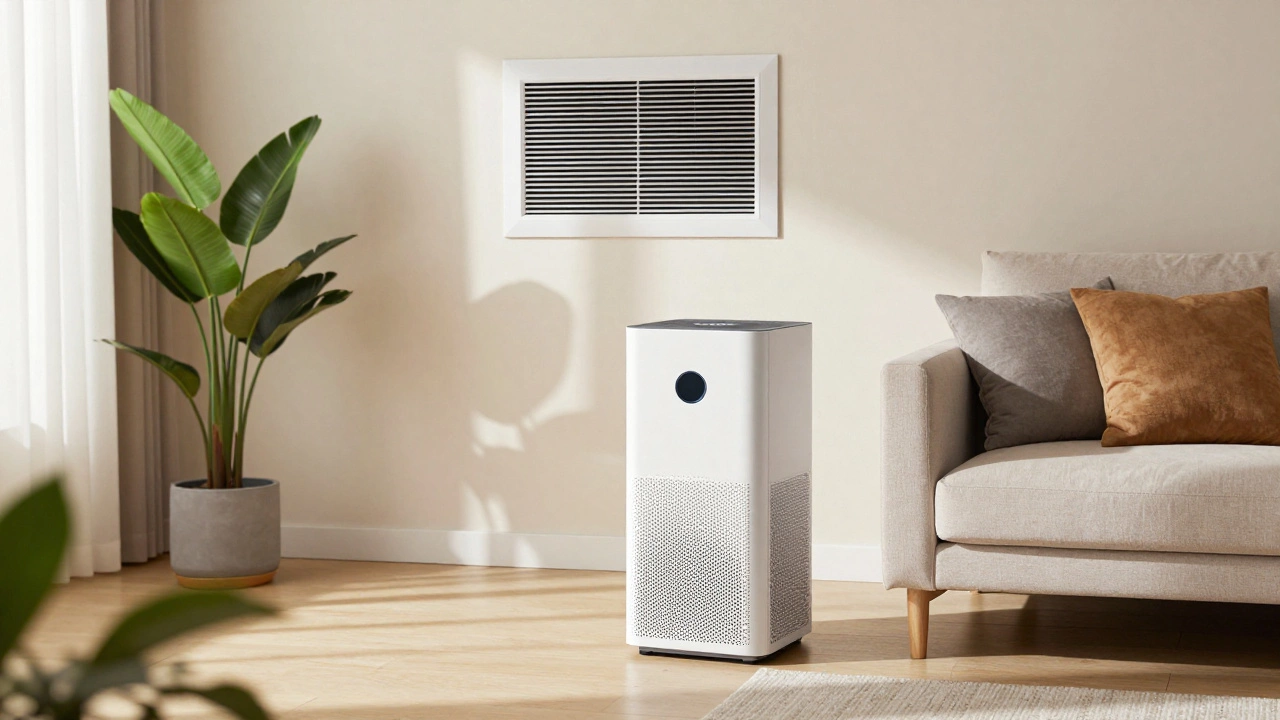
This is the most likely reason you might actually have a second filter. If you bought a portable air purifier for your bedroom or living room, it has its own HEPA or carbon filter. This device runs independently of your central HVAC system. It recirculates the air in that specific room. So, yes, you now have two filters to maintain: one for the whole house (HVAC) and one for the specific room (purifier).
5. Return Grille Pre-Filters
Some older homes have a thin, disposable foam or fiberglass mat attached directly to the return air grille on the wall. This acts as a pre-filter to catch large debris like hair or lint before it hits the main filter. If you have this, you technically have two layers of filtration. The pre-filter needs replacing every month or so, while the main filter lasts longer. Check your return vents. If you see a loose mesh screen that isn't part of the grille itself, that’s your pre-filter.
Why Location Matters: Upstream vs. Downstream
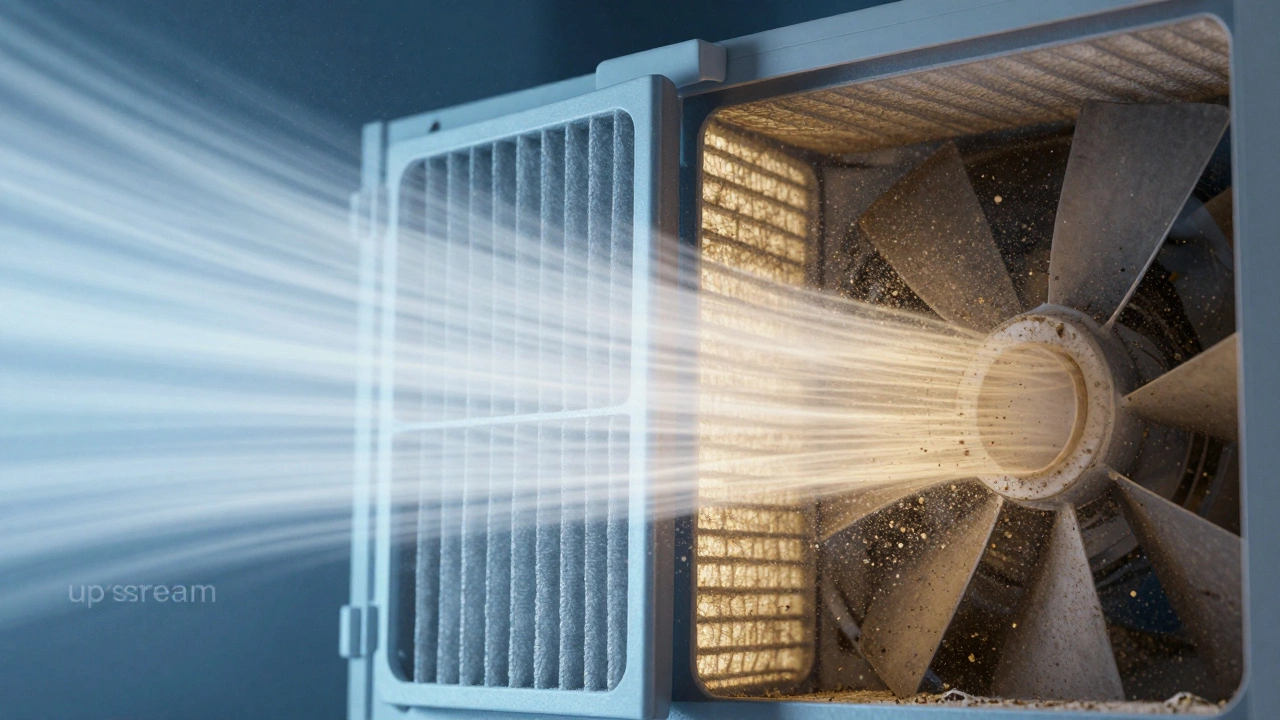
Understanding where your filter sits helps you maintain it better. The filter should always be "upstream" of the blower motor. This means the air passes through the filter *before* hitting the fan blades.
If the filter is downstream (after the fan), the fan pulls dirty air over its bearings and motor. This causes premature wear. Also, placing the filter upstream ensures that the entire volume of air moving through the system gets cleaned. If you put a filter in the supply vent (where air comes out), it does almost nothing for air quality and can actually restrict airflow dangerously.
Pro tip: Use a piece of white tissue paper. Turn on your system. Hold the tissue against the return grille. If it sticks firmly, your system is pulling air correctly. If it flutters loosely, you might have a duct leak or a closed damper somewhere.
How Often Should You Change Them?
There is no single rule. It depends on your lifestyle and environment. Here is a practical guide:
| Household Type | Filter Thickness | Replacement Frequency |
|---|---|---|
| Single person, no pets, clean area | 1 inch (standard) | Every 90 days |
| Two people, one pet, average dust | 1 inch (standard) | Every 60 days |
| Multiple pets, smokers, high traffic | 1 inch (standard) | Every 30-45 days |
| Any household | 4-5 inches (pleated/media) | Every 6-12 months |
Thicker filters (4 to 5 inches) hold more dirt and last longer, but they cost more upfront. Standard 1-inch filters are cheap but fill up fast. If you have allergies, stick to the shorter schedule. Better yet, set a reminder on your phone for every 60 days. Take a picture of the filter when you install it. Compare it to the new one next time. If it looks grey and matted, it’s time.
MERV Ratings: Higher Isn't Always Better
You will see numbers like MERV 8, MERV 11, or MERV 13 on the box. MERV stands for Minimum Efficiency Reporting Value. It tells you how well the filter catches particles.
- MERV 1-4: Basic protection. Catches large particles like pollen and carpet fibers. Cheap, but not great for allergies.
- MERV 5-8: Good for standard homes. Catches mold spores, dust mites, and lead particles. This is the sweet spot for most furnaces.
- MERV 9-12: High efficiency. Catches bacteria, smoke, and virus carriers. Great for allergy sufferers.
- MERV 13-16: Hospital-grade. Catches tiny particles like tobacco smoke and cold viruses. However, these filters are dense. They restrict airflow significantly.
Warning: Do not jump from MERV 8 to MERV 13 without checking your system. High-MERV filters create resistance. Your blower motor might struggle, leading to overheating or frozen AC coils. If you want higher filtration, consider upgrading to a thicker 4-inch media filter instead of cramming a dense 1-inch filter into your slot.
Signs Your Filter Needs Immediate Attention
Don't wait for the calendar. Watch for these signs:
- Increased Dust: If you are dusting more than usual, your filter is saturated and letting particles through.
- Weak Airflow: Feel the vents. If the air feels weak compared to last month, the filter is clogged.
- Strange Noises: Whistling or rattling sounds from the ducts can indicate restricted airflow.
- Higher Energy Bills: A sudden spike in electricity usage during mild weather suggests your system is working overtime.
- Allergy Symptoms: If your family’s allergies worsen indoors, check the filter. It might be harboring mold or bacteria.
DIY Maintenance Tips
Changing the filter is easy, but doing it right matters. Always turn off the system before removing the filter. This prevents loose debris from getting sucked into the blower motor. Note the airflow arrow on the frame. Install the new filter with the arrow pointing toward the blower motor (usually into the furnace). If you install it backward, the filter material can blow apart, sending insulation fibers into your ducts.
If you have a pre-filter on the return grille, vacuum it first. Then replace the main filter. This extends the life of the main filter by catching large debris early.
Finally, seal any gaps around the filter slot with foam tape. Bypassed air-air that flows around the filter instead of through it-defeats the purpose entirely. Even a small gap can reduce filtration efficiency by 50%.
Can I wash my HVAC air filter?
Only if it is specifically labeled as "washable" or "permanent." Most standard fiberglass and pleated filters are disposable. Washing them destroys the electrostatic charge that traps particles and can warp the frame. If you have a reusable metal mesh filter, wash it with soap and water, let it dry completely, and reinstall.
What happens if I forget to change my air filter?
Your system will lose efficiency. The blower motor works harder, increasing energy costs. Dust and debris can clog the evaporator coil, causing it to freeze. In heating mode, a restricted filter can cause the heat exchanger to overheat and potentially crack, which is a safety hazard due to carbon monoxide leaks.
Should I use a MERV 13 filter in my home?
Check your furnace manual first. Many residential systems are designed for MERV 8 or lower. Using a MERV 13 filter can restrict airflow too much, damaging the blower motor or freezing the AC coil. If you need high-efficiency filtration, consider installing a dedicated air purifier or upgrading to a thicker 4-inch media filter that handles airflow better.
Where is the second filter if I have a dual-furnace system?
If your home is split into two zones with separate furnaces or air handlers, each unit has its own filter. You will need to locate and replace both. This is common in large homes or those with add-on wings. Check the mechanical room or closets for multiple units.
Does the filter size matter if it fits loosely?
Yes. If the filter is too small, unfiltered air will bypass it through the gaps. This defeats the purpose and allows dust to enter your system. Measure the actual slot width and height, not just the old filter. Buy a filter that matches the slot dimensions exactly. Use foam tape to seal any minor gaps.