Ever driven in the rain and felt like your windshield wipers are fighting you instead of clearing the glass? That smear across your view isn’t just annoying-it’s dangerous. If you can’t see clearly, you’re driving blind. And most people wait too long to replace their wipers. By the time they notice the streaks, they’re already compromising safety.
Look for streaks and smears
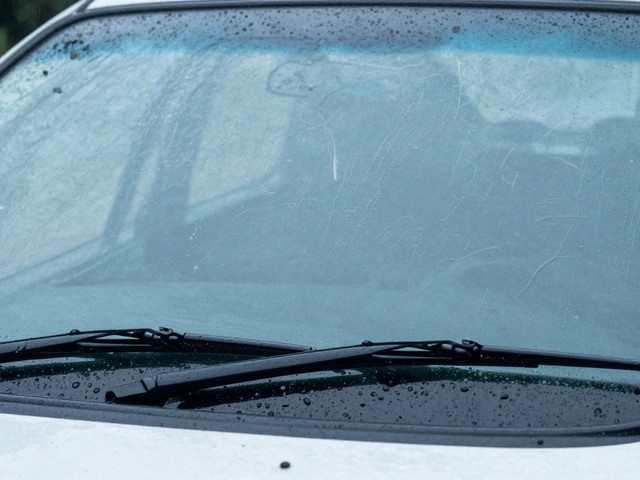
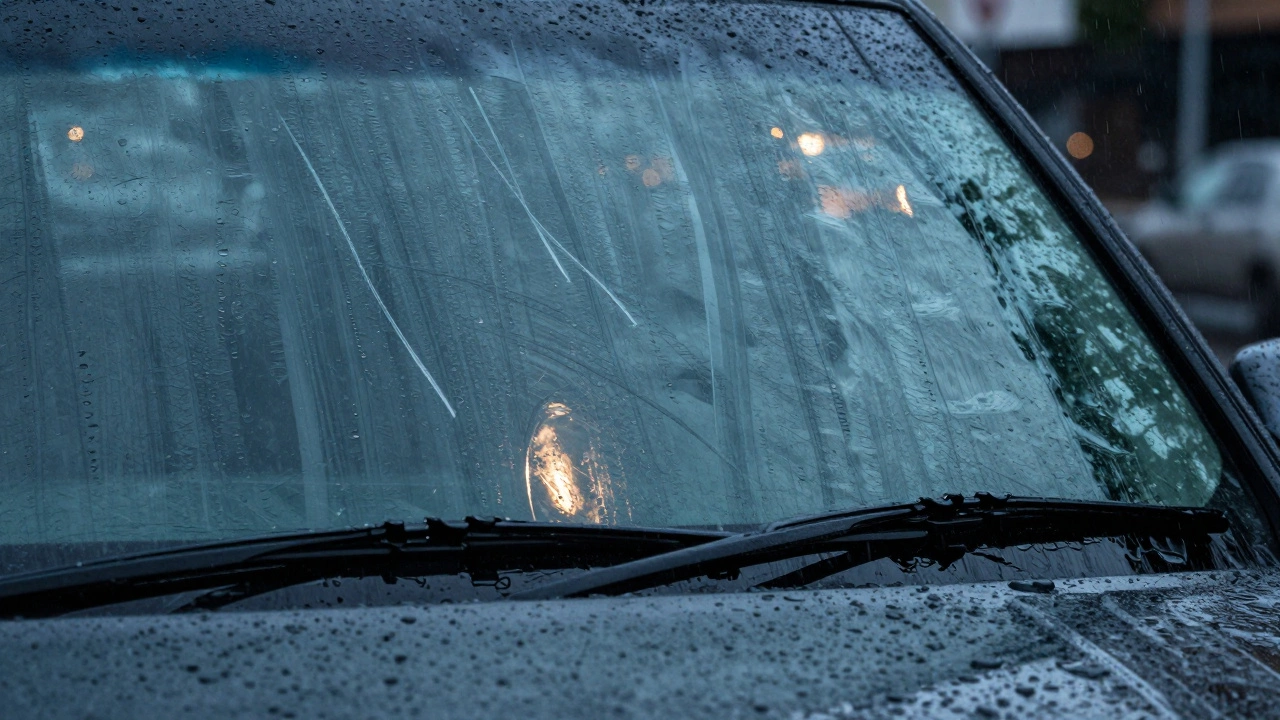
The first sign your wipers are done is streaking. You turn them on, and instead of a clean swipe, you get cloudy patches, hazy lines, or rainbow-like smears. This happens because the rubber edge has cracked, hardened, or peeled away from the metal frame. It doesn’t matter if the blades still move-they’re no longer making full contact with the glass.
In Adelaide, where summer storms can hit fast and hard, a single bad swipe can turn a light drizzle into a dangerous blur. I’ve seen drivers pull over after a sudden downpour, only to realize their wipers left a foggy mess right across the center of their vision. That’s not a coincidence-it’s wear.
Listen for chattering or skipping
Wipers should glide smoothly. If they jump, skip, or make a chattering noise-like a rubber band snapping against glass-you’ve got a problem. This usually means the blade is warped, the spring tension is weak, or the rubber is dried out. It’s not just annoying; it’s a sign the blade is losing pressure evenly across the windshield.
Chattering often gets worse at higher speeds. On the Southern Expressway during a wet evening, I once watched a car ahead of me with wipers that sounded like a machine gun. The driver was squinting, adjusting the speed, trying to make the wipers work. By the time they pulled into a gas station, the blades were completely useless. That’s not a repair-it’s a safety fix.
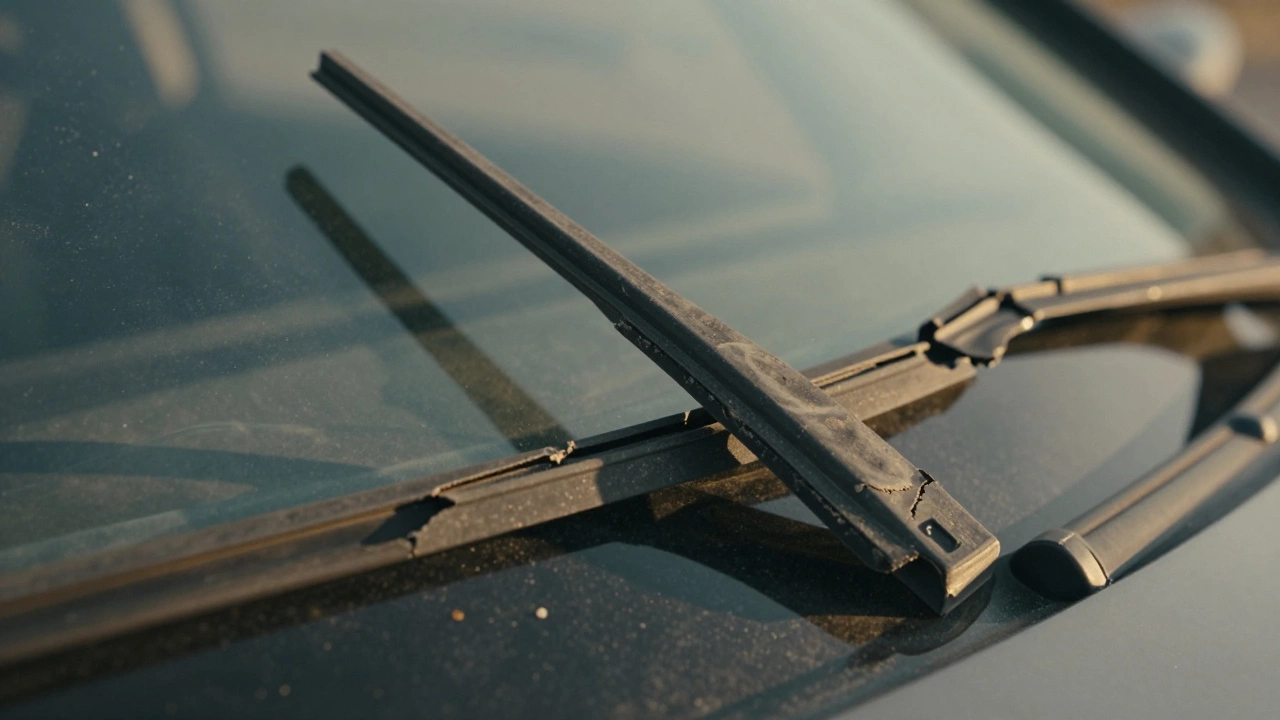
Check for cracked or brittle rubber
Take a minute, even on a sunny day, and lift the wiper arm away from the glass. Look closely at the rubber edge. Is it cracked? Flaking? Split? Hardened like old chewing gum? If so, it’s time to replace them. Rubber degrades from UV exposure, heat, and cold. In Australia, where summer temps regularly hit 40°C and winter nights drop below 5°C, wiper blades age faster than you think.
Most people don’t realize wipers don’t last years-they last seasons. Even if you haven’t used them much, the rubber is still breaking down. I’ve seen brand-new blades from last winter still fail in spring because they sat in the sun all season. Don’t wait for rain to test them. Check them now.
Notice missed spots
Good wipers clean the entire sweep area. Bad ones leave patches untouched-especially near the edges. If you see a clear strip on the driver’s side, or a gap near the top corner where the blade doesn’t reach, the frame is bent or the rubber is worn unevenly. This isn’t just about visibility-it’s about blind spots. One missed patch can hide a pedestrian, a cyclist, or a red light.
Some wipers are designed to cover 95% of the glass. If yours only clears 80%, you’re not just getting wet-you’re getting risky. Test this by turning on the wipers with a dry windshield. You’ll see exactly where they’re missing. If there’s any area untouched, replace them.
Watch for squeaking or sticking
When wipers stick or squeak as they move, it’s not just noise-it’s friction. That friction means the rubber isn’t gliding. It’s dragging. And dragging creates heat, which accelerates rubber degradation. It also puts extra strain on the wiper motor, which can lead to expensive repairs down the line.
Try this: spray a little windshield washer fluid on the glass and run the wipers. If they still squeak, the problem isn’t dirt-it’s the blade. Clean the glass won’t fix it. Only a new blade will.
Age matters more than you think
Most manufacturers say wiper blades last 6 to 12 months. That’s not a suggestion-it’s a deadline. Even if you live in a dry climate or rarely use them, the rubber is still breaking down. Sunlight, ozone, and temperature swings eat away at the material. I’ve replaced wipers on cars that had barely been driven in six months, and the blades were still cracked.
Don’t rely on mileage. Don’t wait for the rain to come. If it’s been more than a year since you changed them, they’re overdue. In Adelaide’s climate, six months is the safe window. Replace them in spring and again in autumn. That’s it. Two changes a year. Less than $30 total.
How to test your wipers right now
You don’t need tools or a garage. Just do this:
- Turn on the washer fluid and activate the wipers. Watch for streaks, smears, or skips.
- Turn them off and lift the blade away from the glass. Inspect the rubber for cracks, splits, or hardening.
- Run your finger along the rubber edge. If it feels rough, not smooth, it’s worn.
- Check the entire sweep area-do they clear the full width? Any untouched spots?
- If you’re unsure, spray water on the glass and wipe it with a clean cloth. Then turn on the wipers. If they leave a film, replace them.
Do this every three months. It takes 90 seconds. That’s less time than it takes to check your phone.
What happens if you wait too long
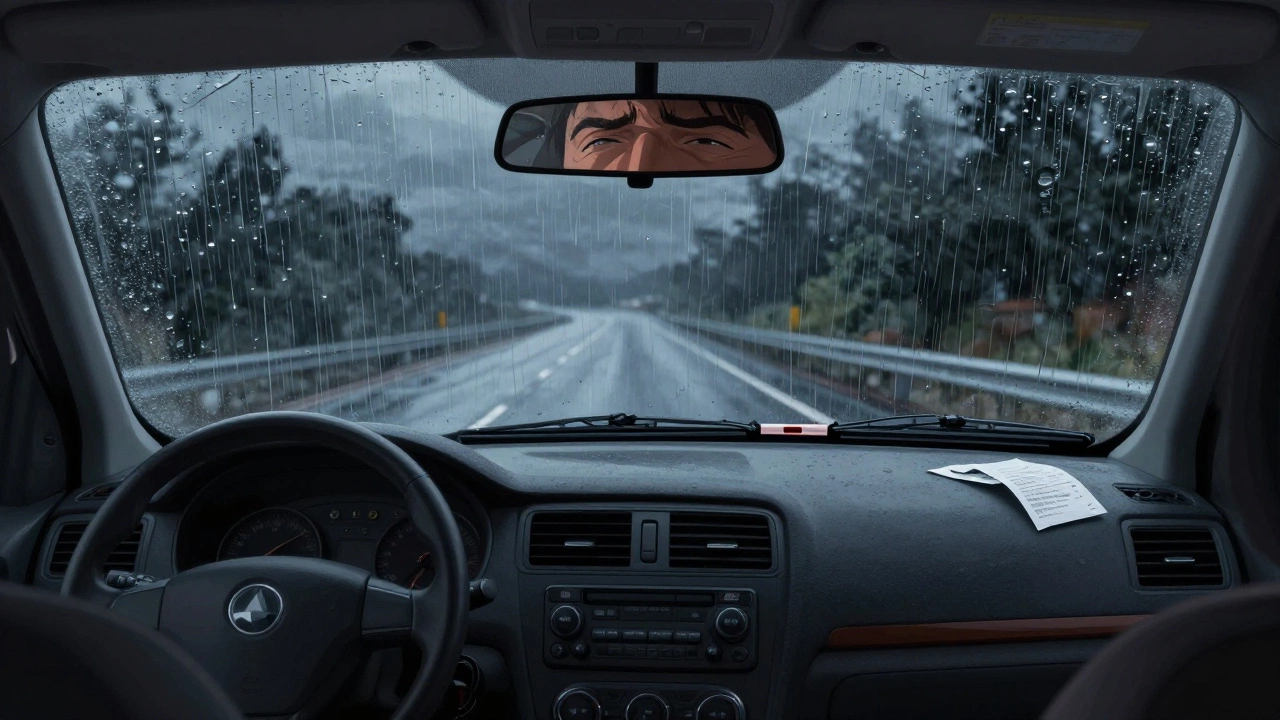
Waiting isn’t saving money-it’s risking lives. A worn wiper doesn’t just reduce visibility-it can scratch your windshield. The metal frame, exposed by cracked rubber, grinds against the glass. One bad storm, one high-speed drive, and you’re looking at a $400 windshield replacement.
And if you get caught in heavy rain with failed wipers? You’re not just delayed-you’re in danger. Studies show drivers with poor windshield visibility are 37% more likely to be involved in a crash during wet conditions. That’s not a small risk. That’s a life-changing one.
Choosing the right replacement
Not all wipers are the same. Look for ones with a beam-style frame. These have no metal arms-just a flexible spine that hugs the curve of your windshield evenly. They perform better in wind, snow, and rain. Avoid the cheapest ones-they’re often made with low-grade rubber that cracks in months.
Brands like Bosch, Rain-X Latitude, and Michelin are reliable. You can find them at any auto parts store in Adelaide-Supercheap Auto, Repco, or even Kmart. Spend $20-$35 for a pair. It’s cheaper than a traffic fine or a dent from an accident you couldn’t see coming.
Replace them yourself
Changing wipers takes five minutes. No tools needed. Most blades click off and on. Just lift the arm, press the release tab, slide the old blade out, slide the new one in until it clicks. Then lower the arm gently back onto the glass.
Don’t let anyone talk you into paying $50 for labor. You don’t need it. Watch a 60-second YouTube video if you’re unsure. It’s not rocket science. It’s rubber and metal.
When to replace them
Replace your windshield wipers:
- Every 6 to 12 months, no exceptions
- After a major storm or hail event
- If you notice any streaking, chattering, or missed spots
- Before winter or the wet season starts
- If the rubber feels hard or looks cracked
Don’t wait for the rain. Don’t wait for the warning light. There isn’t one. Your eyes are the only warning system you’ve got. If you can’t see clearly, your wipers are failing. Replace them before the next drop falls.
How often should I replace my windshield wipers?
Replace them every 6 to 12 months, even if they still seem to work. Rubber degrades from sun, heat, and cold-especially in Australia’s climate. Waiting until they fail means you’re already driving at risk.
Can I clean my wiper blades instead of replacing them?
Cleaning can help temporarily if the blades are just dirty, not worn. Wipe the rubber edge with rubbing alcohol and a clean cloth. But if the rubber is cracked, hardened, or leaving streaks after cleaning, replacement is the only fix.
Why do my wipers leave streaks even after I clean the windshield?
Streaks after cleaning the glass mean the problem is with the wiper blade, not the windshield. The rubber edge is worn out and no longer makes proper contact. Cleaning the glass won’t fix a damaged blade.
Do expensive wiper blades last longer?
Not necessarily in lifespan, but they perform better. Premium blades use higher-grade rubber and better frame designs that resist warping and maintain pressure evenly. You’ll get clearer vision, less noise, and fewer streaks-especially in heavy rain or wind.
Can worn wipers damage my windshield?
Yes. When the rubber wears away, the metal frame underneath can scrape against the glass. This creates fine scratches that reduce visibility and weaken the windshield. Repairing those scratches costs hundreds-replacing wipers costs less than $30.