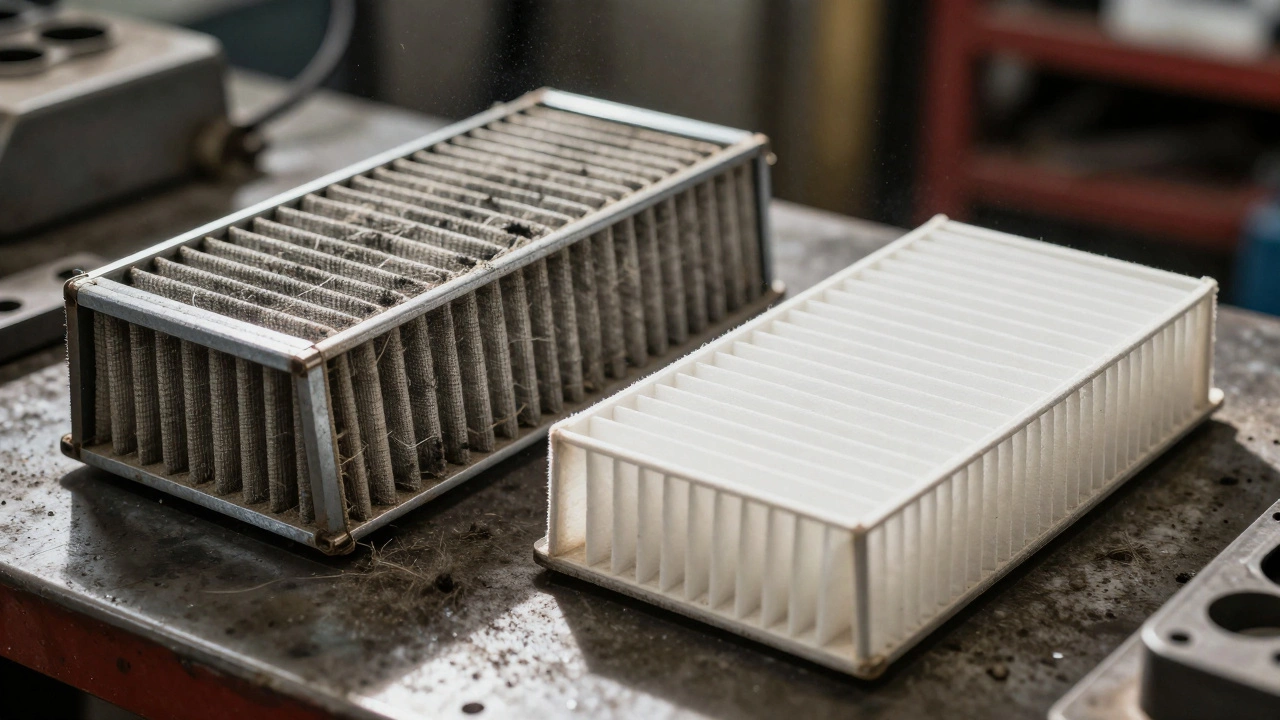
Air Filters: What They Do, How They Work, and Which One Fits Your Car
When you think of air filters, devices that trap dirt and debris before they enter your vehicle’s engine or cabin. Also known as air cleaners, they’re one of the simplest parts with the biggest impact on performance and health. A dirty or wrong air filter doesn’t just reduce power—it can cost you fuel, trigger engine damage, or make your breath feel like you’re driving through dust.
There are two main types you need to know: the engine air filter, which protects your engine from sand, pollen, and debris sucked in through the intake, and the cabin air filter, which cleans the air coming into your car’s interior through the HVAC system. They’re not interchangeable. The engine filter keeps your pistons and valves clean; the cabin filter stops allergens, smoke, and exhaust fumes from making your ride uncomfortable—or unhealthy. Many people replace the cabin filter once a year, but ignore the engine filter until their car starts running rough. That’s like waiting for a flat tire to change your oil.
Not all filters are made equal. A MERV 11 filter, a high-efficiency rating often used in home HVAC systems, might sound great for your car, but it can choke your engine if it’s not designed for it. Too much restriction means less airflow, which hurts power and fuel economy. On the flip side, a cheap, low-density filter might let in too much dirt, wearing out your engine faster. The right filter balances cleanliness with airflow. It’s not about going the highest rated—it’s about matching what your car needs.
Signs you need a new air filter? Engine hesitation, reduced acceleration, or a check engine light that comes on without clear reason. For the cabin filter, if your vents start blowing dusty air, your windows fog up more than usual, or you sneeze every time you turn on the AC, it’s time to swap it. Most manufacturers say replace the engine filter every 15,000 to 30,000 miles, but if you drive on dirt roads or in heavy traffic, do it sooner. Cabin filters often need replacing every 12,000 to 15,000 miles—some even every 6 months in polluted cities.
What you’ll find below are real, tested insights from people who’ve been there: why upgrading your air filter doesn’t always mean more power, how a clogged cabin filter can make your AC work harder and waste fuel, and which filters actually work without breaking the bank. No fluff. No marketing hype. Just what matters when you’re trying to keep your car running clean and your lungs clear.