Not all air filters are the same. If you’ve ever looked under your hood or checked your owner’s manual and seen terms like engine air filter, cabin air filter, or particulate filter, you might wonder: what’s the real difference? And more importantly, which one does your car actually need? The answer isn’t just about keeping dust out-it’s about performance, health, and long-term engine life.
Engine Air Filter: The Lifeline of Your Engine
The engine air filter is the first line of defense for your car’s internal combustion system. It sits between the air intake and the engine, catching dirt, pollen, sand, and debris before they can enter the cylinders. Think of it like your lungs’ natural defense-but if this filter clogs or fails, your engine starts choking.
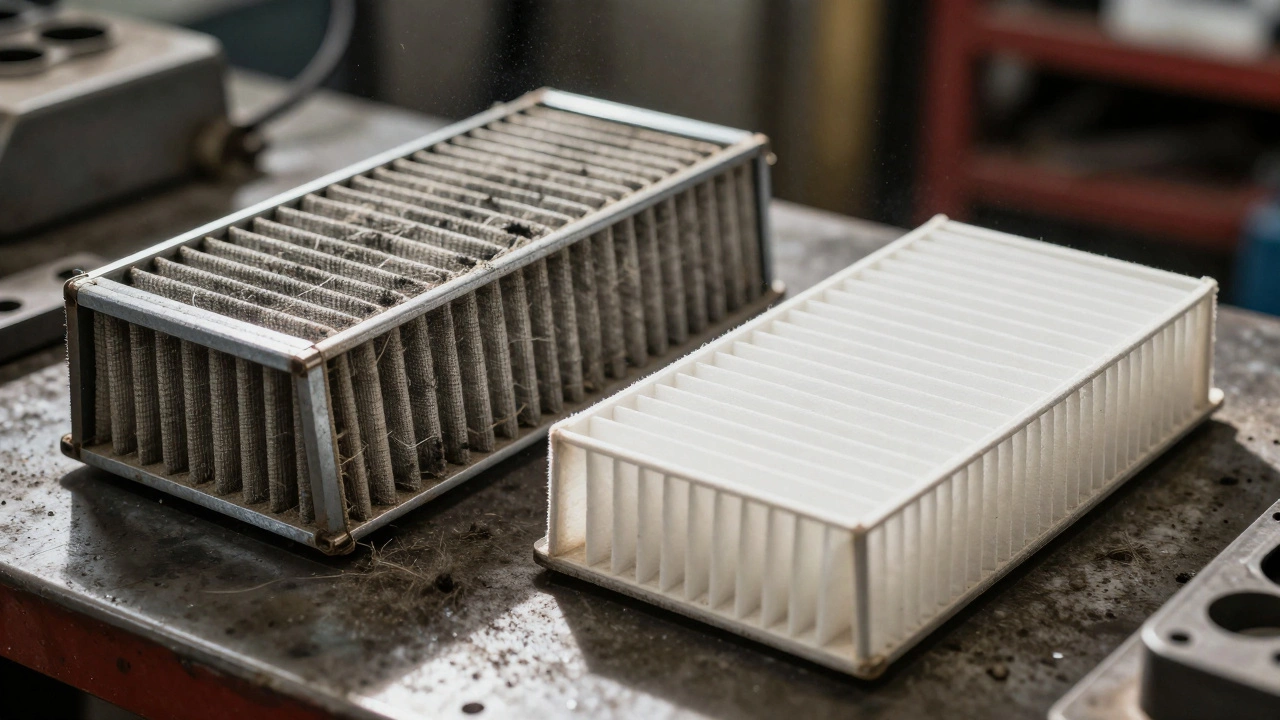
Most modern cars use a dry paper filter. These are cheap, effective, and need replacing every 12,000 to 15,000 miles, or once a year, whichever comes first. Some performance vehicles or off-road trucks use oiled cotton gauze filters-these are reusable, washable, and offer less airflow restriction. But they’re not for everyone. If you drive mostly on paved roads in a city, a paper filter is more than enough.
What happens when you skip replacing it? Reduced airflow means the engine works harder. That leads to lower fuel efficiency-up to 10% loss in MPG, according to the U.S. Department of Energy. You might also notice sluggish acceleration or even a check engine light if the filter is completely blocked. In extreme cases, unfiltered debris can scratch cylinder walls, leading to expensive repairs.
Cabin Air Filter: Breathing Easy Inside the Car
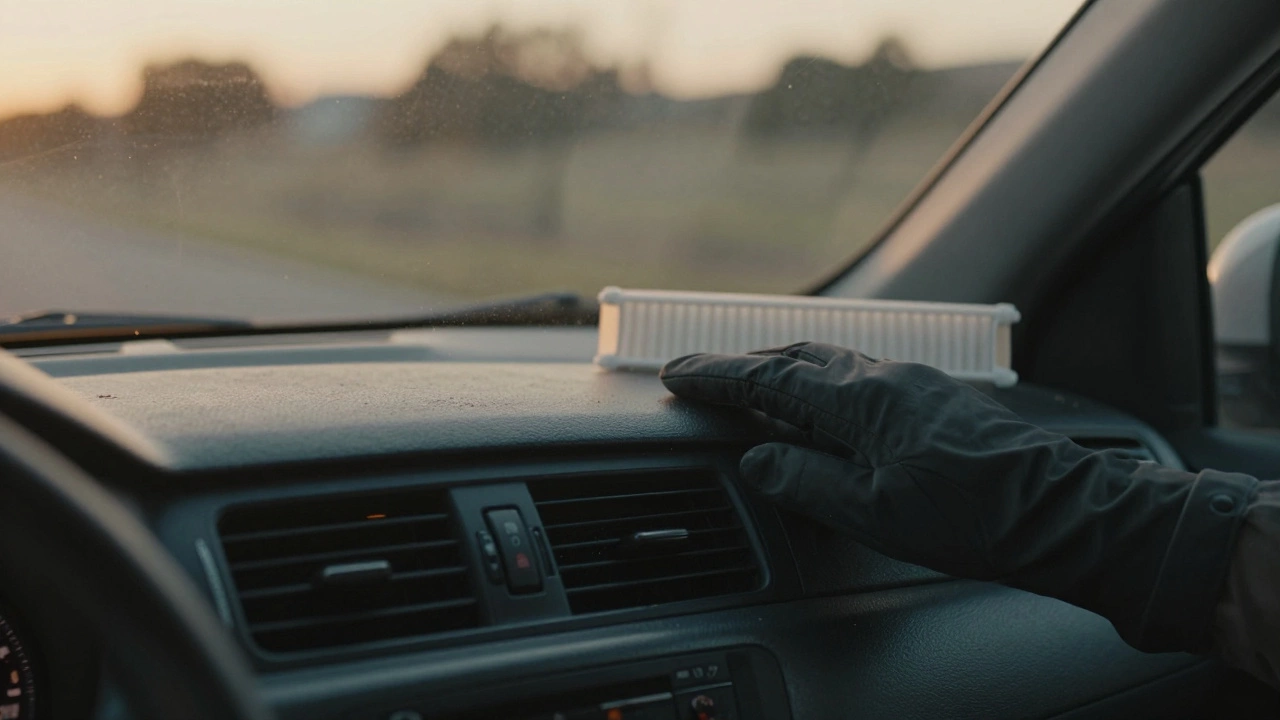
While the engine air filter protects the engine, the cabin air filter protects you. It’s located in the HVAC system, usually behind the glove box or under the dashboard. Its job? Clean the air that flows into your car’s interior when you turn on the AC or heater.
This filter traps pollen, mold spores, dust, exhaust fumes, and even some smoke particles. In cities with high pollution, like Adelaide during bushfire season, a clean cabin filter makes a huge difference. You’ll notice less sneezing, fewer headaches, and less fogging on the windows.
Most cabin filters are made of pleated paper or synthetic media. Some higher-end models include activated carbon layers to absorb odors and gases-useful if you drive behind trucks or in heavy traffic. These filters should be replaced every 15,000 to 25,000 miles, or annually if you drive in dusty or polluted areas. Skip it, and you’ll start smelling musty air, or worse, your AC vents might blow out visible dust.
Fun fact: Many drivers don’t even know their car has a cabin filter. Check your owner’s manual-it’s often listed under “HVAC maintenance.” If you can’t find it, a mechanic can show you in under five minutes.
Particulate Filters: For Modern Diesel and Gasoline Engines
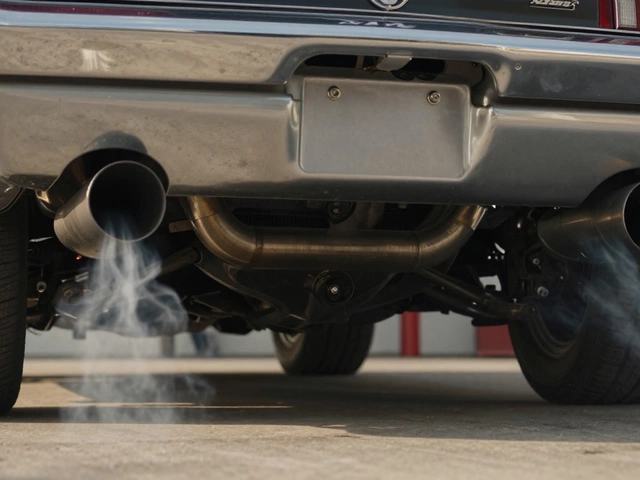
If you drive a newer diesel vehicle-or even a gasoline car made after 2018-you likely have a third type: the gasoline particulate filter (GPF) or diesel particulate filter (DPF). These are part of the exhaust system, not the intake. Their purpose? Capture soot and fine particles that come out of the tailpipe.
Regulations in Australia, the EU, and the U.S. now require these filters to meet strict emissions standards. A DPF can trap over 90% of soot particles. But they don’t last forever. They regenerate-burning off built-up soot at high temperatures during highway driving. If you mostly drive short trips in the city, the filter won’t get hot enough to clean itself. That’s when the dashboard warning light comes on.
Ignoring a clogged DPF or GPF can lead to serious problems: loss of power, fuel economy drops, or even engine shutdown. Replacing one costs between $1,500 and $3,000. Regular highway driving helps, but if you’re a city driver, you may need a professional cleaning or forced regeneration every 60,000 to 80,000 miles.
Not all cars have these. Older models, basic economy cars, and most petrol vehicles made before 2014 usually don’t. But if your car was made after 2018 and has a “diesel” badge or a “GPF” mention in the manual, you’re dealing with this third type.
How to Tell Which Filter You Need
Here’s a simple way to know what’s under your hood:
- If you’re worried about engine performance, fuel economy, or acceleration → check the engine air filter.
- If you’re sneezing in the car, smelling stale air, or getting headaches during commutes → check the cabin air filter.
- If your dashboard shows a warning light about emissions, power loss, or regeneration issues → check the particulate filter (DPF/GPF).
You can also look up your exact make and model online. Sites like RockAuto or AutoZone let you search by year, make, and model and show exactly which filters your car uses. Many auto parts stores even offer free filter checks if you bring your car in.
What Happens If You Mix Them Up?
Some people try to use a cabin filter in the engine bay-or worse, install an engine filter in the HVAC system. That’s a bad idea. They’re designed for completely different airflow pressures and particle sizes. A cabin filter is too fine to handle the volume of air going into the engine. It’ll choke the system. An engine filter won’t trap the tiny allergens that irritate your lungs.
Always use the filter designed for its specific location. Using the wrong one won’t just fail to do its job-it can damage your car.
When to Replace Each Filter
Here’s a quick reference for replacement intervals based on real-world driving in Australia:
| Filter Type | Standard Replacement Interval | Heavy-Duty Use (dusty, polluted, off-road) |
|---|---|---|
| Engine Air Filter | 12,000-15,000 miles or 12 months | 6,000-8,000 miles or 6 months |
| Cabin Air Filter | 15,000-25,000 miles or 12 months | 8,000-12,000 miles or 6 months |
| Particulate Filter (DPF/GPF) | 60,000-80,000 miles (cleaning), 100,000+ miles (replacement) | Check every 30,000 miles; professional cleaning recommended |
Keep a log. Write down the date you replace each filter. It’s easy to forget, especially with cabin filters-they’re out of sight, out of mind.

Pro Tips for Australian Drivers
Adelaide summers mean dust storms. The Outback? Even worse. If you drive on gravel roads, near construction zones, or through bushfire smoke:
- Check your engine air filter every 3 months during peak dust season.
- Upgrade to a high-efficiency cabin filter with activated carbon if you commute daily.
- Avoid idling for long periods-this clogs DPFs faster.
- Use fuel with detergent additives to help keep exhaust systems cleaner.
And don’t be fooled by “lifetime” filters. Even reusable cotton filters need cleaning. They don’t last forever.
Frequently Asked Questions
Can I clean and reuse my engine air filter?
Only if it’s a reusable performance filter made of cotton gauze. Standard paper filters can’t be cleaned-they fall apart. Reusable filters require special cleaning kits and proper drying. Don’t use water and soap on them. Always follow the manufacturer’s instructions.
Do I need a cabin air filter if I don’t use the AC?
Yes. Even when you’re not using the AC, air still flows through the HVAC system when you use the heater or vent mode. The cabin filter is always active. Skipping it means you’re breathing unfiltered air, no matter what setting you choose.
Why does my car smell like mildew when I turn on the AC?
That’s usually a sign your cabin air filter is clogged with mold or moisture. It’s not the AC unit itself-it’s the filter trapping dirt and dampness. Replace it, then run the fan on high without AC for 10 minutes to dry the system. If the smell returns, you may need a professional HVAC cleaning.
Can a bad air filter cause the check engine light to come on?
Yes, especially the engine air filter. A severely clogged filter reduces airflow, which throws off the air-fuel ratio. The engine control unit detects this and triggers a P0171 or P0174 code (lean condition). Replacing the filter often fixes it. But if the light stays on, there’s another issue.
Are aftermarket air filters worth it?
For most drivers, no. High-flow filters promise more power, but real-world gains are tiny-often less than 1% on a stock engine. They’re more expensive and require maintenance. Stick with OEM or trusted brands like K&N or Mann-Filter. Save your money for brake pads or tires.
Next Steps
If you’re unsure which filter your car needs, start here: open your glove box and look for a rectangular plastic housing behind it. That’s your cabin filter. Pop the hood and find a black plastic box connected to a large tube-that’s your engine air filter. If your car is a diesel or post-2018 model and has a warning light about emissions, get the particulate filter checked.
Replacing these filters takes 10 to 20 minutes. You don’t need special tools. A new engine filter costs $15-$30. A cabin filter is $20-$40. A DPF replacement? That’s a job for the pros-and expensive. Prevent it by staying on schedule.
Your car doesn’t need fancy upgrades. It just needs clean air.