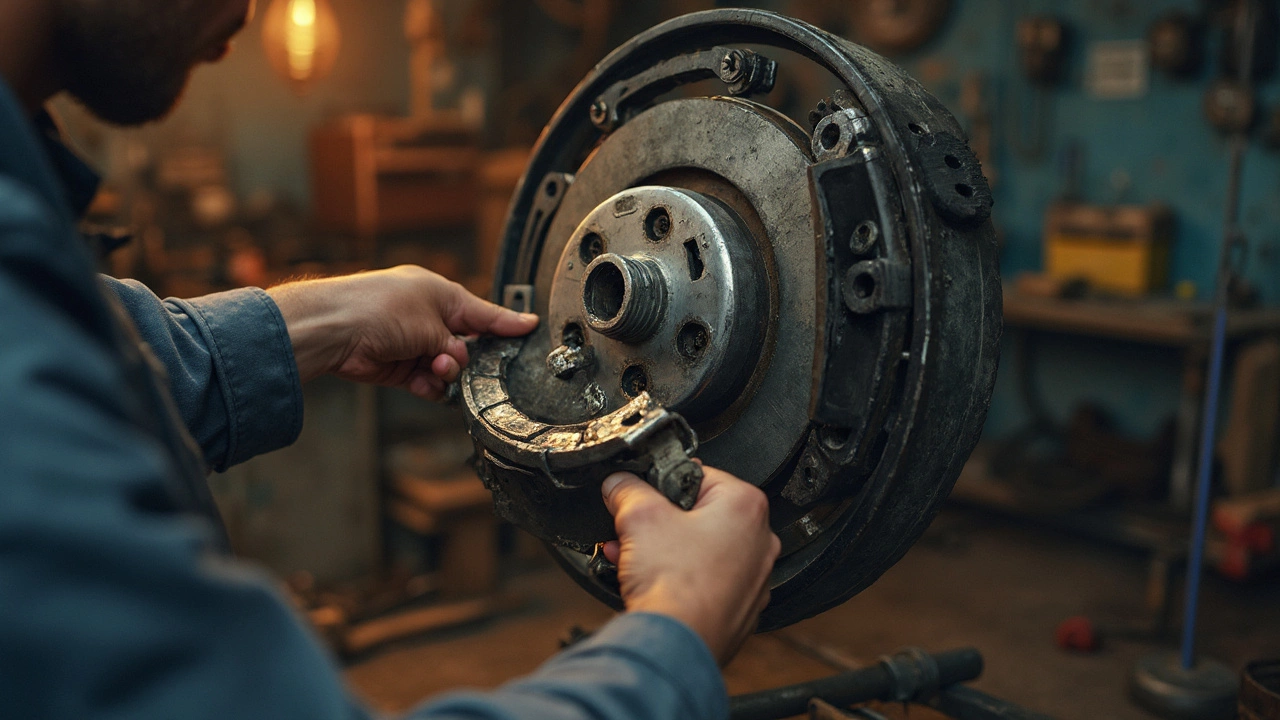
Brake Discs: What They Are, How They Wear, and When to Replace Them
When you press the brake pedal, the real work happens at the brake discs, metal rotors that spin with your wheels and slow down when clamped by brake pads. Also known as rotors, these components turn your car’s motion into heat through friction—making them one of the most important safety parts on your vehicle. Many drivers think brake pads are the only part that wears out, but brake discs don’t last forever. Over time, they get scored, warped, or thinner from constant use. If you hear a grinding noise or feel vibration when braking, it’s not just the pads—it’s likely the discs too.
Brake discs work hand-in-hand with brake pads, the friction material that presses against the discs to stop the car. Replacing pads without checking the discs is like putting new tires on a bent rim—it might seem fine at first, but it won’t last, and it’s unsafe. A warped disc can cause pulsing brakes, uneven pad wear, and even brake failure. And if your discs are worn below the manufacturer’s minimum thickness, they can crack under pressure. Brake system, the full assembly that includes discs, pads, calipers, and fluid needs to be treated as a unit, not a collection of replaceable parts.
Driving habits matter. Heavy braking in city traffic, towing, or driving down steep hills heats up the discs faster. Some discs are made from cast iron for durability; others use ventilated designs to cool better. High-performance cars might have slotted or drilled discs to handle more heat, but those aren’t always better for daily driving. The key is matching the disc to your用车 style—not just your car’s make and model.
There’s no fixed mileage for replacing brake discs—they depend on how you drive, where you live, and what kind of pads you use. But if your pads are worn out and you haven’t checked the discs in the last 20,000 miles, it’s time. Look for deep grooves, bluish discoloration, or visible cracks. A mechanic can measure thickness with a micrometer, but you can spot major damage just by looking. Don’t wait until the noise turns into a metal-on-metal scream—that’s when you risk damaging the calipers and spending way more.
The posts below cover everything from how to tell if your brake discs are failing, why replacing pads alone is risky, and what signs you should never ignore. You’ll find real-world advice on brake maintenance, common mistakes, and how to avoid costly repairs. Whether you’re checking your brakes yourself or getting them serviced, this collection gives you the facts you need to stay safe on the road.