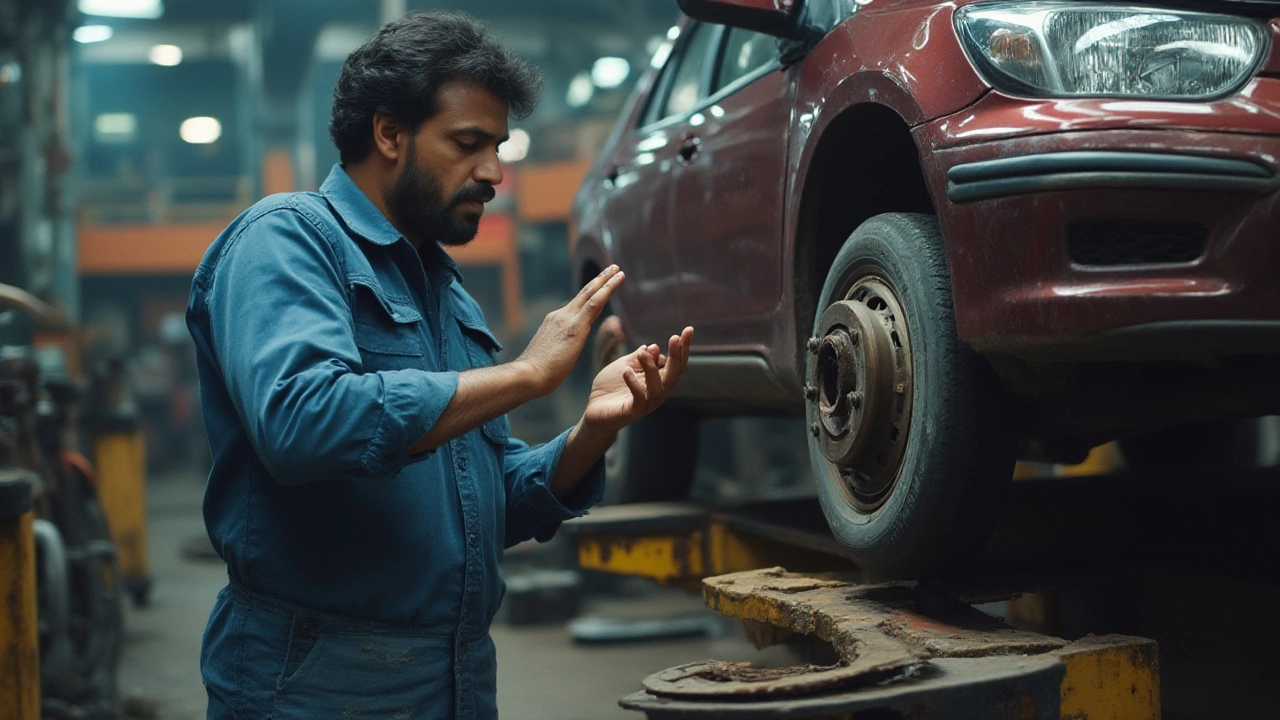
Brake Pads vs Rotors: Dangers of Skipping Rotor Turning for Brake Performance
Wondering if you can skip turning rotors when replacing brake pads? Get the facts, risks, and pro tips on brake repair to keep your car stopping safely.
View moreWhen it comes to your car’s safety, nothing matters more than brake performance, how effectively your vehicle slows down or stops under pressure. Also known as stopping power, it’s not just about pressing a pedal—it’s about the whole system working together: pads, rotors, fluid, and calipers. A weak brake response isn’t just annoying—it’s dangerous. You might think your brakes are fine until you feel the pedal go soft, hear a screech, or notice it takes longer to stop. That’s not normal. That’s a warning.
Brake performance depends on more than just the pads. brake rotors, the metal discs the pads clamp onto wear down too. If they’re warped or too thin, even new pads won’t help. Then there’s brake fluid, the hydraulic liquid that transfers force from your foot to the brakes. Old or contaminated fluid can make your pedal feel spongy, even if everything else looks good. And don’t forget brake wear signs, the audible and physical clues your car gives you before failure: squealing, grinding, vibration, or the car pulling to one side. These aren’t myths—they’re real signals.
Most people wait until something breaks before they act. But smart drivers check their brakes before they fail. You don’t need a mechanic to spot early signs. Listen when you brake. Feel for pulsing in the pedal. Watch your stopping distance. A pad that’s worn to 2mm won’t stop you like one at 8mm. Rotors that are scored or uneven won’t grip properly. And if you’ve driven through deep water or heavy rain, moisture can reduce performance instantly. Replacing brake pads alone might seem like a fix, but if the rotors are damaged, you’re just delaying a bigger, costlier problem.
This collection of posts gives you real, no-fluff advice on what actually affects brake performance. You’ll find out when to replace pads and rotors, why ignoring brake noise is risky, how driving habits wear them down faster, and what to do if your brakes feel off. No theory. No upsells. Just what works—based on what mechanics see every day. Whether you’re a daily commuter or someone who drives in tough conditions, knowing how your brakes behave could save your life.
Wondering if you can skip turning rotors when replacing brake pads? Get the facts, risks, and pro tips on brake repair to keep your car stopping safely.
View more