Brake Rotor Lifespan Calculator
Estimate how long your brake rotors will last based on your driving habits in Adelaide. Input your typical driving style to get a realistic lifespan range.
Brake rotors are one of those parts you don’t think about until they start screeching, shaking, or worse - until your stopping distance suddenly feels too long. If you’re wondering how long brake rotors last, the answer isn’t simple. It depends on your driving habits, your car, and where you live. In Adelaide, with its mix of city traffic, highway runs, and hilly suburbs like the Adelaide Hills, brake rotors don’t follow a one-size-fits-all timeline.
What Exactly Are Brake Rotors?
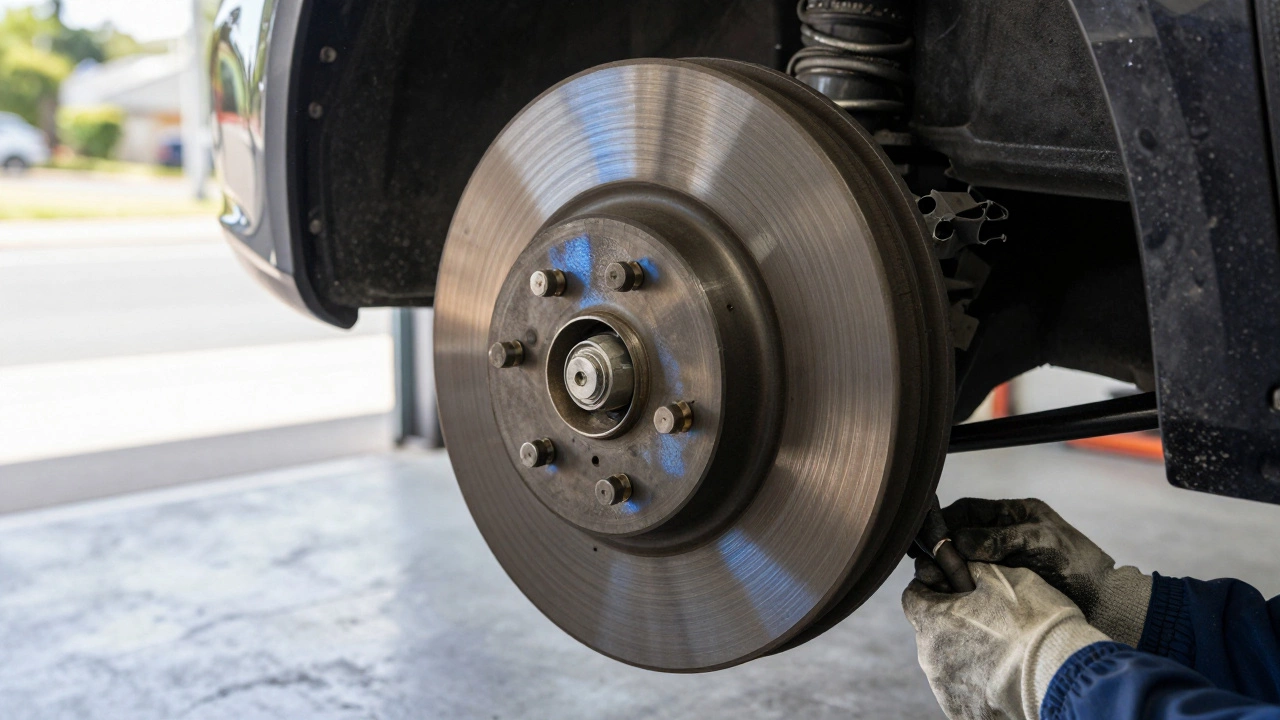
Brake rotors, also called brake discs, are the metal discs attached to each wheel hub. When you hit the brake pedal, the brake pads clamp down on the rotor, creating friction that slows your car. Over time, that friction wears down both the pads and the rotor. Rotors aren’t meant to last forever. They’re designed to be replaced, usually after a few sets of brake pads.
Most modern cars use cast iron rotors. They’re cheap, strong, and handle heat well - which is why they’re still the standard. Some performance or luxury vehicles use ventilated rotors with internal cooling channels, or even ceramic-coated ones for better heat resistance. But for the average driver, standard cast iron is what you’ll find.
Typical Lifespan: What the Numbers Say
Most manufacturers say brake rotors last between 50,000 and 70,000 miles (80,000 to 112,000 km). But that’s a ballpark. Real-world data from Australian mechanics shows a much wider range.
In Adelaide, drivers who mostly commute on the Southern Expressway and avoid heavy braking often see rotors last over 100,000 km. On the flip side, people who drive in stop-and-go traffic through the city centre, or regularly haul heavy loads, might need new rotors by 40,000 km.
Here’s a rough guide based on driving style:
- Light driving (highway-focused, gentle stops): 80,000 - 120,000 km
- Normal driving (mix of city and highway): 60,000 - 90,000 km
- Heavy driving (frequent stops, steep hills, towing): 30,000 - 50,000 km
These aren’t hard rules - just patterns we’ve seen over years of inspections at local workshops in Norwood and Unley.
What Kills Brake Rotors Faster?
Rotors don’t just wear down - they can be damaged. Here’s what to watch out for:
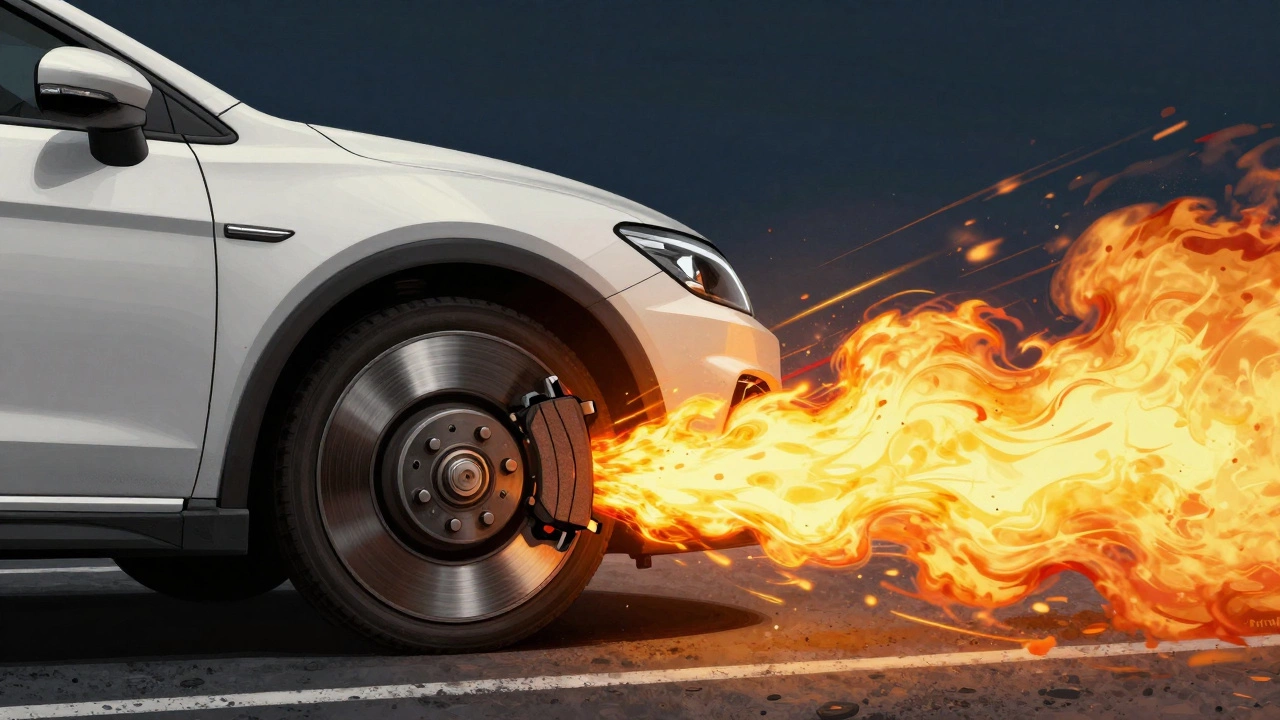
- Overheating: If you ride the brakes going down Mount Lofty or Mount Barker, the rotor can get so hot it warps. A warped rotor causes a pulsing feeling in the brake pedal. That’s not just annoying - it’s dangerous.
- Brake pad wear: When brake pads get too thin, the metal backing plate starts grinding into the rotor. This leaves deep grooves and can ruin the rotor in one go.
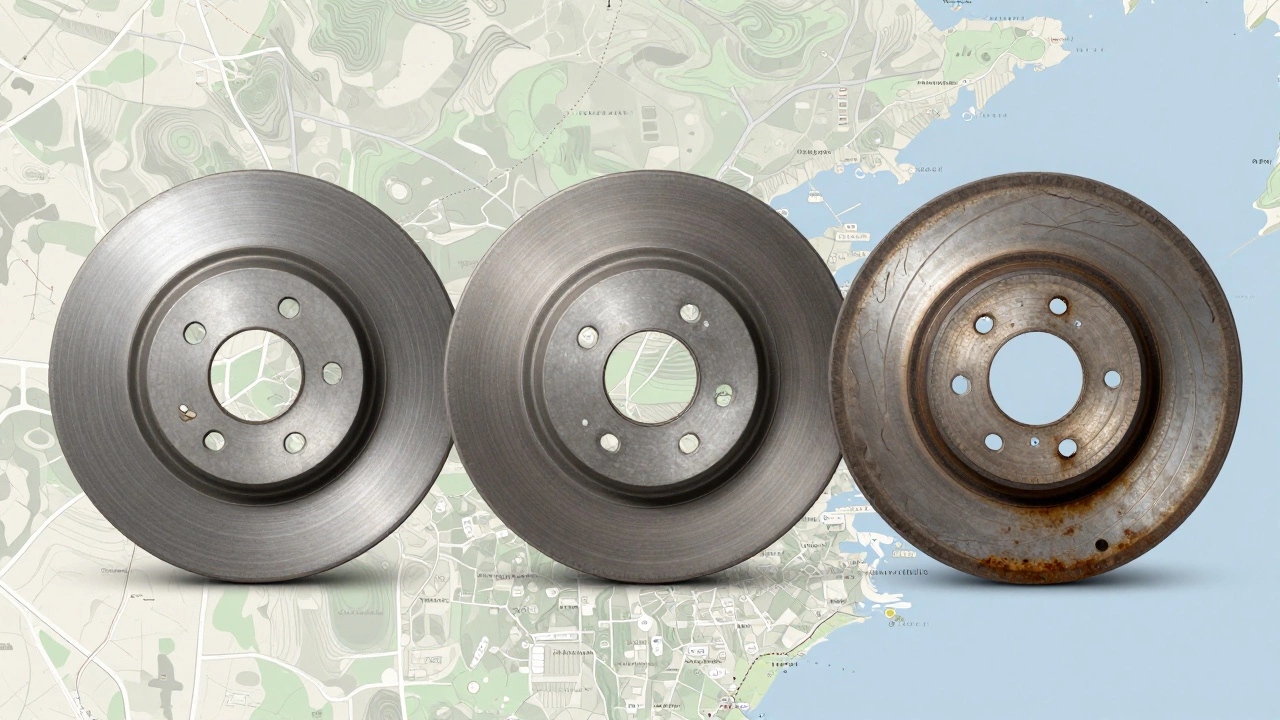
- Corrosion: Salt on roads in winter? Not a big issue here. But Adelaide’s coastal humidity, combined with road grime and brake dust, can cause surface rust. That’s normal. But if rust builds up under the edge of the rotor where the pad doesn’t contact, it can cause uneven wear.
- Low-quality parts: Cheap aftermarket rotors often use inferior metal. They wear faster and are more prone to cracking under heat stress.
One mechanic in Prospect told me he sees a rotor replaced every two weeks because the owner waited too long to change the pads. That’s avoidable.
Signs Your Rotors Need Replacing
You don’t need a diagnostic tool to know when your rotors are done. Here’s what to look for:
- Shaking or vibration when braking - especially at highway speeds. This usually means the rotor is warped.
- Deep grooves or scoring on the surface. If you can feel ridges with your finger, it’s time.
- Blue or discolored spots on the rotor. That’s a sign of extreme heat damage.
- Loud grinding - metal-on-metal sound. If you hear this, you’ve already damaged the rotor. Replace both rotors and pads immediately.
- Brake warning light on the dashboard. While this often points to pad wear, it can also signal rotor thickness below safe limits.
Don’t wait for the vibration to get bad. A warped rotor doesn’t just make braking uncomfortable - it reduces stopping power and puts extra strain on your brake calipers and hoses.
Should You Resurface or Replace?
Some shops will offer to “turn” or resurface your rotors - grinding them down to make them smooth again. It sounds cheaper, and sometimes it is. But here’s the catch: rotors have a minimum thickness stamped on them. If they’re already close to that limit, resurfacing removes even more material. That leaves you with a thin, weak rotor that overheats faster and fails sooner.
In Adelaide, most reputable mechanics won’t resurface rotors unless they’re still well above the minimum thickness. For most cars, if the rotors have over 60,000 km on them, replacement is the smarter choice. New rotors cost between $80 and $180 each, depending on the make. Labor is usually $100-$150 for the pair. It’s not cheap, but it’s cheaper than replacing calipers or brake lines because you waited too long.
How to Make Your Rotors Last Longer
There’s no magic trick, but you can stretch their life:
- Avoid riding the brakes on hills. Use engine braking by downshifting on steep descents.
- Don’t slam on the brakes from high speed unless you have to. Smooth, early braking keeps heat down.
- Check brake pads every 10,000 km. Replace them before they hit the wear indicator.
- Keep your wheels clean. Brake dust buildup can trap moisture and accelerate corrosion.
- Use quality pads. Cheap pads wear faster and often contain hard particles that score the rotor surface.
One driver I met in Unley replaced his pads every 30,000 km and never changed his rotors until 140,000 km. He used ceramic pads and drove gently. It’s possible.
What About Two-Piece Rotors or Upgrades?
Some people upgrade to slotted or drilled rotors thinking they’ll last longer. They won’t. In fact, drilled rotors can crack more easily under heavy use. Slotted rotors help clear gas and debris from the pad, which improves braking in wet conditions - but they wear pads faster. For everyday driving, stick with smooth, OEM-style rotors.
Performance upgrades make sense if you track your car or tow frequently. But for most Adelaide drivers, they’re just extra cost with no real benefit.
Final Rule of Thumb
Replace your brake rotors every second time you replace your brake pads. That’s the golden rule most mechanics follow. If you change pads at 50,000 km, 100,000 km, and 150,000 km, then replace rotors at 100,000 km and 150,000 km.
But if you notice any of the warning signs - vibration, noise, discoloration - don’t wait for the next service. Get them checked. Your brakes are your most important safety system. Don’t gamble with them.
How long do brake rotors last on average?
On average, brake rotors last between 60,000 and 100,000 kilometers in normal driving conditions. Heavy driving, frequent braking, or towing can reduce this to 30,000-50,000 km, while gentle highway driving can extend life beyond 120,000 km.
Can you drive with worn brake rotors?
Technically, yes - but you shouldn’t. Worn or warped rotors reduce braking efficiency, cause vibrations, and increase stopping distance. If you hear grinding or feel pulsing in the pedal, you risk damaging other brake components like calipers or hoses. Replace them as soon as possible.
Do I need to replace both rotors at the same time?
Yes. Even if only one rotor looks worn, the other is likely close behind. Replacing only one side can cause uneven braking, which pulls the car to one side and stresses the suspension. Always replace rotors in pairs.
Can brake rotors be resurfaced instead of replaced?
Only if they’re still thick enough to meet the manufacturer’s minimum thickness specification. Most modern rotors are too thin after years of use to safely resurface. In most cases, replacement is safer and more cost-effective in the long run.
What’s the cost to replace brake rotors in Adelaide?
The cost ranges from $160 to $360 for both rotors, including labor. Parts alone cost $80-$180 per rotor, depending on brand and vehicle. Labor typically adds $100-$150. High-performance or luxury vehicles may cost more.
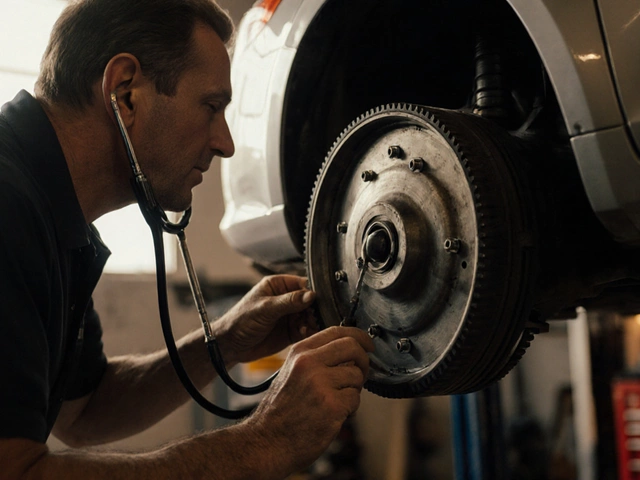
If you’re due for brake service, don’t just check the pads. Lift the car and look at the rotors. A quick visual inspection can save you money - and maybe your safety.