Fuel Pump Failure: Signs, Causes, and What to Do Next
When your fuel pump failure, a breakdown in the system that delivers gasoline from the tank to the engine. Also known as fuel delivery failure, it’s one of the most frustrating car problems because it often happens without warning. You might hear a quiet whine before it dies, or your car might just stall on the highway and refuse to start again. No check engine light. No smoke. Just silence.
A fuel pump, an electric component that pushes fuel through lines to the engine doesn’t last forever. Most last between 100,000 and 150,000 miles, but dirt, low fuel levels, and old gas can kill it sooner. If you regularly drive with less than a quarter tank, you’re running the pump dry—overheating it and shortening its life. And if your fuel filter is clogged, the pump has to work harder, wearing out faster. This isn’t just about convenience—it’s about safety. A failing fuel pump can cause sudden stalling, poor acceleration, or even engine damage if the system runs lean.
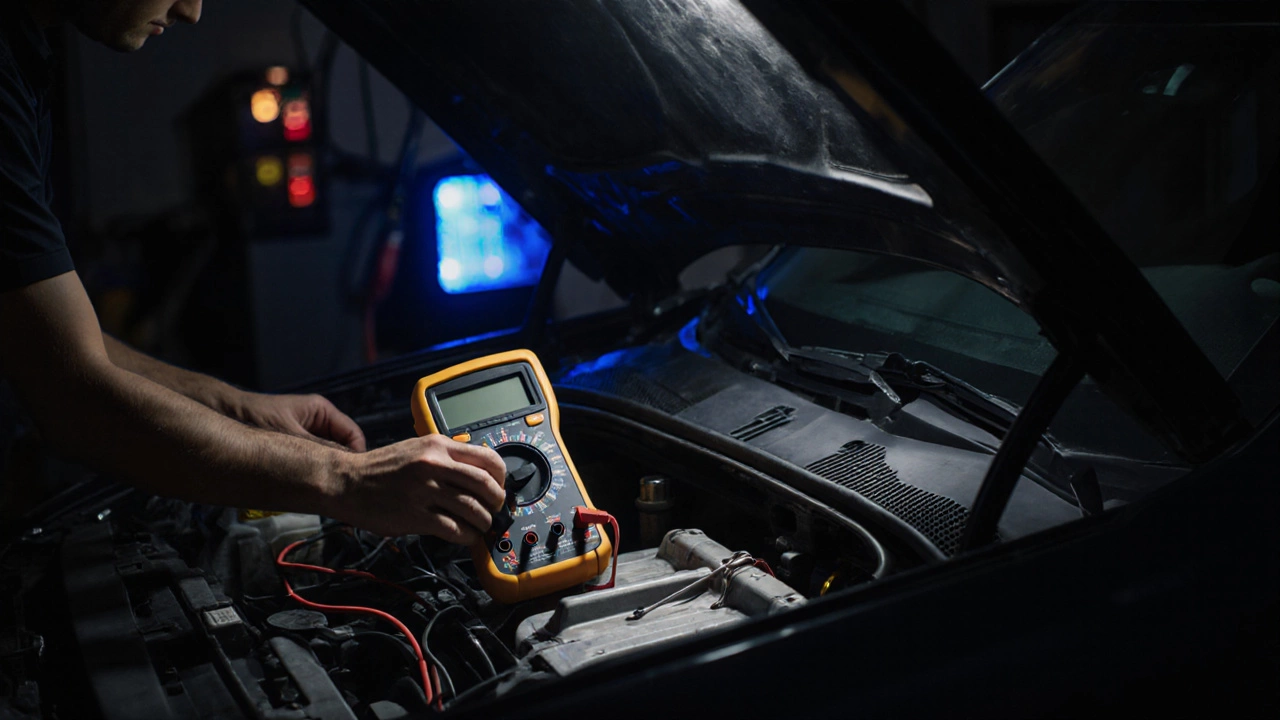
Common signs? Your car hesitates when you step on the gas, struggles to start after sitting for a while, or loses power going uphill. You might hear a loud whining noise from the back seat when the engine is running. Some people mistake this for a bad alternator or noisy exhaust, but if the noise comes from near the fuel tank and gets louder when the tank is empty, it’s likely the pump. A mechanic can test fuel pressure with a gauge, but you can also check: does the engine crank but not start? Is there fuel in the tank? If yes, the pump is the prime suspect.
Replacing a fuel pump, a critical part of the fuel delivery system isn’t always a quick fix. On some cars, you have to drop the tank. On others, there’s an access panel under the back seat. Labor can take 2 to 4 hours, and the part itself can cost anywhere from $150 to $600 depending on your make and model. But waiting too long can cost you more. A dead fuel pump can leave you stranded in bad weather, or worse—cause the engine to misfire and damage the catalytic converter.
And it’s not just the pump. The fuel filter, a component that traps debris before it reaches the pump and injectors often gets ignored. Many manufacturers say it lasts the life of the car, but that’s not true in dusty climates or with old fuel. A clogged filter is the #2 cause of fuel pump stress after running on empty. Replace it every 30,000 to 50,000 miles if you want to protect your pump.
There’s no magic trick to prevent fuel pump failure, but you can reduce the risk. Keep your tank at least a quarter full. Use quality fuel from busy stations—cheap gas often has more water and dirt. And if you notice any hesitation or strange noises, don’t wait. Get it checked before you’re stuck on the side of the road.
Below, you’ll find real-world guides on what to look for, how long repairs take, and what parts actually matter when you’re dealing with a failing fuel system. No fluff. Just what works.