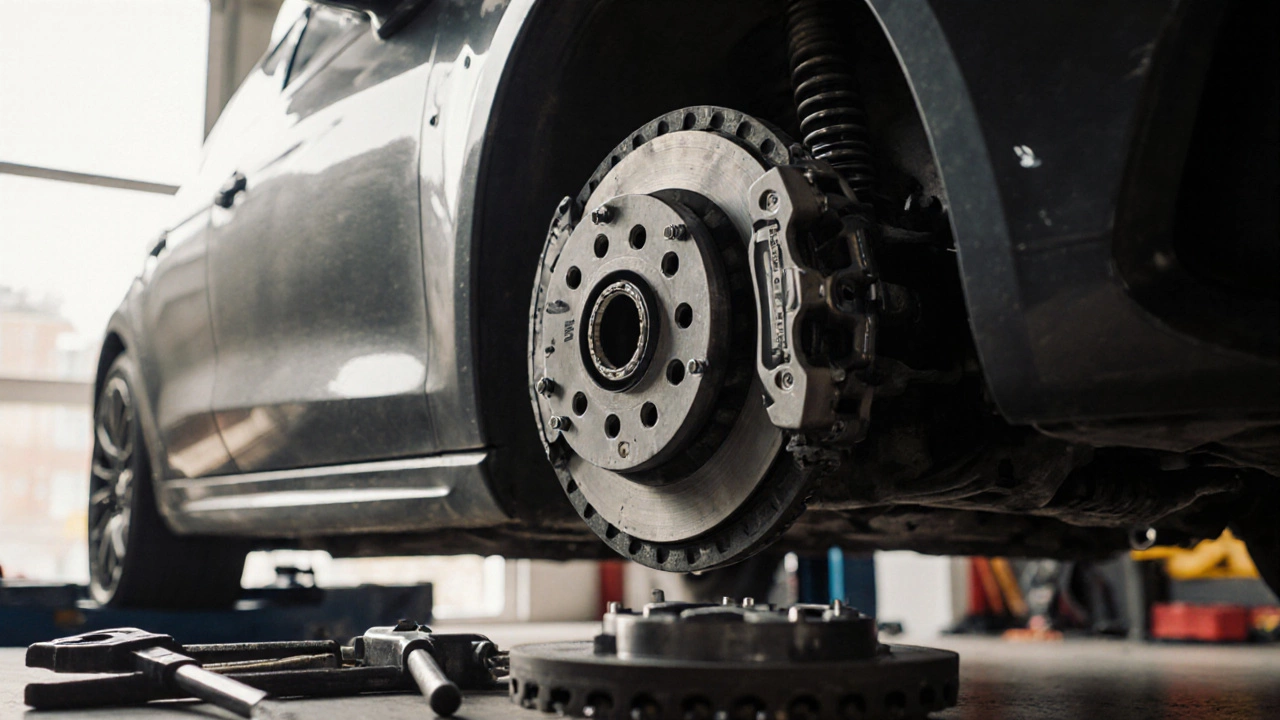
Stock Clutch Upgrade: What You Need to Know Before Making the Switch
When your stock clutch, the factory-installed component that connects your engine to the transmission in a manual car. Also known as original equipment clutch, it's designed to last 60,000 to 100,000 miles—but many drivers burn one out before 40,000. If you’re hearing grinding, feeling slippage, or noticing the pedal feels higher than usual, you’re not just dealing with wear—you might be on the edge of a breakdown. A clutch upgrade, a performance or heavy-duty replacement designed to handle more torque and abuse than the factory part sounds tempting, but it’s not always the answer. Most people don’t need it. They just need to understand why their clutch died in the first place.
Clutch failure isn’t random. It’s usually caused by habits: riding the pedal, launching too hard, or letting the clutch slip while crawling in traffic. These habits wear out the friction material fast. A manual transmission, the system that lets you control gear shifts manually using a clutch and gear stick isn’t fragile—but it’s not indestructible either. If you drive a daily commuter with mild performance, upgrading the clutch won’t make your car faster. It’ll just cost you more. But if you tow, race, or modify your engine for more power, then a stronger clutch becomes necessary. The real question isn’t "should I upgrade?" It’s "did I cause this problem myself?"
Before you spend money on a new clutch, check the signs. Does the car hesitate when you shift? Does the engine rev high without speed matching? Is the pedal softer or higher than before? These aren’t just "clutch issues"—they’re red flags pointing to deeper problems. A worn clutch might be the symptom, not the cause. A bad flywheel, misaligned linkage, or leaking slave cylinder can mimic clutch failure. That’s why mechanics often check the whole system before replacing anything. And if you’re replacing the clutch anyway, now’s the time to inspect the flywheel. A warped or cracked one will ruin a brand-new clutch in months.
There’s no magic formula for clutch life. It’s all about how you drive. Aggressive launches? Short trips with frequent stops? Heavy loads? Each one eats away at the clutch faster. A stock clutch in a well-maintained car can easily hit 100,000 miles. The same clutch in a car that’s constantly slipped at red lights? Maybe 20,000. Upgrading might seem like a fix, but fixing your driving habits is the real upgrade.
Below, you’ll find real-world guides on what kills clutches, how to spot early failure, what to replace alongside it, and when a performance upgrade actually makes sense—not just because it sounds cool, but because your car needs it.