Suspension Damage: Signs, Causes, and What to Do Next
When your car feels like it’s bouncing over every bump, or pulls to one side when you brake, you’re not just dealing with a rough ride—you’re seeing suspension damage, the breakdown of components that connect your wheels to the vehicle and absorb road shocks. Also known as worn suspension system, it’s one of the most dangerous issues you can ignore because it directly affects control, braking, and tire wear.
Suspension damage doesn’t happen overnight. It starts with small signs: a clunk when you hit a pothole, uneven tire wear, or the front end dipping when you stop. These aren’t just annoyances—they’re warnings. The main parts involved are shocks and struts, components that control bounce and keep tires planted on the road, control arms, metal links that guide wheel movement, and ball joints, pivot points that let your wheels turn and move up and down. When any of these wear out or break, your car loses stability. You might not feel it at first, but your tires are wearing unevenly, your brakes are working harder, and your steering is getting sloppy.
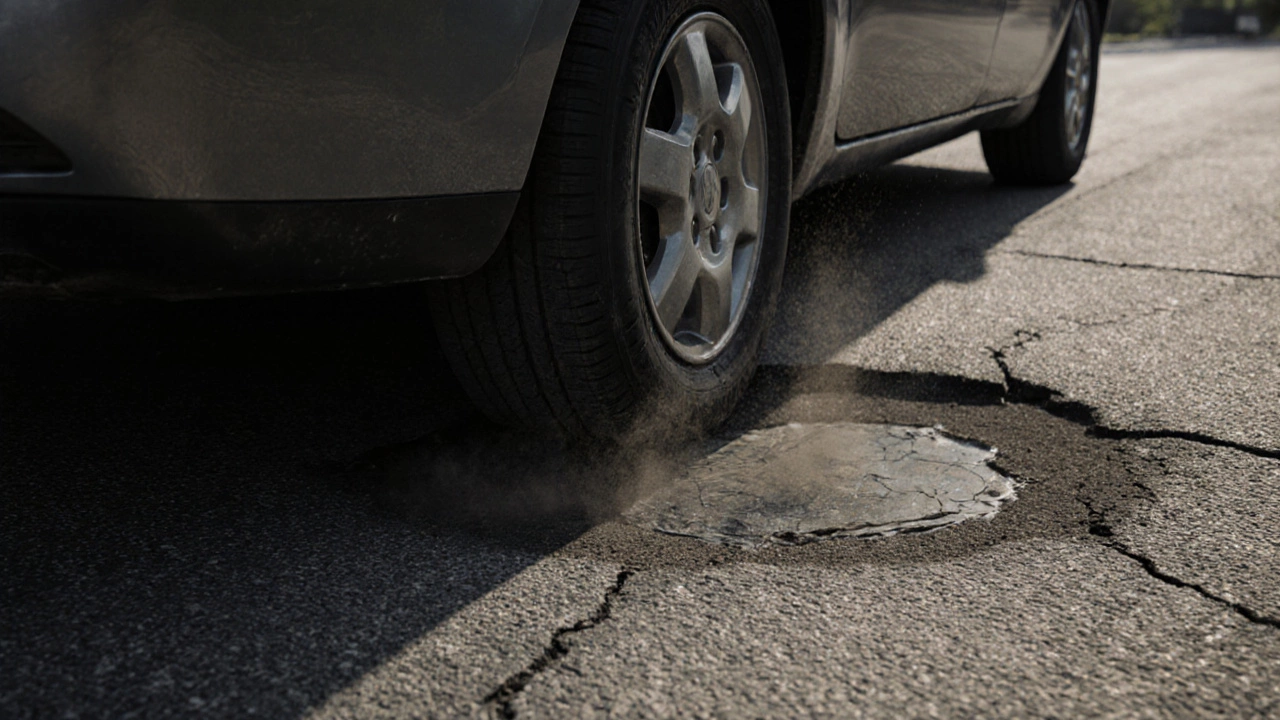
What causes it? Bad roads are the biggest enemy. Potholes, speed bumps at high speed, and off-road driving all add stress. But even normal driving wears parts down over time—especially if you drive with low tire pressure or skip regular inspections. A bent control arm from a single impact can throw off your alignment, which then eats through your tires in just a few thousand miles. And if you keep driving with worn shocks, you’re not just risking comfort—you’re risking your ability to stop quickly in an emergency.
You don’t need to be a mechanic to spot trouble. Try the bounce test: push down hard on one corner of your car and let go. If it bounces more than once or twice, your shocks are likely done. Listen for clunks or squeaks when going over bumps. Check your tires—if they’re bald on the inside or outside edges, that’s a classic sign of misalignment from suspension wear. And if your car leans heavily when turning, or the front dips too much when braking, those are red flags.
This isn’t about spending money for no reason. It’s about safety and saving money long-term. Replacing worn shocks before they ruin your tires or damage your steering components can save you hundreds. And catching suspension damage early means you might only need a few parts—not a full system overhaul.
Below, you’ll find real guides from drivers who’ve been there: how to test your own suspension, what parts fail most often, and how to avoid getting overcharged at the shop. No fluff. Just what works.