When to Replace Brake Pads: Signs, Risks, and What You Need to Know
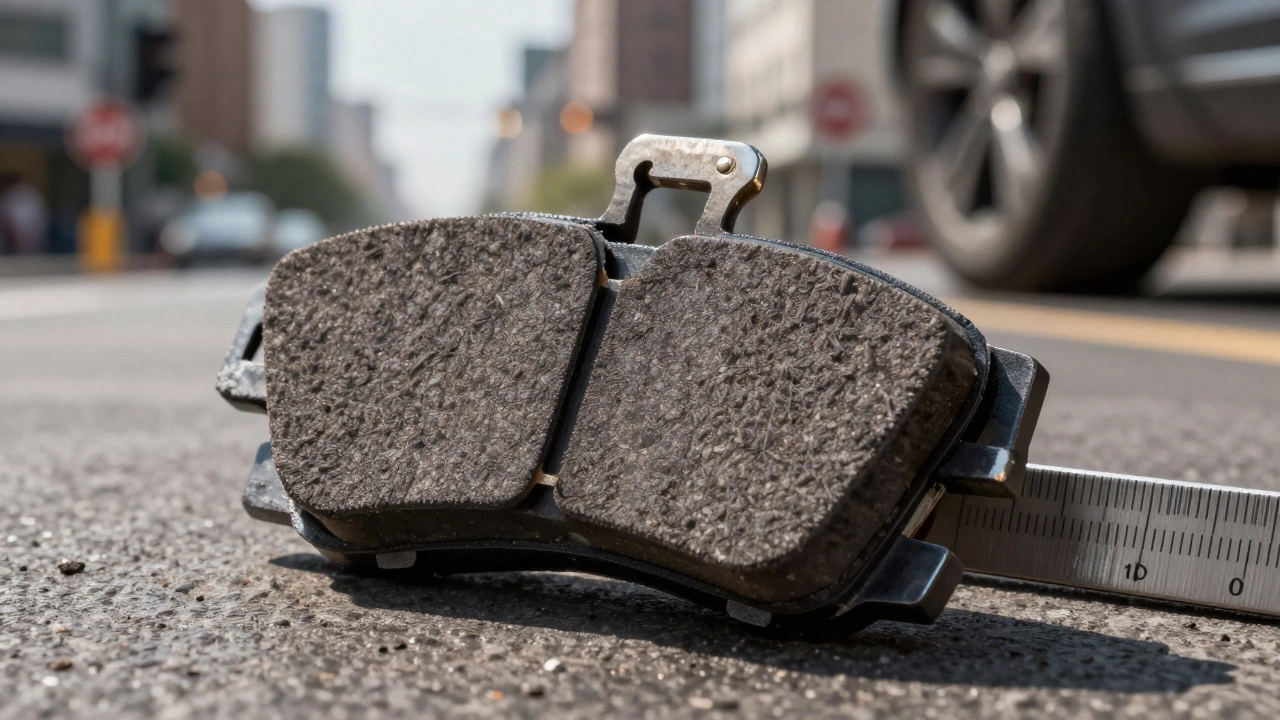
When your brake pads, thin friction components that press against the rotors to stop your car. Also known as brake linings, they’re one of the most critical safety parts on your vehicle. Most drivers don’t think about them until they hear a screech—or worse, feel the pedal go soft. But waiting for that sound is like waiting for your smoke alarm to go off before checking the battery. By then, it’s too late.
Brake pads wear down over time, and how fast depends on how you drive. City driving with constant stops? They might need replacing in 25,000 miles. Highway cruising? Maybe 50,000. But it’s not just mileage. brake rotors, the metal discs the pads clamp onto can warp from heat, and brake noise, like grinding or squealing isn’t always just the pads. Sometimes it’s metal-on-metal because you ignored the warning. That’s not a repair—that’s a rebuild.
You don’t need a mechanic to spot the signs. Listen for that high-pitched squeal—it’s built into the pad to tell you it’s thinning. Feel for vibration in the pedal or steering wheel when you brake. Notice if your car pulls to one side. These aren’t just annoyances; they’re red flags. And if you’ve been told you only need new pads? Be careful. Replacing pads without checking the rotors can lead to uneven wear, reduced stopping power, and even rotor failure. It’s not a DIY shortcut—it’s a safety risk.
Some people think brake pads last forever, or that all cars are the same. But your driving habits, climate, and even the weight you carry affect how fast they wear. A heavy SUV in a hilly city wears pads faster than a light sedan on flat roads. And if you ride the brake on long descents? You’re cooking them. There’s no magic number, but there are clear signals.
The posts below give you real, practical checks you can do yourself. You’ll find out how to tell if your pads are worn just by looking, what the weird noises really mean, and why replacing just the pads isn’t always enough. You’ll also learn what happens when you delay, what parts you might be overlooking, and how to avoid being upsold on things you don’t need. No jargon. No fluff. Just what actually matters to keep you stopping safely.