Clutch Replacement Parts Planner
Select the symptoms you are experiencing or your replacement goals to generate a recommended parts list.
Symptoms & Issues
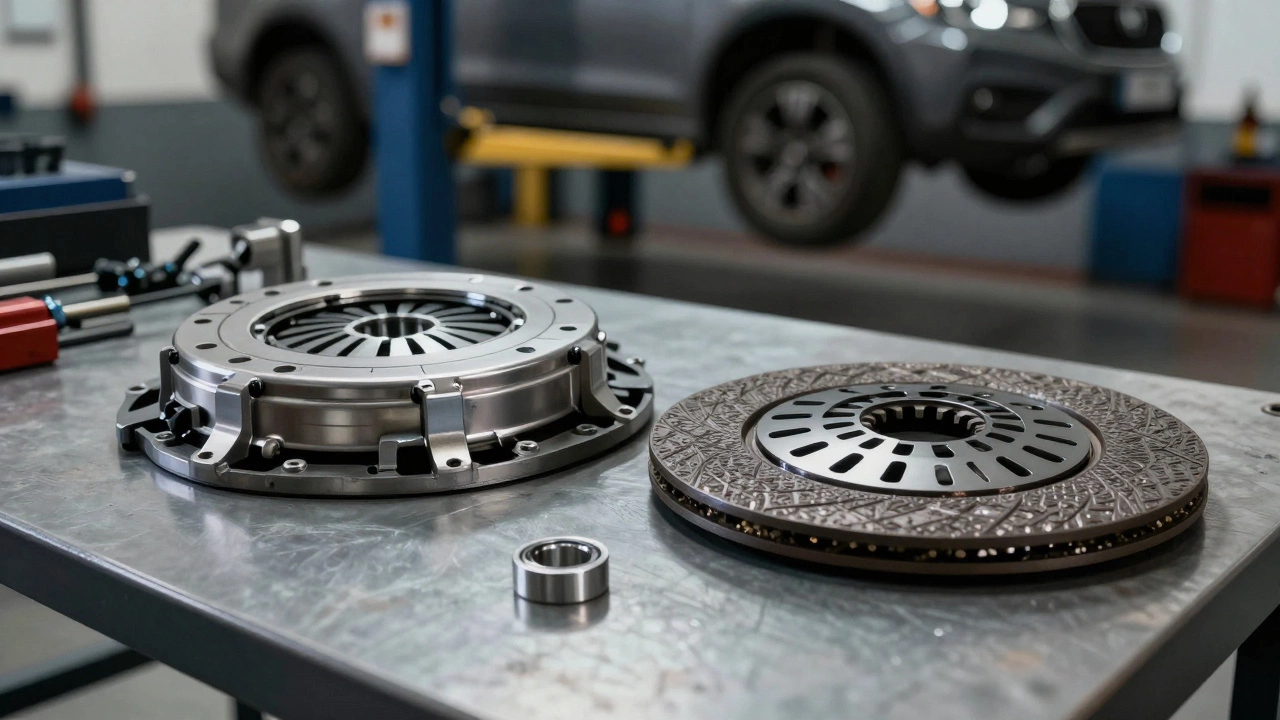
- The Clutch Kit: Pressure plate, friction disc, and release bearing.
- The Flywheel: Resurface or replace if there are heat spots or cracks.
- Hydraulic Components: Slave and master cylinders if there is any fluid leak.
- Support Bearings: Pilot bearing and throw-out bearing.
- Transmission Fluid: Fresh oil to ensure smooth shifting.
The Core Trio: The Clutch Kit
Most people start with a clutch kit is a bundled set of components including the friction disc, pressure plate, and release bearing. You should almost never buy these pieces separately. Here is why they need to move as a unit:
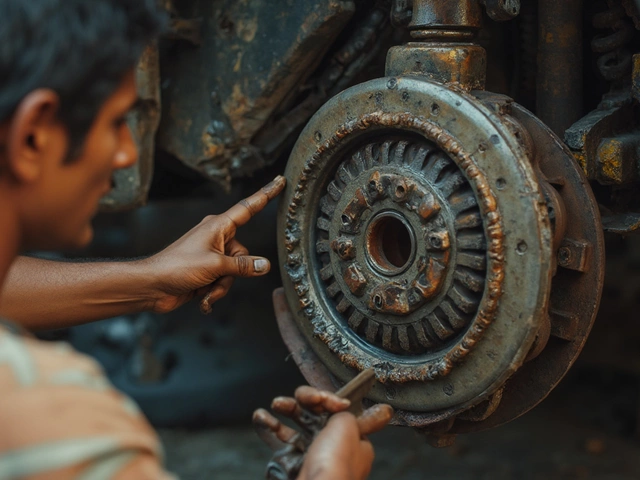
The friction disc is the part that actually wears down. It's like a brake pad for your engine. But the Pressure Plate is what squeezes that disc against the flywheel. If the pressure plate has lost its spring tension, your new disc won't grip properly, and you'll experience clutch slip. Then you have the Release Bearing, also known as the throw-out bearing. This is the mechanical link between your pedal and the pressure plate. Since it spins at high speeds and takes a lot of pressure, it's a common failure point. If you hear a high-pitched squeal when you press the pedal, that bearing is toast.
The Flywheel: To Resurface or Replace?
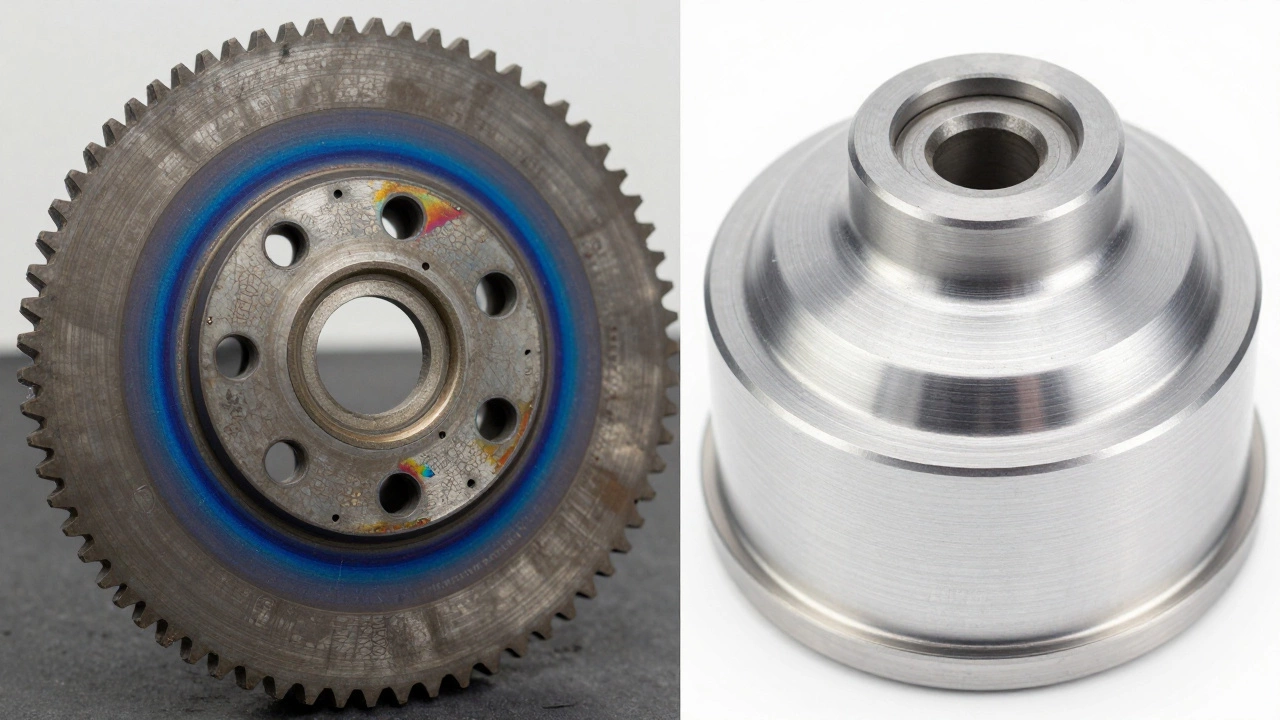
The Flywheel is a heavy metal disc that stores rotational energy and provides the mounting surface for the clutch. It doesn't technically "wear out" like a disc, but it does get damaged. Over time, the friction from the old clutch creates "hot spots"-hardened areas of metal that look like blue or rainbow stains. These spots cause chatter, which is that shuddering feeling you get when pulling away from a stop sign.
If you have a Dual Mass Flywheel (DMF), which is common in modern diesels and high-torque petrol engines, the rules change. A DMF has internal springs to dampen vibrations. Once those springs wear out, you'll feel a vibration through the floor of the car. You can't resurface a DMF; you have to replace the whole unit. If you're using a standard single-mass flywheel, you can often get away with a machining process to flatten the surface, provided there are no deep grooves or cracks.
| Condition | Symptom | Action Required |
|---|---|---|
| Light glazing/scoring | Minor slipping | Resurface (Machine) |
| Heat spots (Blueing) | Clutch chatter/shudder | Replace |
| DMF Spring Failure | Heavy vibration/Rattle | Replace Unit |
Hydraulic Health: Slave and Master Cylinders
Most modern cars use a hydraulic system to move the clutch. This involves a Clutch Master Cylinder (connected to your pedal) and a Clutch Slave Cylinder (which pushes the release bearing). These cylinders use rubber seals that degrade over time.
If you notice your clutch pedal feels "spongy" or it slowly sinks to the floor while you're sitting at a red light, you have a leak. Often, the slave cylinder is located in a hard-to-reach spot near the transmission. Since the transmission is already out of the way during a clutch job, replacing the slave cylinder is a no-brainer. If the slave is leaking, there is a high probability that the master cylinder is also nearing the end of its life, as they are usually the same age and made of the same materials.
The Small Parts That Cause Big Problems
There are two tiny components that people often forget: the Pilot Bearing and the input shaft seal. The pilot bearing is a small ring of metal or plastic that supports the end of the transmission input shaft. When it fails, it makes a whining noise that sounds like a transmission bearing failure, but it's actually just a $15 part.
Then there is the rear main seal on the engine. If you see oil dripping from the junction where the engine meets the gearbox, your seal is leaking. If you put a brand new clutch disc in and then the engine seal leaks oil onto that disc, the clutch will start slipping immediately. You've just ruined a brand new kit. Always inspect the crankshaft seal and replace it if there is even a hint of seepage.
Transmission Fluid: The Final Step
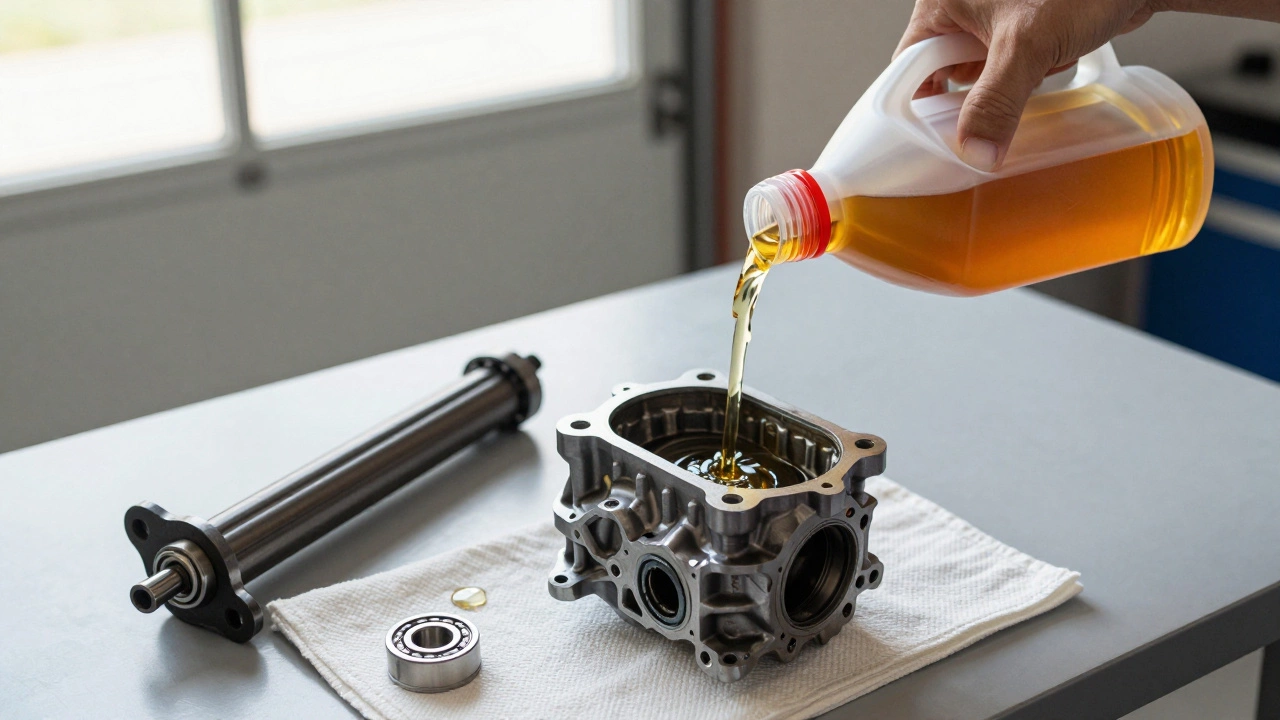
You aren't just replacing a clutch; you're dismantling the drivetrain. In most cases, you have to drain the Transmission Fluid to remove the gearbox. Don't just pour the old, burnt-smelling oil back in. Fresh fluid improves shift quality and helps the new clutch components settle in without unnecessary friction. Check your manual for the exact grade-using the wrong gear oil can lead to premature wear or noisy gears.
Putting it All Together: A Practical Checklist
If you're staring at your car and wondering what to order, use this logic. If you are doing a basic replacement because of high mileage, go for the full kit and the slave cylinder. If you've burnt the clutch out through racing or towing, you'll almost certainly need a new flywheel.
- Verify the Kit: Ensure the pressure plate and disc are matched to your engine's torque.
- Check the Flywheel: Look for blue heat spots or cracks; decide between machining or replacing.
- Test Hydraulics: Check for leaks at the slave and master cylinders.
- Inspect Seals: Check the rear main seal for oil leaks.
- Replace Pilot Bearing: Always swap this; it's too cheap to ignore.
- Fresh Fluid: Buy 3-5 liters of the recommended gear oil.
Can I just replace the clutch disc and keep the old pressure plate?
It is not recommended. The pressure plate's diaphragm spring loses its tension over time. A new disc paired with an old, weak pressure plate will often lead to premature slipping or uneven wear, meaning you'll be doing the job again much sooner than expected.
Do I really need to replace the slave cylinder if it isn't leaking yet?
While not strictly mandatory, it is a "preventative" move. Slave cylinders are prone to failing after the system is bled and pressurized with new fluid. Since the labor to reach it is already covered by the transmission removal, replacing it is cheap insurance.
What happens if I ignore the pilot bearing?
If the pilot bearing seizes or wears down, it can cause the input shaft of the transmission to vibrate or chatter. In worst-case scenarios, a failed pilot bearing can damage the transmission's input shaft, turning a simple clutch job into a full gearbox rebuild.
How do I know if my flywheel needs replacing or just resurfacing?
If the surface is just slightly scored or has a light glaze, a machine shop can resurface it. However, if you see deep grooves, cracks, or distinct blue "heat spots," the metal's integrity is compromised. In those cases, a new flywheel is the only way to ensure the new clutch doesn't chatter.
Will a heavy-duty clutch kit damage my flywheel?
Yes, it can. Heavy-duty or "stage" clutches often use ceramic materials that are much harder than standard organic discs. This puts more stress on the flywheel. If you upgrade to a performance clutch, you should usually install a reinforced or lightweight flywheel to match the increased clamping force.
Next Steps and Troubleshooting
Once the new parts are installed, the first few kilometers are critical. Don't just rip off with the throttle. Give the new disc a few gentle heat cycles to allow the friction material to "bed in" to the flywheel surface. If you feel a vibration immediately after the job, check if the flywheel was torqued in the correct sequence; an unevenly tightened flywheel can warp slightly.
If the pedal feels too low or you're struggling to get into first gear, you likely have air in the hydraulic lines. Bleeding the clutch system can be tricky-sometimes you need to "bench bleed" the master cylinder or use a vacuum bleeder on the slave cylinder to get every last bubble out of the line.

Thorne Carlisle
I am an automotive journalist with a focus on car parts and innovations. My passion for cars has been a lifelong journey, and I love delving into the technical details of automobiles. When I'm not writing, you'll likely find me in my garage experimenting with new modifications. I've contributed to various automotive magazines and websites, sharing my insights with fellow enthusiasts.
Related Posts
You may like these posts too