Clutch Kit Selector & Cost Estimator
Configure Your Setup
Recommended Configuration
💡 Expert Advice:
This setup is ideal for reliability and comfort in city traffic. It prioritizes smooth engagement over raw power handling.
You’ve been noticing it for weeks. The pedal feels mushy. The gears grind when you shift into second. Maybe the car just won’t move at all when you let the pedal go. You’re standing in front of your mechanic’s counter or browsing online stores, staring at a price list that ranges from $150 to over $800 for what looks like the same three metal discs. The question on everyone’s mind is simple: does a clutch kit actually make a difference?
The short answer is yes. A huge one. But not every kit is built for the same job. Swapping a worn-out clutch for a direct replacement from the factory manual might get you driving again tomorrow, but it won’t change how your car drives. Upgrading to a performance-oriented kit, however, can transform a sluggish commuter into a responsive machine. The catch? You have to know exactly which type fits your lifestyle, your budget, and your engine’s power output.
Understanding the Anatomy of a Clutch Kit
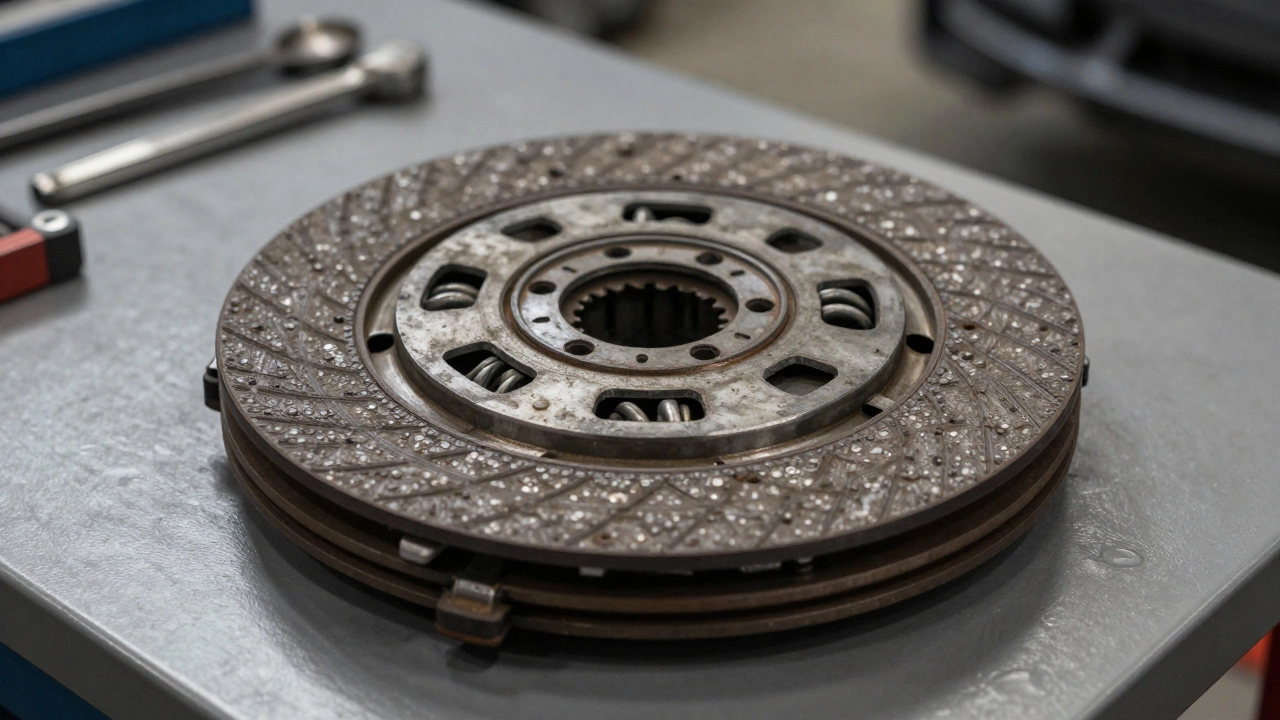
Before we talk about differences, we need to understand what we are buying. A standard clutch kit consists of three main components:
- The Pressure Plate: This spring-loaded disc clamps the friction disc against the flywheel. When you press the pedal, it releases this pressure, allowing the engine to spin freely from the wheels.
- The Friction Disc (Clutch Disc): This is the sandwich. Steel plates bonded with friction material sit between two hubs. It transfers torque from the engine to the transmission.
- The Release Bearing (Throw-out Bearing): This small bearing pushes against the pressure plate fingers to disengage the clutch when you step on the pedal.
Many people forget the fourth critical component: the flywheel. While not always included in the "kit" box, replacing the flywheel during a clutch swap is often the single biggest factor in whether your new setup feels smooth or jerky. If you install a brand-new high-performance clutch on a warped, glazed, or heat-spotted flywheel, the new kit will fail prematurely. The surface must be flat and clean for proper engagement.
OEM vs. Aftermarket: The Baseline Comparison
If your goal is simply to fix a broken car without changing its personality, an Original Equipment Manufacturer (OEM) kit is your best bet. These are made by companies like Valeo, Luk, or Sachs, who likely supplied the part when your car rolled off the assembly line.
OEM kits prioritize comfort and longevity over raw grip. They use softer friction materials that engage smoothly, even at low speeds. This makes them ideal for daily commuters who spend hours in traffic. However, they have limits. If you tow heavy loads, drive aggressively, or have modified your engine for more horsepower, an OEM clutch may slip under load. Slipping means the engine revs rise while the car speed stays constant-a sign that the friction material is overheating and wearing out rapidly.
Aftermarket brands like Exedy, ACT, or Centerforce offer alternatives. Some match OEM specs perfectly, while others push boundaries. The difference here isn't just marketing; it's engineering. Higher-end aftermarket kits often use better steel cores, stronger diaphragm springs, and advanced friction compounds that resist heat fade. Heat fade is the enemy of clutches. When friction material gets too hot, it loses its grip. A superior kit maintains clamping force longer under stress.
| Feature | OEM / Standard | Performance / Street | Racing / Track |
|---|---|---|---|
| Engagement Feel | Smooth, gradual | Firm, immediate | Sudden, aggressive |
| Heat Resistance | Low to Moderate | High | Very High |
| Daily Driveability | Excellent | Good (requires skill) | Poor (not recommended) |
| Lifespan | 60,000 - 100,000 km | 40,000 - 70,000 km | 10,000 - 30,000 km |
| Cost Range (AUD) | $200 - $400 | $400 - $700 | $800+ |
Single-Plate vs. Multi-Plate: Choosing Your Grip
Most passenger cars come with a single-plate clutch. It’s simple, reliable, and easy to live with. When people ask if a clutch kit makes a difference, they are often wondering if upgrading to a multi-plate system is worth it.
A multi-plate clutch uses two or more friction discs stacked together. This design increases the surface area for friction without increasing the diameter of the unit. More surface area means higher torque capacity. If you’ve added turbochargers or superchargers to your engine, a single-plate clutch might not hold enough power. A multi-plate kit can handle significantly more horsepower-sometimes doubling the capacity of the stock setup.
However, there is a trade-off. Multi-plate clutches tend to have a stiffer pedal feel and a more abrupt engagement point. In stop-and-go traffic, this can be fatiguing. You have to modulate the pedal precisely to avoid stalling or jerking the car forward. For track days or drag racing, this aggressiveness is a feature, not a bug. For a grocery run in Adelaide, it’s a nuisance.
The Hidden Variable: Flywheel Material
We mentioned the flywheel earlier, but it deserves its own spotlight because it drastically alters the behavior of any clutch kit. Most cars use a cast iron flywheel. It’s heavy, which helps keep the engine running smoothly at idle by storing rotational energy. But that weight also creates inertia. When you blip the throttle, the heavy flywheel resists changes in speed, making the car feel slightly sluggish.
Performance enthusiasts often swap to a lightweight flywheel, typically made from aluminum or machined steel. By reducing the rotating mass, the engine can rev up faster. This improves acceleration times and throttle response. Paired with a performance clutch kit, the combination feels incredibly sharp.
But beware: lightweight flywheels store less energy. This means your car is more prone to stalling at low speeds if you aren’t careful with the clutch release. It also requires a dual-mass flywheel conversion kit in many modern vehicles, as single-mass setups can introduce excessive vibration into the cabin. Always check compatibility before mixing flywheel types with your chosen clutch kit.
Material Science: Organic, Ceramic, and Kevlar
The friction material on the disc is where the magic happens. Different materials behave differently under heat and pressure.
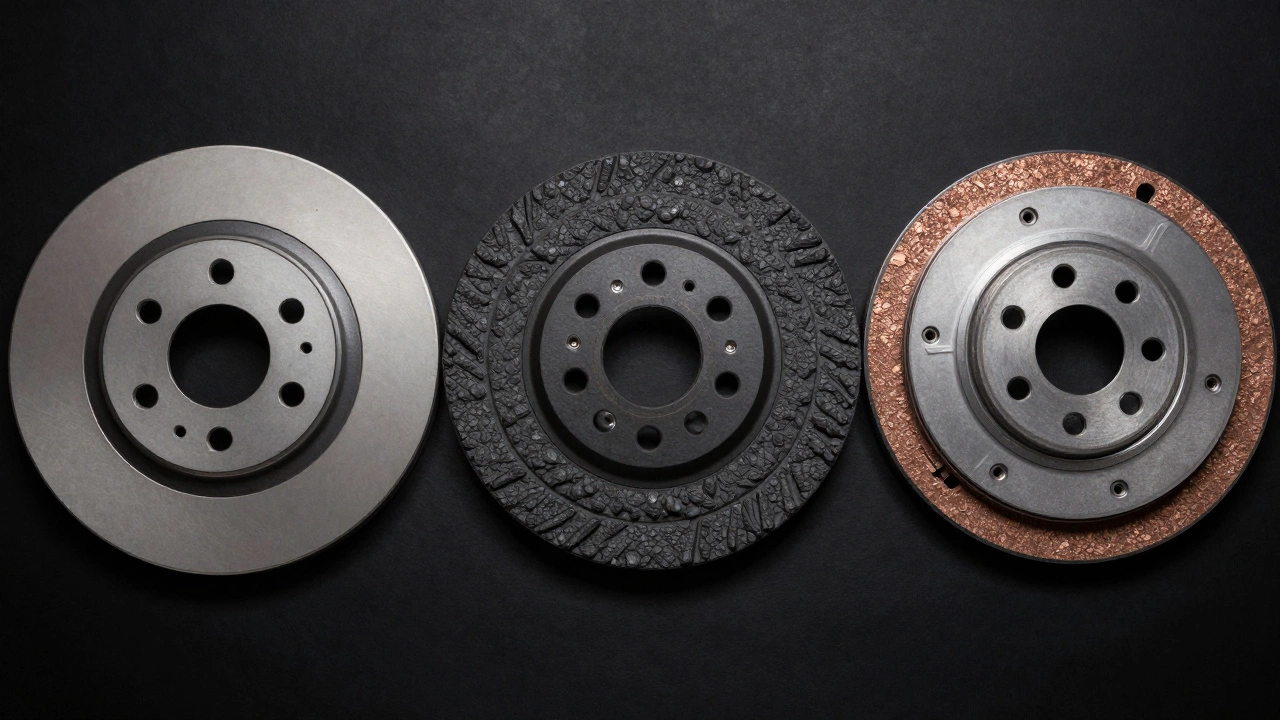
- Organic: Made from rubber, fiber, and resin. This is the standard for most street cars. It’s quiet, smooth, and cheap. It wears relatively quickly under abuse but offers the best drivability.
- Ceramic: Contains ceramic fibers and copper strands. Ceramic clutches handle much higher temperatures than organic ones. They offer stronger bite and last longer under hard use. The downside? They can be noisy (a slight chirp when engaging) and harder on the flywheel due to their abrasiveness.
- Kevlar (Aramid Fiber): Often found in high-end racing applications. Kevlar provides incredible strength-to-weight ratio and extreme heat resistance. These clutches are expensive and usually reserved for dedicated race cars where durability under extreme G-forces is critical.
If you live in a city with long hill climbs, like parts of Adelaide or Melbourne, a ceramic compound might be wise. The sustained braking and re-accelerating generate significant heat. An organic clutch might glaze over and slip, whereas ceramic maintains its friction coefficient even when glowing hot.

Installation Quality: The Human Factor
You can buy the most expensive clutch kit in the world, but if it’s installed poorly, it will fail within months. Installation is not just about bolting things together. Precision matters.
The input shaft of the transmission must align perfectly with the splines of the clutch disc. If it’s misaligned, the bearing will bind, causing premature wear and noise. The pressure plate bolts must be torqued in a specific star pattern to ensure even clamping pressure across the entire disc. Uneven pressure leads to warping and vibration.
Furthermore, the hydraulic system-the master cylinder, slave cylinder, and lines-must be bled thoroughly. Air bubbles in the fluid create a spongy pedal. Even if the new kit is perfect, air in the lines prevents full disengagement, leading to grinding gears. Many DIYers overlook this step, blaming the new clutch for issues caused by old, contaminated fluid.
When Does a New Kit Actually Feel Different?
If you replace a worn OEM clutch with a new OEM clutch, the primary difference is reliability. The car stops slipping. The pedal feels firm again instead of going to the floor. But the driving character remains unchanged.
The real "difference" comes when you mismatch the kit to your usage. Putting a race-spec clutch in a daily driver makes the car undriveable in traffic. Putting a soft street clutch in a high-horsepower modified car causes rapid failure. The sweet spot is finding a kit that matches your peak torque output plus a safety margin of 10-15%. This ensures the clutch engages fully without slipping, providing crisp shifts and confident acceleration.
For most drivers, the difference is subtle but noticeable. A well-chosen performance kit reduces the "dead zone" at the bottom of the pedal travel. Shifts become quicker because the disengagement is sharper. You spend less time riding the clutch and more time driving. That confidence is the true value of a quality clutch kit.
How long does a new clutch kit last?
Lifespan varies wildly based on driving habits. A gentle commuter might see 100,000 kilometers or more. Aggressive drivers, those who ride the clutch, or individuals towing heavy loads may only get 30,000 to 50,000 kilometers. Performance clutches generally wear faster than OEM units due to their harder friction materials.
Should I replace the flywheel when installing a new clutch?
It is highly recommended. Over time, flywheels develop heat spots, warping, and glazing. Installing a new clutch on an old flywheel can cause vibration, poor engagement, and premature failure of the new kit. Resurfacing or replacing the flywheel ensures a flat mating surface for optimal performance.
Can I install a performance clutch in my daily driver?
Yes, but choose wisely. Look for "street-friendly" performance kits that offer a balance of grip and smoothness. Avoid race-spec or multi-plate clutches unless you plan to take the car to the track regularly. These can be difficult to manage in stop-and-go traffic and may stall frequently at low speeds.
What are the signs that my clutch needs replacing?
Common signs include a slipping clutch (engine RPMs rise without corresponding increase in speed), a burning smell from overheating friction material, a spongy or sticky clutch pedal, difficulty shifting gears, or a grinding noise when shifting. If you notice any of these, inspect the clutch immediately to prevent further damage to the transmission.
Is it cheaper to buy a complete clutch kit or individual parts?
Buying a complete kit is almost always cheaper and safer. Kits ensure that the pressure plate, disc, and bearing are matched for compatibility and performance. Buying parts separately risks mismatches in spline count, diameter, or hub size, which can lead to installation failures or reduced lifespan.