Wiper Blade Value Calculator
Select a wiper blade tier below to see how it compares in terms of upfront cost versus long-term value.
- Lifespan: 3-6 Months
- Material: Basic Rubber
- Best For: Low mileage, older cars
- Lifespan: 6-12 Months
- Material: Synthetic Polymer
- Best For: Daily commuters
- Lifespan: 12-18 Months
- Material: Silicone/Ceramic
- Best For: Extreme weather, luxury vehicles
Analyzing Mid-Range Options...
Loading analysis...
Calculating value...
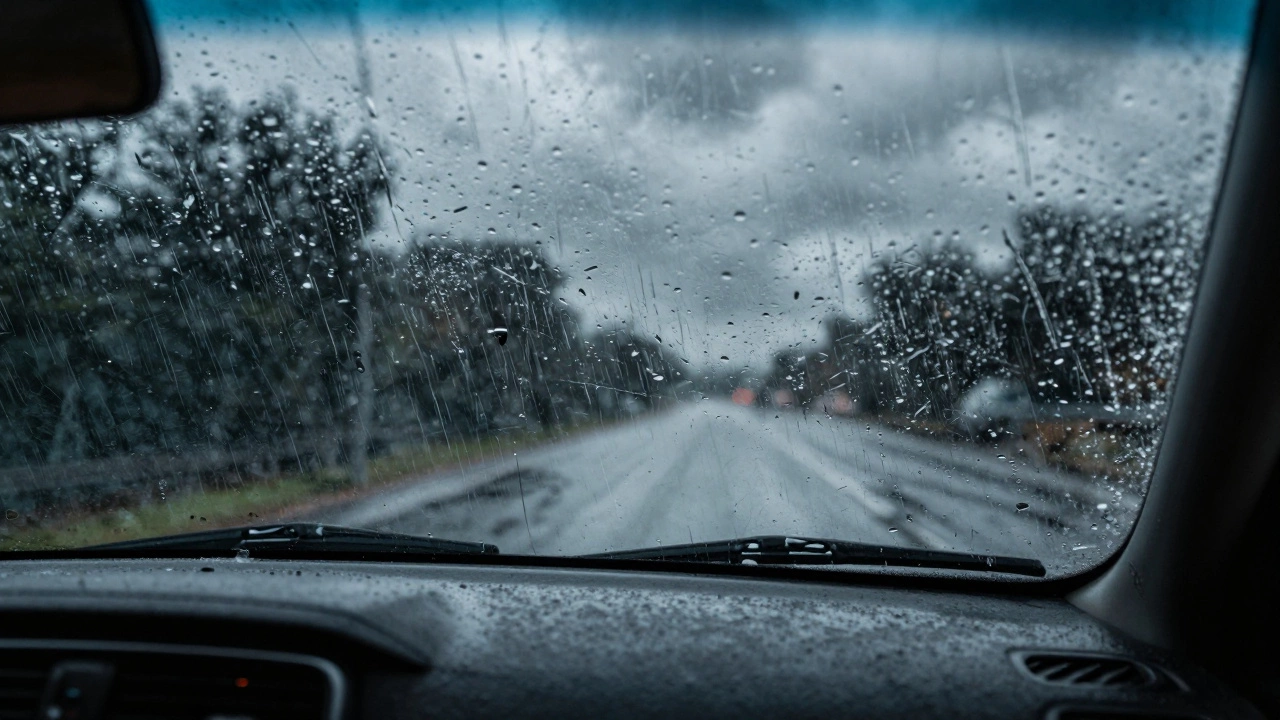
It is raining sideways in Adelaide. You are squinting at the road, and your windshield looks like it was wiped with a dirty dishrag. Streaks, chatter, and missed patches turn a light drizzle into a safety hazard. You pull into the next service station or supermarket, grab a pack of blades, and see the price tag. One brand costs $15, another says $45. Which one is the rip-off? Which one is the steal?
The short answer is that a good price for a standard pair of conventional wiper blades sits between $20 and $40 AUD. For premium beam-style blades, you should expect to pay between $40 and $70 AUD. Anything significantly cheaper than $15 often lacks the durability to survive our harsh Australian sun, while anything over $80 usually pays for marketing rather than performance.
Understanding the Cost Breakdown
Before you judge a wiper blade by its sticker price, you need to understand what you are actually buying. A wiper blade is not just rubber; it is a complex assembly of materials designed to withstand high speeds, extreme temperatures, and constant friction against glass.
When you look at the price difference between a budget blade and a premium one, three main factors drive the cost:
- Rubber Compound Quality: Cheap blades use basic natural rubber that hardens quickly under UV exposure. Premium blades use synthetic polymers (like silicone or advanced polyurethane) that resist ozone and heat better.
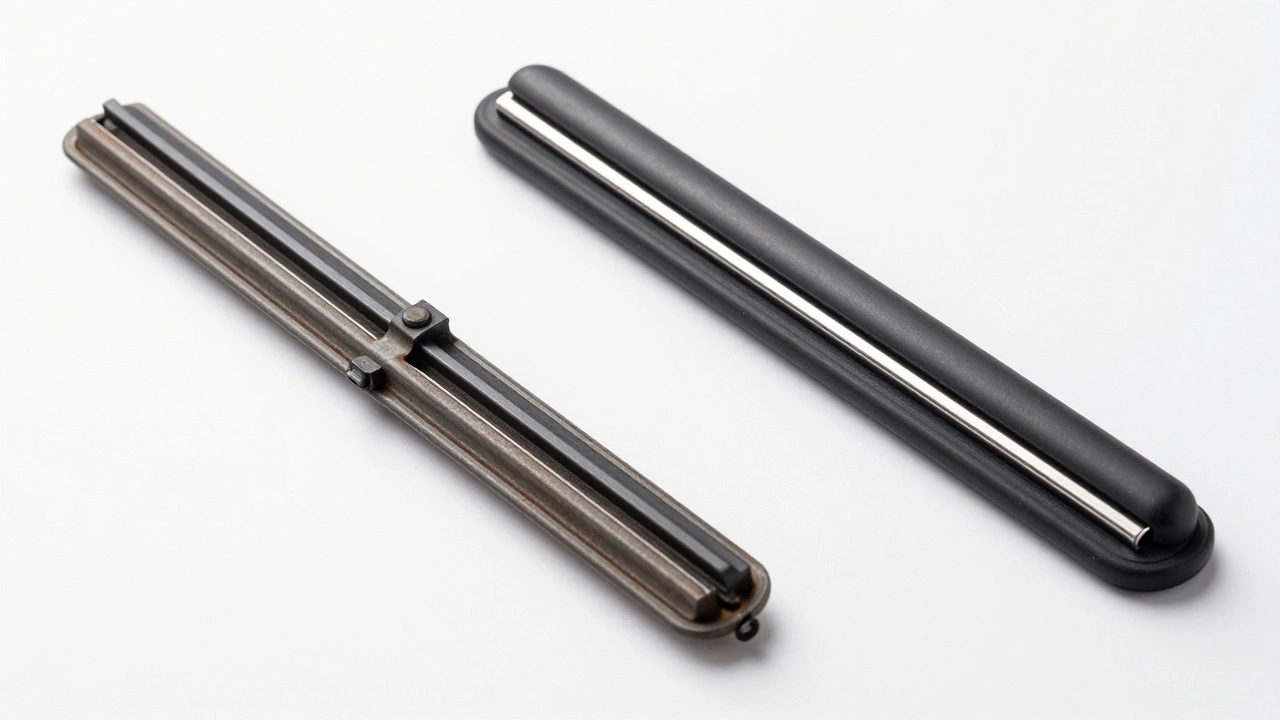
- Frame Design: Traditional blades have metal frames with multiple joints. These joints can freeze, rust, or break. Beam blades are frameless, using an internal steel spine wrapped in aerodynamic rubber. This design is more expensive to manufacture but lasts longer.
- Brand Licensing & OEM Contracts: Some brands charge extra because they are "OEM" (Original Equipment Manufacturer) approved. While this ensures fitment, it doesn't always mean superior wiping performance compared to high-quality aftermarket options.
In Australia, where summer temperatures regularly exceed 40°C, the rubber compound is the most critical factor. A cheap blade might work for two months, then crack and shred on your windshield. A mid-range blade will last six to twelve months. That math changes how you view the initial price tag.
Price Tiers: What You Get for Your Money
To make sense of the shelf, let’s categorize wiper blades into three distinct price tiers based on current market rates in Australia as of 2026.
| Tier | Price Range (Pair) | Lifespan | Best For |
|---|---|---|---|
| Budget | $10 - $20 AUD | 3 - 6 months | Older cars, temporary fixes, low-mileage drivers |
| Mid-Range (Sweet Spot) | $20 - $40 AUD | 6 - 12 months | Daily commuters, average weather conditions |
| Premium | $40 - $70+ AUD | 12 - 18 months | High-speed driving, extreme heat/cold, luxury vehicles |
Budget Tier ($10-$20): You will find these at discount stores or online marketplaces. They often use simple hook attachments. The rubber is thin and prone to splitting. If you only drive occasionally or are waiting for a better set to arrive, these are fine. But don’t expect them to handle heavy rain well.
Mid-Range Tier ($20-$40): This is where the best value lies. Brands like Bosch, Valeo, and TRW dominate this space. You get reliable synthetic rubber, sturdy construction, and widespread availability. For most Australians, this is the "good price" sweet spot. It balances upfront cost with acceptable longevity.
Premium Tier ($40-$70+): Think Michelin, Rain-X, or specialized ceramic-coated blades. These often feature hydrophobic coatings that repel water before the blade even touches it. They are quieter and smoother. If you drive a sports car with large, curved windshields or live in an area with frequent hail, the extra investment pays off in visibility and peace of mind.
Beam vs. Conventional: Does Design Change the Price?
You might notice that two blades from the same brand have different prices. Usually, this comes down to the design: conventional (frame) versus beam (frameless).
Conventional Blades are the older technology. They have a visible metal skeleton. They are generally cheaper to produce, which keeps the retail price lower. However, the multiple moving parts create points of failure. In windy conditions, the frame can lift off the glass, causing chattering.
Beam Blades use a single piece of rubber molded around a flexible steel core. This creates uniform pressure across the entire blade length. They are aerodynamic, meaning they stay flat against the windshield even at highway speeds. Because the manufacturing process is more complex, beam blades typically cost 20-30% more than their conventional counterparts.
If your budget allows, always choose beam blades. The slight price increase is worth the improved contact and reduced noise. In fact, many modern cars come with beam blades from the factory because they are essential for maintaining visibility at high speeds.
Hidden Costs: Installation and Sizing
The sticker price isn't the only number that matters. Consider the total cost of ownership.
Sizing Errors: Buying the wrong size is costly. If you buy blades that are too long, they might overlap and damage each other. Too short, and you lose peripheral vision. Most auto parts stores in Australia offer free sizing services if you bring your car in. Online retailers provide vehicle-specific databases. Taking five minutes to check your owner’s manual or the old blade’s length prevents wasting money on returns.
Installation Complexity: Standard hook arms are easy to swap yourself. But some European and Asian models use proprietary side-pin or top-lock mechanisms. If you aren't handy, you might struggle. Some premium brands include detailed video guides or QR codes on the packaging. Others require specific tools. If you plan to pay a mechanic to install them, add $30-$50 to your total cost. Suddenly, those $15 blades aren't so cheap anymore.
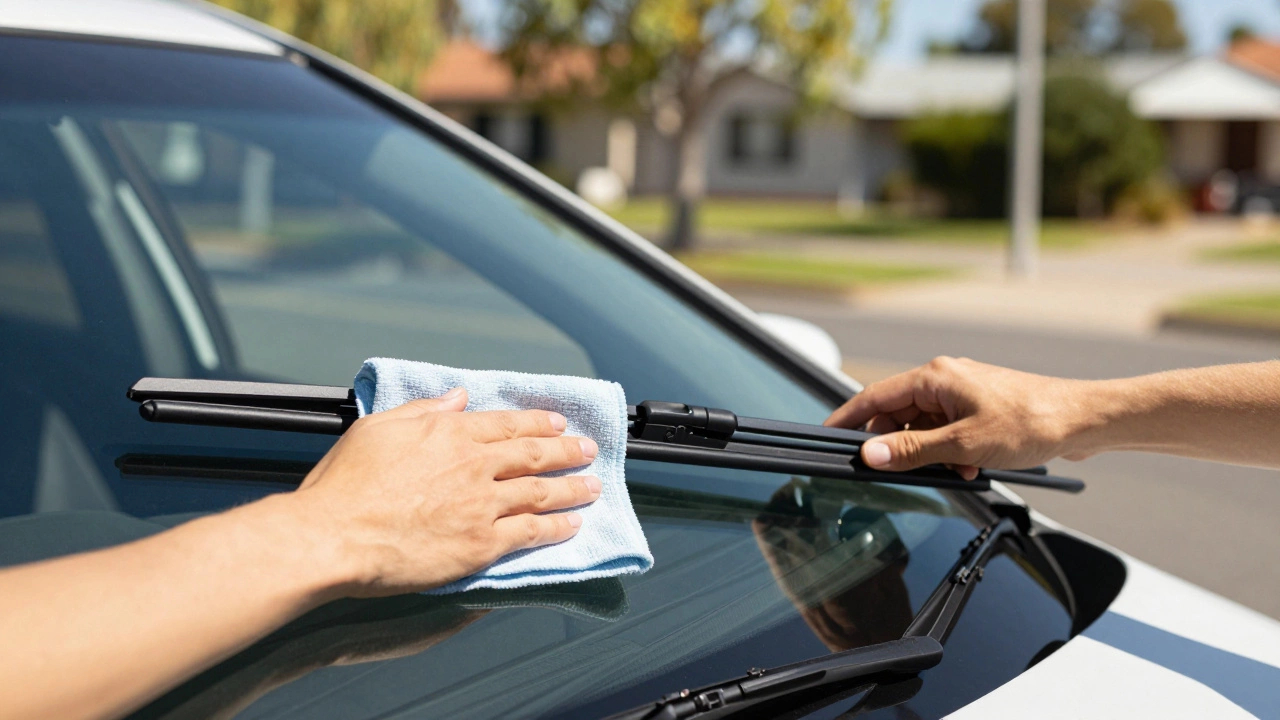
Glass Cleaning: New blades on dirty glass will still streak. Before installing new wipers, clean your windshield with automotive glass cleaner and a microfiber cloth. Remove any wax buildup or tree sap. This step costs nothing but extends the life of your new blades by preventing premature rubber degradation.
When to Upgrade vs. When to Stick with Budget
Not every driver needs the most expensive blades. Here is a quick decision guide based on your driving habits.
- Choose Budget if: You drive less than 10,000 km per year, park indoors most of the time, and live in a region with mild weather. Your primary goal is basic functionality without breaking the bank.
- Choose Mid-Range if: You commute daily, drive on highways, and experience typical Australian seasonal changes. You want reliability without fussing about replacements every few months.
- Choose Premium if: You drive frequently in heavy rain, snow (if you travel south), or extreme heat. You own a vehicle with a complex windshield shape (like a Tesla or a Porsche). You value silence and streak-free clarity above all else.
Also, consider the age of your vehicle. If you are selling an older car soon, spending $60 on wipers makes little financial sense. Spend $20. If you plan to keep your car for the next decade, invest in quality components that reduce long-term hassle.
Pro Tips for Maximizing Value
Getting a good deal isn't just about finding the lowest price tag. It's about stretching the lifespan of your purchase.
- Check Expiry Dates: Rubber degrades over time, even if it never touches glass. Avoid buying blades that have been sitting on a hot shelf for years. Look for manufacturing dates on the packaging. Fresh stock performs better.
- Buy Pairs: Always replace both wiper blades at the same time. Mixing an old, hardened blade with a new, soft one causes uneven pressure and accelerates wear on the new blade. Retailers often discount pairs, making the per-blade cost lower.
- Lift Arms in Winter/Snow: If you face freezing temperatures, lift your wiper arms up when parking overnight. This prevents the rubber from freezing to the glass, which can tear the blade or burn out the motor when you try to turn them on.
- Avoid Dry Wiping: Never run your wipers on a dry windshield. The friction generates heat that melts and cracks the rubber. Use washer fluid first to lubricate the surface.
By following these simple practices, you can often squeeze an extra six months out of a mid-range blade, effectively halving your annual cost.
Common Mistakes to Avoid
Many drivers overspend or underspend due to common misconceptions.
Mistake 1: Chasing "Lifetime" Guarantees. Some brands advertise lifetime warranties. Read the fine print. Often, the warranty requires you to send the blade back for inspection, and they may deny claims due to "normal wear and tear." In practice, a 12-month guarantee from a reputable brand is more valuable than a vague lifetime promise from an unknown seller.
Mistake 2: Ignoring Attachment Type. Even if the length is correct, the attachment mechanism must match your car’s wiper arm. There are dozens of types: J-hook, U-hook, side pin, top lock, bayonet. Buying the wrong type means the blade won’t stay on. Double-check your vehicle’s specific connector type before purchasing.
Mistake 3: Assuming Bigger is Better. Longer blades do not mean better coverage. Windshield geometry is precise. Using blades longer than recommended can cause them to whip into the hood or pillars, causing damage. Stick to the manufacturer’s specified lengths.
How often should I replace my wiper blades?
Generally, you should replace wiper blades every 6 to 12 months. However, this depends heavily on climate and usage. In areas with intense sun, like northern Australia, rubber degrades faster, so check them every 6 months. If you notice streaking, squeaking, or skipping, it is time to replace them immediately, regardless of age.
Are silicone wiper blades worth the extra cost?
Silicone wiper blades are more expensive, often costing $50-$80 per pair. They last longer than rubber-up to 2-3 years-and perform exceptionally well in extreme temperatures. They also have a self-cleaning effect. If you drive a lot and hate replacing wipers frequently, they are worth the investment. For casual drivers, standard synthetic rubber offers better value.
Can I install wiper blades myself?
Yes, most wiper blades are designed for DIY installation. It usually takes less than 10 minutes. Simply lift the wiper arm away from the glass, press the release tab on the blade connector, slide the old blade off, and slide the new one on until it clicks. Be careful not to let the bare metal arm snap back onto the glass, as it can crack your windshield.
Why do my new wiper blades still streak?
If new blades streak, the issue is likely your windshield, not the blades. Wax residue, oil films, or etched glass can cause streaking. Clean your windshield thoroughly with automotive glass cleaner and a dedicated rubbing compound if necessary. Also, ensure the blades are fully seated on the wiper arm; a loose connection can cause uneven pressure.
Do brand-name wiper blades really matter?
Brand names like Bosch, Michelin, and Valeo matter because they invest in research and development for better rubber compounds and aerodynamics. Generic brands may save you $10 now but could fail in half the time. For critical safety components like wipers, sticking with established brands reduces the risk of failure during heavy rain.