Wiper Safety Calculator
Wiper Safety Calculator
This calculator helps you understand the real risks of lifting windshield wipers versus leaving them down during winter storms based on your specific conditions.
Your Winter Wiper Analysis
Important: Lifting wipers can cause spring damage, bent arms, and windshield cracks. Experts recommend against this practice.
Wiper Damage Risk if Lifted
78%
Higher risk when temperatures are below 10°F and wiper blades are over 6 months old.
Wiper Sticking Risk if Left Down
22%
Typically resolves with gentle thawing and washer fluid use.
Recommended Action
Experts recommend NOT lifting your wipers. Modern wiper systems have overload protection that prevents motor damage. If wipers stick, use washer fluid and gently nudge the blades.
Alternative protection:
- Use a windshield cover ($15-25)
- Apply vinegar-water mix (1:1) before storms
- Replace blades annually ($20-50)
It’s snowing outside. Your windshield is covered. You’ve seen the advice online: lift your windshield wipers up before the storm hits. It’s supposed to keep them from freezing to the glass. But is it really a good idea? Or is it just an old myth that could cost you money?
Let’s cut through the noise. This isn’t about being extra careful. It’s about what actually happens when you lift your wipers-and what happens when you don’t.
Why People Lift Their Wipers
The idea is simple: if you lift the wiper arms up, the rubber blades won’t stick to the frozen glass. That way, when you turn them on in the morning, they won’t tear off ice or get jammed. It sounds smart. And for a lot of people, especially in places like Minnesota, Alberta, or Siberia, it’s a habit passed down from parents or neighbors.
There’s also the fear of damage. If your wiper blades are stuck to the windshield and you turn the motor on, the motor can strain. The blades might bend. The linkage might break. You end up with a $300 repair bill for something that could’ve been avoided.
So yes-the intention is good. But the solution? It’s not as safe as it looks.
The Real Risk: Bent Arms and Broken Springs
Windshield wiper arms aren’t meant to hang in the air. They’re designed to rest flat against the windshield, held down by a spring that keeps pressure even across the blade. When you lift them up, you’re forcing that spring to stay stretched for hours, sometimes days.
That spring? It’s made of tempered steel. It’s strong-but it’s not meant to be held in tension for long periods. Cold weather makes metal brittle. Repeatedly lifting and holding the arms up can cause the spring to lose its tension. The result? Wipers that don’t press firmly enough against the glass.
What does that look like in real life? You turn on your wipers. They chatter. They skip. You get streaks even with new blades. You think it’s the rubber. It’s not. It’s the arm losing its spring pressure. And replacing the whole arm? That’s $80 to $150 per side, depending on your car.
And here’s the kicker: modern wiper arms are often integrated into the motor assembly. You can’t just replace the spring. You replace the whole arm. That’s labor. That’s time. That’s money.
What Happens If You Don’t Lift Them?
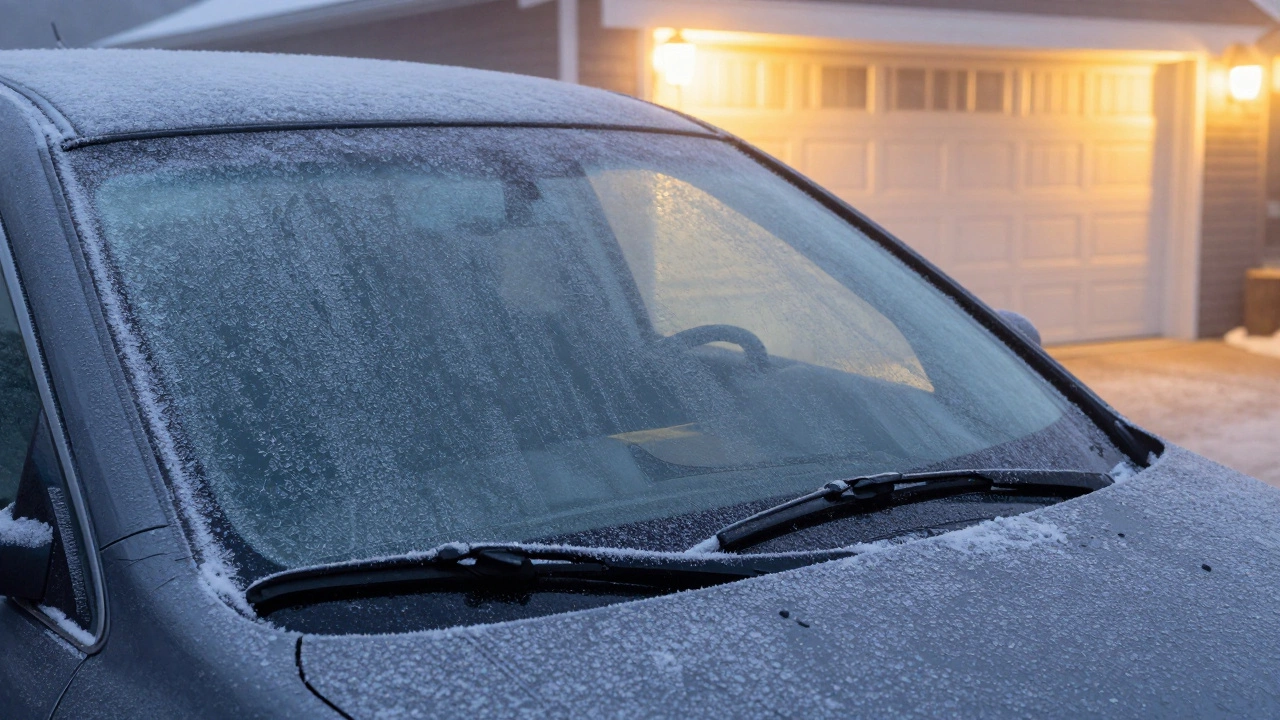
Let’s say you leave your wipers down. Snow piles up. Ice forms. In the morning, you turn on the wipers.
What happens next?
Most of the time? Nothing. The motor strains for a second. The blades might stick. But they usually break free with a little force. Modern wiper motors have overload protection. They stall and stop before they burn out. It’s designed for this.
And if they don’t? You hit the washer fluid button. The spray helps melt the ice. You gently nudge the blades with your hand. You don’t yank. You don’t force. You wait a minute. And then they move.
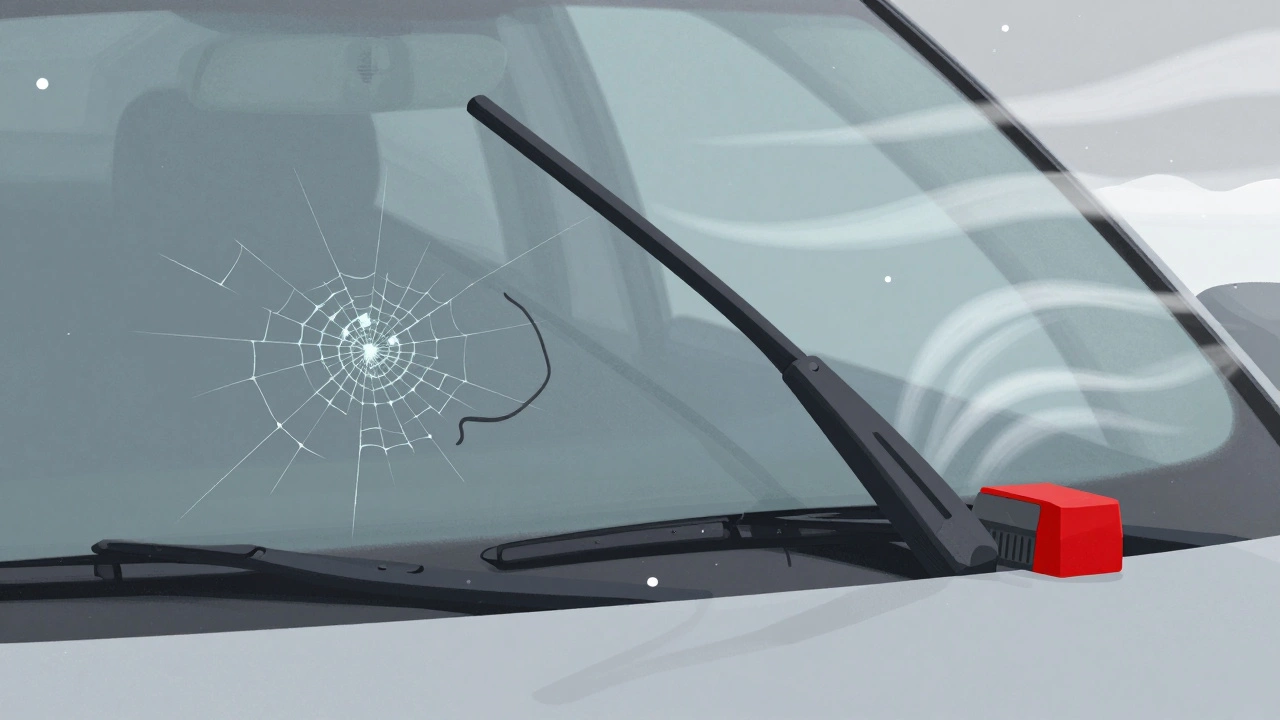
Here’s the truth: 9 out of 10 times, your wipers will be fine. The real damage happens when you lift them and forget they’re up. Or when you lift them and the wind knocks them back down-smashing the blade into the windshield.
That’s not hypothetical. I’ve seen it. A customer came in with a cracked windshield because the wiper arm swung back during a gust. He thought he was being smart. He broke his windshield. Cost: $600.
What Should You Do Instead?
Forget lifting. Try this:
- Before the storm, clean your windshield with a vinegar-water mix (1:1). It lowers the freezing point of moisture.
- Apply a thin coat of rubbing alcohol to the blade edge. It prevents ice buildup.
- Use a windshield cover. They’re cheap, reusable, and keep snow off entirely.
- Park in a garage or under a carport. Even partial cover helps.
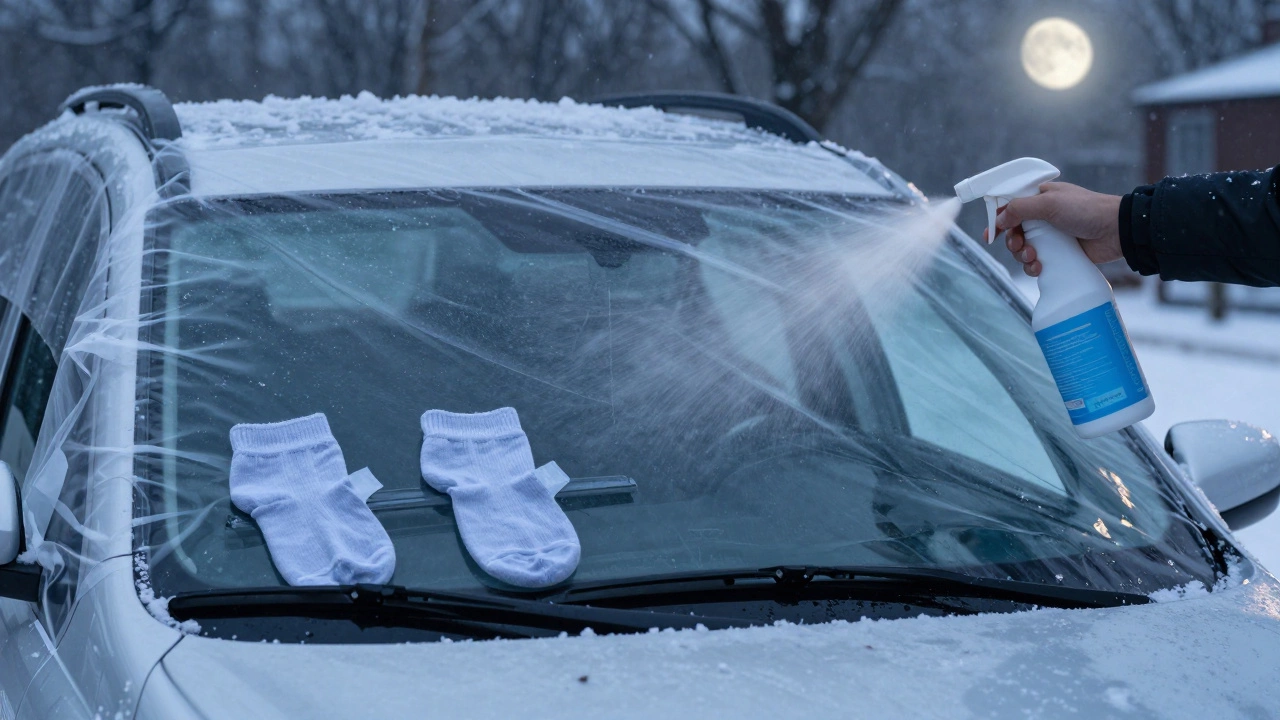
- If you must leave it outside, cover the wiper blades with dry socks or plastic bags. Tape them gently so they don’t blow away.
These methods protect the blades, the glass, and the mechanism. No strain. No risk. No guesswork.
What About Ice Scrapers?
Some people think if you lift the wipers, you can scrape the glass better. Wrong. Ice scrapers work fine with the wipers down. In fact, having them down gives you a flat surface to scrape against. Lifting them just makes it harder to reach the edges near the base.
And if you’re scraping ice off the windshield while the wipers are up? You’re risking the same thing: the arm swinging back. One slip. One gust. And you’ve got a new crack in your glass.
When Lifting Might Be Okay
There’s one real exception: if you live in an area with constant freezing rain and your wipers are already stuck every night. If you’ve tried everything else and your blades are permanently bonded to the glass? Then lifting them might be a last resort.
But even then, do it right:
- Only lift them after the storm has passed and the temperature is above freezing.
- Use a soft cloth or foam pad to support the arm. Don’t let it hang by the pivot.
- Lower them before the next snowfall.
This isn’t a habit. It’s a temporary fix.
What Do Experts Say?
Automotive engineers from major manufacturers like Ford, Toyota, and BMW all say the same thing: Don’t lift your wipers.
Their testing shows that wiper systems are designed to handle ice buildup. The motors, arms, and blades are tested under -30°C conditions. They’ve seen millions of real-world scenarios. If lifting them was safer, they’d design them that way.
And here’s a fact most people don’t know: wiper blades are one of the most replaced parts on a car. They’re meant to be replaced every 6 to 12 months. That’s built into the cost of ownership. You don’t need to protect them with risky tricks. You need to replace them regularly.
Final Verdict
No, you shouldn’t flip up your windshield wipers.
The risks-bent arms, broken springs, cracked windshields-far outweigh the tiny chance of avoiding a stuck blade. The advice sounds helpful, but it’s based on fear, not facts.
Do this instead:
- Keep your windshield clean before winter hits.
- Use a windshield cover.
- Replace blades every year.
- Use washer fluid with antifreeze.
- Clear ice gently with a scraper and patience.
That’s how you protect your car. Not by lifting wipers. By being smart about maintenance.
Next time you see someone lifting their wipers in the snow, ask them: Did it work? Or did they just save themselves from one problem… and create three others?