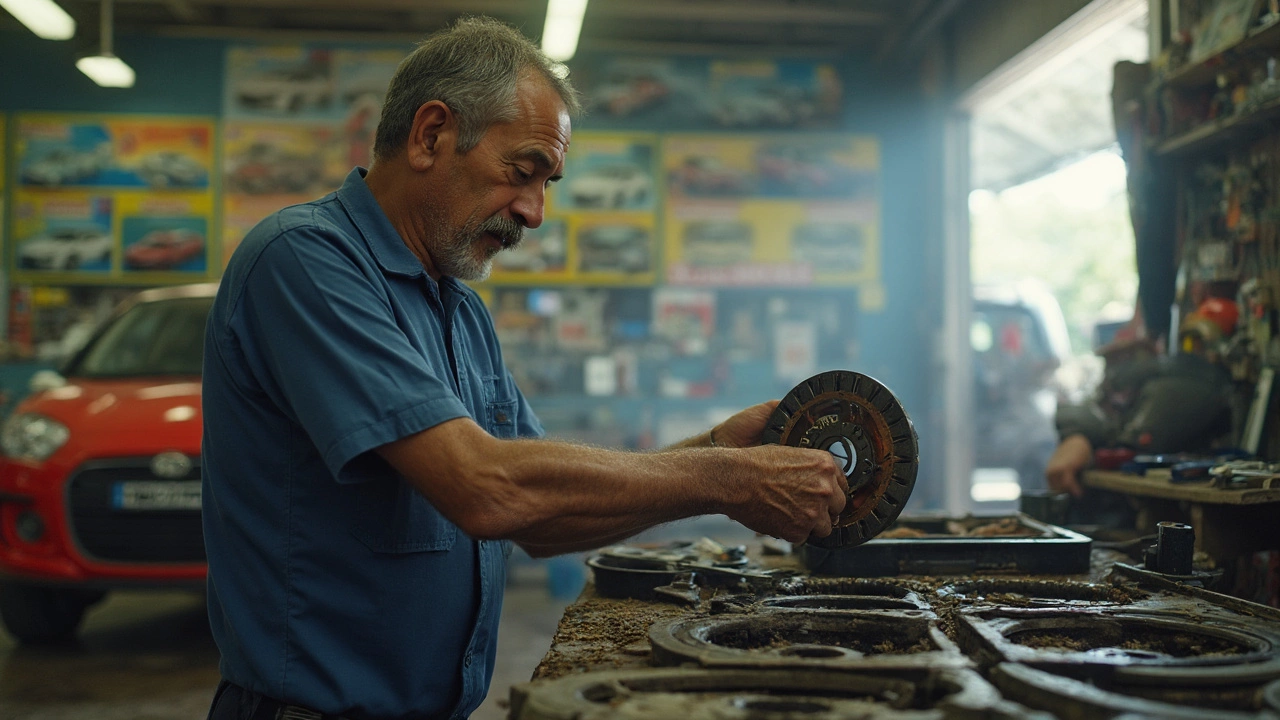
200k Miles: What Needs Replacing and When to Worry
When your car hits 200k miles, a milestone that many modern vehicles reach with proper care. Also known as 200,000-mile mark, it’s not a death sentence—it’s a checkpoint. Most cars built after 2000 are designed to last this far. But that doesn’t mean everything still works like new. The real question isn’t if your car is worn out—it’s what’s worn out, and what you can fix before it costs you more than the car’s worth.
At this point, some parts are due for replacement no matter how gently you drove. Brake pads, the friction material that slows your wheels wear down over time, and at 200k miles, they’ve likely been replaced once or twice already. But if you hear grinding, your rotors might be damaged now. Fuel pump, the electric component that pushes gas from the tank to the engine often fails around this mileage too. It doesn’t always give warning—just sudden stalling. And engine oil, the lifeblood of your motor—if you’ve been using full synthetic, you’re ahead of the game. But if you’ve been skipping changes or using cheap conventional oil, you’re risking sludge buildup that can destroy bearings or clog oil passages.
Other parts like wiper blades, air filters, and spark plugs are cheap fixes that make a huge difference. A clogged cabin air filter makes your AC work harder and fills the cabin with dust. Worn wipers turn rain into a blur. Old spark plugs don’t add power—they just stop restoring it. These aren’t major repairs, but skipping them makes driving unpleasant and unsafe.
What’s surprising is what doesn’t need replacing. The transmission, if serviced regularly, often lasts well beyond 200k miles. The engine block itself? Usually fine. It’s the small, replaceable parts that fail—not the big ones. That’s why knowing what to check matters more than fearing the number.
Below, you’ll find real advice from people who’ve been there. How to tell if your fuel pump is dying before it leaves you on the highway. Why replacing just brake pads can cost you more later. When synthetic oil still isn’t the answer. And how to spot worn wipers before they ruin your view in a storm. These aren’t theories. They’re fixes that saved people time, money, and stress.