Bent Suspension: Signs, Causes, and What to Do Next
When your car pulls to one side, rides rough over bumps, or wears tires unevenly, it’s not just a minor annoyance—it could be a bent suspension, a damaged part of your vehicle’s suspension system that affects handling, safety, and tire life. Also known as suspension misalignment, a bent suspension isn’t something you can ignore. It’s not a tune-up issue. It’s a structural problem that gets worse the longer you drive on it.
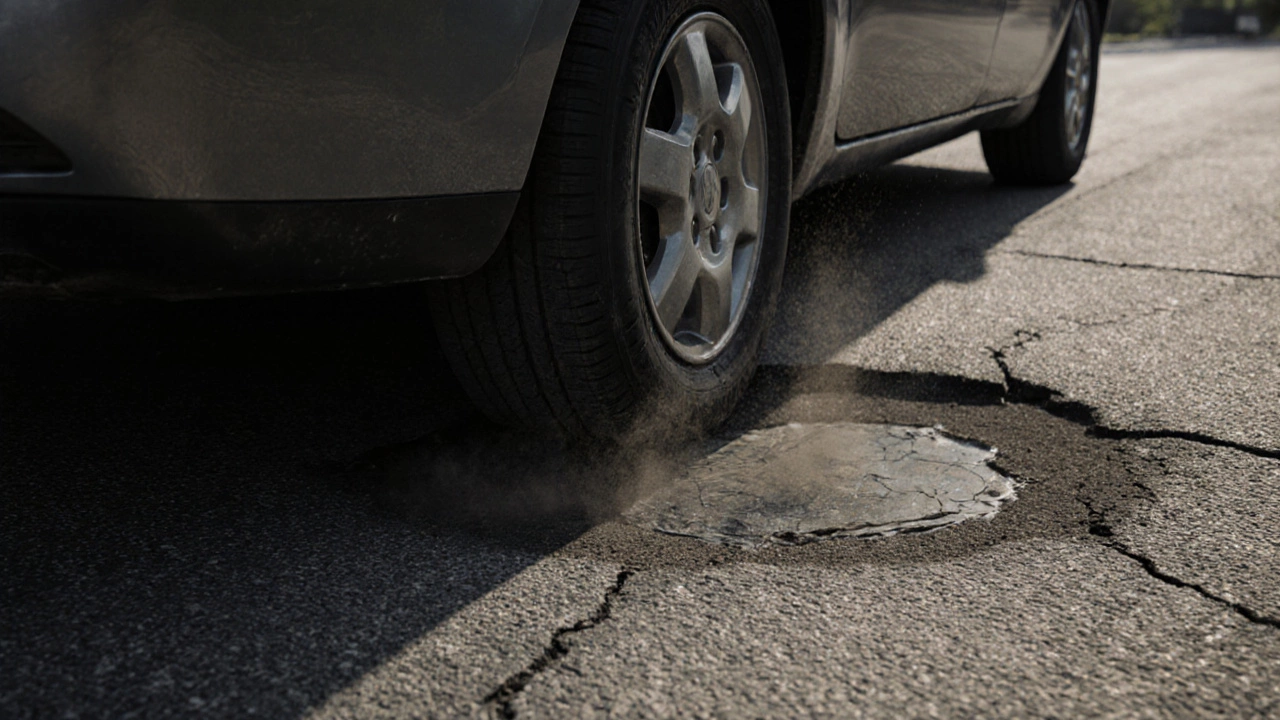
A bent suspension doesn’t happen overnight. It usually comes from hitting a deep pothole, a curb at speed, or a serious accident. Even a single hard impact can bend control arms, struts, or the frame itself. You might not hear a crash, but you’ll feel the aftermath—your steering feels loose, the car leans more than usual in turns, or you hear clunking when going over bumps. These aren’t just symptoms. They’re warnings.
What makes a bent suspension dangerous is how it hides in plain sight. Your tires might look fine, but they’re wearing out faster on one edge. Your brakes might feel okay, but they’re working harder because the alignment is off. And if you keep driving, you risk damaging other parts: ball joints, wheel bearings, even your steering rack. It’s a chain reaction. Fixing just the tire won’t help. You need to fix the root cause—the bent component.
Most people don’t realize how many parts make up a suspension system. The control arms, metal links that connect the wheels to the frame and allow movement over bumps are common failure points. So are struts, combined shock absorbers and springs that support the car’s weight and absorb road impacts. A bent strut doesn’t just make the ride bumpy—it throws off the entire alignment. Even a half-inch shift can turn a $150 repair into a $1,200 mess.
How do you know for sure? A visual inspection helps, but it’s not enough. You need a professional alignment check with digital tools. That’s the only way to catch subtle bends that your eyes miss. Some shops offer free alignment checks. Use them. Don’t wait for a tire to blow or your car to feel unstable on the highway.
And here’s the truth: replacing a bent part isn’t always expensive. But ignoring it is. A bent suspension doesn’t fix itself. It doesn’t heal. And it won’t wait for you to get around to it. The longer you drive on it, the more you spend. The more you risk. The more unsafe you become.
Below, you’ll find real-world posts from drivers who’ve dealt with this exact problem. Some found the issue early and saved hundreds. Others ignored the signs—and paid dearly. Whether you’re wondering if your car has a bent suspension, how to test it yourself, or what parts are most likely to bend, you’ll find answers here. No fluff. No guesswork. Just what actually works.