Car Engine: What It Is, How It Works, and What Keeps It Running
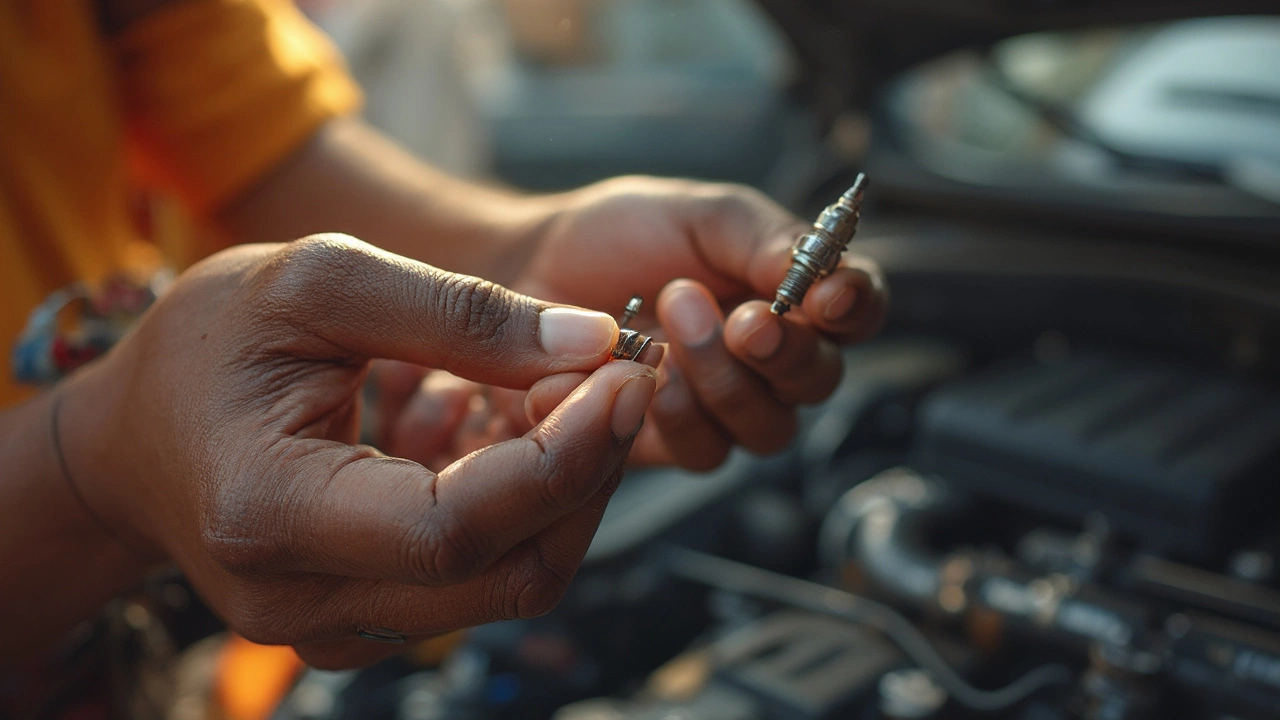
When you turn the key, the car engine, the core mechanical system that converts fuel into motion. Also known as an internal combustion engine, it’s what makes your car move — and what breaks when you ignore the small signs. It’s not just a box of parts. It’s a system where every component depends on the next. A dirty air filter, a component that stops dirt from entering the engine’s cylinders starves the engine of clean air. Low engine oil, the lifeblood that lubricates moving parts and prevents overheating causes metal to grind on metal. A failing fuel pump, the device that pushes gasoline from the tank to the engine leaves you stranded with no warning. And worn spark plugs, the tiny electrodes that ignite the fuel-air mix make your engine misfire, waste gas, and lose power.
You don’t need to be a mechanic to understand what’s going on inside your engine. Most problems start small. A slight hesitation when you press the gas? Could be a clogged air filter or weak spark. A knocking sound? Might be low oil or bad fuel. A car that won’t start? Don’t assume it’s the battery — the fuel pump could be dead, and no amount of jumping will fix that. These aren’t abstract problems. They’re real, common, and often preventable. The posts below cover exactly what happens when these parts fail, how to spot the signs before it’s too late, and what actually works when it’s time to replace them. No fluff. No guesses. Just what you need to know to keep your engine running smoothly.
Whether you’re driving a 10-year-old sedan or a tuned-up daily driver, the same rules apply. Your engine doesn’t care about the brand on the hood — it only cares about clean air, proper fuel, good oil, and strong sparks. The articles here cut through the myths: no, upgrading spark plugs won’t add horsepower unless your old ones were broken. No, you can’t jump-start a bad fuel pump. And yes, using the wrong oil can wreck your engine faster than you think. This isn’t theory. It’s what mechanics see every day — and what you need to know before your next repair bill hits.