There’s a reason you hear a deep rumble from a muscle car down the street and feel it in your chest. That sound isn’t just noise-it’s personality. But not all exhaust tips make that sound. In fact, most don’t. The tips you see on cars are often just the end cap. The real sound comes from what’s inside the pipe, not the tip you see at the back.
Exhaust tips don’t make the sound
Let’s clear this up first: exhaust tips are cosmetic. They don’t change the tone, volume, or character of your exhaust note. A 4-inch stainless steel dual tip might look aggressive, but if your muffler is stock and your headers are factory, you’re not getting a V8 growl-you’re getting a quiet, muffled drone. The tip is like the nozzle on a garden hose. It doesn’t change the water pressure. It just shapes how it comes out.
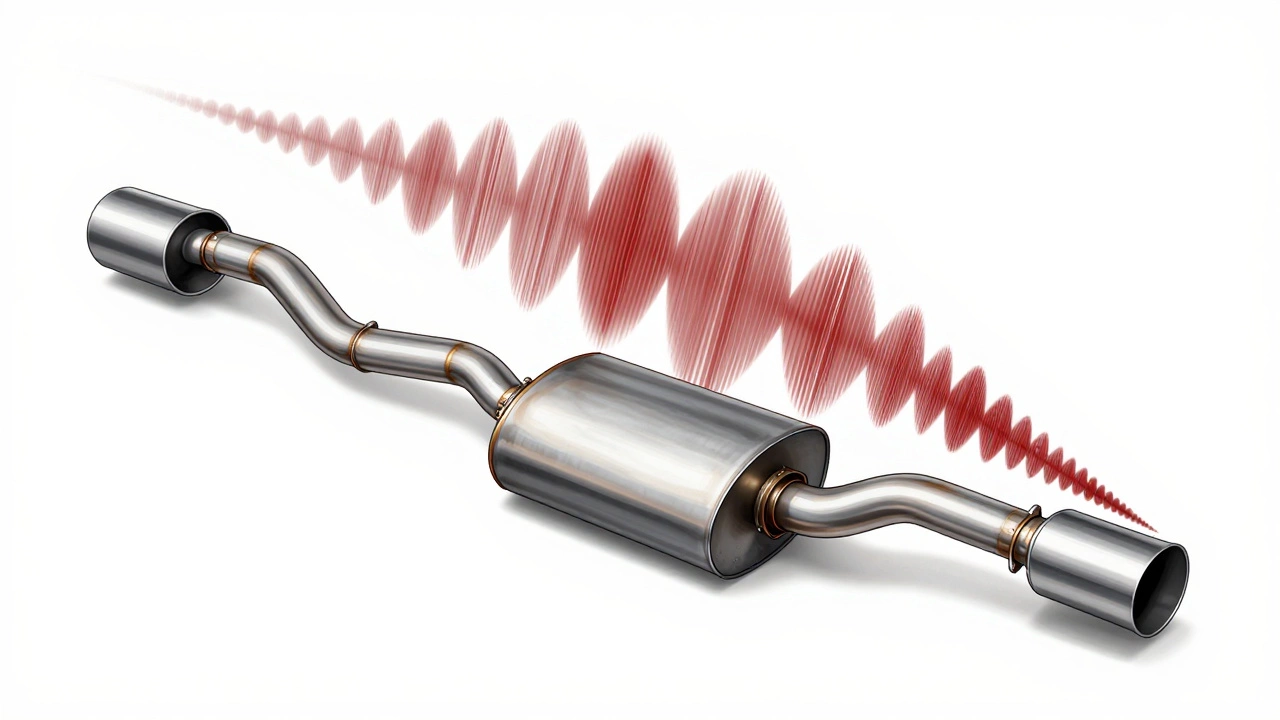
People buy big tips because they think it’ll make their car louder. It won’t. You can slap on the biggest, double-walled, polished tip on the market, and if your system is stock, your car will still sound like a tired sedan. The sound comes from the exhaust flow, the pipe diameter, the muffler design, and the resonator setup. The tip? It’s just the last thing you see.
What actually controls exhaust sound
If you want your car to sound like a Porsche 911, a Ford Mustang GT, or a Subaru WRX STI, you need to change the system-not the tips. Here’s what matters:
- Pipe diameter: Larger pipes (2.5-inch to 3-inch) allow more airflow, reducing backpressure and creating a deeper tone. Smaller pipes (2-inch or less) tend to sound raspy or tinny.
- Muffler type: Straight-through (glasspack) mufflers are louder and more aggressive. Chambered mufflers give a rich, resonant rumble. Stock mufflers are designed to mute noise-no matter what tip you add.
- Resonators: These are tuned chambers that cancel out certain frequencies. Removing them makes the sound harsher. Adding them can smooth out drone without killing volume.
- Header design: Long-tube headers improve scavenging and create a more musical exhaust note. Short headers? They just make the engine sound louder, not better.
Real-world example: A 2021 Toyota Supra with a stock exhaust and 4-inch tips sounds fine but unremarkable. Swap the muffler for a Borla ATAK system (straight-through design), keep the same tips, and suddenly it sounds like a European sports car. The tips didn’t change. The system did.
Why people think tips matter
It’s marketing. Car companies and aftermarket brands know that big, shiny tips look cool. They put them on show cars, in ads, and on Instagram. You see a blacked-out R35 GT-R with massive dual tips and assume the sound comes from there. It doesn’t. The GT-R’s sound comes from its twin-turbo 3.8L V6, its titanium exhaust manifold, and its active exhaust valves that open under load.
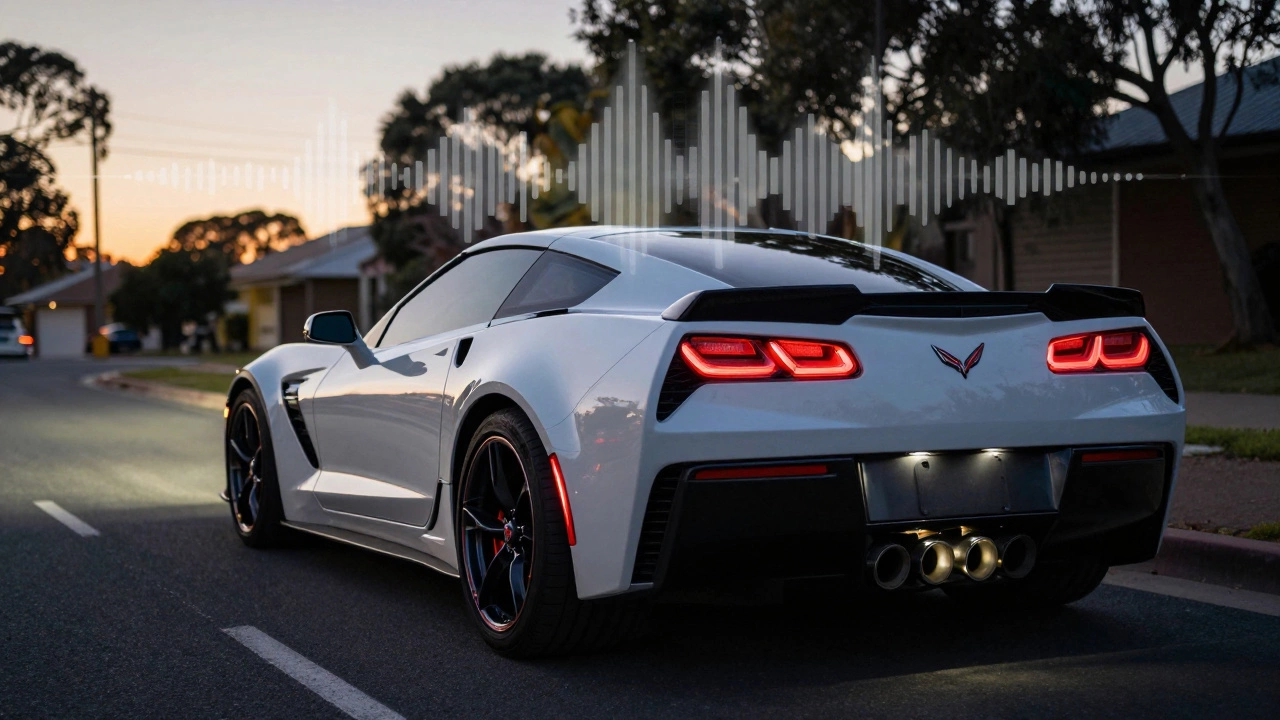
Even car manufacturers know this. Look at the Chevrolet Corvette Z06. It has tiny, almost hidden exhaust tips. But it sounds like a race car because the entire system-from the headers to the mufflers-is engineered for sound, not looks. The tips are there because they’re part of the design, not because they’re the source of the noise.
What exhaust tips *do* affect
While they don’t change sound, tips do influence:
- Appearance: Polished stainless, black chrome, carbon fiber-these change how your car looks. A clean, matched set of tips can elevate the whole rear end.
- Corrosion resistance: Cheap, thin steel tips rust in months. Stainless steel lasts years. In Adelaide’s salty coastal air, that matters.
- Heat management: Some tips have heat shields built in. That helps protect your bumper or paint from scorching.
- Backpressure (minor): A tip that’s too narrow for your exhaust flow can create a tiny restriction. But this only matters if you’re running a high-horsepower setup with over 400 hp.
So if you want to upgrade tips, do it for looks, durability, or to match your wheels. Don’t do it for sound.
How to get the sound you want
If you’re serious about exhaust tone, here’s what works:
- Start with a performance muffler. Brands like MagnaFlow, Borla, and Corsa are known for tone, not just volume.
- Choose a system with dual outlets if you want a balanced, symmetrical look. Single exit tips often sound thin.
- Go for a 2.5-inch to 3-inch diameter system. Anything smaller won’t flow well on tuned engines.
- Consider a resonated system if you drive daily. Non-resonated systems can get drone-heavy on highways.
- Only then, pick tips that match your style. Oval tips for muscle cars, round for European sports cars, slash-cut for a sportier look.
Real example: A 2018 Honda Civic Type R with a resonated Borla exhaust and 3.5-inch round tips sounds aggressive but not annoying. It’s deep, crisp, and sounds like it’s working hard-not like a lawnmower with a megaphone.
What to avoid
Don’t fall for these myths:
- “Bigger tips = louder sound.” Nope. A 5-inch tip on a stock exhaust just looks silly and costs $300 for zero performance gain.
- “Flame-spitting tips = performance.” Flames come from unburned fuel in the exhaust-usually from bad tuning. It’s not a sign of power. It’s a sign of waste.
- “Dual tips are always better.” Not if your car only has one outlet. Fake dual tips (single pipe splitting into two tips) look cheap and don’t improve flow.
- “Carbon fiber tips are louder.” They’re lighter and look premium, but they’re just plastic with a carbon wrap. They don’t affect sound at all.
Best exhaust tips for looks (without changing sound)
If you’re happy with your exhaust tone but want to upgrade the look, here are the most popular and durable options:
| Style | Best For | Material | Price Range |
|---|---|---|---|
| Round, dual-slash cut | Sport compacts, JDM cars | Polished stainless | $80-$150 |
| Large oval, single exit | American muscle | Black chrome | $100-$180 |
| Double-wall, rolled edge | European sedans | Stainless steel | $120-$200 |
| Carbon fiber wrap | High-end builds | Carbon fiber over steel | $150-$300 |
| Flared, tapered | Race-inspired builds | Stainless steel | $90-$160 |
Pro tip: Match your tip size to your pipe. If your exhaust pipe is 2.5 inches, don’t use a 4-inch tip. It looks disconnected. Aim for a 0.5-inch to 1-inch wider tip than your pipe for a clean transition.
Final advice: Sound first, looks second
If you want your car to sound amazing, invest in the system-not the tips. A good muffler and properly sized pipes will give you a tone that turns heads. A nice tip? That’s the cherry on top.
Go to a local exhaust shop. Ask them to play you samples of different mufflers on a dyno. Listen to the difference between a chambered and a straight-through. That’s the sound you want. Then pick tips that match your style. Don’t let the tip drive your decision.
In Adelaide, where the roads are wide and the nights are quiet, a well-tuned exhaust can make your drive unforgettable. But it’s not the tip that makes the magic. It’s the system behind it.
Do exhaust tips make a car louder?
No. Exhaust tips are purely cosmetic. They don’t increase volume or change tone. The sound comes from the muffler, pipe diameter, headers, and resonators. A big tip on a stock exhaust will still sound quiet and dull.
What’s the best material for exhaust tips?
Polished stainless steel is the best for durability and appearance. It resists rust, holds its shine, and lasts years-even in salty coastal areas like Adelaide. Black chrome looks great but can chip. Carbon fiber wraps are stylish but don’t improve performance or longevity.
Can I just replace the tips without changing the whole exhaust?
Yes, but only if your existing tailpipe ends are cut cleanly and match the tip’s inlet size. Most aftermarket tips slide over the end of your existing pipe and are clamped or welded in place. But if your exhaust is stock, replacing tips alone won’t improve sound or performance.
Why do some cars have tiny exhaust tips?
High-performance cars like the Corvette Z06 or Porsche 911 GT3 have small tips because their exhaust systems are designed for efficiency, not looks. The real performance is in the internal piping, valves, and mufflers. Small tips mean less backpressure and better flow.
Are dual exhaust tips better than single?
For sound, no. Dual tips only matter if your car has two actual exhaust outlets. Fake dual tips (one pipe splitting into two) look cheap and don’t improve airflow. But for looks, dual tips give symmetry and a sportier stance, especially on rear-wheel-drive cars.