Car Radiator Replacement: Signs, Time, and What You Need to Know
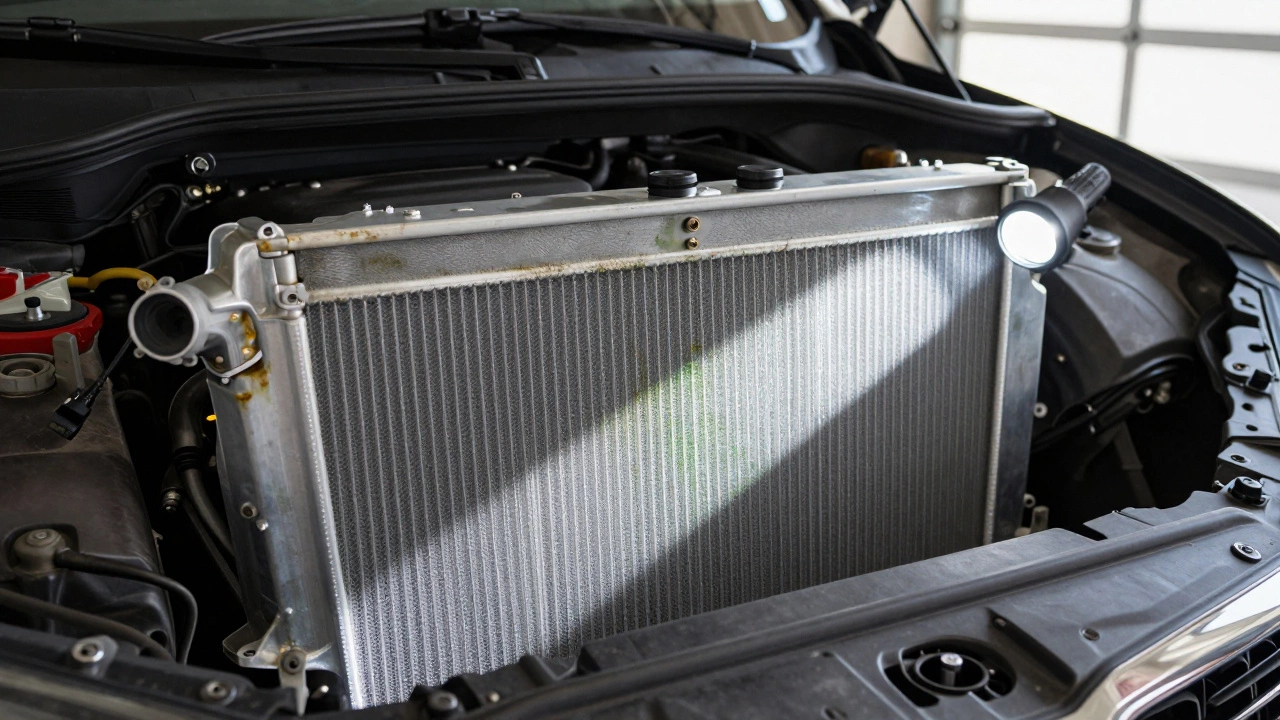
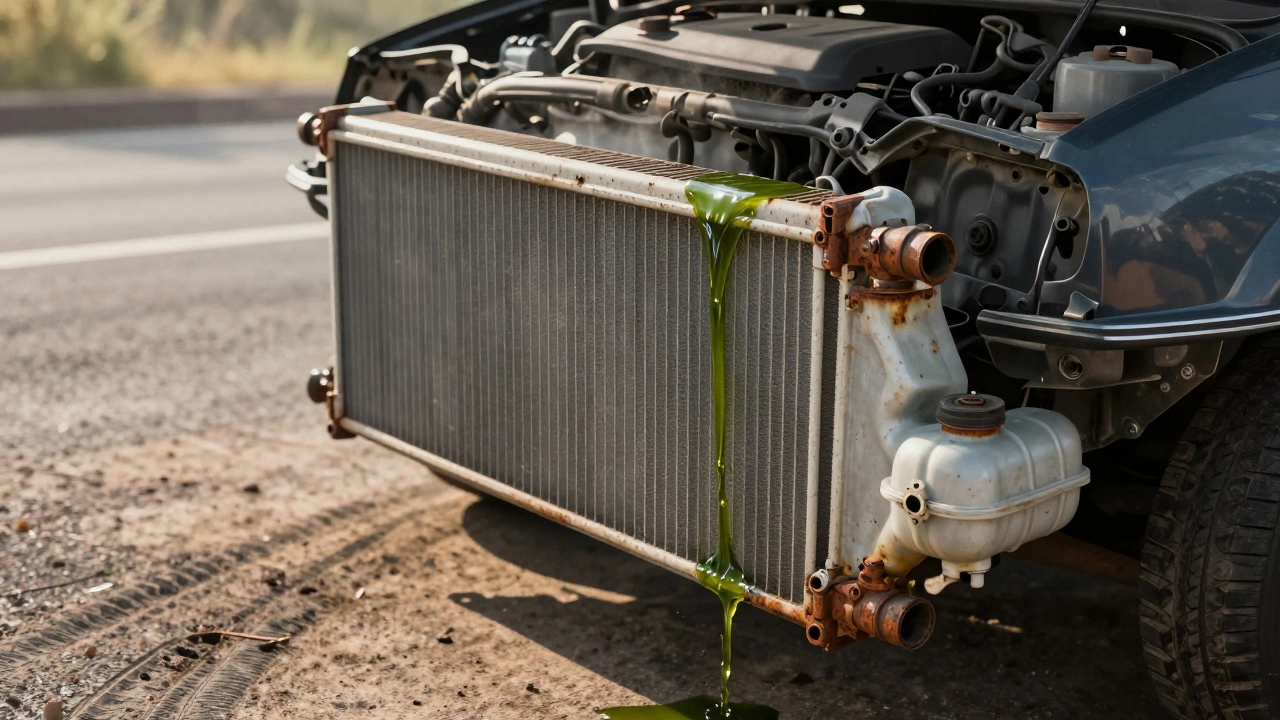
When your car radiator, the core component that cools engine coolant to prevent overheating. Also known as engine coolant radiator, it's one of the few parts that can kill your engine in minutes if it fails. A bad radiator doesn’t always scream for help—it might just quietly let your engine overheat, then leave you stranded. You might notice steam under the hood, a sweet smell from leaking coolant, or the temperature gauge climbing into the red. These aren’t warnings you can ignore. Even a small leak can turn into a blown head gasket, and that repair costs ten times what a radiator replacement does.
Most people don’t realize how fast a radiator can go bad. Rust from old coolant, road debris hitting the fins, or even a loose hose clamp can cause failure. If you’ve had the same coolant in there for more than five years, you’re already playing Russian roulette with your engine. And if you’re seeing puddles under your car that look like orange or green syrup, that’s not oil—it’s coolant escaping from a cracked tank or failing seal. Replacing the radiator before it bursts saves you from towing fees, engine rebuilds, and weeks without a car.
How long does it take? If you’re doing it yourself, plan for 3 to 6 hours, the typical time needed for a DIY radiator swap with basic tools. A shop might do it in under two hours, but labor costs add up. The real time-saver? Knowing exactly what parts you need. Radiators aren’t one-size-fits-all—your Honda Civic won’t fit a Ford F-150’s unit, and aftermarket parts vary wildly in quality. Look for OEM-style replacements with the same inlet/outlet positions and fan mounting style. Don’t skip the thermostat or coolant flush either—replacing the radiator without cleaning the system is like putting a new battery in a car with corroded terminals.
And while you’re at it, check the hoses, water pump, and radiator cap. These are the usual suspects that cause the same symptoms as a bad radiator. A cracked hose or weak cap can mimic a radiator leak, but fixing them costs under $50 instead of $500. Many of the posts below walk you through exactly how to test your cooling system step by step—no guesswork, no unnecessary parts bought on impulse.
You’ll find real-world guides here on how long a radiator swap takes, what tools you actually need, and how to spot a failing unit before it leaves you stranded. Whether you’re a weekend mechanic or just trying to avoid a dealership bill, the posts below give you the facts—not marketing fluff. No one’s going to tell you to buy a $400 radiator when a $120 one does the job. You’ll learn what works, what doesn’t, and how to do it right the first time.