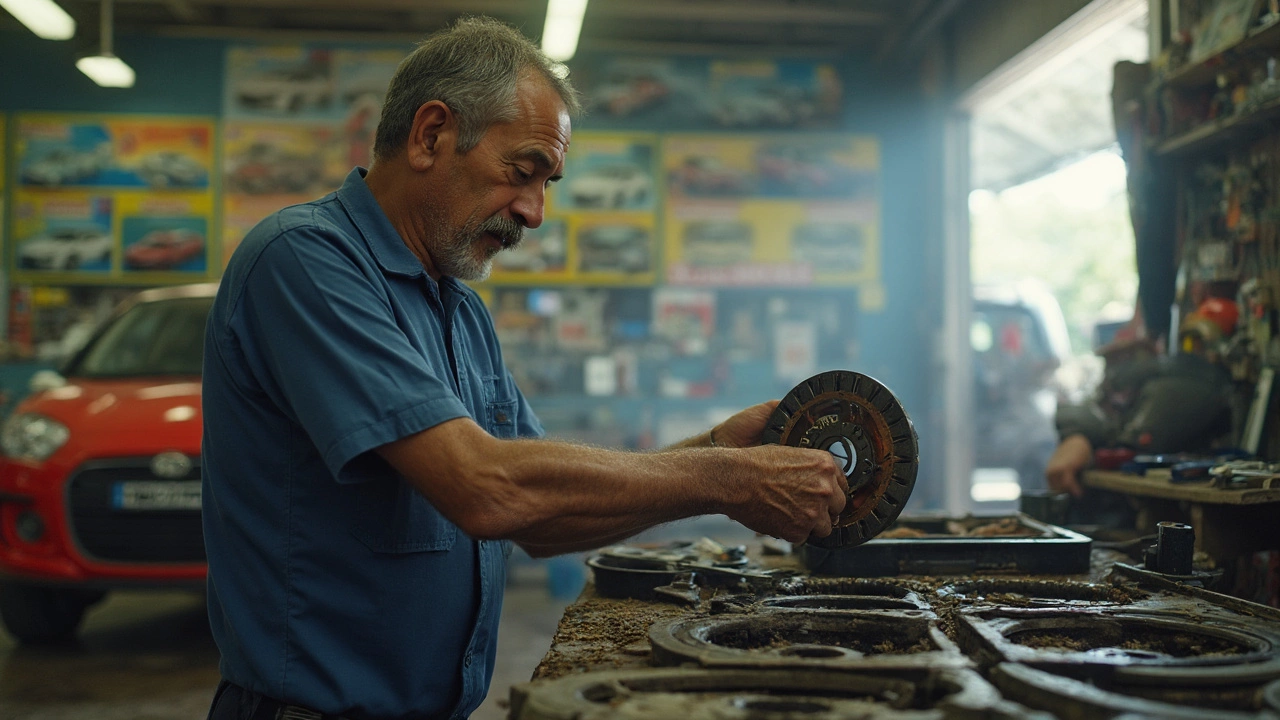
Driving Habits That Affect Your Car's Parts and Longevity
When you think about car maintenance, you probably picture oil changes, filter swaps, or brake checks. But the biggest factor in how long your parts last isn’t what you do at the shop—it’s what you do behind the wheel. Driving habits, the way you accelerate, brake, shift, and handle your vehicle on the road. Also known as driving style, it directly controls how quickly your brake pads, clutch, and even windshield wipers wear down.
Aggressive driving—like slamming the brakes at every light or riding the clutch while waiting at traffic—doesn’t just feel rough, it’s expensive. A clutch can burn out in as little as 20,000 miles if you’re always half-engaged. Brake pads that should last 50,000 miles might need replacing at 30,000 if you’re constantly braking hard. And don’t forget your wipers: if you’re driving with a dirty windshield and using them on dry glass, you’re grinding debris into the rubber and killing them faster. These aren’t myths. These are real patterns seen in thousands of cars, backed by mechanics who see the damage every day.
It’s not just about speed or aggression. Even small habits add up. Idling for long periods in traffic increases engine wear because the oil doesn’t circulate as well. Not warming up your car in cold weather strains the engine and transmission. Using your brakes instead of engine braking on hills? That’s extra heat and friction on your pads and rotors. And if you’re driving with worn wipers, you’re reducing visibility—which leads to sudden stops, jerky steering, and more stress on your suspension. All these habits connect. One bad habit can trigger chain reactions across multiple systems.
The good news? Fixing your driving habits doesn’t cost a dime. It just takes awareness. Start by easing off the gas before stops. Shift smoothly. Clean your windshield before turning on the wipers. Let your engine warm up for 30 seconds in winter. These aren’t tricks—they’re basic car care you can do without tools or a garage. And the payoff? Longer-lasting parts, fewer breakdowns, and more money in your pocket.
Below, you’ll find real guides from mechanics and everyday drivers who’ve seen what happens when habits go wrong—and how to fix them. Whether it’s knowing when your brake pads are done, why your clutch died early, or how wiper wear is tied to how you clean your windshield, the answers are here. No fluff. Just what works.