Exhaust System: What It Does, How It Fails, and What to Replace
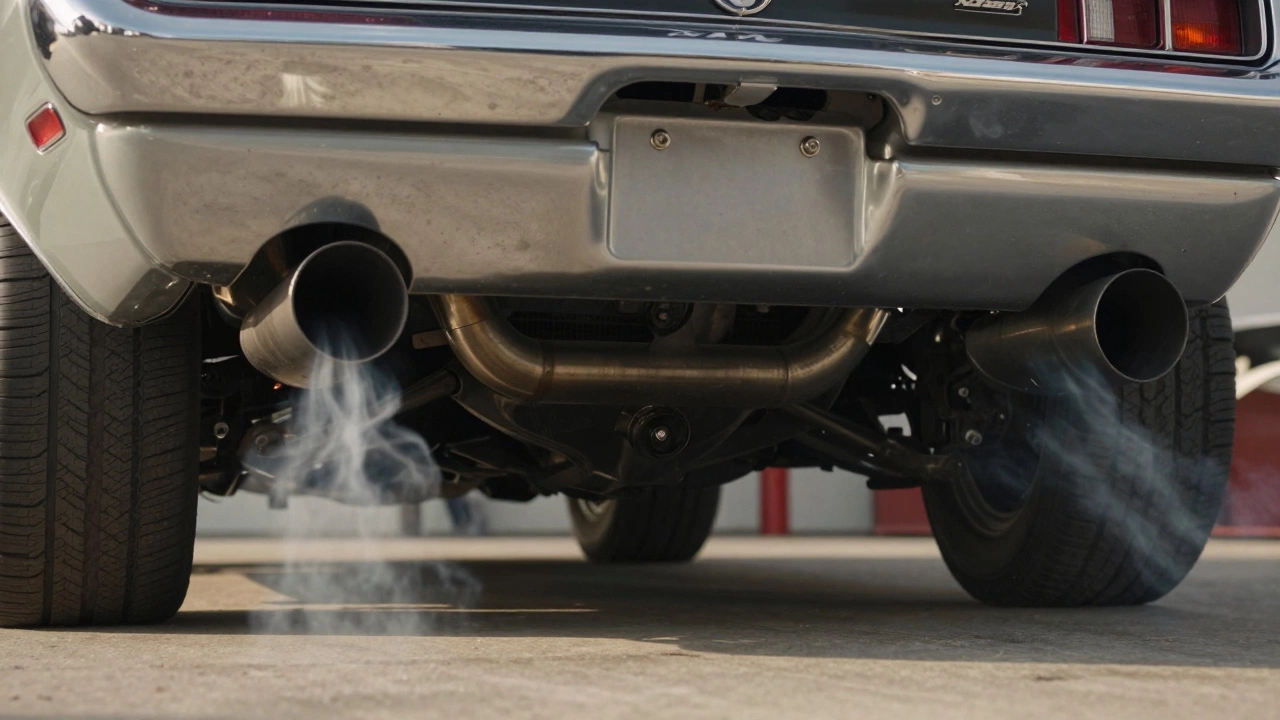
When you hear that rumble from the back of your car, you're hearing the exhaust system, the network of pipes and components that safely channels harmful gases away from your engine and out of the vehicle. Also known as the emissions control system, it’s not just about noise—it’s about safety, efficiency, and legal compliance. Without it, carbon monoxide could leak into your cabin, your engine would lose power, and your car would fail emissions tests.
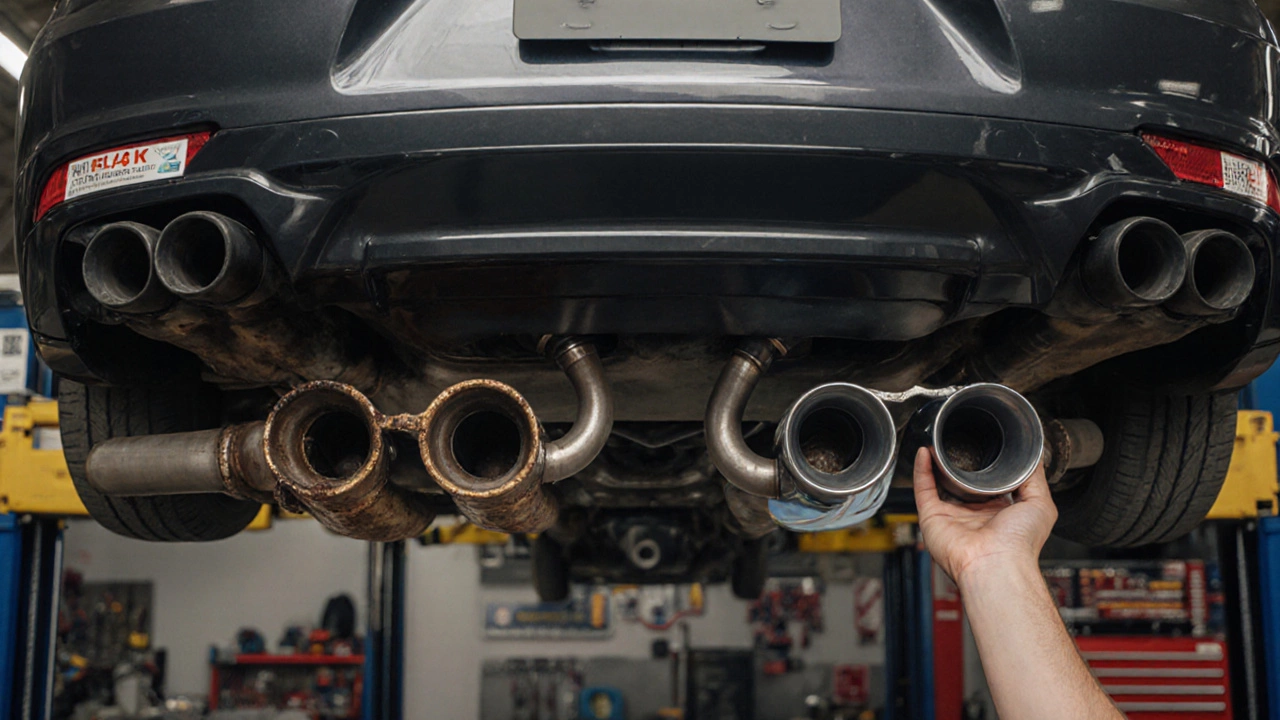
The exhaust manifold, the first part that collects hot gases from each cylinder cracks under heat stress, especially in older cars. Then there’s the catalytic converter, the part that turns toxic fumes into less harmful gases—it clogs over time or gets stolen because of its precious metal content. The muffler, the component that reduces engine noise, rusts out from moisture and road salt. And the exhaust pipe, the long metal tube that runs from the muffler to the tailpipe often rusts through near the rear axle. These parts don’t last forever, and when they fail, they don’t just get louder—they hurt performance and safety.
You’ll know something’s wrong if you hear a new rattling sound, smell fumes inside the car, see black smoke from the tailpipe, or notice your fuel economy dropping suddenly. A broken exhaust doesn’t just annoy your neighbors—it can make your engine work harder, increase emissions, and even damage your oxygen sensors. Replacing just the muffler won’t fix a cracked manifold. And if the catalytic converter is gone, no amount of new pipes will fix your car’s performance.
Below, you’ll find real-world guides on diagnosing exhaust problems, spotting fake fixes, and knowing which parts actually need replacement—not just upgrades. Whether you’re dealing with a noisy muffler or a failing catalytic converter, these posts give you the straight facts without the sales pitch.