What Shortens Spark Plug Life? 7 Common Causes and How to Avoid Them
Spark plugs don't last forever. Learn the 7 main reasons they fail early-from wrong type and oil leaks to poor fuel and bad installation-and how to make them last longer.
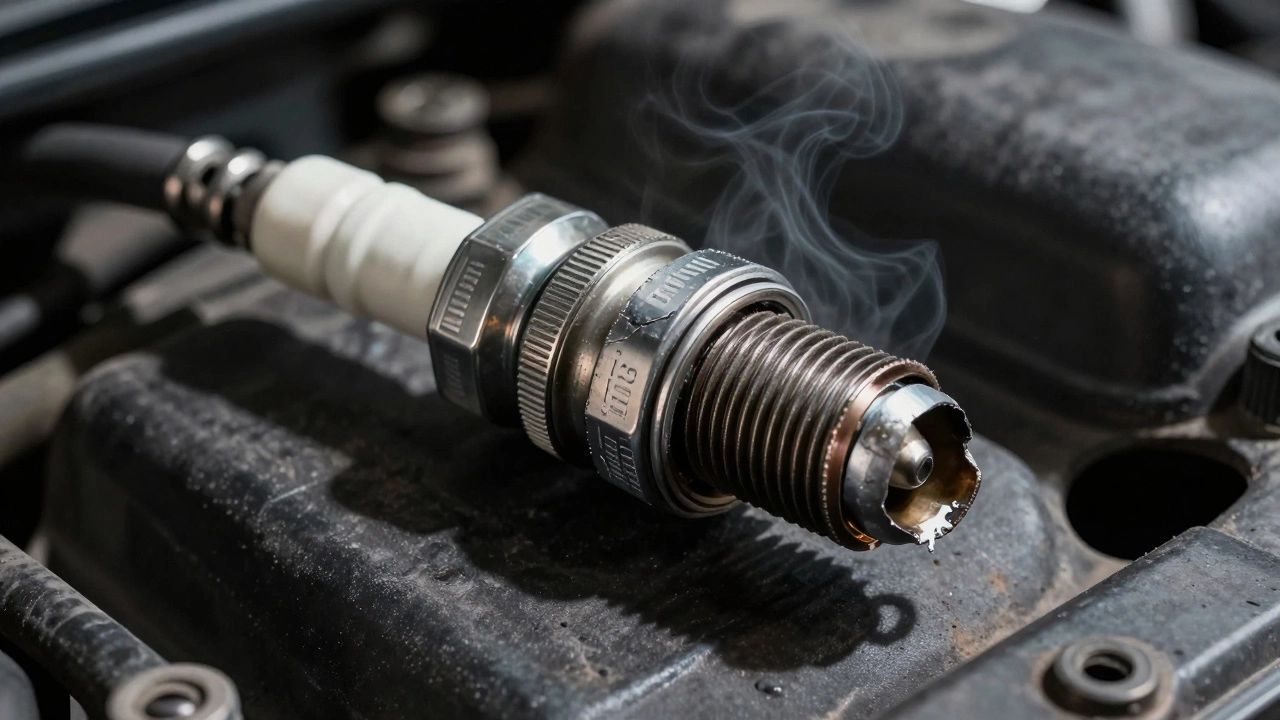
View moreWhen your engine sputters, misfires, or struggles to start, the culprit isn’t always the battery or fuel pump—it could be your spark plugs, small but critical components that ignite the air-fuel mixture in your engine’s cylinders. Also known as ignition plugs, they’re the heartbeat of your combustion engine. Even though they’re tiny, their condition directly affects fuel efficiency, power, and emissions. Most manufacturers say spark plugs last between 30,000 and 100,000 miles, but that’s not a guarantee. Driving style, fuel quality, and engine design all play a role. If you’re constantly short-tripping, idling for long periods, or using low-grade fuel, your plugs wear out faster.
Not all spark plugs are the same. copper, the most common and affordable type, typically lasts 20,000 to 30,000 miles. platinum, offers better durability and can last up to 60,000 miles. And iridium, the premium choice, often pushes past 100,000 miles with consistent performance. The type you need depends on your car’s design—some engines demand specific plug materials to run properly. Using the wrong kind can cause misfires or even damage your cylinder head.
Signs your spark plugs are dying aren’t always obvious. You might notice rough idling, slower acceleration, or a drop in fuel economy. Your check engine light might come on with a misfire code. Sometimes, you just feel the engine isn’t responding like it used to. These aren’t just "annoyances"—they’re warnings that your engine isn’t burning fuel efficiently, which means more pollution and higher costs. Replacing worn plugs doesn’t add horsepower, but it restores what you’ve lost. It’s like giving your engine a fresh breath.
Many people wait until their car won’t start to think about spark plugs. That’s too late. The best time to replace them is before they fail, based on your vehicle’s maintenance schedule or when you notice early signs of trouble. And don’t assume that because your car runs, the plugs are fine. A plug can look okay but still be weak enough to hurt performance. Checking them every 30,000 miles—even if you’re not having issues—is a cheap way to avoid bigger problems down the road.
Below, you’ll find real-world guides on what spark plugs actually do, how they affect engine performance, and what to look for when it’s time to swap them out. No fluff. Just clear, practical info from people who’ve seen what happens when these tiny parts give out.
Spark plugs don't last forever. Learn the 7 main reasons they fail early-from wrong type and oil leaks to poor fuel and bad installation-and how to make them last longer.
View more