Brake Pad Replacement Frequency: How Often Should You Change Them?
Learn how often brake pads need replacing, factors that affect wear, warning signs, DIY inspection steps, and tips to extend their lifespan.
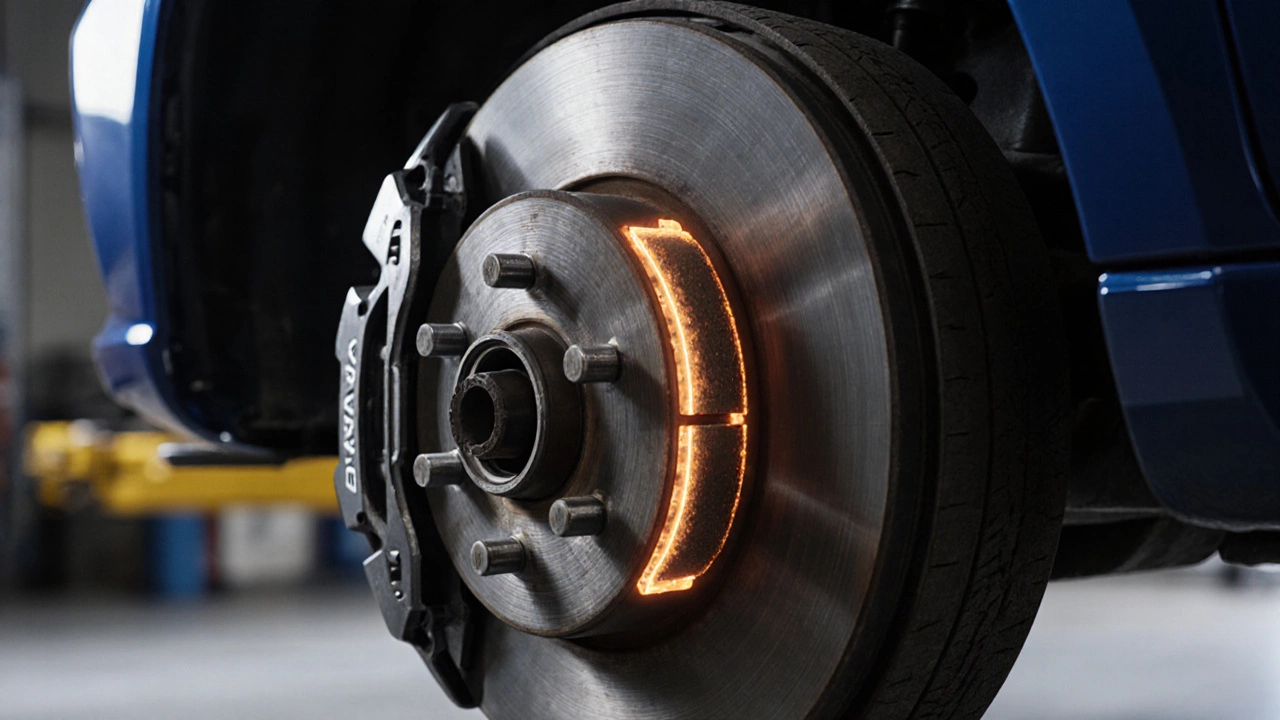
View moreWhen you hit the brakes, stopping distance is the one number that could save your life. It’s not just how fast you’re going—it’s the total distance your car travels from the moment you decide to stop until you come to a complete halt. This includes your reaction time and the actual braking distance. Many drivers think good brakes are enough, but brake pads, the friction material that clamps down on the rotors to slow the vehicle wear out, brake rotors, the metal discs that brake pads grip to create stopping force get warped, and even wet or icy roads can double your stopping distance. You don’t need to be a mechanic to understand this—you just need to know the signs.
What most people miss is that stopping distance changes with every drive. A car with worn brake pads might take 20% longer to stop than one with new ones. If your rotors are grooved or overheated, they won’t transfer heat properly, causing brake fade. And if your tires are bald or underinflated, even the best brakes won’t help. Studies show that a vehicle with worn brakes and tires can take over 100 feet longer to stop at 60 mph than a properly maintained one—that’s the length of a school bus. You can’t see brake pad wear just by looking at the wheel, but you can hear it: squealing, grinding, or a soft, spongy pedal are all red flags. Longer stopping distances don’t show up on your dashboard—they show up in skid marks and crashes.
It’s not just about replacing parts—it’s about knowing when. Brake pads typically last 30,000 to 70,000 miles, but if you drive in the city, haul heavy loads, or ride the brakes downhill, they wear faster. That’s why checking for vibration, noise, or a warning light matters more than mileage. Your car’s brake wear signs, audible, visual, and tactile cues that indicate brake system degradation are your early warning system. Ignoring them doesn’t just risk your safety—it can turn a simple pad replacement into a costly rotor or caliper repair. And if you’ve ever had to slam on the brakes in the rain and felt your car take too long to stop, you already know how dangerous this can be.
Below, you’ll find real advice from people who’ve been there: how to spot failing brakes before it’s too late, why replacing just the pads isn’t always enough, and what actually makes a difference when it counts. These aren’t theory pages—they’re practical guides from drivers and mechanics who’ve fixed, tested, and lived with these problems. What you learn here could keep you from becoming a statistic.
Learn how often brake pads need replacing, factors that affect wear, warning signs, DIY inspection steps, and tips to extend their lifespan.
View more