Wiper Blade Value & Fitment Advisor
Estimate the true cost of ownership for silicone vs. rubber blades and get a personalised recommendation based on your driving conditions.
| Factor | Silicone | Rubber |
|---|---|---|
| Heat resistance | High | Prone to hardening |
| Cold flexibility | Stays flexible | Can stiffen |
| Dusty / dirty glass | Skip risk | Better grip |
| Maintenance sensitivity | Higher | Lower |
There is a persistent myth in the automotive world that silicone wiper blades are the superior choice for every vehicle. But is that actually true? If you drive in Adelaide, where we get scorching summers and occasional heavy rain, you know that your wipers need to perform under extreme conditions. The short answer is: it depends on your climate, your budget, and how much you value convenience over raw performance.
Most modern cars come with conventional rubber blades, but silicone options have gained traction due to their longevity and hydrophobic properties. Before you spend extra money at the parts store, let’s break down exactly how they differ, which one fits your needs, and what common mistakes people make when switching.
Key Takeaways
- Silicone blades last longer (up to 3 years) than standard rubber blades (6-12 months).
- Rubber blades provide better contact in dry or dusty conditions; silicone excels in wet, cold, or hot environments.
- Silicone requires specific care: avoid touching the edge and use compatible washer fluid.
- For most Australian drivers, high-quality rubber blades offer the best balance of cost and performance.
- Bezelless designs work well with both materials, but ensure the frame fits your specific car model.
The Material Difference: Rubber vs. Silicone
To understand why one might be better than the other, you have to look at the chemistry. Traditional wiper blades use a vulcanized rubber compound. This material is flexible and creates a tight seal against the glass. However, rubber degrades quickly when exposed to UV rays, heat, and ozone. In our local climate, a set of cheap rubber blades can harden and crack within six months, leading to streaking and chattering.
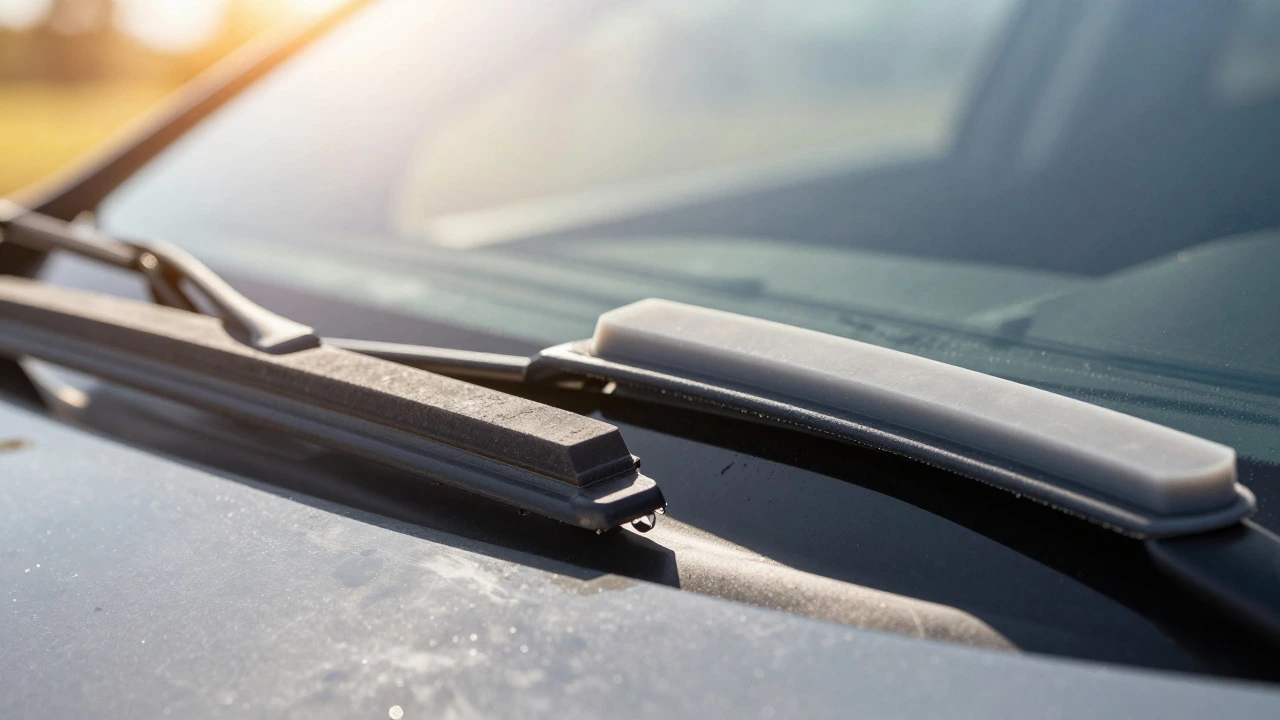
Silicone, on the other hand, is a synthetic polymer. It is more resistant to temperature fluctuations. A silicone blade remains flexible even in freezing temperatures and doesn’t harden as quickly in intense heat. According to industry tests from major manufacturers like Bosch and Rain-X, silicone compounds retain their elasticity up to 50% longer than standard rubber under similar UV exposure. This means fewer replacements and less frequent trips to the auto shop.
| Feature | Silicone Blade | Rubber Blade |
|---|---|---|
| Lifespan | 18-36 months | 6-12 months |
| Performance in Heat | High resistance to hardening | Prone to cracking/hardening |
| Performance in Cold | Stays flexible | Can stiffen |
| Hydrophobic Effect | Natural water-repellent coating | None (requires aftermarket spray) |
| Cost | $40 - $80 per set | $20 - $40 per set |
| Maintenance Sensitivity | High (avoid oils/grease) | Low |
Performance in Real-World Conditions
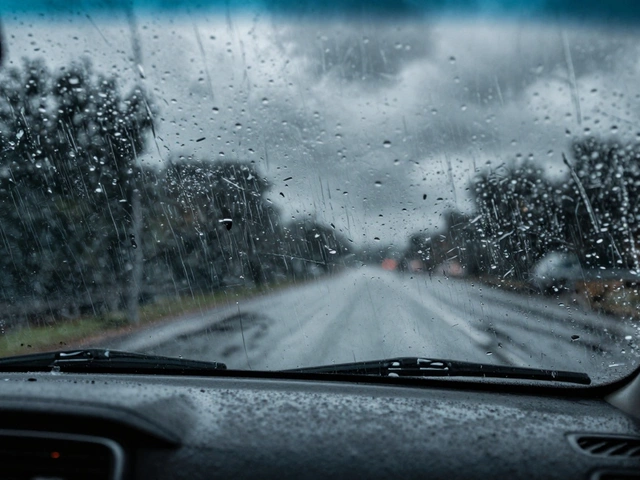
How do these materials actually behave when you’re driving through a storm? Silicone blades have a distinct advantage in wet conditions. The material itself has a slight hydrophobic quality, meaning water beads up and rolls off the glass more easily. This reduces the amount of drag the motor has to overcome, resulting in a quieter operation and less strain on the wiper mechanism.
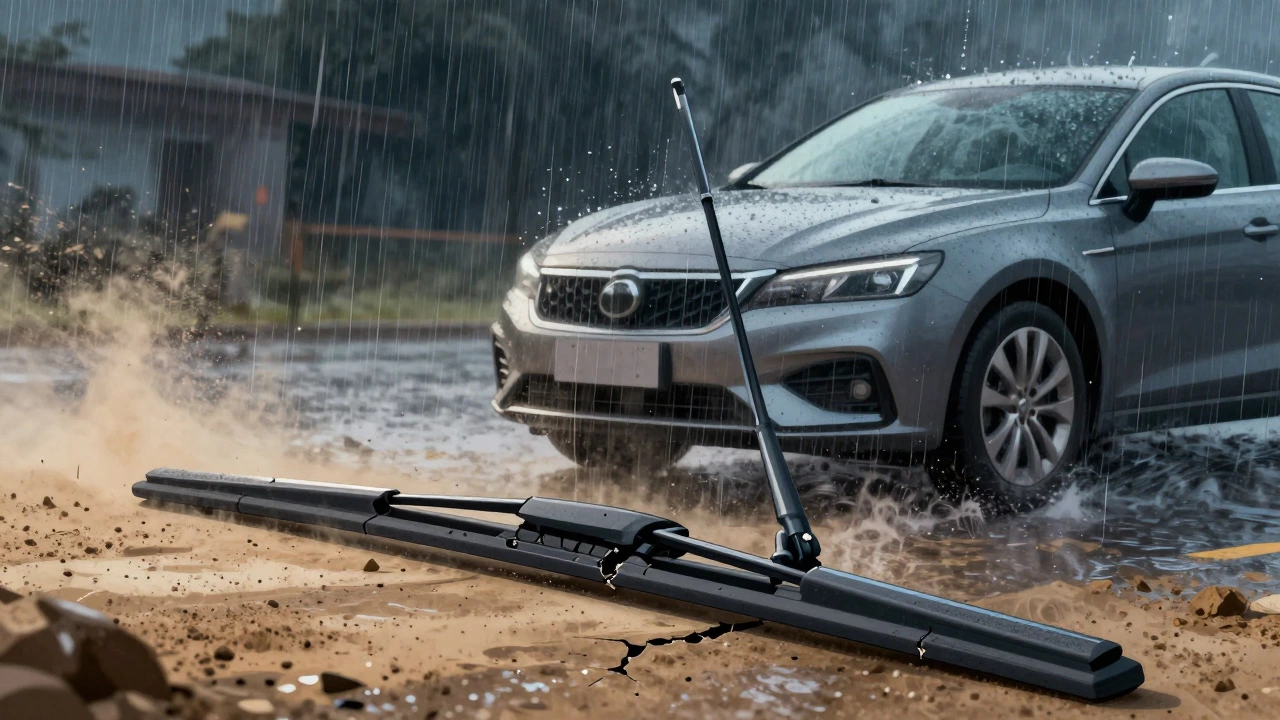
However, there is a catch. Silicone blades rely on smoothness. If your windscreen is dirty, dusty, or has road film on it, the silicone edge can skip or chatter because it doesn't grip the dirt as effectively as rubber does. Rubber blades are more forgiving of imperfect glass surfaces. They press into the micro-scratches and debris, maintaining consistent contact. So, if you don’t wash your car regularly or live near construction sites, rubber might actually give you a clearer view despite its shorter lifespan.
In terms of visibility, both materials perform similarly when the glass is clean. The difference lies in the 'feel' of the wipe. Many users report that silicone blades leave less residue behind after wiping, whereas rubber can sometimes leave a faint smear if the blade is worn. For night driving, this lack of smear is a significant safety benefit, as it reduces glare from oncoming headlights.
Installation and Compatibility Issues
One of the biggest complaints about switching to silicone isn't the material itself, but the fitment. Most premium silicone blades come in bezelless or flat-frame designs. These are sleeker and aerodynamic, but they require precise alignment with your wiper arm's hook or pin.
If you buy a generic silicone blade without checking your vehicle's specific adapter type, you risk buying a product that doesn't fit. Always check your owner’s manual or measure the existing blade before ordering. Additionally, some older vehicles have curved windscreens that require a specific curvature in the wiper frame. A straight silicone blade on a heavily curved screen will lift in the middle, leaving an unwiped strip of glass. High-end brands usually account for this, but budget options often cut corners here.
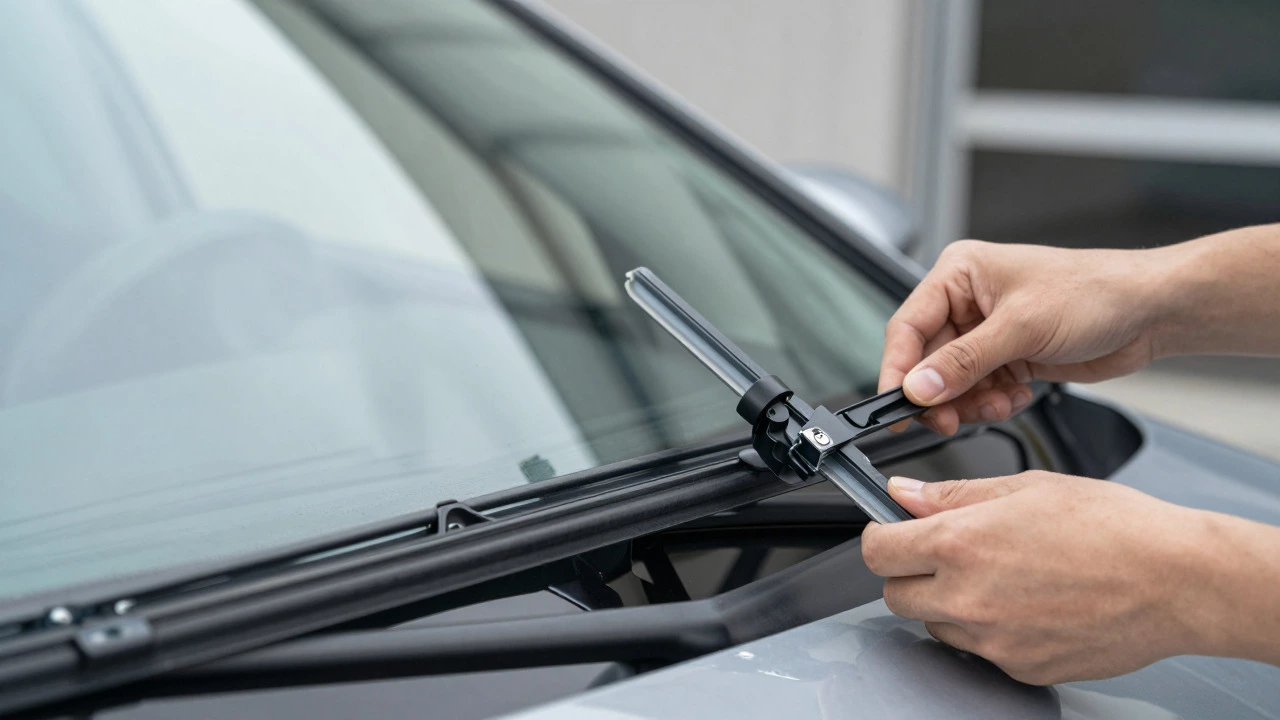
When installing any new blade, whether silicone or rubber, follow these steps to avoid damage:
- Park the car on level ground and turn off the engine.
- Lift the wiper arm gently away from the glass. Do not let it snap back.
- Remove the old blade by pressing the release tab and sliding it off the hook.
- Clean the wiper arm and the windscreen surface with a damp cloth to remove dust.
- Align the new blade with the hook and push until it clicks securely.
- Lower the arm slowly onto the glass.
Maintenance Tips to Extend Lifespan
Even the best Silicone Wiper Blades is a type of automotive component designed to clear water and debris from vehicle windshields using a durable synthetic polymer edge. won’t last forever if you neglect them. Here are practical tips to maximize their life:
- Use the right washer fluid: Avoid products containing alcohol or ammonia in high concentrations, as these can degrade silicone faster. Look for pH-neutral fluids specifically labeled for silicone compatibility.
- Don’t run them dry: Running wipers without fluid causes friction heat, which damages both the blade and the glass. Always spray fluid first.
- Keep the edge clean: Wipe the silicone edge with a soft, damp cloth every few weeks. Avoid using paper towels, which can scratch the delicate surface.
- Protect from direct sun: If you park outside, consider a windshield cover during extreme heat waves. While silicone resists heat better than rubber, prolonged UV exposure still accelerates aging.
- Check for contamination: If your wipers start squeaking, it’s often due to tree sap, bug splatter, or wax buildup. Clean the edge and the glass thoroughly before assuming the blades are dead.
Is It Worth the Extra Cost?
Let’s do the math. A set of premium silicone blades costs around $60 AUD. A high-quality rubber set costs around $30 AUD. If the silicone lasts three years and the rubber lasts one year, you would replace the rubber set three times, costing $90 AUD total. In this scenario, silicone saves you $30 and two hours of installation time.
However, if you replace your rubber blades every 18 months (which is realistic in harsh climates), the cost is $60 AUD for two sets, matching the price of the silicone set. The real savings come from convenience and reduced downtime. Fewer trips to the store means less hassle. Plus, the improved visibility in rain can be a safety factor worth the premium.
For commuters who drive daily in mixed weather, silicone is generally the better investment. For those who only drive occasionally or keep their cars in garages, standard rubber blades may suffice and save money upfront.
Frequently Asked Questions
Do silicone wiper blades work in the rain?
Yes, they work exceptionally well in the rain. The hydrophobic nature of silicone helps water bead up and roll off the glass, reducing streaking and improving visibility compared to standard rubber blades in wet conditions.
Can I use silicone wiper fluid with rubber blades?
Yes, but it’s not necessary. Silicone-specific fluids are formulated to protect silicone edges from degradation. Using them on rubber blades is harmless, but standard washer fluid works fine for rubber. Just avoid highly acidic or alkaline fluids for both types.
Why do my new silicone wipers squeak?
Squeaking is usually caused by dirt, dust, or contaminants on the wiper edge or the windscreen. Clean both the blade edge and the glass with a mild soap solution. Also, ensure the wiper arm is properly aligned and not bent, as misalignment can cause uneven pressure and noise.
How often should I replace silicone wiper blades?
Typically every 18 to 36 months, depending on climate and usage. In hot, sunny regions like Adelaide, expect closer to 18 months. Inspect them every six months for cracks, stiffness, or tearing. Replace immediately if you see any signs of wear.
Are bezelless wiper blades better than framed ones?
Bezelless blades offer better aerodynamics and a cleaner look, but they require precise fitment. Framed blades are more robust and easier to install on older vehicles. For modern cars, bezelless designs are preferred for their consistent pressure distribution across the glass.