Fuel Pump Health Diagnostic Tool
Select the symptoms you are experiencing to receive an instant assessment and recommended next steps.
-
Hard Starting / Long Cranking Common
-
Sputtering at High Speeds/Under Load High Priority
-
Loss of Power Under Load High Priority
-
Loud Whining/Buzzing from Rear Critical
-
Stalling When Engine is Hot Specific
-
No Hum Sound When Ignition ON Critical
Awaiting Input
Please select one or more symptoms from the list and click "Analyze Symptoms" to see your diagnostic report.
Likely Not Critical Yet
Your symptoms suggest minor wear or external factors. However, prevention is key.
Recommended Actions:
- Check fuel level; keep tank above 1/4 full.
- Inspect fuel filter if overdue for change.
- Monitor noise levels over the next few weeks.
Potential Fuel Pump Degradation
The combination of symptoms suggests the pump may be struggling under load. It hasn't failed completely, but performance is dropping.
Recommended Actions:
- Fuel Pressure Test: Visit a mechanic for a pressure test (static and dynamic).
- Check electrical connections and fuses first.
- Avoid long highway trips until tested.
Failing or Failed Fuel Pump
These symptoms strongly indicate the fuel pump is failing or has already failed. Driving further risks complete breakdown.
Recommended Actions:
- Do not drive long distances.
- Replace fuel pump and filter immediately.
- If no hum is heard, check relay/fuse before replacing pump.
Complex Diagnosis Needed
You have selected conflicting or complex symptoms. This could be the fuel pump, but other systems (injectors, sensors) might be involved.
Recommended Actions:
- Perform a full OBD-II scan for error codes (e.g., P0087).
- Consult a professional mechanic for a comprehensive fuel system diagnosis.
You’re driving along the highway, cruising at a steady pace, when suddenly the car jerks. It feels like someone yanked the handbrake while you were still in motion. You ease off the gas, and it smooths out. Ten minutes later, it happens again. Or maybe this morning, your car cranked for an eternity before finally coughing to life. These aren’t just random glitches; they are often distress signals from one of the most critical components under your hood or tank: the fuel pump. Knowing how to spot the difference between a dying fuel pump and other engine issues can save you from expensive towing bills and stranded weekends.
The Heartbeat of Your Engine
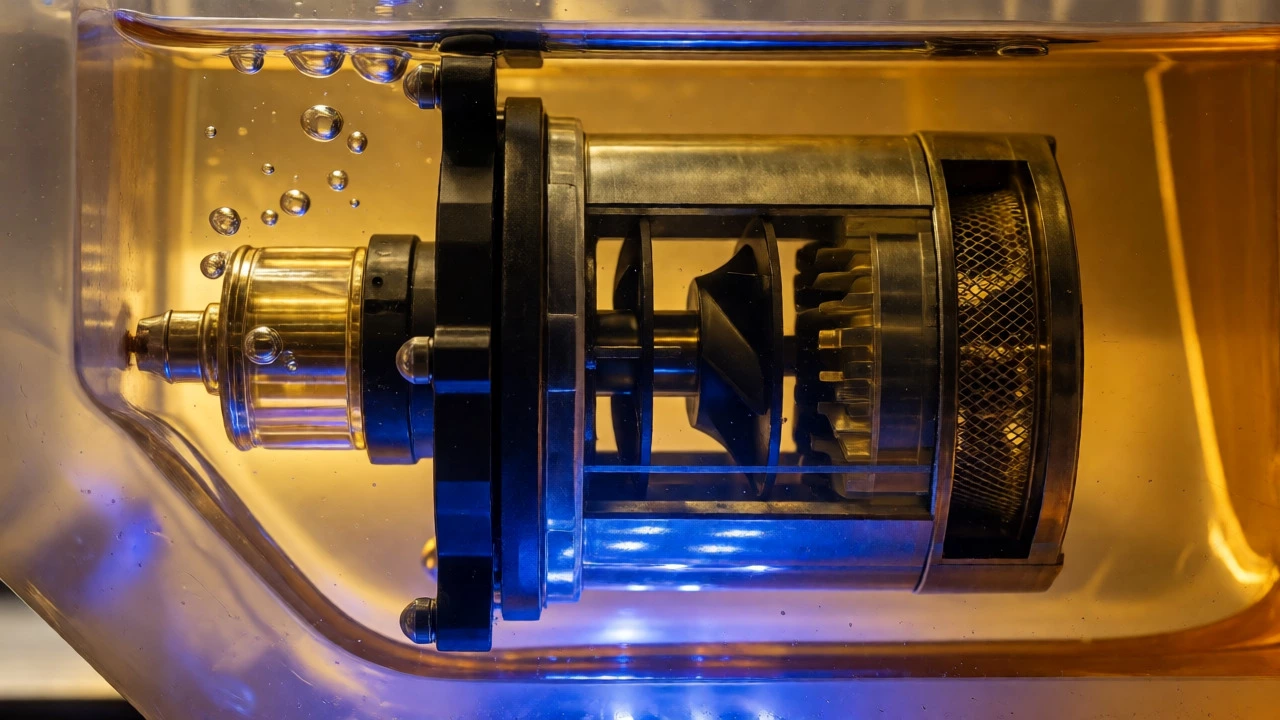
Before we diagnose the problem, let’s clarify what we’re dealing with. The fuel pump is essentially the heart of your vehicle’s internal combustion system. Its job is simple but vital: it moves gasoline from the tank to the engine injectors at the precise pressure required for combustion. In older cars with carburetors, mechanical pumps did the job. But in modern vehicles, electric fuel pumps are standard. They are typically located inside the fuel tank, submerged in gasoline, which helps cool them down and prevents overheating during operation.
When this component starts to fail, it doesn’t always die completely all at once. Instead, it degrades. The electric motor inside weakens, filters get clogged with debris, or the check valve fails. This gradual decline creates specific symptoms that differ from spark plug misfires or alternator failures. If you understand these patterns, you can pinpoint the issue before the pump quits entirely on a busy road.
Hard Starting and Cranking Delays
The most common early warning sign is difficulty starting the engine. When you turn the key (or press the start button), the fuel pump primes the lines by building up pressure. If the pump is weak, it takes longer to reach the necessary pressure threshold-usually around 40-60 PSI for many passenger cars. You might hear the whirring sound of the pump running longer than usual, or perhaps you don’t hear it at all.
In cold mornings, especially here in Adelaide where temperatures can drop significantly in winter, a failing pump struggles more because the fuel is thicker and the battery voltage might be slightly lower. If your car cranks for three or four seconds instead of firing up immediately, pay attention. While this could also be a battery or starter motor issue, if the rest of the electrical system seems fine, the fuel delivery system is the next logical suspect.
Sputtering at High Speeds
Have you ever been driving uphill or merging onto a freeway, pushing the throttle hard, only to feel the engine hesitate? This sputtering sensation is a classic symptom of a failing fuel pump. As the demand for fuel increases, a healthy pump ramps up its output. A worn-out pump, however, cannot keep up with the increased flow rate. The engine momentarily starves for fuel, causing it to stumble or jerk.
This isn’t the same as a rough idle. A rough idle usually points to vacuum leaks or dirty injectors. Sputtering under load-when the engine is working hard-is distinct. It indicates that the supply line cannot deliver enough volume at high RPMs. If you notice this pattern consistently, particularly when accelerating from a stop or climbing hills, you should schedule a fuel pressure test soon.
Loss of Power Under Load
Closely related to sputtering is a general loss of power. You might find yourself pressing the accelerator pedal deeper than usual just to maintain speed. The car feels sluggish, lacking its usual pep. This happens because the fuel pump cannot maintain consistent pressure. The engine control unit (ECU) tries to compensate by adjusting timing or opening valves wider, but it has limits. Eventually, the air-fuel mixture becomes too lean, and performance drops.
Drivers often mistake this for transmission problems, especially in automatic cars where shifting feels delayed. However, if the delay coincides with hesitation rather than gear changes, look at the fuel system. A quick way to test this is to try driving in a lower gear manually. If the power loss persists regardless of gear selection, the issue is likely upstream in the fuel delivery chain.
| Symptom | Likely Cause | Quick Check |
|---|---|---|
| Car won't start at all | Fuel pump failure or relay | Listen for hum when ignition is ON |
| Engine dies when hot | Overheated fuel pump | Restart after cooling down |
| Sputtering at high speed | Weak pump flow rate | Fuel pressure test under load |
| Rough idle only | Vacuum leak or injector | Check engine codes first |
Whining Noises from the Rear
A healthy fuel pump makes a faint humming noise when you first turn the key to the 'on' position. This is the priming phase. If that noise becomes louder, higher-pitched, or turns into a whine, the pump’s bearings may be wearing out. Since most pumps are inside the tank, the sound travels through the chassis and can be mistaken for wheel bearing noise or tire noise.
To distinguish this, have a friend listen near the rear seat while you turn the ignition on (without starting the engine). If the whine is continuous and matches the pitch change when you rev the engine, it’s likely the pump. Note that some wear is normal over time, but a sudden increase in volume is a red flag. Ignoring this can lead to complete seizure, leaving you stranded.
Engine Stalling and Overheating
Here’s a tricky one: the engine stalls, but only when it gets hot. Fuel pumps rely on the surrounding gasoline to stay cool. If your fuel level is chronically low, the pump draws in air bubbles along with fuel. This causes cavitation and overheats the electric motor. An overheated pump may shut down temporarily to protect itself, causing the engine to stall. Once it cools down, it works again.
If you frequently drive with less than a quarter tank, you’re putting extra stress on the pump. Try keeping your tank at least half full for a week. If the stalling stops, the pump was overheating due to lack of submersion. If it continues, the internal thermal overload switch might be failing, signaling the end of the pump’s life.
Diagnostic Steps Before Replacing
Don’t rush to buy a new pump based on guesses alone. Fuel pumps aren’t cheap, and labor costs can double the price. Start with the basics:
- Check the Fuel Filter: A clogged filter mimics a bad pump. Replace it first if it hasn’t been done recently. It’s cheaper and easier.
- Inspect Electrical Connections: Corroded wires or a blown fuse can cut power to the pump. Check the fuse box diagram for the fuel pump circuit.
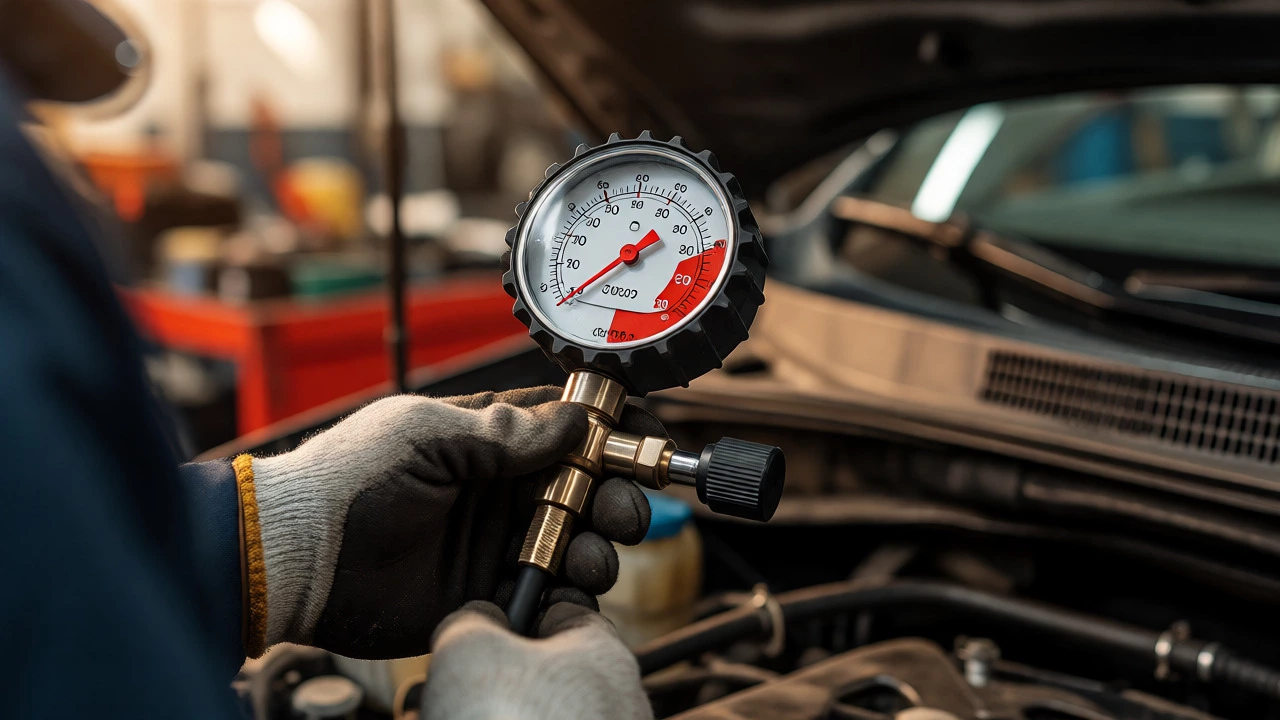
- Perform a Fuel Pressure Test: This is the gold standard. Mechanics use a gauge attached to the fuel rail. Compare the reading to your vehicle’s specifications (found in the service manual). Low static pressure means a bad check valve or weak pump. Low dynamic pressure (while running) confirms a failing pump.
Another trick is to tap lightly on the bottom of the fuel tank area with a rubber mallet while trying to start the car. If the car starts after tapping, the pump motor brushes might be stuck. This is a temporary fix, but it strongly suggests the pump is the culprit.
Preventive Maintenance Tips
You can extend the life of your fuel pump with simple habits. First, avoid running the tank below a quarter full. As mentioned, the fuel cools the pump. Second, use quality fuel. Cheap gas often contains more sediment and water, which clogs the pump’s internal strainer. Third, change your fuel filter according to the manufacturer’s schedule. Many modern cars have "lifetime" filters integrated into the pump assembly, meaning you replace the whole unit anyway, but knowing this helps in diagnosis.
If you drive a car with a direct injection system, such as many modern turbocharged engines, fuel pressure requirements are much higher (often exceeding 150 PSI). These systems are less forgiving of pump degradation. Even a slight drop in pressure can cause significant drivability issues and trigger check engine lights related to lean conditions.
Cost Considerations and Repair Complexity
Replacing a fuel pump varies wildly in cost depending on your vehicle. For many sedans, the pump is accessible via an inspection panel under the rear seat. Labor might take 1-2 hours. For SUVs or trucks, the mechanic might need to drop the fuel tank, doubling the labor time. Parts range from $80 for basic aftermarket units to $300+ for OEM brands like Bosch or Denso.
Consider replacing the fuel filter and sending unit sock (strainer) at the same time. If the old pump failed due to debris, that debris is now circulating in your tank. Cleaning the tank or installing a new strainer prevents the new pump from failing prematurely. Ask your mechanic about this-it’s a small added cost that protects a larger investment.
How long do fuel pumps last?
Most modern electric fuel pumps are designed to last between 100,000 and 150,000 kilometers. However, lifespan heavily depends on driving habits and fuel quality. Running the tank low frequently or using poor-quality fuel can reduce this to 60,000-80,000 kilometers.
Can I drive with a bad fuel pump?
You can drive short distances if the pump is merely weak, but it is risky. If the pump fails completely while driving, the engine will cut out instantly, potentially causing loss of power steering and brake assist. It is safer to tow the vehicle if symptoms are severe.
Does a bad fuel pump throw a code?
Yes, but not always directly. Common codes include P0087 (Fuel Rail/System Pressure Too Low) or P0230 (Fuel Pump Primary Circuit Malfunction). However, if the pump fails mechanically without electrical faults, the ECU might only detect a lean condition (P0171) rather than a specific pump error.
Is it better to replace the fuel pump myself?
If you have access to the pump via a hatch under the seat, DIY is feasible with basic tools and safety precautions (disconnecting the battery, relieving fuel pressure). If the tank must be dropped, professional help is recommended due to the complexity and risk of damaging fuel lines or straps.
What does a failing fuel pump sound like?
A failing pump often emits a loud whining or buzzing noise coming from the rear of the vehicle. The pitch may increase when you accelerate. A completely dead pump produces no sound when the ignition is turned on.