Exhaust System Selector
Your Custom Exhaust Profile
Why this choice?
Installation Tip
You’re driving down the highway, and suddenly your stock exhaust system sounds like a lawnmower struggling through wet grass. Or maybe you’ve just bought a turbocharged hatchback and want it to sound like it actually has power. Either way, swapping out that rusty pipe under your chassis is one of the most visible (and audible) upgrades you can make. But walking into an auto parts store or scrolling through online catalogs can feel like trying to read Greek. Do you need headers? A cat-back? Is stainless steel worth the extra cash? And why does everyone keep talking about "flow"?
Here’s the reality: there is no single "best" exhaust for every car. The right choice depends entirely on what you want-more power, a better sound, durability, or just replacing a broken part without breaking the bank. If you buy the wrong system, you might end up with a drone noise that makes conversations impossible at 60 km/h, or worse, a check engine light that won’t go away. Let’s cut through the marketing fluff and figure out exactly what you need.
Understand What Your Exhaust Actually Does
Before you spend money, you need to know what you’re buying. An exhaust system isn't just a pipe; it’s a complex network designed to move hot gases away from your engine efficiently while cleaning them up. It typically consists of four main parts, each serving a specific purpose:
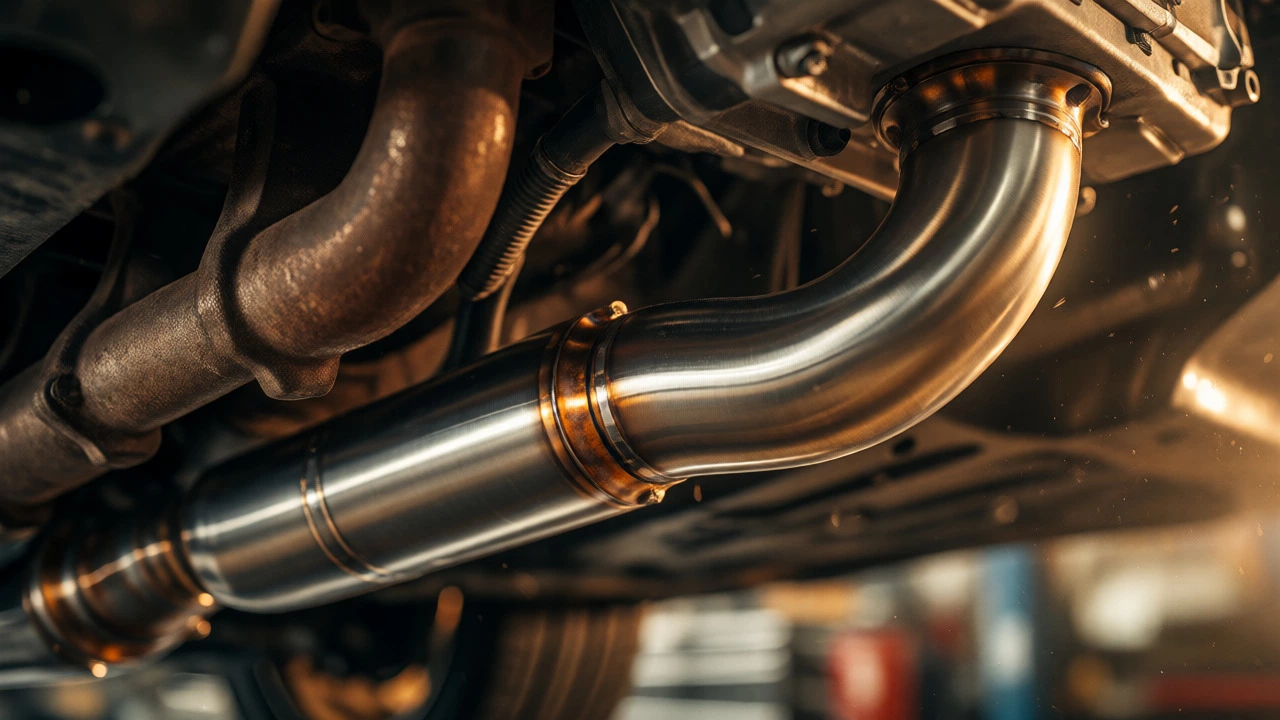
- Headers (or Manifolds): These connect directly to the engine block. They collect exhaust gases from the cylinders. Stock manifolds are often cast iron and restrictive. Aftermarket headers use smooth tubes to improve flow.
- Catalytic Converter: This is the heart of emissions control. It converts harmful pollutants like carbon monoxide into less harmful substances. Removing this (de-catting) boosts power but might fail inspection in many places, including here in Australia where regulations vary by state.
- Muffler: This component reduces noise. It uses chambers and baffles to cancel out sound waves. You can choose between different designs for different tones.
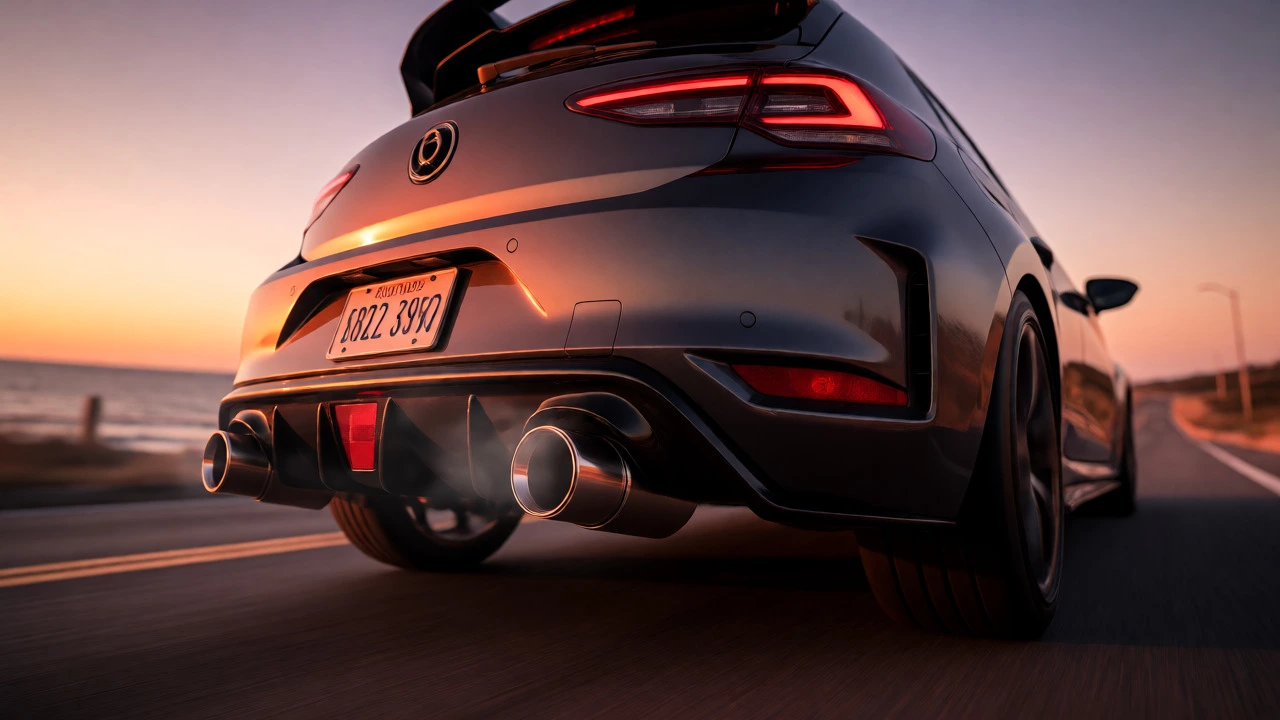
- Tailpipes: The final exit point. While they don’t affect performance much, they define the visual style and contribute slightly to the sound profile.
When people talk about upgrading their exhaust, they usually mean replacing one or more of these sections. Knowing which section gives you the biggest bang for your buck is step one.
Decide Your Goal: Sound, Power, or Durability?
This is the most critical question. Be honest with yourself. Are you a daily commuter who hates noise? Or are you a weekend track warrior who wants every last horsepower?
If you want sound, you’re looking at mufflers and resonators. A straight-through muffler will give you a deep, aggressive growl. A chambered muffler offers a classic rumble. Avoid "drone," which is that annoying low-frequency hum inside the cabin at cruising speeds. Some high-quality brands use Helmholtz resonators to kill drone while keeping the sporty tone.
If you want power, look at backpressure. Modern engines prefer free-flowing exhausts, but older naturally aspirated cars sometimes need a little backpressure to maintain torque at lower RPMs. Headers are the biggest gainers here. Swapping heavy cast-iron manifolds for tubular stainless steel headers can unlock significant top-end power because the gases escape faster.
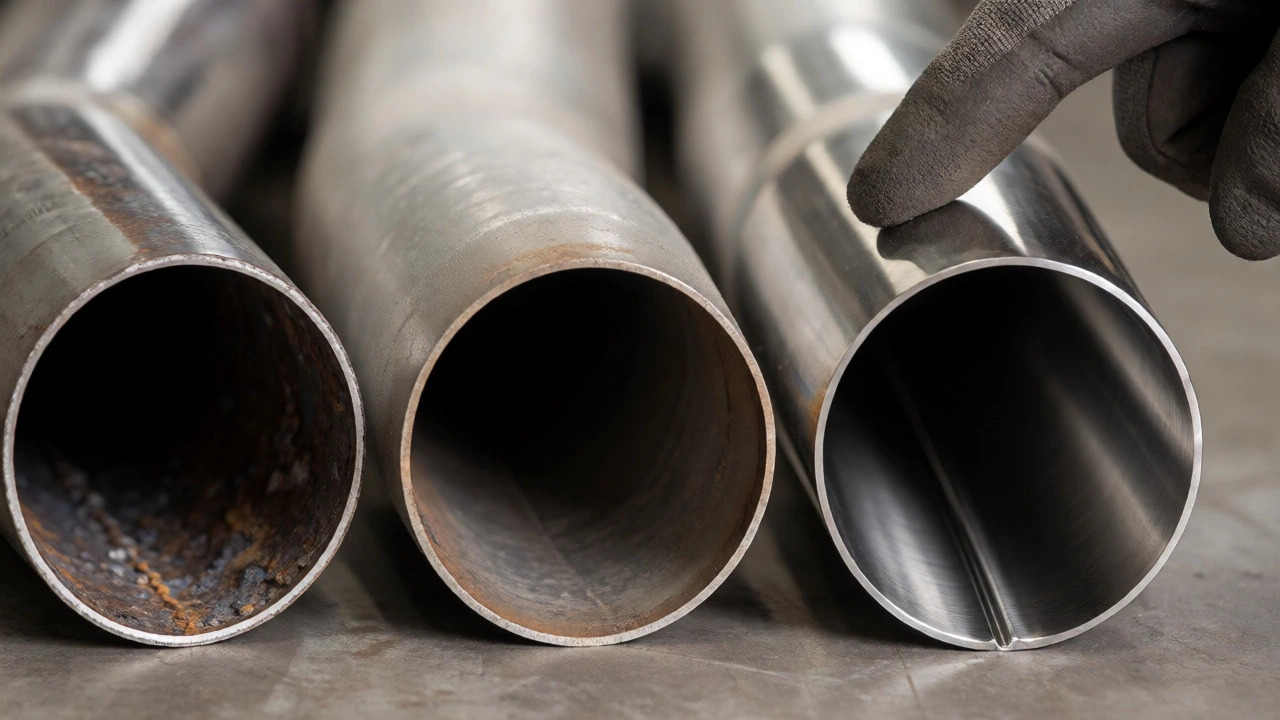
If you want durability, material matters more than design. In coastal areas like Adelaide, salt air eats mild steel alive. If you live near the beach, skipping stainless steel is basically throwing money away. Mild steel might last two years; stainless could last fifteen.
The Material Matrix: Steel vs. Aluminum vs. Titanium
Not all pipes are created equal. The material dictates weight, cost, and lifespan. Here’s how they stack up:
| Material | Cost | Lifespan | Weight | Best For |
|---|---|---|---|---|
| Mild Steel | $ | 3-5 Years | Heavy | Budget builds, dry climates |
| Aluminized Steel | $$ | 5-7 Years | Medium | Daily drivers, moderate corrosion resistance |
| Stainless Steel (304) | $$$ | 10+ Years | Lighter | Coastal areas, long-term ownership |
| Titanium | $$$$$ | Indefinite | Ultra-Light | Race cars, supercars, weight savings |
For most Australian car owners, Stainless Steel is the sweet spot. It resists rust from road salt and rain, looks good if exposed, and doesn’t add excessive weight. Aluminized steel is a decent compromise if you’re on a tight budget, but expect it to rot out eventually. Titanium is overkill unless you’re chasing grams for competitive racing.
Types of Upgrades: Cat-Back, Axle-Back, and Headers
Now that you know your goal and material, let’s talk configuration. This is where confusion peaks.
Axle-Back Systems
This replaces everything behind the rear axle, including the muffler and tailpipes. It’s the cheapest option and easiest to install. You’ll get a sound change, but minimal power gains. Think of this as a cosmetic upgrade with some acoustic benefits. Great for beginners or those who just want a nicer note.
Cat-Back Systems
This starts after the catalytic converter and goes to the tailpipe. It includes new pipes, mufflers, and tips. Because it replaces restrictive factory piping, you might see a small power bump (5-10 hp) and a noticeable sound improvement. This is the most popular upgrade for street cars. It balances cost, performance, and sound.
Header-Back Systems
This replaces everything from the engine block to the tailpipe. It includes headers, mid-pipes, cats, and mufflers. This is the full monty. You get maximum flow potential and the deepest sound. However, it’s expensive and labor-intensive. Installation often requires removing subframes or lifting the car significantly.
Headers Only
If you already have a decent exhaust downstream, swapping just the headers can yield the best power-per-dollar ratio. Look for long-tube headers for NA engines and short-tube for tight engine bays. Ensure they come with high-flow catalytic converters if you need to stay legal.
Sizing Matters: Diameter and Flow Dynamics
More diameter isn’t always better. If your exhaust pipe is too wide, the exhaust gas velocity drops. Low velocity means the gases don’t pull the next batch out efficiently, killing low-end torque. Conversely, if it’s too narrow, you create backpressure that chokes the engine at high RPMs.
As a rule of thumb for street cars:
- Under 2.0L engines: Stick to 2.0-inch or 2.25-inch piping.
- 2.0L to 3.5L engines: 2.5-inch piping is usually ideal.
- Over 3.5L or Turbocharged: 3.0-inch or larger may be appropriate.
Check your manufacturer’s specs before guessing. Many modern turbo cars are sensitive to sizing. A poorly sized exhaust can actually make your car slower in city traffic.
Legalities and Inspections in Australia
You don’t want to fail your warrant of fitness or safety certificate. In Australia, rules vary by state. Generally, your exhaust must not produce excessive smoke or noise. Most states have decibel limits for modified vehicles. A loud straight-pipe setup might pass in rural areas but fail in strict urban zones.
Also, consider the catalytic converter. Removing it (de-cat) increases noise and emissions. In Victoria and NSW, tampering with emissions equipment can lead to fines or failed inspections. If you want power without the hassle, buy a high-flow sports catalyst instead of deleting it. Brands like HJS or Milltek offer systems that balance legality with performance.
Installation Tips: DIY or Professional?
Can you do it yourself? If you have a jack, stands, and basic tools, yes. Axle-back swaps are straightforward. Header-back jobs are tricky. You’ll deal with rusted bolts, alignment issues, and potential gasket leaks.
Common pitfalls to avoid:
- Rusted Bolts: Soak them in penetrating oil days before working. Have spare bolts ready.
- Gaskets: Always replace old gaskets. Reusing them causes leaks.
- Alignment: Don’t tighten bolts fully until the entire system is aligned. Misalignment causes rattles and stress cracks.
- Clearance: Check for contact with the fuel tank, suspension arms, or heat shields. Use hangers properly.
If you’re unsure, pay a professional mechanic. Improper installation can damage your new exhaust or cause dangerous fumes to enter the cabin.
Final Checklist Before Buying
Ready to click "add to cart"? Run through this list first:
- Fitment: Confirm the system fits your exact year, make, and model. Engine codes matter!
- Material: Did you choose stainless if you live near the coast?
- Sound Level: Watch YouTube videos of that specific exhaust on your car model. Photos lie; audio doesn’t.
- Legality: Does it include a certified catalytic converter if required in your state?
- Warranty: Does the manufacturer offer a warranty against rust or weld failures?
Choosing the best exhaust is about matching the hardware to your lifestyle. A silent, durable stainless steel cat-back is perfect for the daily driver. A loud titanium header-back screams for the weekend canyon runner. Know what you want, measure twice, and enjoy the ride.
Will a new exhaust void my warranty?
It depends. Under Australian Consumer Law, modifications only void the warranty if they directly cause the failure. If your engine blows up due to poor tuning linked to a new exhaust, the dealer might claim it. However, if your alternator fails, the exhaust shouldn't matter. Keep receipts and installation records to prove quality workmanship.
Is a louder exhaust always faster?
No. Loudness is subjective and often comes from unrestricted mufflers, not necessarily better flow. You can have a quiet system that flows better than a loud one. Performance comes from reduced backpressure and improved scavenging, which requires proper pipe diameter and smooth bends, not just volume.
What is exhaust drone and how do I fix it?
Drone is a constant, droning hum inside the cabin at certain RPMs, usually caused by resonance frequencies matching the car's interior. To fix it, install a resonator before the muffler, use a different muffler design (like a chambered one), or adjust the tailpipe length. Some aftermarket kits specifically advertise "drone-free" engineering.
Do I need to tune my car after installing an exhaust?
For a simple cat-back or axle-back swap, usually no. The ECU can adapt to minor airflow changes. However, if you install headers, remove catalytic converters, or add a turbo inlet, a custom tune is highly recommended to optimize air-fuel ratios and prevent check engine lights.
Which is better: stainless steel or aluminized steel?
Stainless steel is superior for longevity and appearance, especially in humid or coastal environments like Adelaide. Aluminized steel is cheaper but prone to rusting within a few years. If you plan to keep the car for more than five years, the extra cost for stainless pays off in avoided replacements.