Exhaust Upgrade Decision Calculator
Enter your vehicle's current exhaust status and location details to get a personalized recommendation.
Recommendation
Estimated Cost Breakdown
Why This Choice?
Pro Tip:
You’re driving along, and suddenly your car sounds like it’s trying to start a lawnmower engine in the back seat. Or maybe you just want that deep rumble without the drone. You look online, see prices for cat-back exhaust systems, and hesitate. Is swapping out the whole thing worth the cash, or are you better off patching up what you have?
This isn’t just about noise. It’s about airflow, fuel efficiency, and long-term maintenance headaches. If you’re in Adelaide, dealing with stop-start traffic or weekend runs through the hills, your exhaust takes a beating. Let’s break down when replacing the entire system makes sense and when it’s just burning money.
What Does "Whole Exhaust" Actually Mean?
First, let’s clear up the terminology because mechanics love their jargon. When people say "whole exhaust," they usually mean one of two things: a full system replacement from the headers to the tailpipes, or a cat-back exhaust which replaces everything after the catalytic converter.
A true full system includes the headers (or manifolds), the catalytic converter, the mid-pipe, resonator, and mufflers. Replacing all of this is expensive. Most enthusiasts opt for a cat-back upgrade because the catalytic converter is pricey and often still functional if your emissions tests are passing.
Why does this distinction matter? Because buying a full system when only your rear muffler is rusted out is like replacing your entire kitchen because the toaster broke. You need to diagnose where the bottleneck actually is.
The Case for Replacement: Performance and Sound
If you drive a turbocharged vehicle, a restricted stock exhaust can choke your engine’s potential. Stock pipes are often narrow, kinked, and filled with dense muffler packing designed to meet strict noise regulations, not performance metrics. Upgrading to a larger diameter pipe reduces backpressure, allowing exhaust gases to exit faster. This helps the engine breathe, which can lead to marginal horsepower gains-usually between 5 and 15 hp on naturally aspirated cars, but potentially more on forced induction setups if paired with a tune.
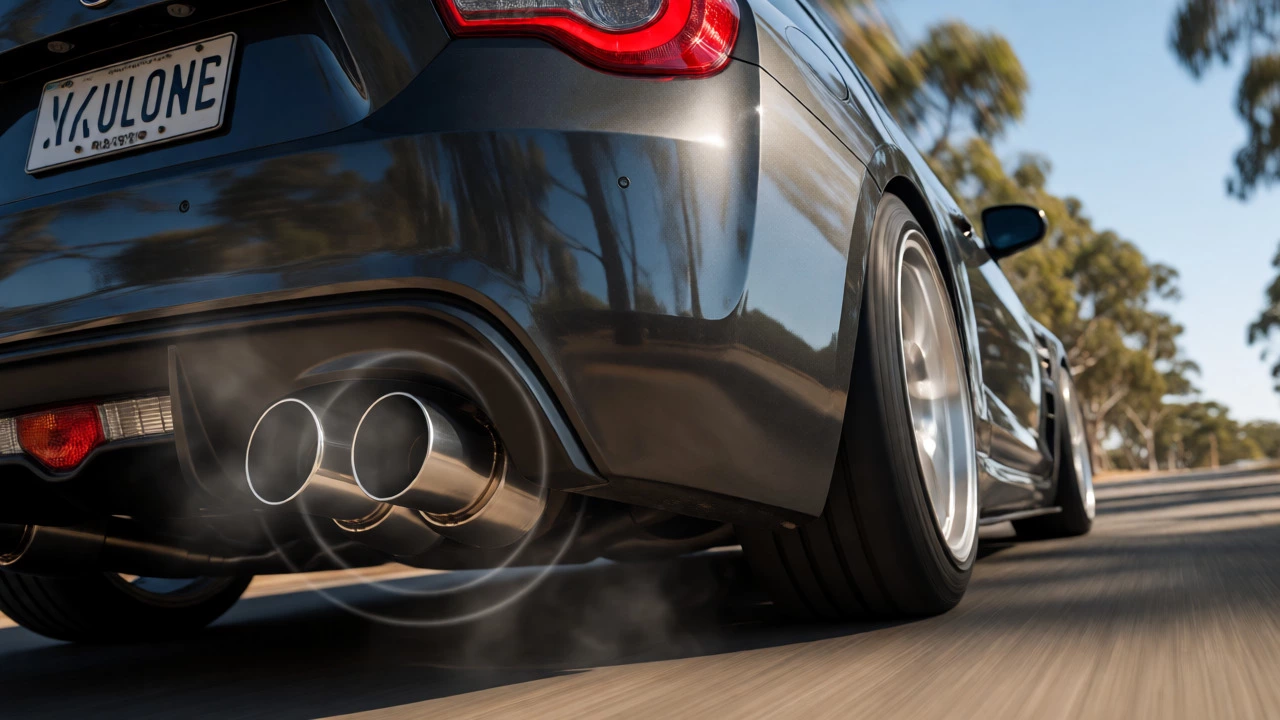
But let’s be honest: most people buy an exhaust for the sound. A quality system changes the tone from a tinny buzz to a deeper growl. However, there’s a trap here. Cheap aftermarket exhausts often suffer from "drone"-a low-frequency hum inside the cabin at highway speeds that gives you a headache within twenty minutes. High-quality brands use resonators specifically to cancel these frequencies. If you skip the resonator to save money, you might regret it on the Mawson Lakes Boulevard commute.
The Financial Reality: Cost vs. Longevity
Let’s talk numbers. In Australia, a decent stainless steel cat-back system costs between $800 and $2,500 AUD depending on the brand and vehicle. Installation adds another $300 to $600 if you don’t do it yourself. Compare this to spot repairs:
- Muffler replacement: $150-$400 (parts + labor).
- Mid-pipe section: $200-$500.
- Catalytic converter: $600-$1,500+ (depending on metal content).
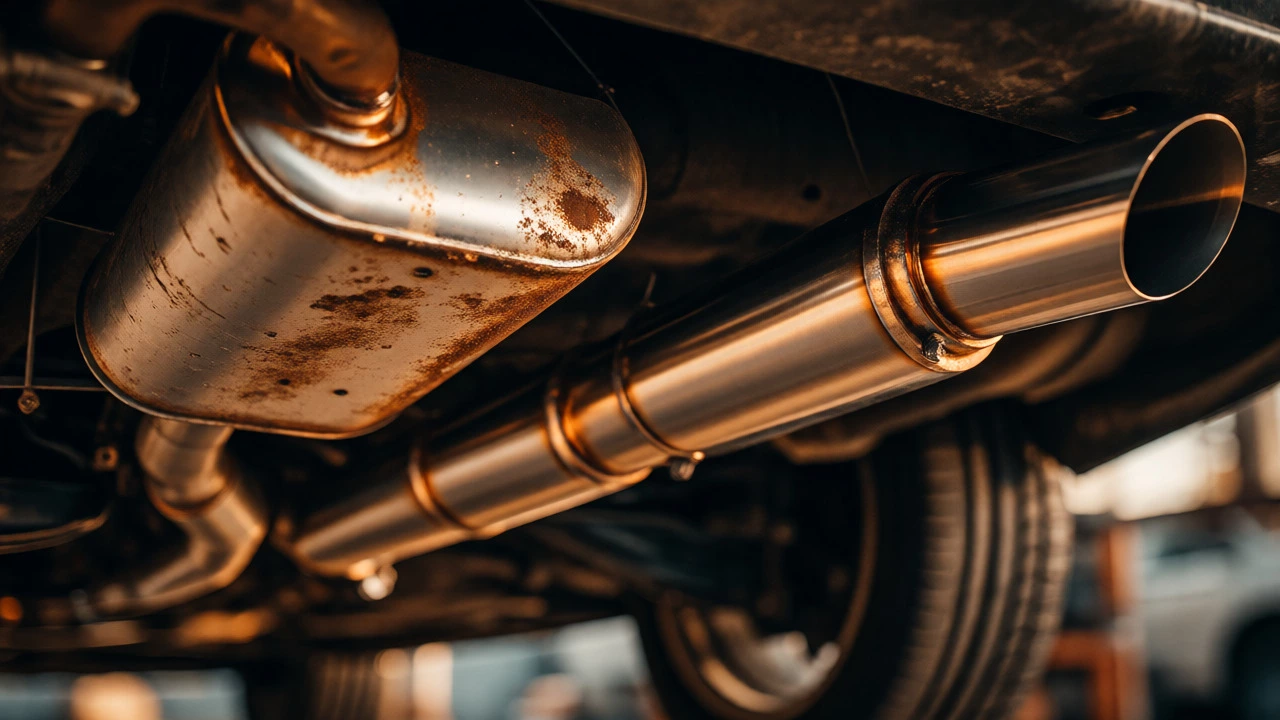
If your current exhaust has multiple leaks, cracked hangers, and internal rust, you’ll spend more fixing individual sections over three years than buying one solid system upfront. Stainless steel resists corrosion far better than the aluminized steel used in factory parts. In coastal areas like Glenelg or Semaphore, salt air eats standard exhausts alive. A full stainless swap is often cheaper in the long run because you won’t need to touch it again for a decade.
When It’s Not Worth It
There are scenarios where upgrading the whole system is a waste of time and money.
First, if you drive a heavily modified track car, you likely already know exactly what pipe diameter and header design you need. A generic "bolt-on" cat-back might actually hurt your peak power by disrupting tuned scavenging effects. Second, if your car is older and prone to other failures, putting $2,000 into an exhaust on a $5,000 car rarely adds resale value. Buyers might appreciate the sound, but they won’t pay extra for it.
Also, consider your local regulations. In South Australia, you must pass roadworthy inspections. While there’s no strict decibel limit for private vehicles, excessive noise can get you flagged by police for "defective equipment." If your new exhaust is too loud, you might end up reverting to stock anyway, meaning you spent money for nothing.
Diy or Professional Install?
Can you install it yourself? Yes, if you have basic tools and a lift or jack stands. Most bolt-on systems require cutting old clamps or unbolting flanges. You’ll need an angle grinder, penetrating oil, and torque wrenches. The risk? Stripping bolts or damaging oxygen sensors during removal. Oxygen sensors are sensitive; if you break one, add $150 to your bill immediately.
Professional installation ensures proper alignment. Misaligned pipes can rub against the chassis, causing rattles or heat damage to floor mats. Mechanics also check for hidden issues, like damaged flex pipes or failing mounts, which DIYers might miss until they’re driving home with a new rattle.
| Scenario | Recommended Action | Estimated Cost (AUD) | Long-Term Value |
|---|---|---|---|
| Single rusted muffler | Replace muffler only | $200 - $400 | Low (fixes immediate issue) |
| Multiple leaks + poor sound | Cat-back upgrade | $1,000 - $2,000 | High (durability + performance) |
| Failed catalytic converter | Full system or Cat-converter only | $800 - $2,500 | Mixed (check emissions compliance) |
| Track-focused build | Custom headers + mid-pipe | $1,500+ | Niche (requires tuning) |
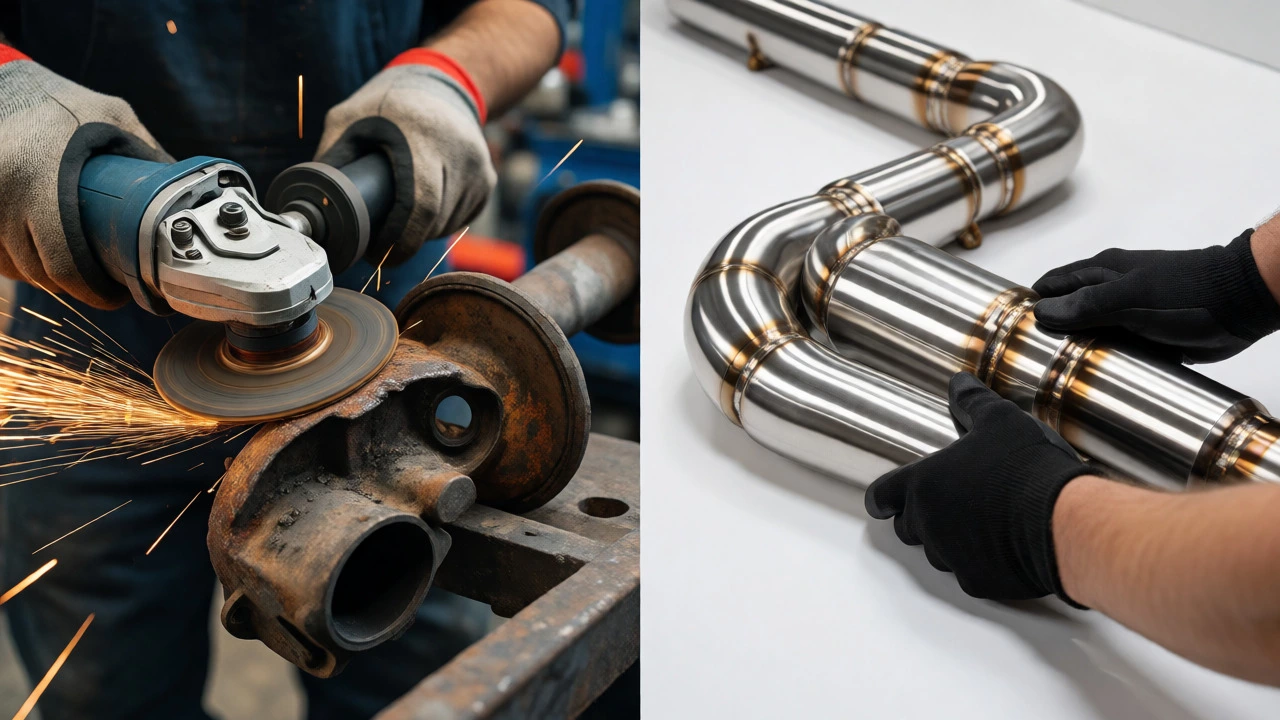
Material Matters: Aluminized vs. Stainless Steel
Not all exhausts are created equal. Factory systems typically use aluminized steel. It’s cheap, works fine for 5-7 years, and then starts to rot from the inside out due to condensation and acidic exhaust gases. Aftermarket options usually come in 304-grade stainless steel. This alloy contains chromium and nickel, making it highly resistant to rust.
In Adelaide’s climate, stainless is the smart choice. If you park outside overnight, dew forms on the pipes. Over time, moisture gets trapped in the muffler baffles. Aluminized steel corrodes quickly here. Stainless lasts significantly longer, especially if you take short trips where the exhaust doesn’t get hot enough to burn off condensation. Check the thickness of the tubing too. Thinner walls resonate more (which some like) but dent easier. Look for 1.5mm wall thickness for durability.
Does It Affect Fuel Economy?
Marketing materials often claim massive MPG improvements. Real-world data shows minimal change unless you were previously running a severely clogged catalytic converter. A blocked cat restricts flow, forcing the engine to work harder. Clearing that blockage restores lost efficiency. However, simply widening pipes on a healthy engine rarely improves economy noticeably. Some drivers report slight gains due to improved throttle response, leading to smoother driving habits, but don’t expect to pay for the exhaust via fuel savings alone.
One caveat: removing the catalytic converter entirely (common in older race builds) can cause check engine lights and failed inspections. Modern engines rely on precise oxygen sensor readings. Without a cat, the ECU may default to rich fuel mixtures, actually hurting economy.
Frequently Asked Questions
Will a louder exhaust void my warranty?
Generally, no, under Australian Consumer Law, modifications cannot void a warranty unless the manufacturer proves the modification caused the specific failure. However, if you modify the exhaust and later have an engine issue, dealerships may argue the altered backpressure affected the turbo or engine internals. Keep receipts and ensure the part is compliant with local standards to strengthen your case.
How long does a stainless steel exhaust last?
A high-quality 304-grade stainless steel exhaust can last 10 to 15 years or more, depending on usage and environment. Coastal areas accelerate wear due to salt spray, while frequent short trips prevent the system from drying out fully, promoting internal corrosion. Regular washing of the undercarriage helps extend life.
Do I need a tune after installing a cat-back exhaust?
For most naturally aspirated cars, no tune is required for a cat-back system. The ECU adapts to minor changes in airflow. For turbocharged vehicles, a tune is recommended to optimize air-fuel ratios and ignition timing, ensuring you extract maximum benefit from the increased flow and avoid lean conditions.
Is a straight pipe better than a muffler delete?
A straight pipe removes all restrictions, including resonators and mufflers, resulting in maximum flow but extreme noise. A muffler delete keeps the resonator, reducing some raspiness while keeping a sporty tone. Straight pipes are often illegal for street use due to noise levels and lack of particulate filtration, leading to fines in many jurisdictions.
Can I install an exhaust myself?
Yes, if you have mechanical aptitude, access to a hoist or safe jack stands, and tools like an angle grinder and impact driver. Key risks include breaking rusty bolts, damaging oxygen sensors, and misaligning the system causing droning. Always torque clamps to specification and double-check clearance before final tightening.