Radiator Health Risk Assessment
How to use: Select the symptoms you are currently experiencing to determine your vehicle's risk level and the recommended immediate action.
What are you experiencing?
Verdict:
- Driving with a bad radiator leads to rapid engine overheating.
- You risk blowing a head gasket or warping the cylinder head.
- Coolant leaks can cause sudden engine seizure.
- Immediate stoppage is the only way to prevent total engine loss.
How the Cooling System Actually Keeps You Moving
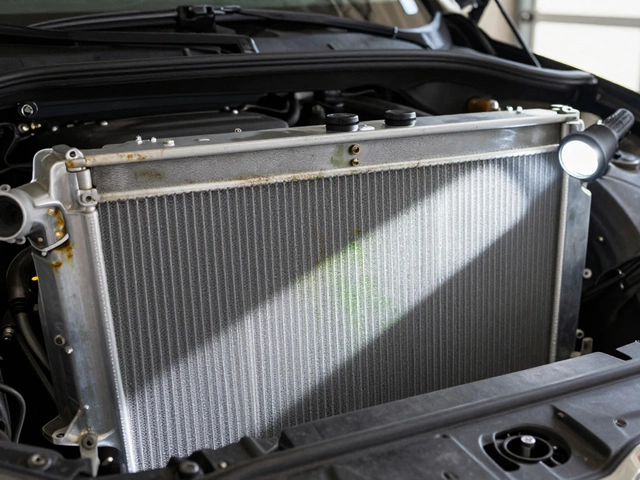
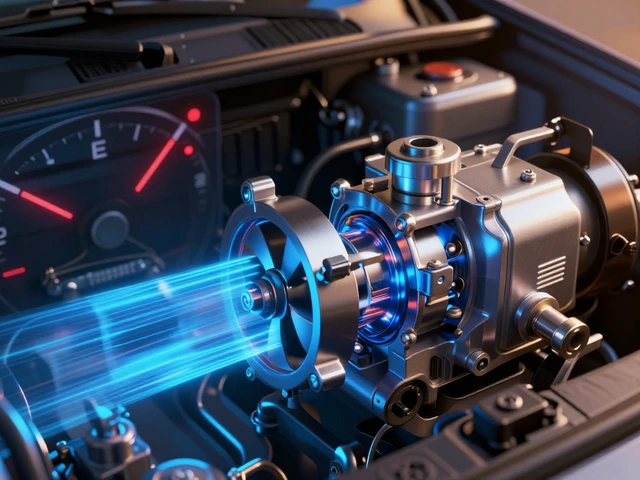
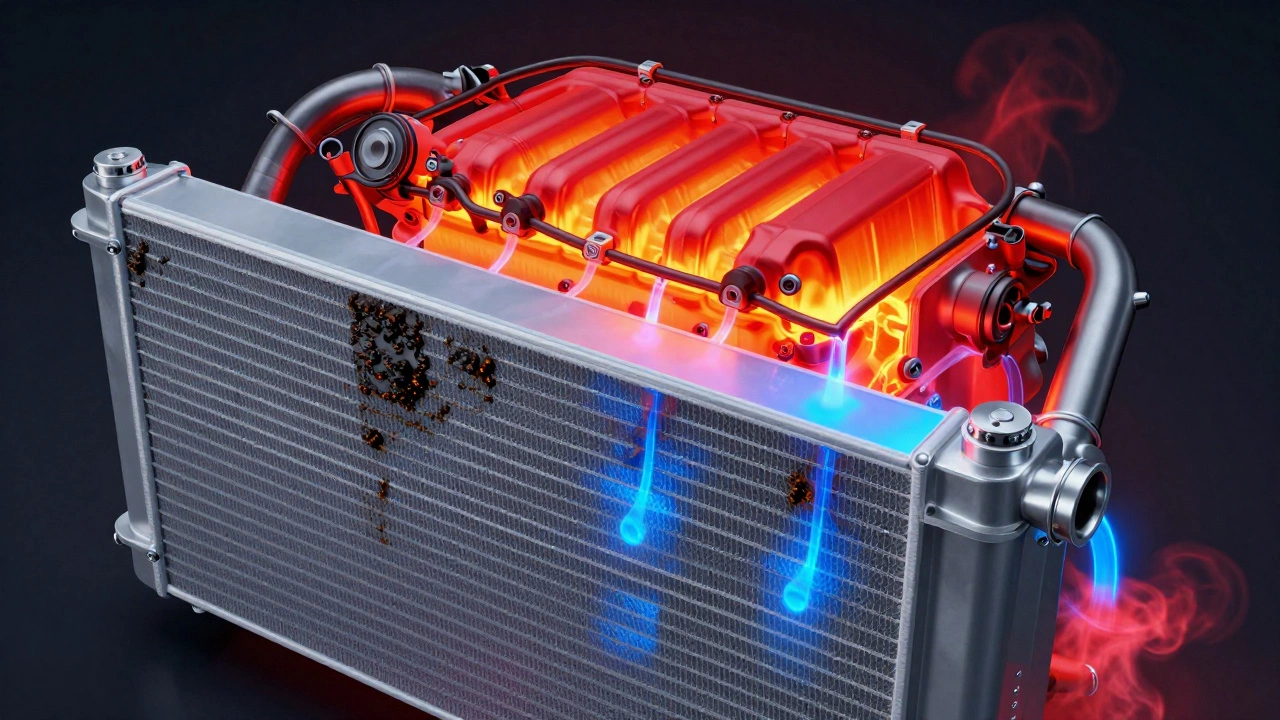
To understand why a bad radiator is such a disaster, you have to look at how your car handles heat. Your engine creates thousands of tiny explosions every minute. Without a way to shed that heat, the metal parts would literally melt or weld themselves together. This is where the Cooling System is a network of components designed to regulate engine temperature by circulating coolant to dissipate heat comes in. Inside the engine, a Water Pump is a centrifugal pump that forces coolant to circulate through the engine block and radiator pushes a mixture of water and antifreeze through the block. This fluid absorbs heat and carries it to the radiator. The Radiator is a heat exchanger consisting of a series of thin tubes and fins that cool the liquid flowing through them then acts as the final exit point for that heat, using airflow from the front of the car to cool the liquid before it heads back into the engine. If the radiator is cracked, clogged, or leaking, that cycle breaks. The heat stays in the engine, and things go south very quickly.Signs Your Radiator is Giving Up
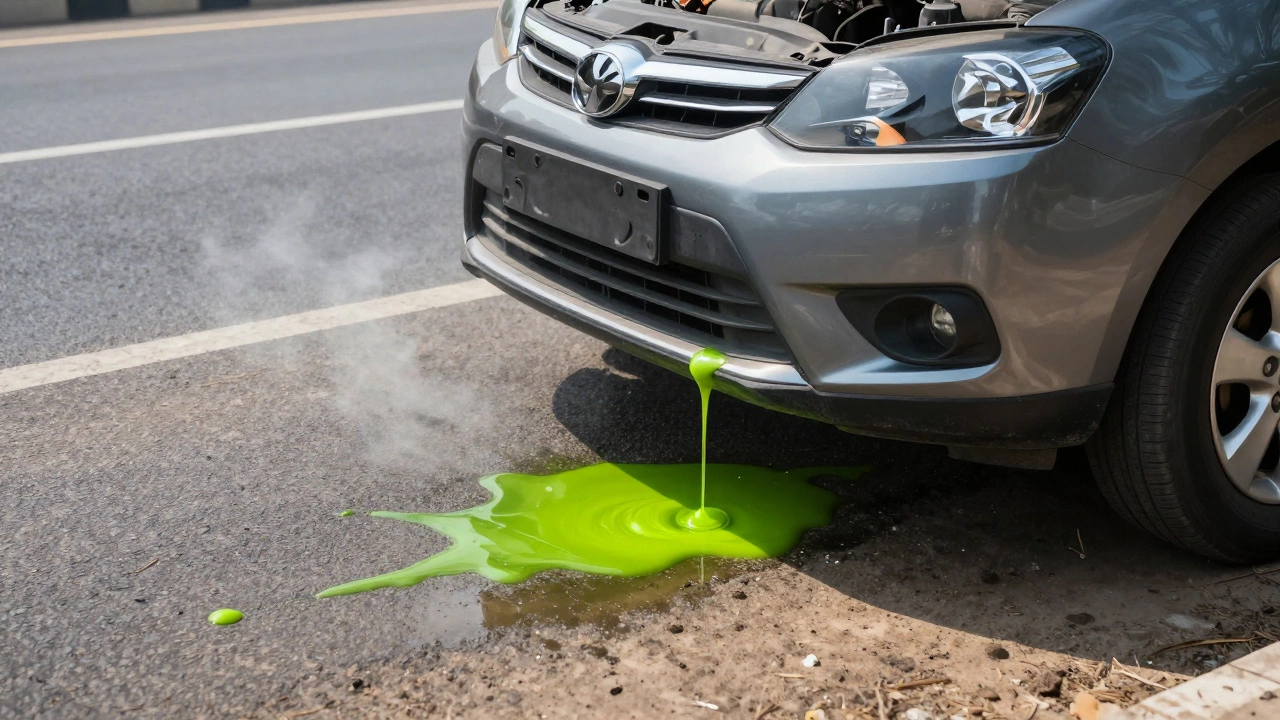
Most radiators don't just stop working instantly; they give you warnings first. If you're lucky, you'll catch these before you're stranded on the shoulder of a highway. One of the most common signs is a visible puddle of bright green, orange, or pink fluid under the front of your car. Since Engine Coolant is a mixture of ethylene glycol and water used to prevent overheating and freezing is designed to be brightly colored, it's usually easy to spot against dark pavement. Keep an eye on your dashboard. If the temperature gauge is fluctuating or sitting higher than usual, your radiator might be partially clogged with sediment. You might also notice a sweet, almost candy-like smell. That's the glycol in the coolant burning off a hot engine surface. If you see steam billowing from the hood, you've moved past "bad" and into "critical failure." At that point, the pressure inside the system has exceeded the limits of the Radiator Cap is a pressure-regulating valve that keeps coolant in the system and allows excess pressure to escape to the overflow tank, and the system is venting steam to prevent the radiator from literally exploding.The Danger Zone: What Happens If You Keep Driving?
If you ignore the warnings and keep driving, you aren't just risking a tow truck; you're risking the life of your vehicle. The first thing that usually happens is the warping of the Cylinder Head is the metal casting that sits atop the engine cylinders, sealing the combustion chamber. This part is made of aluminum or iron, and extreme heat causes it to expand unevenly. Once it warps, it no longer sits flat against the engine block. This leads to the most dreaded phrase in automotive repair: the blown Head Gasket is a critical seal that prevents coolant and oil from mixing and keeps combustion gases inside the cylinders. When this seal fails, coolant leaks into the oil passages. You'll know this is happening if your oil dipstick looks like a milky chocolate milkshake. Once oil and coolant mix, the lubrication properties of the oil vanish. Your bearings will start to grind, and within a few miles, the engine can seize entirely. Replacing a radiator costs a few hundred dollars; replacing an entire engine costs thousands.| Failure Stage | Common Symptom | Potential Fix | Estimated Severity |
|---|---|---|---|
| Minor Leak | Low coolant levels | Patch or hose replacement | Low |
| Partial Blockage | Occasional overheating | Radiator flush | Medium |
| Radiator Failure | Rapid temp spike / Steam | Full radiator replacement | High |
| Engine Meltdown | Engine seizure / Smoke | Full engine rebuild/replacement | Catastrophic |
Immediate Steps to Take If You Overheat
If you're driving and the gauge hits the red, don't try to "limp' it home" unless the destination is less than a mile away and you have no other choice. Pull over safely and turn off the engine immediately. The most important rule here is: DO NOT open the radiator cap while the engine is hot. The system is under immense pressure, and opening that cap is like popping a champagne bottle filled with boiling acid. You'll get severe burns on your face and hands. Wait at least 30 to 60 minutes for the engine to cool down. Once it's cool to the touch, check the coolant reservoir. If it's empty, you can add a 50/50 mix of coolant and distilled water to get you to a mechanic. Avoid using straight tap water if possible, as the minerals in it can create scale buildup inside the radiator tubes, making the problem worse over time. If you see a massive gash in the radiator, adding water is just pouring it onto the ground, and you'll need a tow.Fixing the Problem: Repair vs. Replacement
Can you just patch a radiator? In a pinch, some people use epoxy or "stop-leak" additives. Be extremely careful with these. Stop-Leak Additives are chemical sealants added to coolant to plug small holes in the radiator or engine block work by hardening when they hit air or heat. The problem is that they don't just plug the hole; they can clog the tiny passages throughout your entire cooling system, including the heater core. This often turns a simple radiator replacement into a full system overhaul. For most modern cars, replacing the radiator is the only logical move. Aluminum radiators are common today because they're lightweight and dissipate heat well, but they can corrode if the wrong coolant is used. When you replace a radiator, it's a good time to inspect your Thermostat is a valve that opens and closes to regulate the flow of coolant based on engine temperature. If the thermostat is stuck closed, a brand new radiator won't help because the coolant can't even get to it.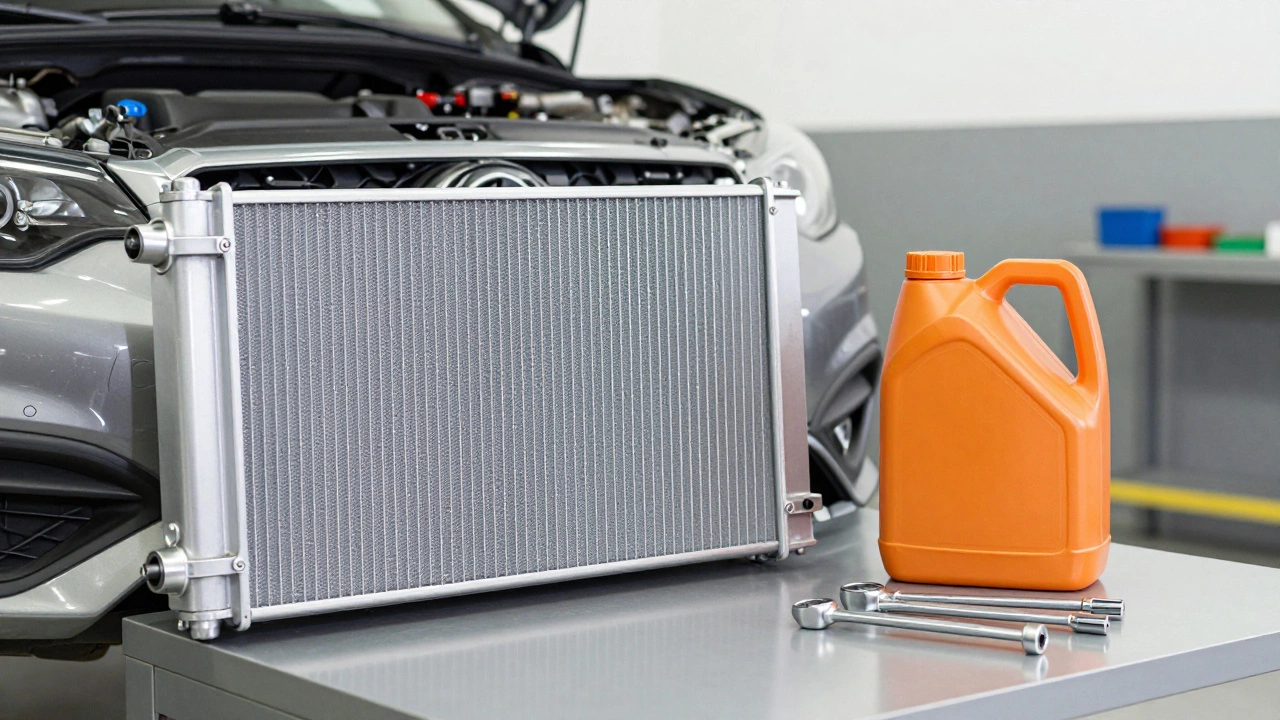
Preventing Future Radiator Failures
Stopping a radiator from failing is mostly about maintenance. The biggest enemy of the cooling system is corrosion. Over time, the additives in your coolant break down, and the fluid becomes acidic, eating away at the metal from the inside. This is why a Coolant Flush is the process of removing old coolant and replacing it with fresh fluid to remove contaminants is necessary every few years, as specified in your owner's manual. Also, keep the exterior of your radiator clean. Bugs, leaves, and road debris can build up on the front fins, blocking the airflow. If the air can't pass through the fins, the coolant can't shed its heat, and your engine will run hotter even if the radiator is technically "healthy." A gentle spray from a garden hose once a season is usually enough to keep the airflow optimal.Can I drive a short distance with a bad radiator?
Technically, yes, but it is highly risky. If you have a small leak and can keep the coolant topped up, you might make it a few miles. However, if the engine is already overheating, every minute you drive increases the risk of warping your cylinder head or blowing a head gasket. It is always safer to tow the car than to risk a total engine replacement.
Why does my car smell like maple syrup?
That sweet smell is a classic sign of a coolant leak. Engine coolant contains ethylene glycol, which has a distinct, sweet aroma when it heats up or burns. If you smell this, check your coolant levels immediately and look for leaks around the radiator and hoses.
Will adding water fix a bad radiator?
Adding water is a temporary emergency measure, not a fix. Water has a lower boiling point than coolant and doesn't provide the same corrosion protection. If you have a hole in your radiator, the water will just leak out. If you use water, you should still have the system professionally flushed and refilled with the correct coolant mixture as soon as possible.
How do I know if my radiator is clogged?
A clogged radiator often manifests as "intermittent overheating." You might find that the car stays cool at highway speeds (where airflow is high) but overheats quickly in stop-and-go traffic. You can also feel the radiator surface (carefully!) when the engine is warm; if some areas are hot and others are cold, you have a blockage.
Is it better to repair or replace a radiator?
For most vehicles, replacement is the better option. Modern aluminum radiators are difficult to weld effectively, and patches are rarely permanent. Given the critical role the radiator plays in preventing engine failure, the reliability of a new unit far outweighs the small cost savings of a temporary patch.