Air Filters: Types, Benefits, and When to Replace Them
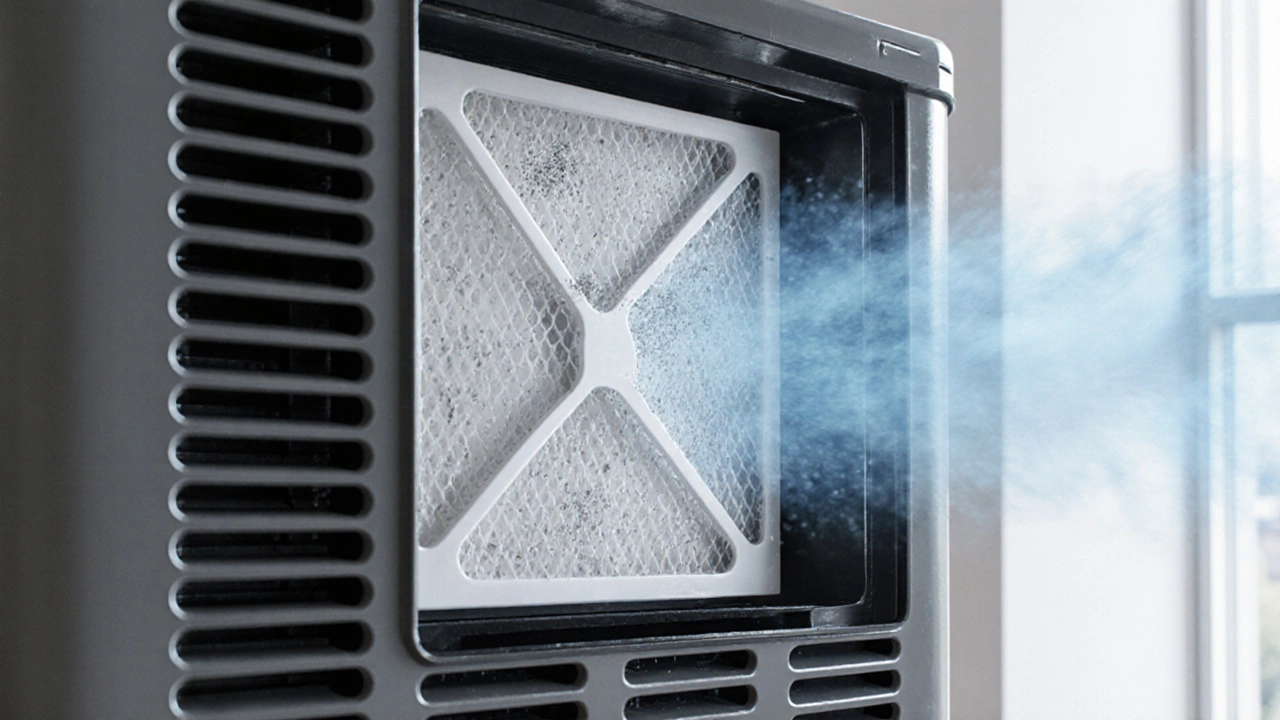
When you think of an air filter, a device that traps airborne particles to protect engines or improve indoor air quality. Also known as air filter element, it’s one of the most overlooked parts in your car or home HVAC system — but it’s the first line of defense against dust, pollen, and harmful debris. Without it, your engine wears out faster, your AC works harder, and your lungs pay the price.
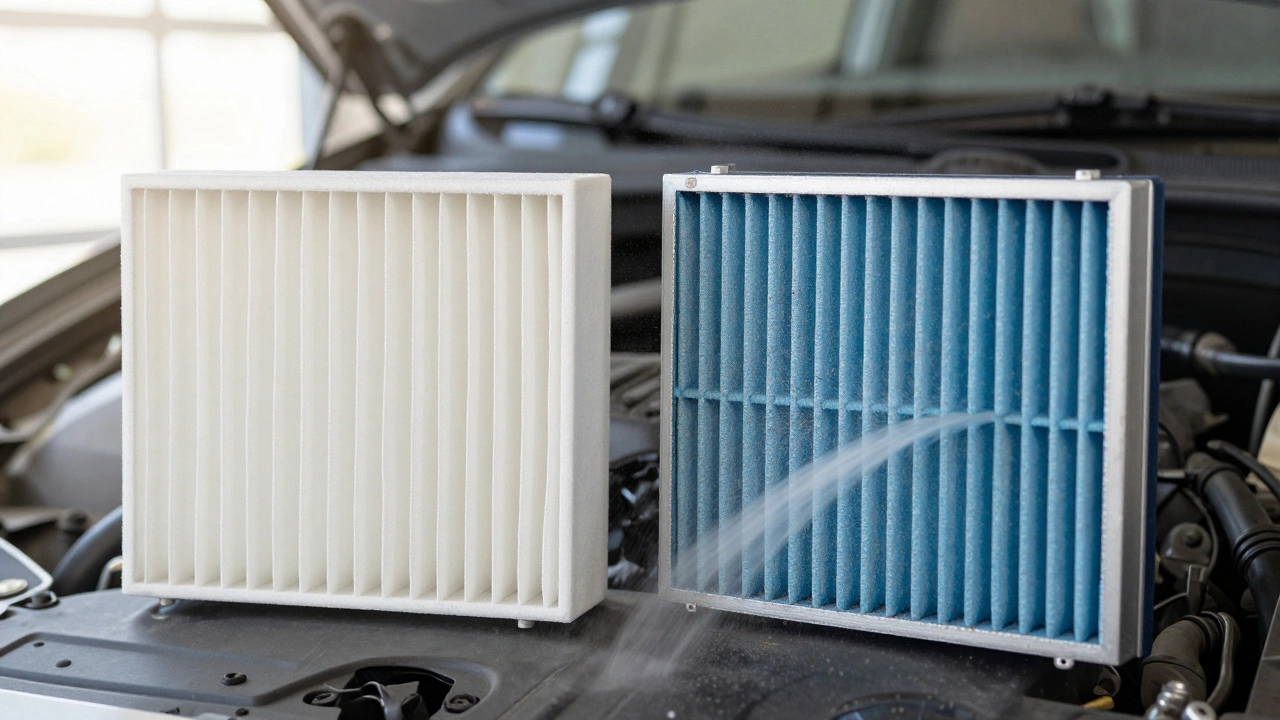
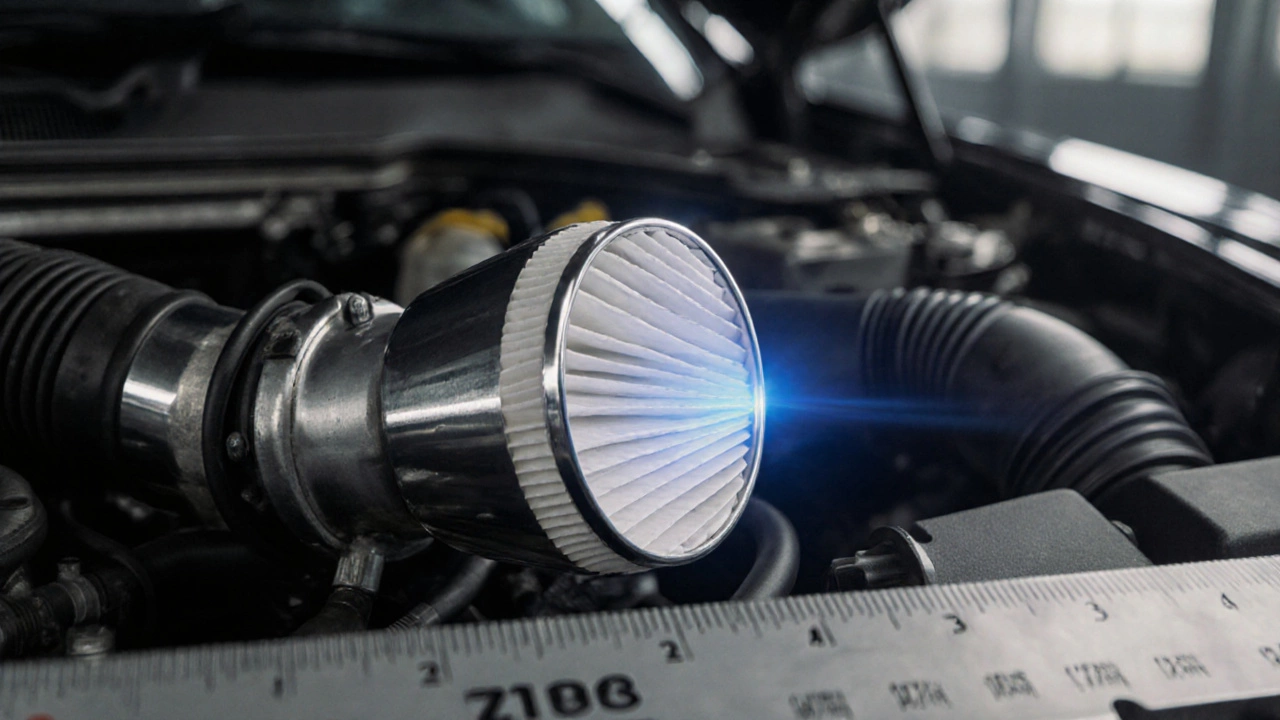
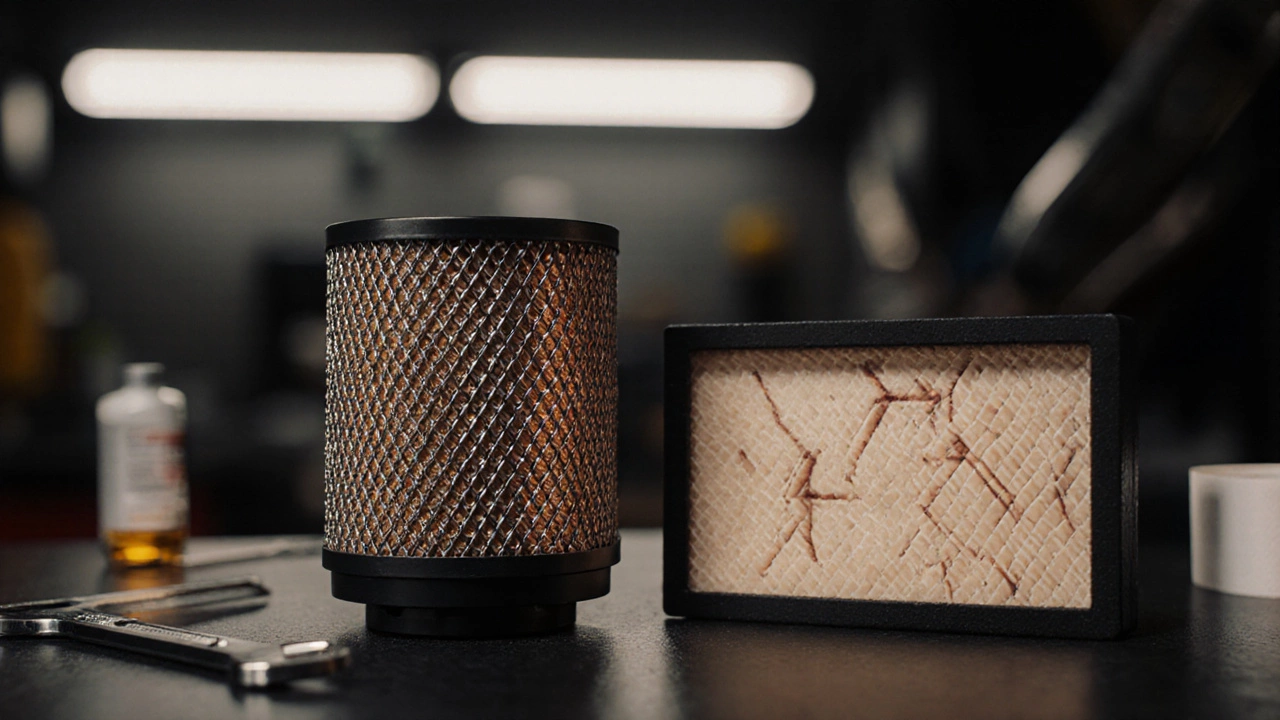
There are two main types you’ll deal with: the engine air filter, which cleans air before it enters your car’s engine, and the cabin air filter, which filters the air inside your car’s cabin. The engine filter keeps dirt out of your cylinders, helping fuel burn cleanly and boosting horsepower. The cabin filter blocks pollen, smoke, and even exhaust fumes — making your ride more comfortable, especially if you’ve got allergies. Then there’s the MERV rating, a scale that measures how well a filter captures tiny particles. MERV 11? That’s a sweet spot for homes — but it can choke older HVAC systems if they weren’t built for it. And while some folks swear by expensive cotton gauze filters for their cars, the truth is, most drivers won’t notice a real difference unless they’re racing or towing heavy loads.
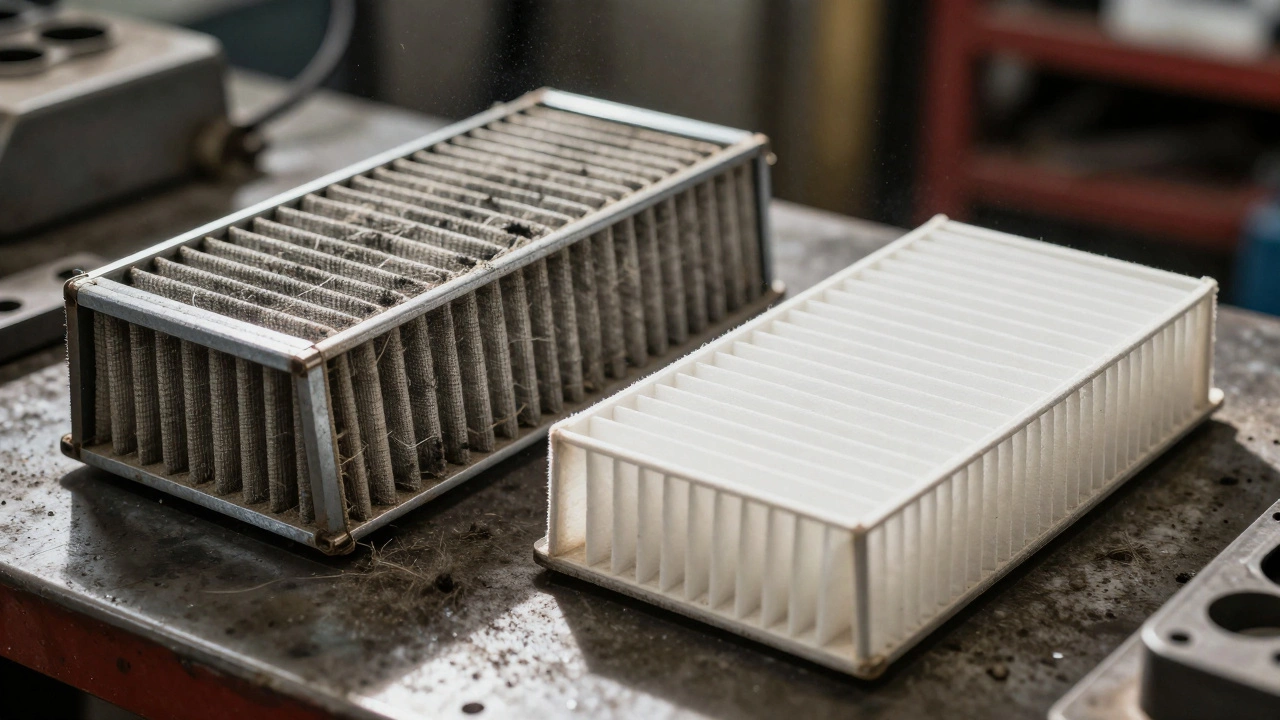
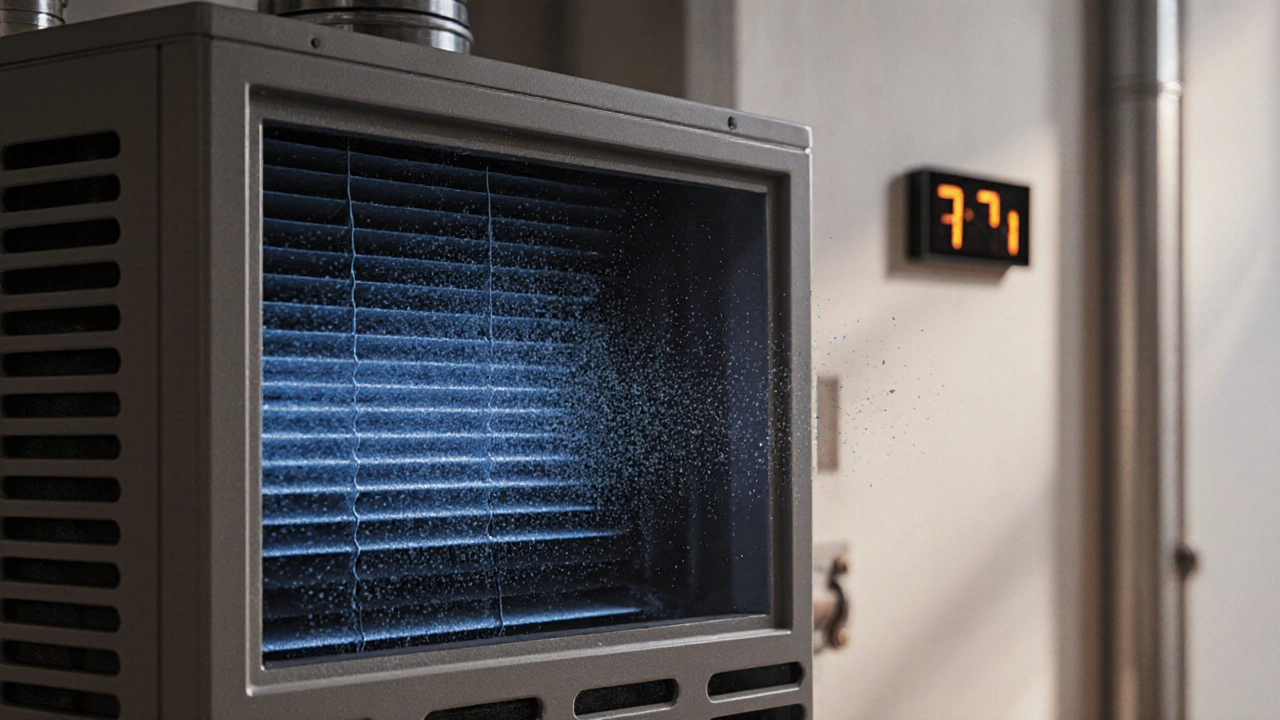
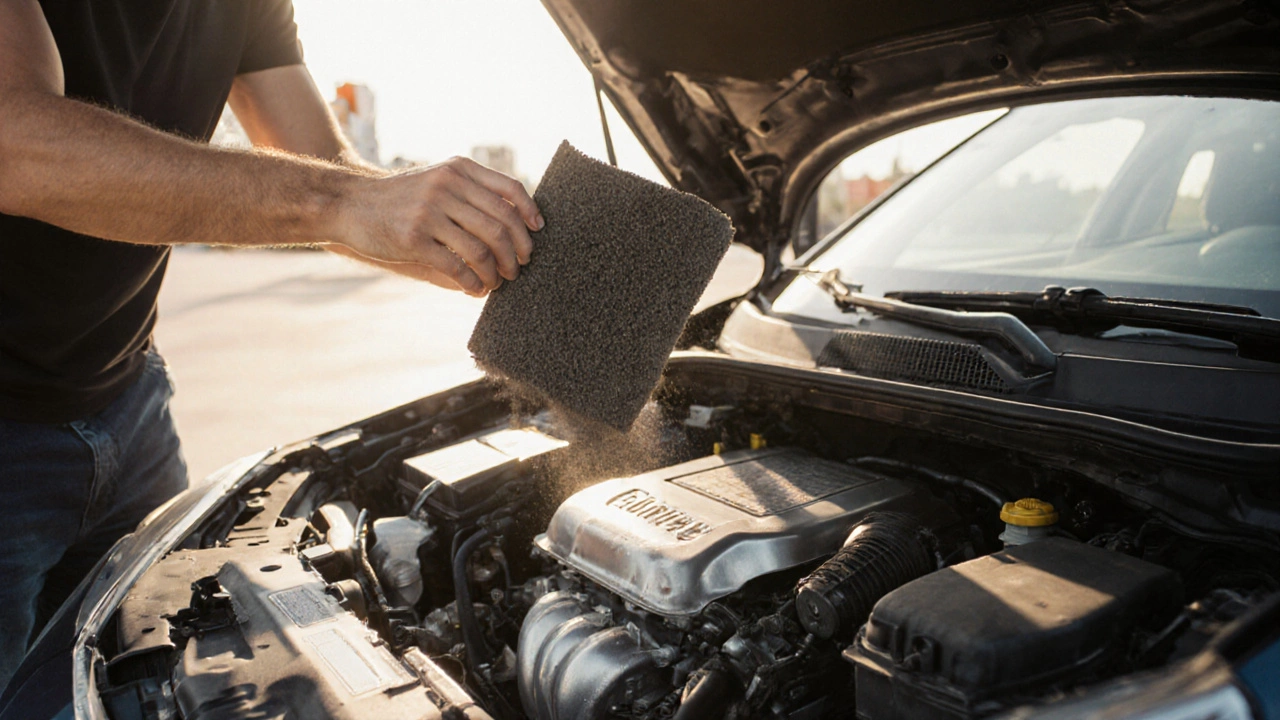
Replacing your air filter isn’t just about following a schedule. It’s about reading the signs: reduced airflow, weird smells, more dust on your dashboard, or your AC running longer than usual. A clogged cabin filter won’t stop your car from starting, but it’ll make every drive feel stuffy. A dirty engine filter won’t trigger a warning light, but it’ll slowly kill your fuel economy. You don’t need to buy the priciest option — just the right one for your vehicle or home system. And yes, cheap filters last longer than you think, if you check them every few months.
What you’ll find below are real-world guides that cut through the hype. Whether you’re wondering if premium filters are worth it, how to tell when your filter is done, or why your outside AC unit doesn’t even have a filter (yes, really), we’ve got the straight answers. No marketing fluff. Just what works, what doesn’t, and what you need to know before you spend another dollar on air filters.