Cat-Back Exhaust Value Calculator
Vehicle & Budget Details
Performance Expectations
Enter your vehicle details to see if a cat-back exhaust is worth the investment.
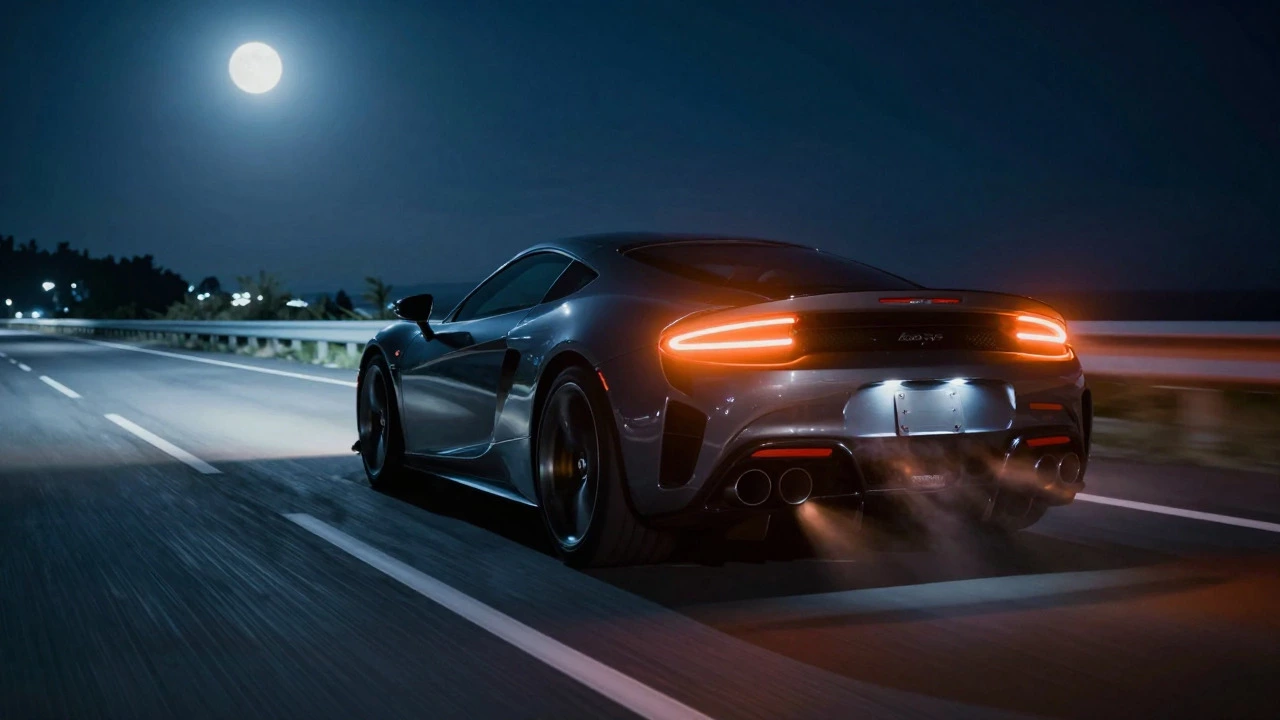
You hear that deep, aggressive growl from the car passing by on the highway. It sounds fast. It sounds expensive. You want that same feeling every time you turn the key in your ignition. That is exactly why the cat-back exhaust is the most popular entry-level performance upgrade for cars, trucks, and SUVs. But here is the question that keeps owners up at night: Is it actually worth the money?
The short answer is yes, but only if you know what you are buying into. A cat-back system does not magically add fifty horsepower to your engine. It will not turn a family sedan into a drag racer overnight. However, it does offer a specific set of benefits-primarily sound, weight reduction, and a modest gain in efficiency-that can transform how your vehicle feels to drive. The problem arises when expectations outpace reality.
What Exactly Is a Cat-Back System?
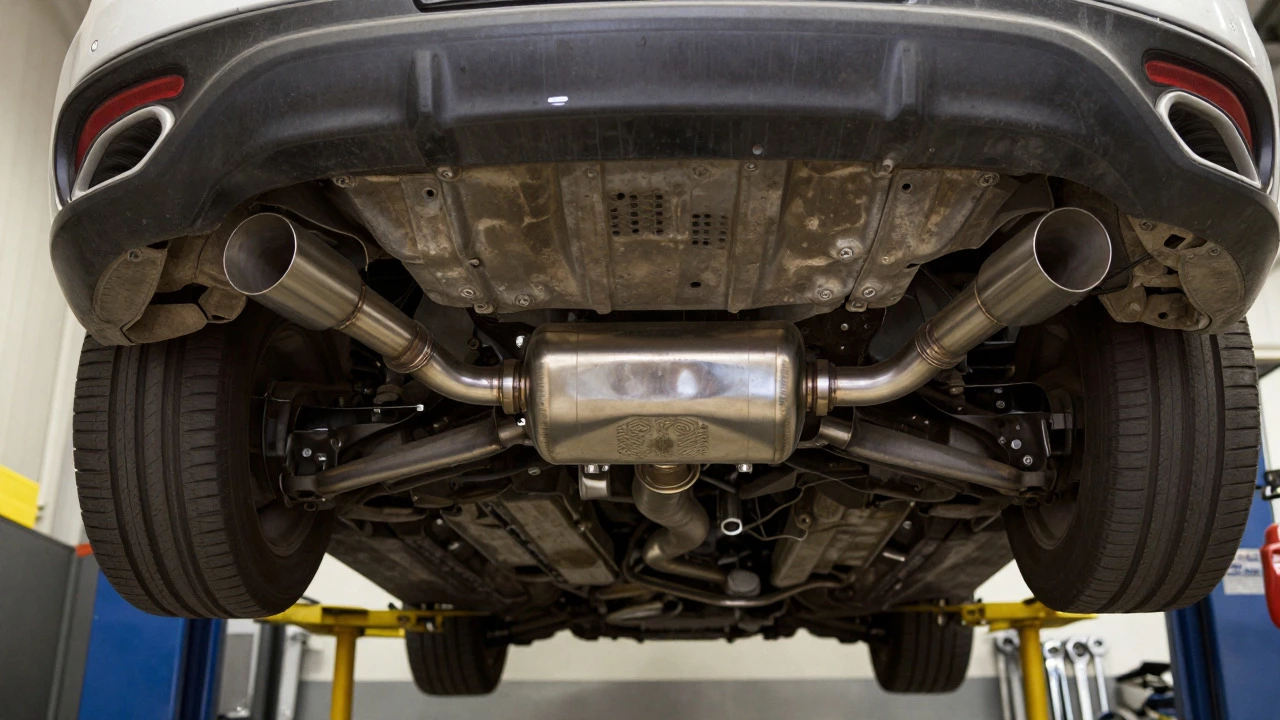
To understand the value, you first need to understand the hardware. An exhaust system is divided into sections based on where the catalytic converter sits. The "cat" refers to the catalytic converter, which cleans up harmful emissions before they leave the engine. A cat-back exhaust replaces everything from the rear of that converter all the way to the tailpipe.
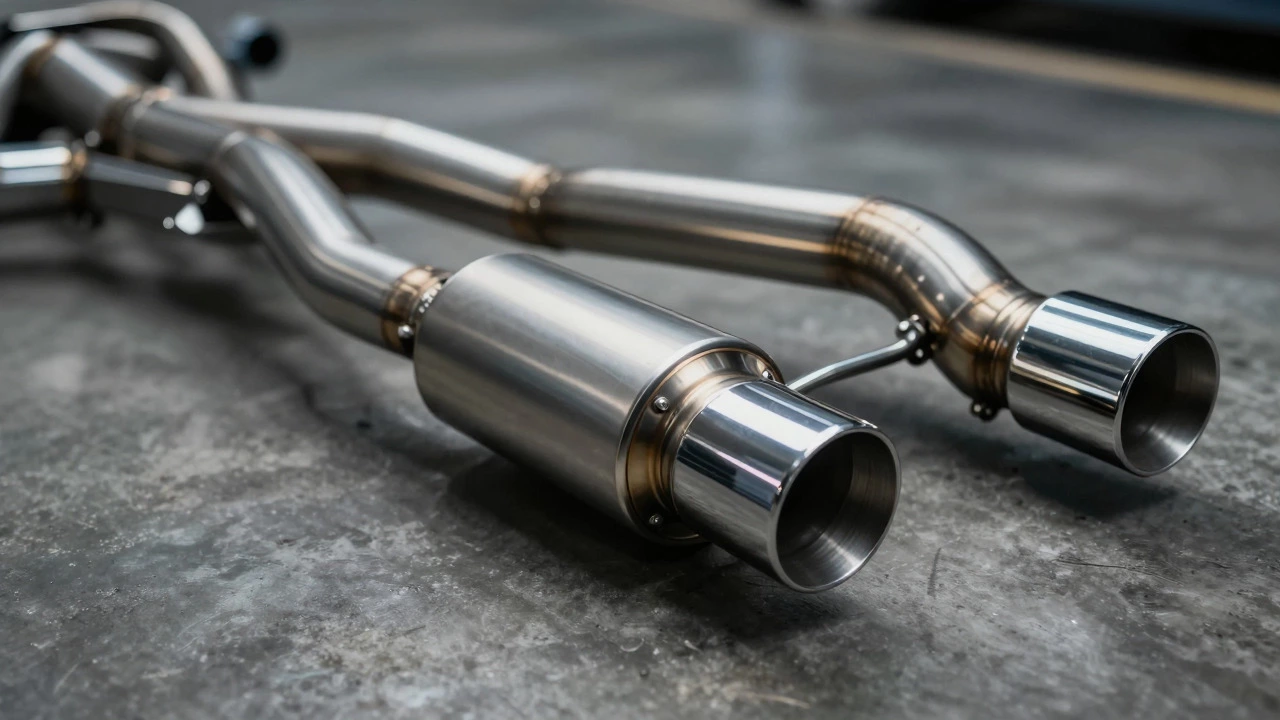
This means the system includes the mid-pipes (if applicable), the muffler, and the tips. Crucially, it leaves the front pipes and the catalytic converters alone. This distinction matters for two reasons. First, it keeps the car street-legal in most regions because you are not removing emission control devices. Second, it limits the power gains compared to a more aggressive "header-back" or "turbo-back" setup, which replaces the entire exhaust path.
If you are looking for a change that is reversible and relatively easy to install, this is the sweet spot. You do not need to cut up the undercarriage of your car or deal with complex welding jobs. Most cat-back systems bolt directly onto the existing hangers and flanges.
The Sound Factor: The Primary Motivator
Let’s be honest about why most people buy these systems. They want better sound. Stock exhausts are designed to be quiet, compliant, and boring. Manufacturers prioritize noise reduction over character. A cat-back system changes that dynamic immediately.
When you swap the stock muffler for a performance one, you alter the acoustics of the exhaust gases. Performance mufflers use different internal designs, such as straight-through perforated tubes or chambers, to reduce restriction while managing noise levels. The result is a deeper tone, a sharper crackle on deceleration, and a more linear volume increase as you rev the engine.
However, "better sound" is subjective. What sounds like a muscular rumble to one person might sound like a tinny rattle to another. This is where research becomes critical. You cannot rely on generic reviews. You must listen to audio samples of the specific brand and model installed on your exact vehicle. A system that sounds great on a V8 truck might sound harsh and buzzy on a four-cylinder sports car.
Beware of the "drone." Drone is a low-frequency humming noise that occurs at cruising speeds, typically between 2,000 and 3,000 RPM. It can make long highway drives exhausting. High-quality manufacturers tune their mufflers to minimize drone, but cheaper options often ignore this factor entirely. If you commute daily, drone is a dealbreaker.
Does It Add Real Horsepower?
Here is where the marketing gets tricky. Many product listings claim massive power gains. Do not believe them blindly. A cat-back exhaust improves flow, yes, but it is not the bottleneck in your engine’s breathing. The biggest restrictions usually lie in the intake manifold, the turbocharger, or the cylinder head design.
In real-world dyno testing, a standalone cat-back exhaust typically adds between 2 and 5 horsepower at the wheels. For a high-performance vehicle with 400+ horsepower, this is negligible. You will not feel it in acceleration times. However, for a smaller engine, say a 1.6-liter turbo, those few extra horses can improve throttle response and make the car feel snappier off the line.
The real benefit is not peak power; it is efficiency. By reducing backpressure-the resistance exhaust gases face as they exit the engine-the engine works slightly less hard to push out spent gases. This can lead to a marginal improvement in fuel economy, though modern electronic control units (ECUs) often compensate for this change, negating any MPG gains.
Weight Reduction and Handling
One advantage that rarely gets discussed is weight. Stock exhaust systems are heavy. They use thick steel and bulky mufflers to meet durability and noise standards. Performance cat-back systems often use thinner gauge stainless steel or even titanium. They also feature smaller, more efficient muffler designs.
Swapping a stock system for a performance one can shed anywhere from 10 to 30 pounds, depending on the vehicle. While 20 pounds does not sound like much, removing weight from the underside of the car lowers the center of gravity slightly. More importantly, unsprung weight reduction can improve suspension responsiveness. In track scenarios, every pound counts. On the street, it makes the car feel lighter and more agile during cornering.
Material Matters: Stainless Steel vs. Aluminized
Not all exhausts are created equal. The material used determines the lifespan and the sound quality. You will generally see two types of materials advertised: aluminized steel and stainless steel.
Aluminized steel is cheap. It is coated with aluminum to resist rust, but once that coating scratches or wears off, the steel underneath corrodes quickly. These systems are common on budget brands. They may last three to five years before developing leaks or holes. Avoid them if you plan to keep the car long-term.
Stainless steel, specifically grades 304 or 409, is the standard for quality. It resists corrosion naturally and maintains its structural integrity for decades. It also produces a clearer, richer sound because the metal density affects the resonance. If you are going to spend the money, insist on mandrel-bent stainless steel tubing. Mandrel bending ensures the tubes maintain a consistent diameter throughout curves, preventing flow restrictions that occur with crushed bends found in cheaper manufacturing.
Cost Analysis: Is the Investment Justified?
A decent cat-back exhaust ranges from $400 to $1,200 for parts alone. Installation can add another $100 to $300 if you pay a shop. Compare this to other modifications. A cold air intake costs similar money but offers less noticeable change. Coilovers cost significantly more and require alignment. In terms of cost-to-benefit ratio, the cat-back exhaust wins.
You get immediate auditory feedback, a visual upgrade with polished or brushed tips, and a slight performance edge. It is the most impactful single modification you can make without touching the engine internals. However, if your budget is tight, consider whether you can live with the stock sound. If the answer is no, then the investment is justified by the emotional satisfaction of driving a car that sounds like it was built to perform.
| Feature | Reality | Marketing Claim |
|---|---|---|
| Horsepower Gain | 2-5 HP (negligible) | 10-20 HP (exaggerated) |
| Sound Change | Significant, deeper tone | Race-car aggression |
| Fuel Economy | Minimal to none | Improved MPG |
| Installation Difficulty | Moderate (bolt-on) | Easy DIY |
| Lifespan | 10+ years (stainless) | Lasts forever |
Potential Pitfalls and Risks
Before you buy, consider the downsides. The most significant risk is noise complaints. Neighbors, homeowners associations, and local councils have strict noise ordinances. A loud exhaust can lead to fines or being asked to reverse the modification. Always check local regulations regarding decibel limits.
Another issue is warranty voidance. While the Magnuson-Moss Warranty Act in the US protects consumers from blanket warranty voids, manufacturers may still try to deny claims related to the engine or emissions if they can prove the exhaust caused damage. In practice, this is rare, but it is a friction point to be aware of.
Finally, there is the resale value argument. Some buyers prefer stock cars. A modified exhaust can deter certain purchasers who fear hidden maintenance issues or excessive noise. However, among enthusiasts, a high-quality exhaust from a reputable brand like Borla, MagnaFlow, or AP Racing can actually increase appeal.
Who Should Buy One?
If you enjoy driving and want your car to communicate more with you through sound, a cat-back exhaust is worth it. It transforms a mundane commute into an engaging experience. If you are chasing lap times, look elsewhere first; focus on tires, brakes, and suspension. If you are on a strict budget, wait until you can afford a stainless steel option rather than settling for cheap alternatives that will rust and leak.
Ultimately, the decision comes down to personal preference. There is no objective metric for "enjoyment." But if you want a modification that delivers immediate gratification with minimal hassle, the cat-back exhaust remains the king of entry-level upgrades.
Will a cat-back exhaust fail an emissions test?
Generally, no. Because a cat-back system retains the original catalytic converters, it usually passes visual and OBD-II emissions inspections. However, some strict states or countries may have noise ordinances that could cause issues, so check local laws.
How much horsepower does a cat-back exhaust really add?
Realistically, expect 2 to 5 horsepower at the wheels. The primary benefit is improved throttle response and reduced backpressure, not massive power gains. Significant horsepower increases require engine tuning or intake upgrades.
Can I install a cat-back exhaust myself?
Yes, most cat-back systems are designed for bolt-on installation. You will need basic tools like wrenches, sockets, and possibly penetrating oil for rusty bolts. Jack stands are essential for safety. If you lack mechanical experience, professional installation is recommended.
What is the difference between cat-back and header-back?
A cat-back exhaust starts after the catalytic converter, replacing the muffler and tailpipes. A header-back system replaces the entire exhaust, including the headers and catalytic converters. Header-back systems offer more power potential but are often illegal for street use due to removed emissions equipment.
Will a cat-back exhaust void my car's warranty?
It depends on the manufacturer and region. In many places, warranties cannot be voided solely due to an aftermarket part unless the dealer proves the part caused specific damage. However, it may complicate claims related to the exhaust or engine, so proceed with caution.