Suspension Impact Risk Assessor
What symptoms are you experiencing?
Select all that apply to your vehicle.
Vibration in Steering Wheel
Buzzing or shaking at highway speeds
Clunking Noises
Sounds when hitting bumps or accelerating
Uneven Tire Wear
Cupping or feathering on tire treads
Poor Handling
Car dives, squats, or wanders excessively
How long have these symptoms been present?
When was your last wheel alignment?
Your Engine Risk Assessment
Based on your vehicle's current condition
Assessing...
Analyzing your inputs...
Potential Engine Impacts:
Recommended Actions:
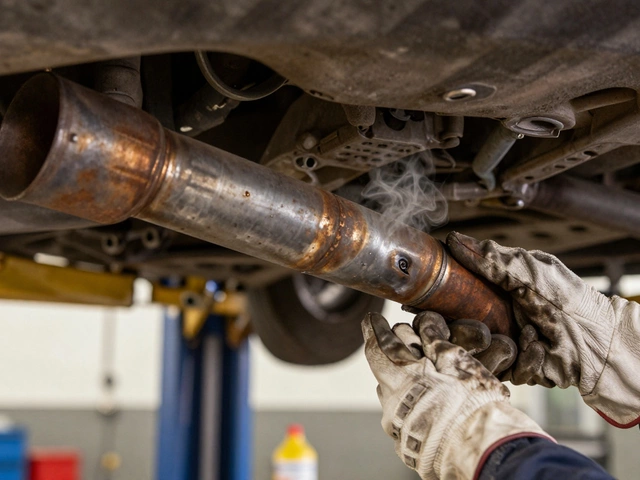
You hear a clunk when you hit a pothole. Your steering wheel vibrates at highway speeds. Most people think this is just an annoying ride quality issue or a safety hazard for the tires. But here is the question that keeps many drivers up at night: does bad suspension affect engine performance and longevity?
The short answer is no, not directly. Your engine does not sit on top of your shock absorbers, and a broken strut won’t cause a piston to fail overnight. However, the longer answer is much more nuanced. While your suspension doesn’t control combustion, it controls how your car interacts with the road. When that interaction goes wrong, it creates a chain reaction of stress that can absolutely lead to expensive engine-related repairs.
The Indirect Path: How Suspension Ruins Other Parts
To understand why your engine might suffer, you have to look at the car as a single, connected system. Think of your vehicle like a human body. The engine is the heart, pumping power. The suspension is the legs and joints, absorbing impact and keeping you upright. If your knees are shattered (bad suspension), you start walking with a limp. That limp puts unnatural strain on your hips, back, and eventually, your heart has to work harder to keep you moving.
In automotive terms, the most direct victim of bad suspension is not the engine block itself, but the components attached to it. Here is where the real damage happens:
- Misalignment and Drag: Worn suspension parts change the geometry of your wheels. This causes tire scrubbing, which increases rolling resistance. Your engine has to burn more fuel to overcome this drag, leading to overheating and premature wear on internal components over time.
- Vibration Transfer: Shocks and struts dampen vibrations. When they fail, high-frequency vibrations travel through the chassis. These vibrations can loosen engine mounts, causing the heavy engine block to shift and strain its own support structure.
- Fluid Leaks: Excessive bouncing can stress hoses and lines that run near the suspension area, including those for power steering fluid or brake lines, which often share mounting points or pathways with engine accessories.
The Critical Link: Engine Mounts and Vibration
If there is one component that bridges the gap between bad suspension and engine trouble, it is the engine mount. Engine mounts are rubber-and-metal brackets that hold your engine in place while allowing slight movement to absorb natural vibration.
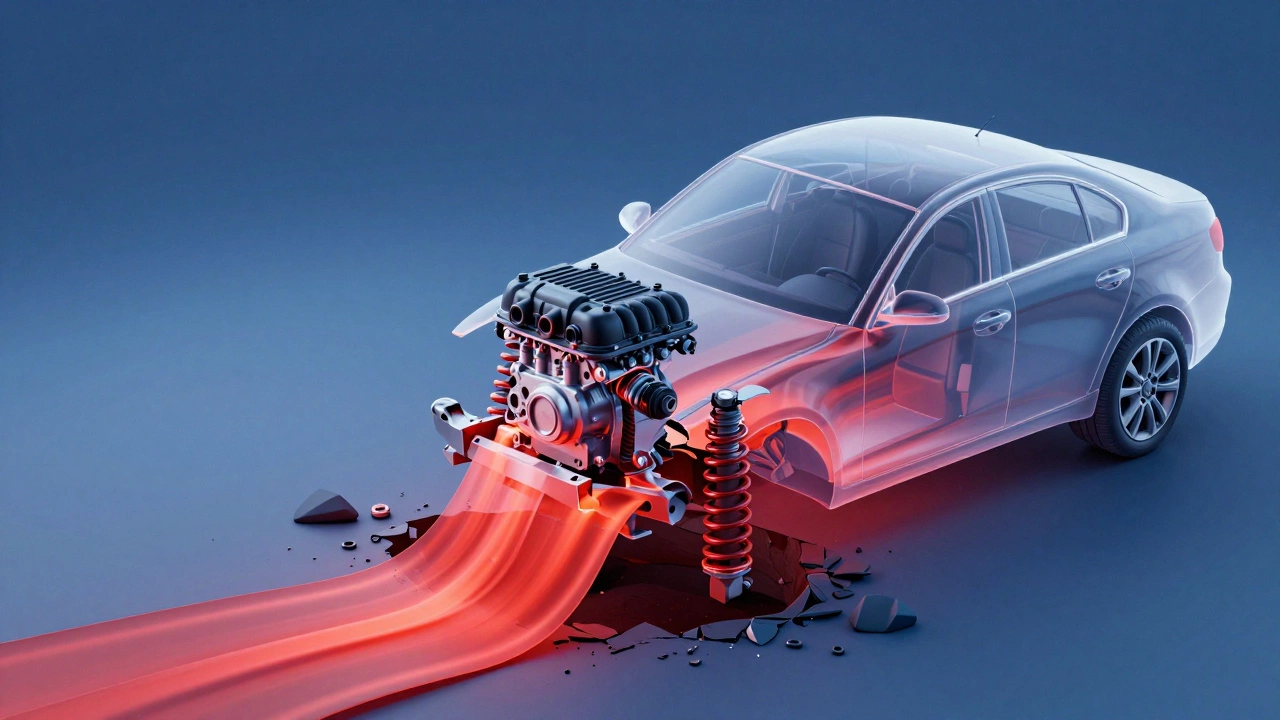
When your suspension is shot, the entire chassis becomes unstable. Hitting a bump sends a violent jolt through the frame. Instead of the shocks absorbing this energy, the force transfers upward. Over months of driving on broken shocks, these repeated impacts can crack or tear engine mounts. Once an engine mount fails, the engine can physically shift position under acceleration or braking.
This shifting is dangerous. It can stretch or snap critical connections like the exhaust manifold, intake pipes, or even the transmission linkage. In severe cases, a loose engine can rub against the underside of the hood or firewall, causing catastrophic damage. So, while the suspension didn’t break the engine, it broke the thing holding the engine steady.
Tire Wear and Rolling Resistance
Let’s talk about the ground contact point. Bad suspension leads to uneven tire wear. You’ve likely seen cars with cupped tires-tires that have dips worn into the tread pattern. This happens because the wheel isn’t staying planted firmly on the road; it’s bouncing slightly with every rotation.
Cupped or unevenly worn tires create higher rolling resistance. Imagine trying to run on a treadmill that keeps tilting left and right. You have to expend more energy to maintain the same speed. Your engine faces the same problem. To maintain highway speeds with high rolling resistance, the engine runs richer (burning more fuel) and works harder. This extra load generates excess heat. Chronic overheating is one of the fastest ways to destroy an engine, warping cylinder heads and breaking down oil viscosity.
| Vehicle System | Direct Impact | Secondary Effect on Engine |
|---|---|---|
| Steering & Alignment | Pulling, wandering steering | Increased rolling resistance, higher fuel consumption |
| Engine Mounts | Cracked or torn mounts | Engine shifting, stress on exhaust/intake manifolds |
| Tires | Cupping, uneven wear | Higher operating temperatures, increased load |
| Drivetrain | CV joint wear, axle stress | Transmission strain, potential torque converter issues |
Drivetrain Stress and Transmission Issues
Your engine connects to the wheels via the drivetrain-transmission, axles, and differentials. Bad suspension throws off the angles at which these components operate. For example, if your control arms are worn, your wheel alignment shifts dramatically. This misalignment puts lateral stress on CV joints and axles.
When CV joints bind or struggle due to poor alignment, they transmit irregular torque pulses back to the transmission. The transmission computer may interpret this as a slip or fault, triggering limp mode or harsh shifting. While this doesn’t damage the engine cylinders directly, it damages the power delivery system. A struggling transmission forces the engine to rev higher to achieve the same speed, increasing wear on bearings and pistons.
Sensor Errors and False Diagnostics
Modern cars are filled with sensors. Oxygen sensors, mass airflow sensors, and knock sensors all feed data to the Engine Control Unit (ECU). A bouncy, unstable car can cause physical movement of wiring harnesses and connectors located in the engine bay or undercarriage.
If a loose wire from a bad suspension setup causes an intermittent connection to an oxygen sensor, the ECU might think your air-fuel mixture is off. It will then adjust fuel injection accordingly. Running too rich or too lean for extended periods can foul spark plugs, clog catalytic converters, and wash away lubrication from cylinder walls. In this scenario, the root cause is mechanical instability, but the symptom looks like an electrical or fuel system failure.
Signs Your Suspension Is Hurting More Than Just Your Ride
You don’t need to be a mechanic to spot the early warning signs. Pay attention to these cues that suggest your suspension is starting to take a toll on other systems:
- Excessive Vibration in the Cabin: If you feel buzzing in the steering wheel or seat at constant speeds, your shocks are likely dead. This vibration travels to the engine mounts.
- Uneven Tire Wear: Check your tires monthly. Cupping or feathering means your suspension isn’t controlling wheel movement properly.
- Noise Under Acceleration: Clunking or rattling noises when you step on the gas can indicate loose engine mounts stressed by poor suspension damping.
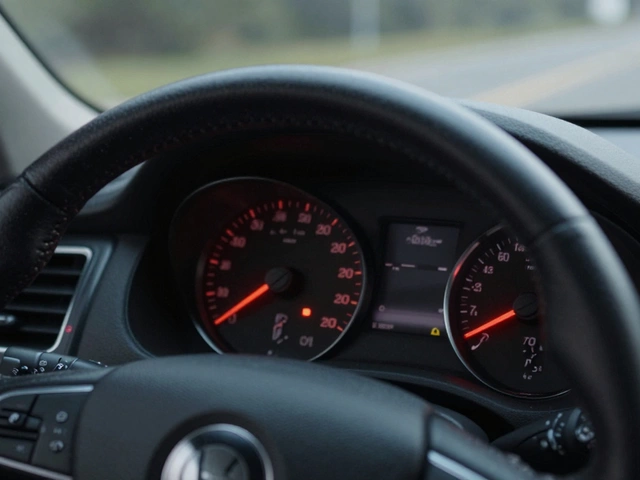
- Check Engine Light Flashes: Intermittent codes related to misfires or sensor errors could be traced back to loose connections caused by excessive body movement.
- Car Dives or Squats Excessively: If the nose dives hard during braking or the rear squats heavily during acceleration, your shocks are compromised, putting massive stress on the drivetrain.
Prevention and Maintenance Tips
Fixing bad suspension is cheaper than fixing an engine. Here is how to protect your investment:
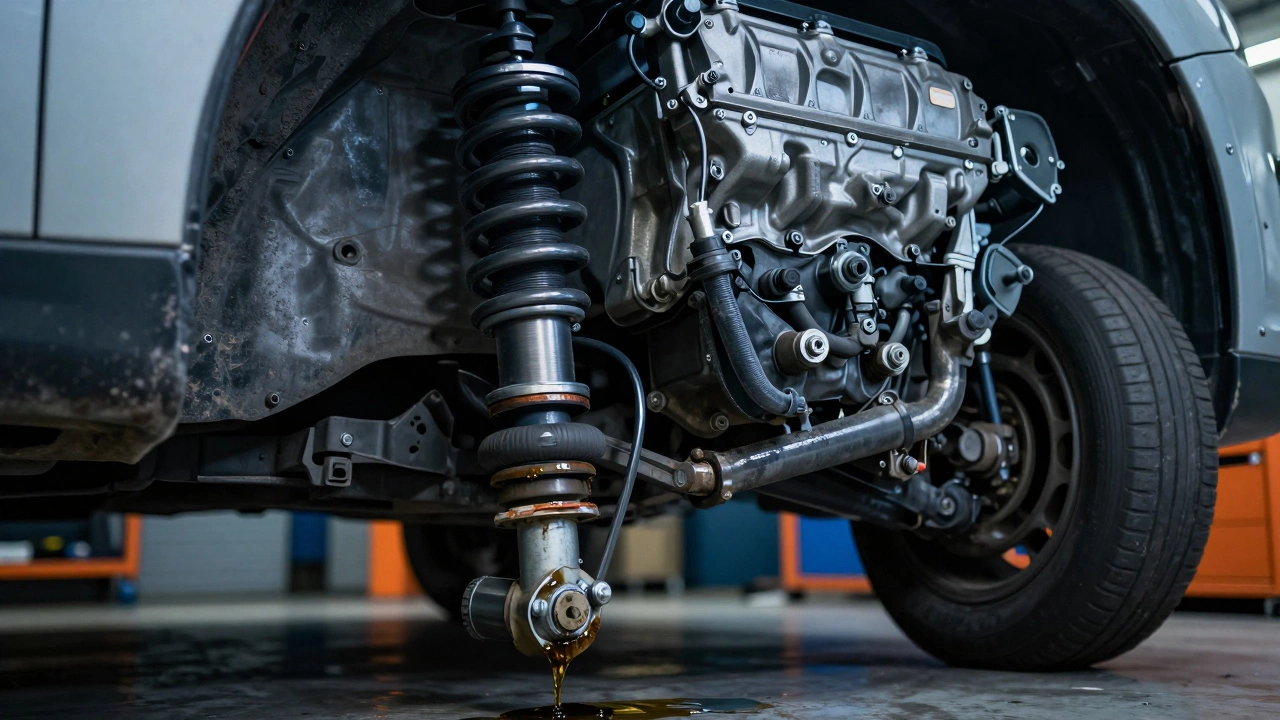
- Inspect Every 20,000 Miles: Have a professional check your shocks, struts, and bushings. Look for oil leaks on shocks or cracked rubber boots.
- Keep Alignment Current: Get a wheel alignment after any suspension repair. Proper alignment reduces rolling resistance and protects tire life.
- Replace Engine Mounts Proactively: If you replace suspension components, inspect engine mounts simultaneously. They are cheap insurance against major engine damage.
- Drive Smoothly: Avoid speeding over potholes. Hitting obstacles at high velocity multiplies the force transferred to your chassis and engine mounts.
Conclusion: Protect the Whole Car
So, does bad suspension affect the engine? Not directly, but indirectly, yes. It creates a cascade of problems-misalignment, vibration, and drivetrain stress-that force your engine to work harder, run hotter, and endure more physical strain. Ignoring suspension issues is like ignoring a leaky roof; eventually, the water gets into the walls, the insulation rots, and the structural integrity fails. Treat your suspension with respect, and your engine will thank you with years of reliable service.
Can a bad shock absorser cause my engine to overheat?
Indirectly, yes. Bad shocks cause uneven tire wear and misalignment, which increases rolling resistance. This makes the engine work harder to maintain speed, generating more heat. Additionally, excessive vibration can loosen cooling system hoses or fans mounted near the suspension, potentially leading to actual overheating events.
Will replacing suspension parts fix my check engine light?
Only if the check engine light was triggered by loose sensors or wiring caused by excessive vehicle movement. If the code is related to emissions, ignition, or fuel pressure, suspension repair won’t help. Always diagnose the specific error code first.
How long can I drive with bad suspension before it hurts my engine?
There is no set timeframe, as it depends on driving conditions and severity. However, significant damage to engine mounts and drivetrain components can occur within a few thousand miles of driving on completely failed shocks or struts. It is best to address suspension issues immediately to prevent cascading failures.
Do engine mounts wear out faster with bad suspension?
Yes. Engine mounts are designed to absorb normal engine vibration. When suspension fails, large impacts from the road are transferred directly to the chassis and engine bay. These sudden jolts accelerate the cracking and tearing of the rubber in engine mounts, leading to premature failure.
Is it expensive to fix both suspension and engine mounts?
It is significantly less expensive than repairing engine damage caused by misalignment or overheating. Replacing a set of shocks and engine mounts typically costs between $500 and $1,500 depending on the vehicle, whereas engine rebuilds can exceed $3,000. Preventative maintenance saves money in the long run.