Wiper Blade Health & Replacement Checker
Noises like angry cats instead of whispering.
Lines of water left behind after wiping.
Part of the windshield stays dry.
Splits, chunks missing, or fraying rubber.
Hard to see through windshield in light rain.
Your windshield is the only thing standing between you and a wall of rain, snow, or flying debris. When your wiper blades are rubber strips mounted on metal or plastic frames that clear water and debris from your vehicle's windshield, they become brittle, cracked, or misshapen, your view turns into an abstract painting. It’s not just annoying; it’s dangerous.
Most drivers wait until their wipers fail completely before thinking about replacing them. By then, it’s often too late. The short answer? You should replace your wiper blades every 6 to 12 months. But that’s a rough guideline. The real answer depends on climate, usage, and how well you maintain them. Let’s break down exactly when to swap them out, how to spot the warning signs, and why ignoring this cheap fix can cost you big time.
The 6-to-12 Month Rule: Why Time Matters
Rubber doesn’t last forever. Even if you never use your wipers, the material degrades over time due to exposure to sunlight, temperature changes, and ozone in the air. This process is called oxidation. Think of it like leaving a garden hose in the sun all summer-it gets hard, cracks, and eventually snaps.
In most moderate climates, six months is a safe bet for checking your blades. In harsh environments-think scorching desert heat or freezing winter temps-you might need to check them every three to four months. If you live somewhere with mild weather and garage-park your car, you could stretch it to 12 months. But don’t push it beyond that.
Here’s the thing: worn wipers don’t fail overnight. They degrade gradually. One day they’re fine, the next they’re skipping, squeaking, or leaving streaks. By the time you notice, the rubber edge is likely already damaged. Regular checks prevent surprise failures during heavy rain.
5 Clear Signs Your Wiper Blades Need Replacement
You don’t need a mechanic to tell you when your wipers are done. Your eyes and ears will give you plenty of clues. Watch for these five signs:
- Squeaking or chattering noises: If your wipers sound like angry cats instead of whispering across the glass, the rubber is hardened or uneven. Clean the blade first-if the noise persists, replace it.
- Streaking or smearing: After wiping, do you see lines of water left behind? That means the rubber edge is no longer making full contact with the glass. It’s either cracked, warped, or contaminated with oil.
- Skipping patches: Does part of the windshield stay dry while other areas get wiped? The blade frame may be bent, or the rubber has lost its flexibility in spots.
- Visible cracks or tears: Inspect the rubber edge closely. Any splits, chunks missing, or fraying means it’s time for new blades. Don’t ignore small cracks-they grow fast.
- Reduced visibility in light rain: If you can barely see through the windshield during a drizzle, your wipers aren’t doing their job. Heavy rain will make it worse.
If you notice any of these, don’t wait. Replace the blades immediately. Visibility is non-negotiable when driving.
Climate Impact: How Weather Affects Blade Life
Your location plays a huge role in how long your wiper blades last. Here’s how different climates affect them:
| Climate Type | Average Lifespan | Main Threats |
|---|---|---|
| Moderate (e.g., Pacific Northwest) | 8-12 months | UV exposure, occasional cold snaps |
| Hot & Dry (e.g., Arizona) | 4-6 months | Intense UV rays, heat-induced cracking |
| Cold & Snowy (e.g., Minnesota) | 3-6 months | Freezing temperatures, ice buildup, salt corrosion |
| Humid & Rainy (e.g., Florida) | 6-9 months | Constant moisture, mold/mildew growth |
In hot climates, UV radiation breaks down the rubber compounds faster. In cold regions, freezing makes the rubber brittle, and road salt accelerates corrosion on the metal frame. Humid areas promote mold, which eats away at the rubber edge. Adjust your replacement schedule based on where you live.
Hybrid vs. Beam Blades: Which Lasts Longer?
Not all wiper blades are created equal. Two main types dominate the market today: hybrid and beam blades. Understanding the difference helps you choose wisely.
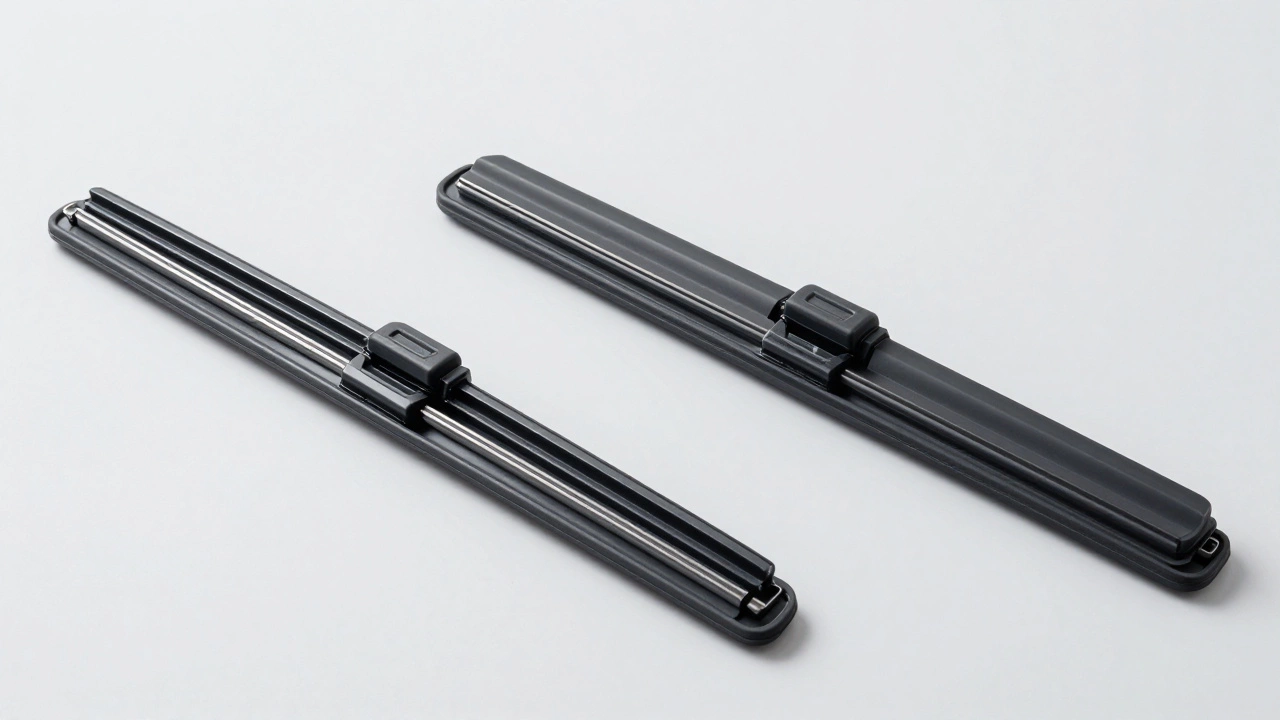
Hybrid wiper blades combine a traditional metal frame with a rubber insert wrapped in a protective cover. They’re durable, widely available, and usually cheaper. However, the metal frame can rust or bend over time, especially in snowy regions.
Beam wiper blades (also called flat or frameless blades) use a single piece of flexible steel core covered in rubber. No moving parts mean fewer points of failure. They handle extreme temperatures better and distribute pressure more evenly across the windshield. Many experts recommend beam blades for longevity and performance.
If you want maximum lifespan and cleaner wipes, go with beam blades. If budget is tight and you live in a mild climate, hybrids work fine. Just remember: even the best blade won’t last forever.
DIY Replacement: Easy Steps Anyone Can Do
Replacing wiper blades isn’t rocket science. Most people can do it in under 10 minutes with zero tools. Here’s how:
- Lift the wiper arm: Gently pull the arm away from the windshield. Be careful not to let it snap back-it can crack the glass.
- Release the old blade: Look for a small clip, button, or lever near where the blade connects to the arm. Press or slide it to unlock the blade.
- Slide off the old blade: Pull the blade straight off the hook or pin. Note the orientation so you install the new one correctly.
- Attach the new blade: Slide the new blade onto the arm until it clicks into place. Make sure it’s secure.
- Lower the arm gently: Place it back on the windshield without forcing it.
Pro tip: Replace both blades at the same time, even if one looks okay. Mismatched wear leads to uneven cleaning and premature failure. Also, clean the windshield with glass cleaner before installing new blades to remove any residual oils or dirt.

Cost Breakdown: What You’ll Pay
Wiper blades are among the cheapest car maintenance items. Prices vary by brand, type, and size:
- Budget brands (e.g., Bosch Icon, Rain-X): $10-$20 per pair
- Premium brands (e.g., Michelin, Valeo): $20-$40 per pair
- OEM replacements: $30-$60 per pair (often sold at dealerships)
Don’t skimp on quality. Cheap blades often use inferior rubber that wears out faster and leaves streaks. Investing in mid-range or premium blades saves money in the long run because they last longer and perform better.
Common Mistakes That Shorten Blade Life
Even high-quality blades die prematurely if you misuse them. Avoid these common errors:
- Using wipers on a dry windshield: Always spray washer fluid first. Dry rubbing grinds dirt into the rubber and scratches the glass.
- Leaving wipers up in snow: Ice can freeze the blades to the windshield. Use a scraper instead of prying them free.
- Ignoring dirty blades: Wipe the rubber edges monthly with a damp cloth and mild soap. Dirt buildup reduces effectiveness.
- Over-tightening the arm: Forcing the arm down can bend the frame or damage the linkage. Let gravity do the work.
Treat your wipers with care, and they’ll treat your visibility right.
When to See a Professional
Most wiper issues are DIY-friendly. But call a mechanic if:
- The wiper motor makes grinding noises or doesn’t respond.
- The wiper arms move unevenly or lag behind each other.
- You hear clicking sounds from under the hood when activating the wipers.
These symptoms point to problems with the wiper linkage, motor, or transmission-not the blades themselves. Ignoring mechanical issues can lead to costly repairs later.
Can I extend the life of my wiper blades?
Yes. Clean the rubber edges monthly with a damp cloth and mild soap. Park in a garage to reduce UV exposure. Never use wipers on a dry windshield. Apply a silicone-based protectant occasionally to keep the rubber flexible.
What happens if I drive with bad wiper blades?
Poor visibility increases accident risk. Streaks and smears distract your eyes. In heavy rain or snow, you might lose sight of the road entirely. It’s also illegal in many places to drive with unsafe wipers.
Do front and rear wiper blades need different sizes?
Usually yes. Front blades are longer (22-26 inches), while rear blades are shorter (12-14 inches). Check your owner’s manual or measure the old blades to ensure correct fit.
Are aftermarket wiper blades as good as OEM ones?
Often better. Brands like Bosch, Michelin, and Valeo engineer advanced materials and designs that outperform factory blades. OEM blades prioritize cost-efficiency over performance.
How do I know which wiper blade size I need?
Check your vehicle’s owner’s manual, look up your car model online, or measure the existing blades. Sizes range from 16 to 28 inches for front blades. Rear blades are typically 12-14 inches.