Windshield Wiper Quality & Cost Calculator
Staring at the auto parts aisle? Use this tool to determine if premium blades are worth it for your specific situation.
Your Driving Profile
Enter your details above and click "Analyze Value" to see which option offers better safety and value.
Cost Per Month Analysis
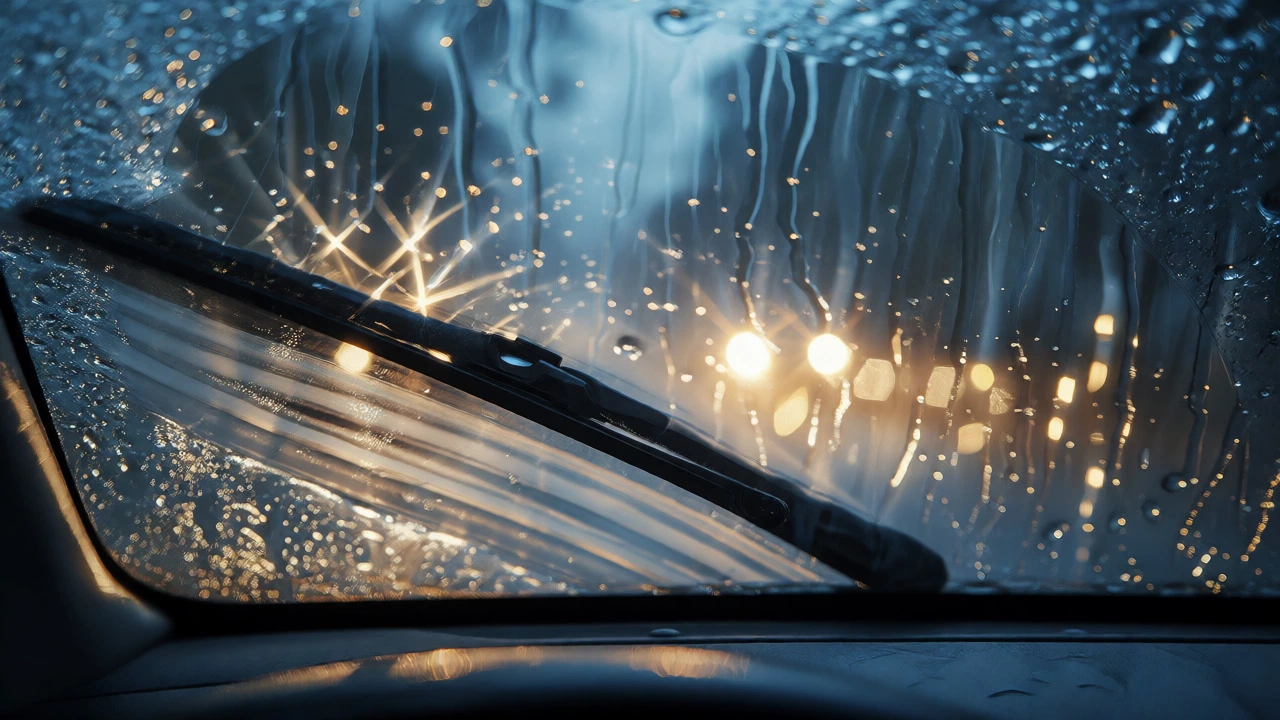
You’re standing in the auto parts aisle, staring at three different boxes of windshield wipers that look identical but cost $10, $25, and $45. Your gut says it’s all a marketing trick-rubber is rubber, right? But then you remember that last storm where your cheap blades skipped across the glass, leaving streaks that turned oncoming headlights into blinding starbursts. The truth is, not all wipers are created equal, and choosing the wrong ones can literally blind you in heavy rain or snow.
| Factor | Cheap Blades | Premium Blades |
|---|---|---|
| Lifespan | 3-6 months | 6-12+ months |
| Noise Level | High (chattering) | Low (silent glide) |
| Visibility in Rain | Streaking & skipping | Clear, consistent wipe |
| Price per Month | $1.50 - $3.00 | $2.50 - $4.00 |
The Science Behind the Squeak
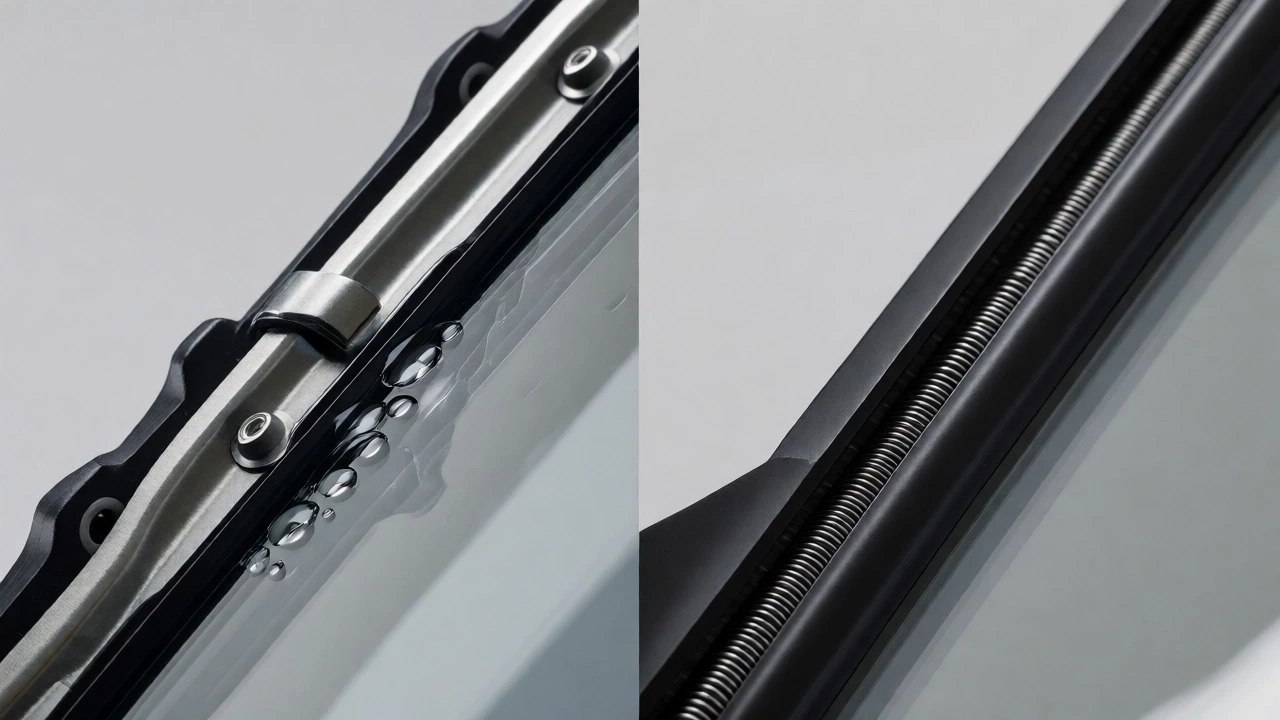
Why do some wipers chatter while others glide silently? It comes down to material science and aerodynamics. Standard conventional wipers use a metal frame with multiple pressure points. This design works fine when new, but as the rubber ages or if ice builds up in the joints, those pressure points become uneven. You get gaps between the blade and the glass, causing water to pool and skip.
Beam wipers, also known as flat-blade wipers, solve this by using a single piece of spring steel encased in rubber. They distribute pressure evenly along the entire length of the blade. This means no metal joints to freeze up in winter and less wind lift at highway speeds. If you drive over 60 mph often, beam blades aren’t just nicer-they’re safer because they stay planted on the glass when the wind tries to blow them away.
Rubber vs. Silicone: What’s Inside the Blade?
Most people don’t realize there are two main types of wiping materials: natural rubber and synthetic silicone. Natural rubber is cheaper and provides excellent initial grip, which is why it’s common in OEM (Original Equipment Manufacturer) parts. However, rubber degrades quickly under UV light and ozone exposure. That’s why your factory wipers might last six months before turning hard and brittle.
Silicone blends, found in many premium aftermarket options, resist heat and UV damage far better. They don’t stick to the windshield as aggressively, which reduces friction noise. While they might feel slightly "slippery" at first, they tend to last twice as long in hot climates like Arizona or Florida. If you live somewhere with harsh winters, however, pure silicone can sometimes stiffen more than rubber in extreme cold, so check the specific product rating for low-temperature performance.
Matching the Size and Fitment
Buying the most expensive wiper in the store won’t help if it doesn’t fit your car’s arm type. Cars use various attachment mechanisms: J-hook, side pin, top pin, bayonet, and proprietary clips. Most modern cars have moved toward specific clip systems to reduce wind noise and improve aesthetics.
- J-Hook: The classic U-shaped hook. Easy to install, universal compatibility.
- Side Pin: A small hole on the side of the wiper arm. Common in older European cars.
- Top Pin: A button on top of the arm. Requires a specific adapter.
- Bayonet: A push-and-twist mechanism. Secure but tricky to remove without tools.
Always measure your current blades or use an online fitment guide from retailers like AutoZone or Amazon before ordering. A mismatched adapter can cause the wiper to detach mid-storm, which is a dangerous scenario when visibility is already poor.
When Cheap Is Actually Fine
Do you need to spend $40 on a pair of wipers? Not always. If you live in a dry climate like Los Angeles or Phoenix and only see rain a few times a year, basic conventional wipers are perfectly adequate. You can buy a multi-pack for $15 and swap them out once a year. The cost-per-use is negligible.
However, if you commute daily through rainy Seattle or snowy Chicago, investing in quality pays off. Think about it this way: a $30 set that lasts nine months costs $3.33 per month. A $10 set that fails after three months due to chattering costs $3.33 per month too-but with worse visibility and more hassle. In wet weather, clarity is worth the extra cash.
Signs You Need to Replace Them Now
Don’t wait for a total failure. Here are the red flags that indicate your current wipers are compromising your safety:
- Chattering: If the blades hop or squeak across the glass, the rubber has hardened or the frame is bent.
- Streaking: Visible lines left behind after a wipe mean the edge is nicked or worn unevenly.
- Skipping: Dry patches appearing in the center or edges suggest the blade isn’t making full contact.
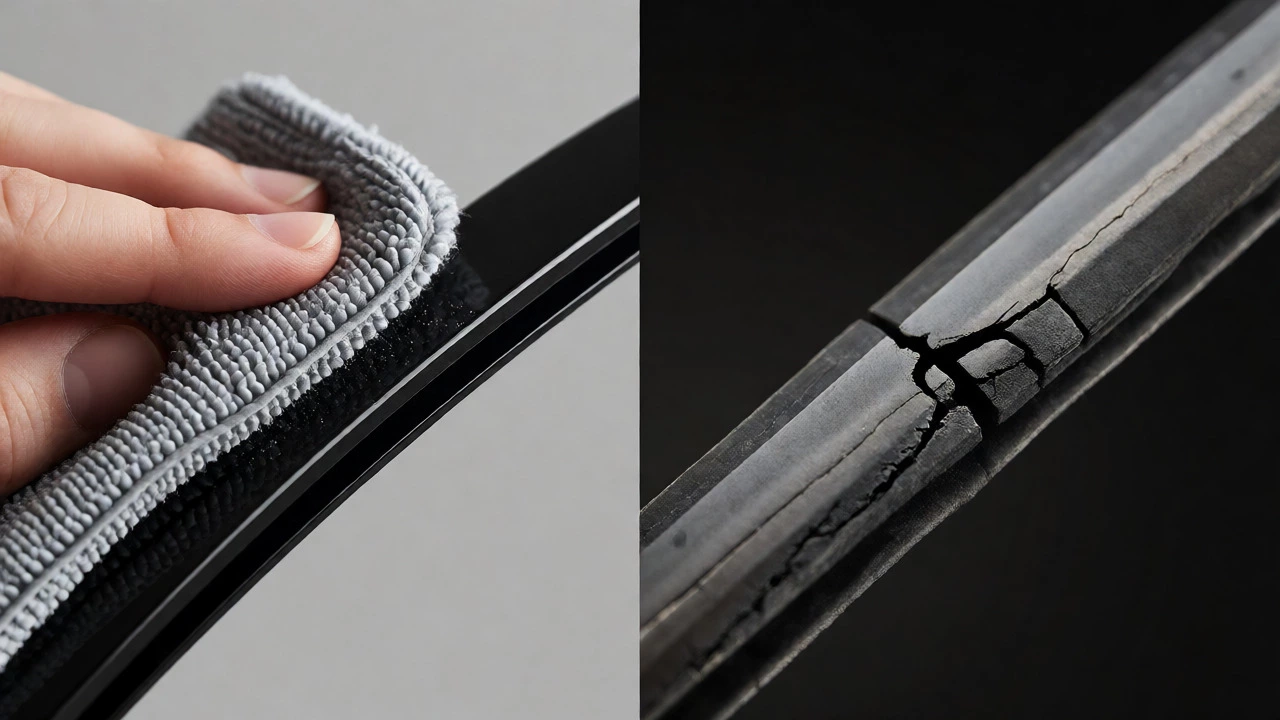
- Splitting: Look closely at the rubber edge. If you see cracks or tears, replace immediately.
A quick test: spray water on your windshield and run the wipers. If you see clear arcs followed by hazy bands, your blades are done. Cleaning the windshield itself helps-if your glass is coated in tree sap or wax, even new wipers will struggle. Use a dedicated glass cleaner or a clay bar to prep the surface before installing new blades.
Maintenance Tips to Extend Lifespan
You can double the life of any wiper blade with simple habits. First, never run your wipers on a dry windshield. Friction generates heat that melts the rubber edge, causing permanent deformation. Always use washer fluid to lubricate the glass first.
Second, park in the shade or use a windshield cover in summer. UV radiation is the number one killer of rubber compounds. Third, clean the rubber edge weekly with a damp cloth to remove grit and bug residue. Grit acts like sandpaper, wearing down the sharp edge needed for a clean wipe.
How often should I change my windshield wipers?
Generally, every 6 to 12 months. However, inspect them monthly. If you notice streaking, chattering, or visible wear on the rubber, replace them immediately regardless of age. Climate plays a huge role; intense sun and salt air degrade rubber faster than mild climates.
Are expensive wiper blades worth the money?
For most drivers in rainy or snowy regions, yes. Premium blades offer better aerodynamic stability, longer lifespan, and superior visibility in heavy precipitation. For drivers in arid climates who rarely use wipers, budget options are sufficient.
Can I mix different brands of wipers on my car?
Yes, you can mix brands as long as both blades fit your vehicle's attachment type and size. However, it is recommended to replace them in pairs to ensure uniform performance and appearance.
Why do my new wipers still chatter?
New wipers may chatter if the windshield is dirty or coated with wax/oils. Clean the glass thoroughly with glass cleaner and a microfiber towel. Also, ensure the wiper arm is applying even pressure; a bent arm from a previous impact can cause uneven contact.
What is the difference between conventional and beam wipers?
Conventional wipers have a metal frame with multiple pressure points, while beam wipers use a single strip of spring steel for even pressure distribution. Beam wipers perform better at high speeds and in winter conditions because they lack joints that can freeze.