Fuel Injector Health Checker
Select any symptoms or conditions that apply to your vehicle currently.
Risk Assessment
Based on selected indicators
Click options on the left to begin diagnosis.
Your car feels sluggish. The check engine light is on. You’re burning more fuel than usual. These aren’t just random annoyances-they could be signs of a clogged fuel injector. This tiny but critical component delivers the precise amount of fuel your engine needs to run smoothly. When it gets blocked, everything from acceleration to fuel efficiency takes a hit.
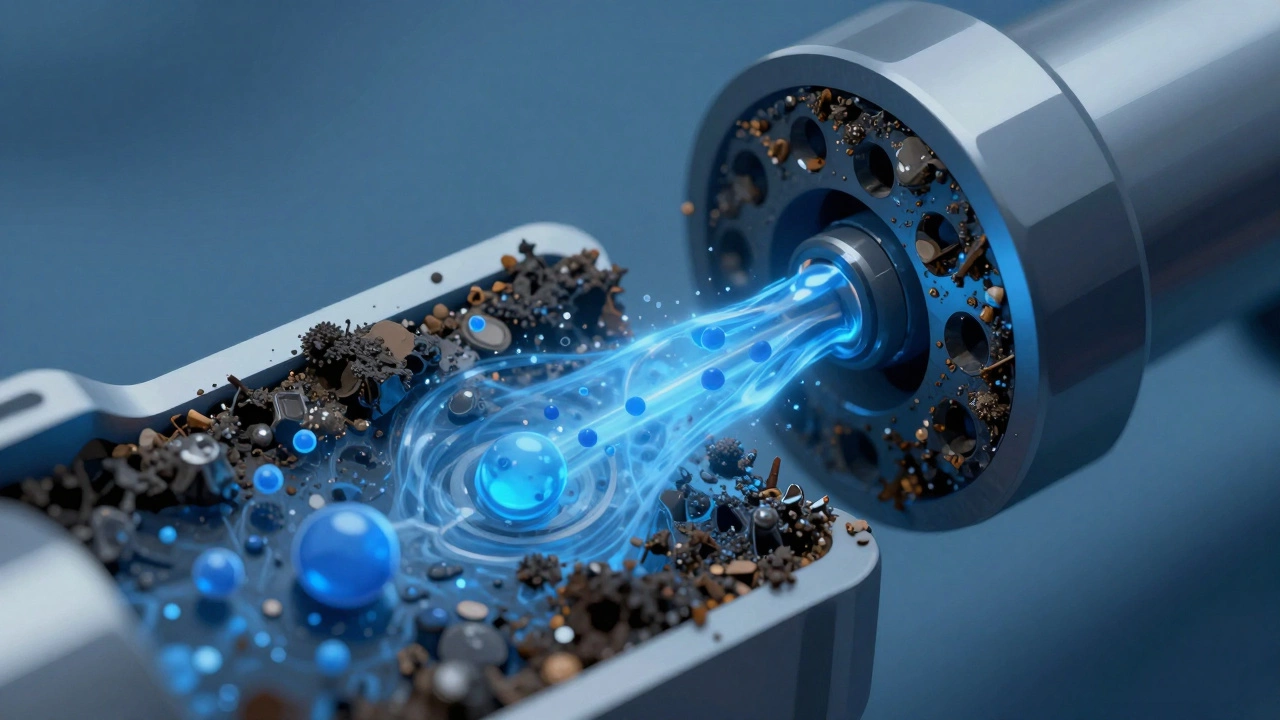
Fuel injectors are small nozzles that spray atomized fuel into the engine’s combustion chamber. Over time, dirt, carbon deposits, and old fuel residues can build up inside them. This buildup restricts fuel flow, leading to a host of performance issues. If you ignore these warning signs, you might face costly repairs or even engine damage.
Common Signs of a Clogged Fuel Injector
Recognizing the early symptoms of a clogged fuel injector can save you time and money. Here are the most common indicators:
- Rough Idling: Your engine shakes or vibrates noticeably when stopped at a traffic light. This happens because the engine isn’t getting enough fuel to maintain a steady idle speed.
- Engine Misfires: You feel sudden jerks or hesitations while driving. A misfire occurs when one or more cylinders don’t combust fuel properly due to insufficient fuel delivery.
- Poor Acceleration: Pressing the gas pedal doesn’t give you the expected boost. Instead, the vehicle struggles to pick up speed, especially when climbing hills or merging onto highways.
- Increased Fuel Consumption: Your MPG drops significantly. A clogged injector forces the engine to work harder, burning more fuel to produce the same power output.
- Check Engine Light: The dashboard warning light illuminates, often accompanied by trouble codes like P0300 (random misfire) or P0201-P0208 (specific cylinder injector circuit malfunction).
- Stalling: The engine shuts off unexpectedly, particularly at low speeds or when coming to a stop. This is a severe sign of restricted fuel flow.
- Rough Start-Up: The engine cranks longer than usual before starting, or it fails to start altogether in extreme cases.
Why Do Fuel Injectors Get Clogged?
Understanding the root causes helps you prevent future issues. Several factors contribute to injector blockages:
- Low-Quality Fuel: Gasoline with high impurities or ethanol content can leave behind residues that accumulate over time.
- Neglected Maintenance: Skipping regular fuel system cleanings allows varnish and carbon deposits to build up.
- Old Fuel: Leaving gas in your tank for months (especially in seasonal vehicles) causes it to degrade and form gums that clog injectors.
- Dirty Fuel Filter: A worn-out filter lets debris pass through into the fuel lines and injectors.
- High Mileage: Older engines naturally accumulate more contaminants, increasing the risk of blockages.
In Adelaide’s climate, where dust and heat are common, keeping your fuel system clean is even more important. Dust particles can enter the fuel system if filters aren’t replaced regularly, accelerating wear on injectors.
How to Diagnose a Clogged Fuel Injector
If you suspect a clogged injector, here’s how to confirm it:
- OBD-II Scanner: Plug an OBD-II scanner into your car’s diagnostic port. Look for misfire codes (P0300 series) or injector-specific error codes. This gives you concrete data rather than guessing.
- Visual Inspection: Remove the injectors and check for visible carbon buildup or debris. Dirty injectors will look blackened or crusty compared to clean ones.
- Fuel Pressure Test: Use a fuel pressure gauge to measure line pressure. Low pressure indicates a restriction somewhere in the system, possibly at the injectors.
- Listen for Hissing: With the engine running, listen closely near each injector. A healthy injector makes a consistent clicking sound. A clogged one may hiss or make irregular noises.
- Performance Test: Drive the car under various conditions (idle, acceleration, highway cruising). Note any inconsistencies in smoothness or power delivery.
For DIY enthusiasts, tools like the Autel MaxiCOM MK808 provide reliable code reading without needing a mechanic. For deeper diagnostics, professional equipment such as Bosch fuel flow testers offers precise measurements.
Cleaning vs. Replacing: What Should You Do?
Not all clogged injectors need replacement. Many can be cleaned effectively, saving you hundreds of dollars. Here’s how to decide:
| Factor | Cleaning | Replacing |
|---|---|---|
| Cost | $50-$150 (DIY kits) | $200-$600+ (parts + labor) |
| Effectiveness | Good for mild-moderate buildup | Best for severe damage or leaks |
| Lifespan Extension | Adds 1-2 years | Restores full functionality |
| Time Required | 1-2 hours | 3-5 hours |
| Recommended Tools | Injector cleaner spray, ultrasonic bath | New injectors, torque wrench, seal kit |
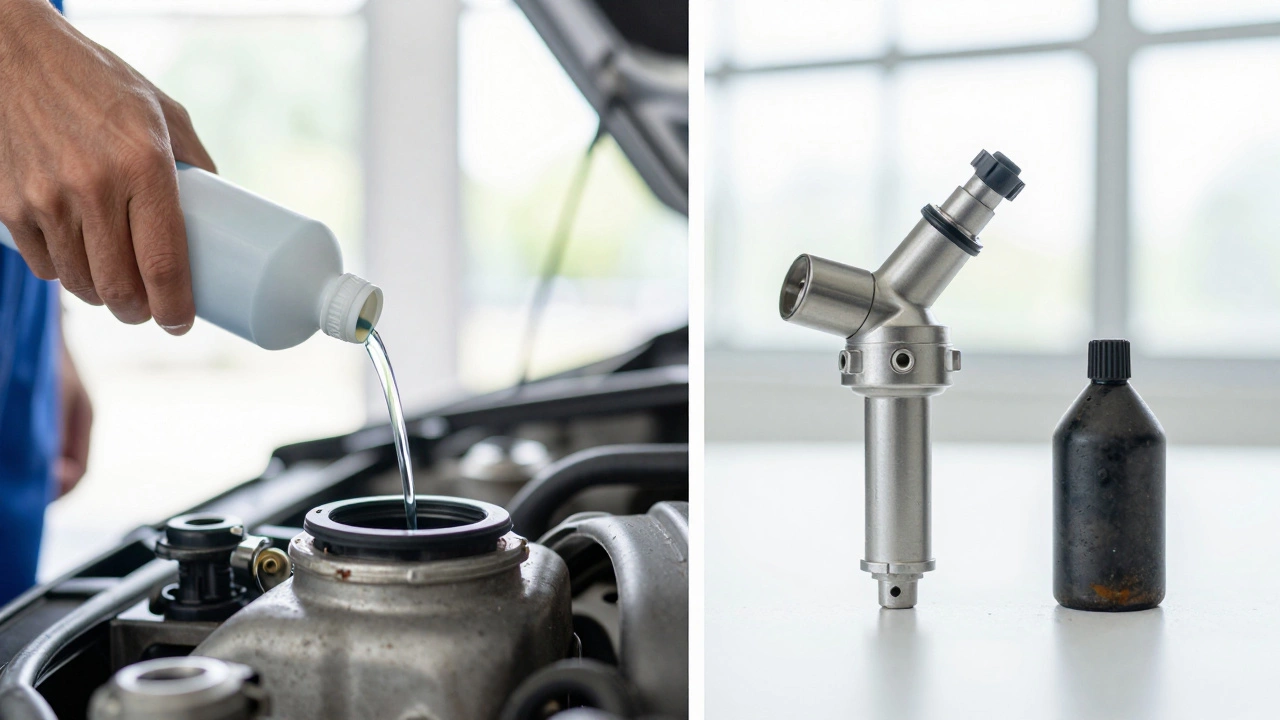
Popular cleaning products include Walbro Fuel System Cleaner and BG44K, which dissolve carbon deposits safely. Ultrasonic cleaners offer a thorough deep-clean option for stubborn buildup.
Preventive Maintenance Tips
Avoiding clogged injectors starts with good habits. Follow these steps to keep your fuel system running smoothly:
- Use Top-Tier Fuel: Stick to reputable brands that meet strict quality standards. Avoid cheap gas stations with questionable sourcing.
- Add Fuel Treatments Regularly: Every 3,000-5,000 km, pour a bottle of fuel system cleaner into your tank. Products like Red Line SI-1 help prevent deposit formation.
- Replace Fuel Filters On Schedule: Change your fuel filter every 30,000-60,000 km, depending on manufacturer recommendations.
- Don’t Let Fuel Sit: If your car sits unused for weeks, use a stabilizer like STA-BIL to preserve fuel integrity.
- Schedule Professional Cleanings: Have a mechanic perform a fuel system flush every 50,000 km, especially in dusty environments like Adelaide.
These simple practices extend injector life and maintain optimal engine performance. Think of it like brushing your teeth-regular care prevents major problems later.
When to See a Mechanic
While some fixes are DIY-friendly, certain situations require professional help. Seek assistance if:
- The check engine light stays on after cleaning attempts.
- You experience frequent stalling or hard starts.
- Fuel pressure tests show abnormally low readings.
- Injectors leak visibly around the base connections.
- You lack the tools or confidence to remove injectors safely.
Mechanics have specialized equipment like Husky Fuel Injection Tester Kits that diagnose issues accurately. They also ensure proper reinstallation to avoid air locks or leaks.
Can a clogged fuel injector cause overheating?
Indirectly, yes. A clogged injector leads to incomplete combustion, causing unburned fuel to enter the exhaust. This raises exhaust temperatures, potentially stressing the cooling system. However, direct overheating usually points to radiator or thermostat issues first.
How long does it take to clean fuel injectors?
A basic chemical cleaning takes about 1-2 hours. Ultrasonic cleaning requires setup time plus 30-60 minutes per injector set. Professional services typically complete the job within 3-4 hours including removal and reinstallation.
Is it safe to drive with a clogged fuel injector?
Short trips are generally okay, but prolonged driving risks worsening the problem. Unburned fuel can damage catalytic converters, and erratic engine behavior increases accident risk. Address the issue promptly to avoid bigger costs.
Do diesel cars get clogged injectors too?
Yes, diesel injectors face similar challenges. Diesel fuel contains more particulates, making filters crucial. Modern common-rail systems operate at higher pressures, so even minor blockages disrupt precision spraying significantly.
What’s the average cost to replace fuel injectors?
Replacement costs range from $200 to $600+, depending on vehicle type and number of injectors. Luxury models or those requiring specialized parts may exceed $1,000. Labor adds another $100-$300 typically.
Next Steps Based on Your Situation
If your car shows mild symptoms like occasional rough idling, try a fuel additive treatment first. Monitor performance over the next few tanks. For persistent issues, schedule a diagnostic scan. Severe cases involving stalling or major power loss demand immediate attention-don’t delay repairs.
Remember, prevention beats cure. Regular maintenance keeps your fuel system healthy and avoids unexpected breakdowns. Whether you tackle this yourself or hire a pro, addressing clogged injectors early ensures smoother rides and better fuel economy down the road.