Spark Plug Troubleshooter
What is the main symptom you are experiencing?
Diagnosis
Recommended Action Plan
You just spent an hour under the hood and a decent chunk of change on new spark plugs is a critical component of the internal combustion engine that ignites the air-fuel mixture in the cylinder. You expected smoother acceleration, better fuel economy, and that satisfying purr. Instead, your car feels like it’s driving through mud. It hesitates when you step on the gas, idles roughly, or maybe even throws a check engine light.
This is frustrating, but it’s also incredibly common. In fact, many DIY mechanics face this exact scenario. The good news? Your engine isn’t broken. Something went wrong during the installation, or there’s a secondary issue the new plugs have exposed. Let’s walk through why this happens and how to fix it quickly.
The #1 Culprit: Incorrect Spark Plug Gap
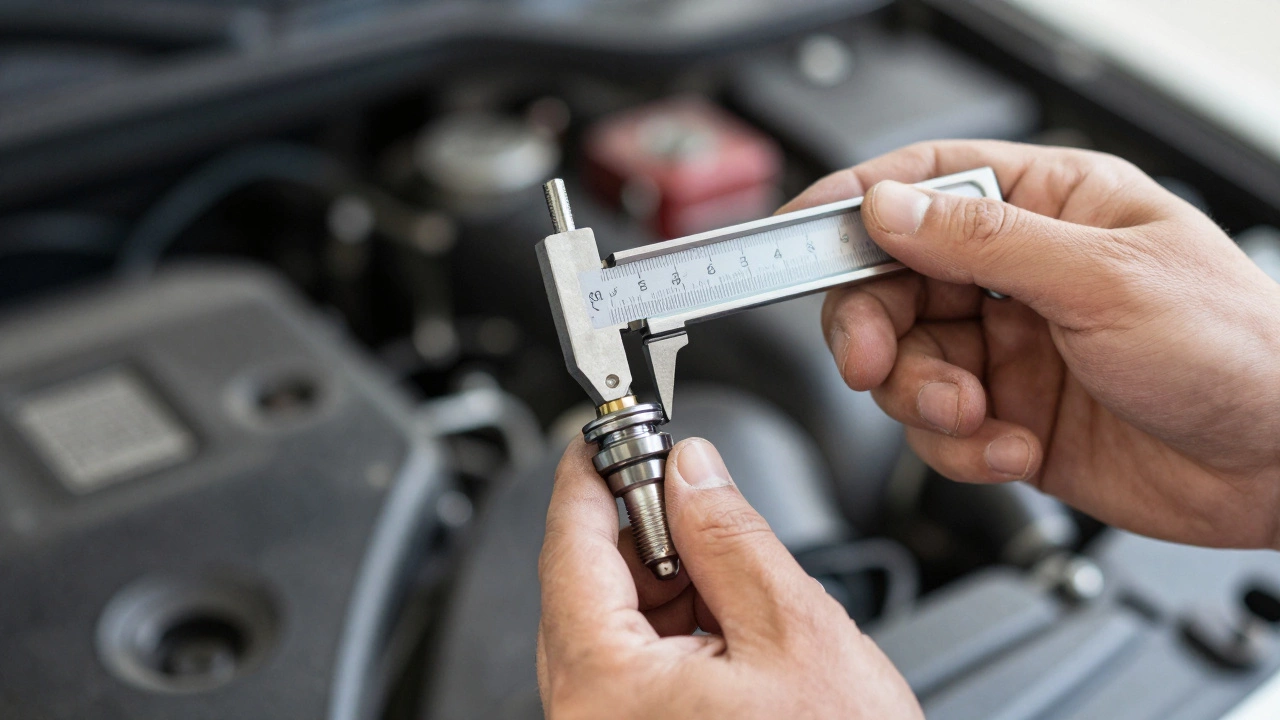
If you bought pre-gapped spark plugs-which most modern ones are-you might have assumed they were ready to install straight out of the box. But shipping vibrations can shift the electrode gap slightly. More importantly, not all cars use the same gap specification. A gap that’s too wide means the spark has to jump a distance it can’t handle at lower voltages, causing a misfire. A gap that’s too narrow results in a weak spark that doesn’t fully ignite the fuel mixture.
Spark plug gap is the distance between the center electrode and the ground electrode, measured in millimeters or inches. For example, if your vehicle requires a 0.8mm gap and you installed plugs gapped at 1.1mm without checking, the ignition coil will struggle to bridge that extra space. This leads to incomplete combustion, which feels like a lack of power and causes rough running.
How to fix it: Grab a feeler gauge (they’re cheap and essential). Check the manufacturer’s specification for your specific engine model. Measure each plug. If they’re off, gently bend the ground electrode using the round part of the gauge tool until it fits snugly. Don’t force it; you can crack the ceramic insulator easily.
Did You Cross-Thread the Plugs?
This is the scary one. When installing spark plugs, you must start them by hand. If you forced a plug into the cylinder head with a socket wrench before it was properly seated, you might have cross-threaded the hole. This damages the threads in the aluminum head, preventing the plug from seating correctly. A loose plug leaks compression, leading to a massive drop in performance and potential overheating.
Even worse, if you over-tightened the plug, you could have stretched the threads or cracked the ceramic insulator inside the combustion chamber. A cracked insulator allows high-voltage electricity to arc to the metal shell instead of jumping the gap, killing the spark entirely for that cylinder.
How to fix it: Remove the suspect plugs. Look closely at the threads on the plug itself. Are they stripped or shiny? Look into the hole in the head. If you see damaged threads, do not reinstall the plug. You’ll need a thread repair kit (like a Helicoil) or a professional machine shop to re-tap the holes. If the ceramic is cracked, replace the plug immediately.
Wrong Heat Range for Your Engine
Not all spark plugs are created equal. They come in different heat ranges, which refers to how well they dissipate heat from the tip. A "hot" plug retains more heat, while a "cold" plug sheds heat faster. Using the wrong heat range can cause serious issues.
If you installed plugs that are too cold for your engine, the tip won’t get hot enough to burn off carbon deposits. This leads to fouling, where carbon builds up and shorts out the spark. Your car will run rough and waste fuel. Conversely, if you used plugs that are too hot, the tip gets excessively hot, potentially causing pre-ignition or detonation (knocking), which feels like a rattling noise under load and can destroy pistons.
Heat range is a classification indicating a spark plug's ability to transfer heat from the firing end to the cylinder head. Always match the heat range specified in your owner’s manual or the old plugs you removed. If you upgraded to a performance tune but kept stock plugs, you might actually need colder plugs, but switching randomly without data usually hurts performance.
Faulty Ignition Coils or Wires
Sometimes, the spark plugs aren’t the problem-they’re just the first thing you changed. If your car was already struggling, it might be due to aging ignition coils or cracked spark plug wires. Installing new plugs changes the electrical resistance slightly. If the coils are on their last legs, this small change can push them over the edge, causing them to fail completely.
Ignition coils are devices that convert the battery's low voltage into the thousands of volts needed to create an electric arc in the spark plug. Modern cars often have one coil per plug (COP systems). If one coil fails, that cylinder won’t fire, resulting in a noticeable misfire, especially at idle or under acceleration.
How to diagnose: Swap the ignition coil from the misfiring cylinder to a working one. If the misfire moves to the new cylinder, the coil is bad. If the misfire stays in the original cylinder, the issue is likely the plug, the wiring, or fuel delivery.
Vacuum Leaks Exposed by Better Combustion
This sounds counterintuitive, but hear me out. Old, worn-out spark plugs produce a weak spark. This weak spark means the engine is running less efficiently, and the computer compensates by adjusting the air-fuel mixture. When you install fresh, strong-sparking plugs, the engine suddenly burns fuel more completely. If there’s a vacuum leak somewhere in the intake manifold-a cracked hose, a leaking gasket-the sudden efficiency change can make the lean condition (too much air, not enough fuel) much more pronounced.
Your car might start surging or idling roughly because the engine control unit (ECU) is now reacting to unmetered air entering the system more aggressively than before. The new plugs didn’t cause the leak, but they made the symptom obvious.
How to check: Listen for hissing noises around the intake manifold while the engine is running. Use a smoke machine or carburetor cleaner spray around vacuum hoses. If the idle changes when you spray cleaner near a hose, you’ve found the leak.
Loose Connections and Boot Issues
A simple oversight can ruin the job. Did you ensure the spark plug wire boots or coil packs clicked securely into place? If the connection isn’t tight, resistance increases, and voltage drops. The spark becomes intermittent. This feels like a stuttering engine, especially when you accelerate.
Also, check the boot material. If you reused old boots, they might be hardened or cracked. Rubber degrades over time. A cracked boot allows moisture and dirt to enter, causing arcing to the engine block instead of down the plug. Always inspect boots before reinstalling. If they look brittle, replace them.
When to Call a Professional
If you’ve checked the gaps, verified the torque specs, inspected the coils, and ruled out vacuum leaks, but the car still runs poorly, it might be time for a pro. There could be deeper issues like clogged fuel injectors, a failing mass airflow sensor, or timing chain problems that coincidentally surfaced during this maintenance window.
Don’t ignore a persistent misfire. Running a car with a misfire can damage the catalytic converter, which is far more expensive to replace than a set of spark plugs. Unburnt fuel enters the exhaust and overheats the converter, melting the internal honeycomb structure.
| Symptom | Likely Cause | Quick Fix |
|---|---|---|
| Rough Idle / Shaking | Incorrect Gap or Loose Connection | Re-check gaps and tighten boots |
| Loss of Power / Hesitation | Cross-threaded Plug or Wrong Heat Range | Inspect threads and verify part number |
| Check Engine Light (Misfire Code) | Faulty Coil or Cracked Ceramic | Swap coils to isolate, inspect plug visually |
| Surging at Steady Speed | Vacuum Leak Exposed | Smoke test intake system |
| Knocking Noise Under Load | Plugs Too Hot / Pre-ignition | Replace with correct/colder heat range |
Pro Tips for Next Time
- Use a Torque Wrench: Spark plugs require precise tightening. Over-tightening strips threads; under-tightening causes leaks. Consult a torque spec chart for your engine.
- Dielectric Grease: Apply a tiny amount of dielectric grease to the inside of the spark plug boot. This prevents sticking and protects against moisture corrosion.
- One Cylinder at a Time: If you’re replacing plugs on a multi-cylinder engine, do one cylinder at a time. This prevents mixing up wires or coils, which can cause immediate misfires.
- Keep Track of Parts: Take a photo of the old plugs before removing them. Note the brand, model, and gap. This serves as a backup reference if the new ones don’t work.
Can I drive my car if it runs rough after changing spark plugs?
It depends on the severity. If the car is shaking violently or making knocking noises, stop driving immediately. You risk damaging the catalytic converter or engine internals. If it’s just a slight hesitation, you can drive it slowly to a mechanic, but avoid high speeds and heavy loads.
How long does it take for a car to adjust to new spark plugs?
Ideally, zero time. New spark plugs should improve performance immediately. If your car runs worse right away, it’s not an "adjustment period"-something is wrong. However, some modern ECUs may take a few drive cycles to fully optimize fuel trim, but this shouldn’t cause rough running.
What is the correct torque for spark plugs?
Torque varies by engine and plug type. Generally, copper plugs require less torque (around 15-20 ft-lbs) than iridium or platinum plugs (often 25-30 ft-lbs). Always check your vehicle’s service manual. Using a torque wrench is highly recommended to prevent thread damage.
Can bad spark plugs damage the ignition coils?
Should I replace spark plug wires at the same time as plugs?
If your car uses traditional wires, yes, it’s a good idea every other plug change, or if they show signs of cracking, brittleness, or corrosion. If your car uses coil-on-plug technology, there are no wires to replace, just the boots.