Oil Change Interval Calculator
Check if any apply to you:
There is no single answer to how long oil lasts in a car because it depends entirely on the type of fluid you pour into your engine and how hard you drive. However, for most modern vehicles using synthetic oil, you can expect it to last between 10,000 to 15,000 kilometers or roughly one year. If you are running older conventional mineral oil, that window shrinks significantly to about 5,000 to 7,500 kilometers or six months.
Ignoring these timelines isn't just a minor oversight; it’s a recipe for expensive engine repairs. Oil doesn’t just sit there doing nothing-it works tirelessly to lubricate moving parts, cool the engine, and trap contaminants. Once it breaks down, it stops protecting your engine from metal-on-metal contact.
The Two Main Types of Engine Oil and Their Lifespans
To understand how long your oil will last, you first need to know what kind is in your tank. The chemical structure determines its resistance to heat and shear forces.
Synthetic Oil is engineered at a molecular level. It has uniform molecules that flow better in cold weather and resist breaking down under high heat. Because of this stability, it maintains its protective properties much longer than traditional oils. Most manufacturers now recommend synthetic blends or full synthetics for newer cars.
- Full Synthetic: Lasts 10,000-15,000 km (or 6-12 months).
- Synthetic Blend: Lasts 7,500-10,000 km (or 6 months).
Conventional Oil is refined directly from crude oil. It contains impurities and irregular molecule sizes, which means it degrades faster when exposed to the extreme temperatures inside an engine block. It is cheaper upfront but requires more frequent changes.
- Conventional Mineral Oil: Lasts 5,000-7,500 km (or 3-6 months).
| Oil Type | Typical Distance Interval | Time Interval | Best For |
|---|---|---|---|
| Full Synthetic | 10,000 - 15,000 km | 6 - 12 months | Newer engines, turbochargers, extreme climates |
| Synthetic Blend | 7,500 - 10,000 km | 6 months | Moderate driving, mixed conditions |
| Conventional | 5,000 - 7,500 km | 3 - 6 months | Older vehicles, low-mileage drivers |
Why Time Matters More Than Mileage
Many people think they only need to change their oil based on the odometer reading. This is a dangerous misconception. Even if you barely drive your car, the oil still degrades over time due to oxidation and moisture accumulation.
When your engine runs, it heats up and cools down repeatedly. These temperature cycles cause condensation to form inside the engine crankcase. Water mixes with the oil, creating sludge and acidic compounds that corrode internal components like bearings and camshafts. This process happens whether you drive 100 kilometers a week or zero.
If you live in Adelaide, Australia, where we experience hot summers, heat accelerates this breakdown process even further. High ambient temperatures increase the rate of oxidation, causing the oil to thicken and lose its lubricating ability sooner than expected. Always follow the "whichever comes first" rule: distance OR time.
Signs Your Oil Is Breaking Down Early
You don’t always have to wait for the scheduled service date. Your car will often give you clues that the oil needs changing immediately. Pay attention to these warning signs:
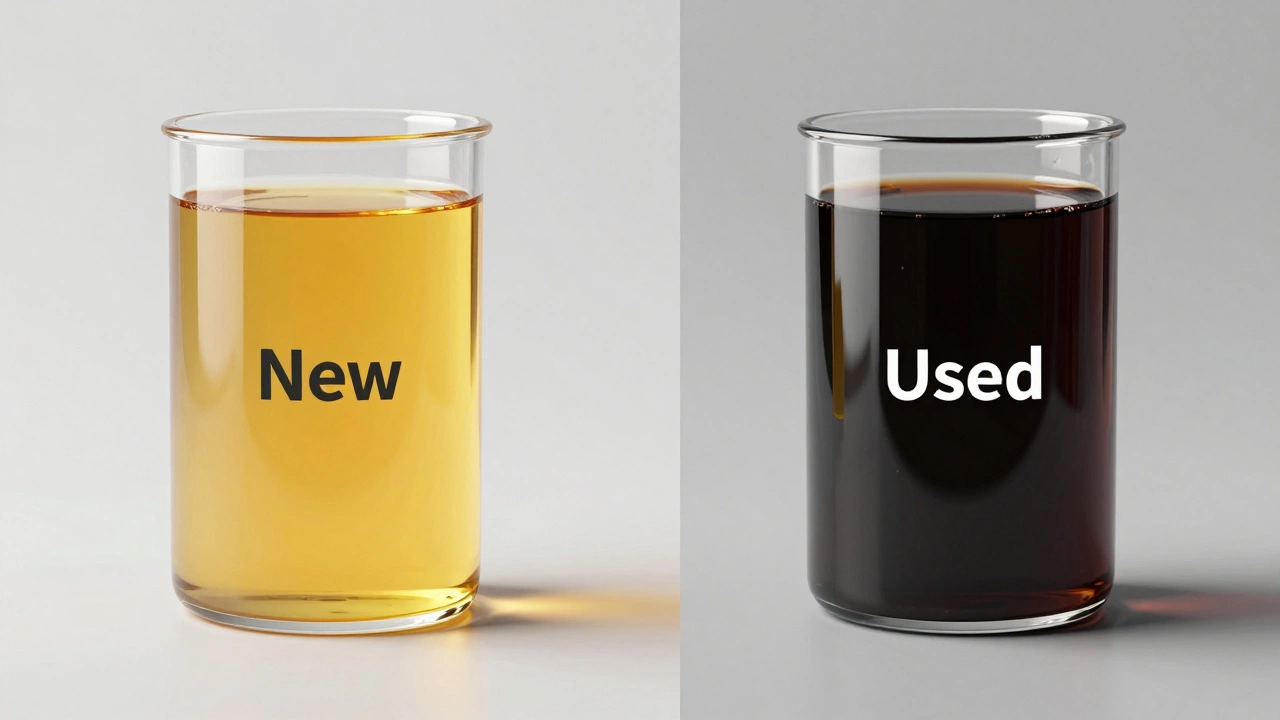
- Dark, Dirty Appearance: Fresh oil is amber or light brown. Used oil turns dark brown or black as it traps dirt, soot, and metal particles. While some darkening is normal, a thick, muddy texture indicates severe contamination.
- Burning Smell: A distinct burning odor inside the cabin usually means the oil level is too low, causing friction heat, or that oil is leaking onto hot exhaust manifolds.
- Low Oil Pressure Warning Light: If the red oil can icon lights up on your dashboard, stop driving immediately. This indicates insufficient lubrication, which can destroy your engine within minutes.
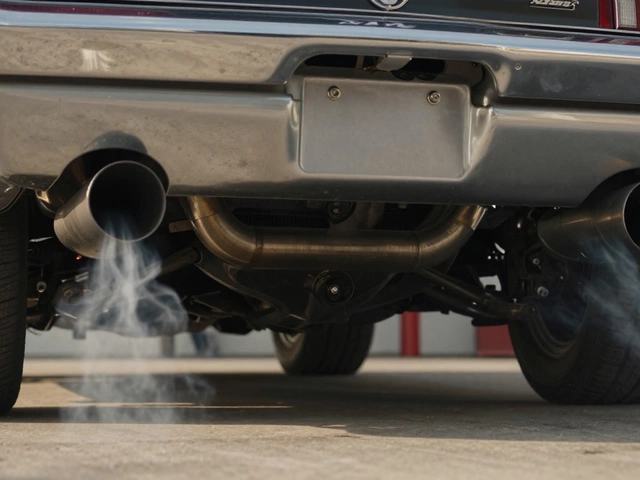
- Excessive Exhaust Smoke: Blue or gray smoke from the tailpipe suggests the engine is burning oil. This could mean worn piston rings or valve seals, requiring immediate mechanical inspection.
- Engine Noise: Ticking, knocking, or rumbling sounds indicate that the oil is too thin or dirty to cushion the moving parts properly.
Driving Conditions That Shorten Oil Life
Manufacturer recommendations assume "normal" driving conditions. But what does normal actually mean? In reality, many daily habits fall into the "severe service" category, which cuts oil life by up to 50%.
You are operating under severe conditions if you:
- Tow Heavy Loads: Pulling a caravan or trailer puts immense strain on the engine, generating excess heat that breaks down additives faster.
- Drive Short Distances: Frequent trips under 8 kilometers prevent the engine from reaching full operating temperature. This leaves moisture in the oil system, promoting sludge formation.
- Idle Frequently: Stop-and-go traffic or sitting in traffic jams causes incomplete fuel combustion, leading to carbon deposits contaminating the oil.
- Drive in Extreme Temperatures: Both extreme heat (like Australian summers) and extreme cold stress the oil’s viscosity and additive package.
- Use Low-Quality Fuel: Poor-grade fuel can leave more residue in the combustion chamber, which washes down into the oil sump.
If any of these apply to you, ignore the manufacturer’s extended interval advice. Stick to the shorter end of the spectrum-every 5,000 kilometers or six months-to keep your engine healthy.
The Role of Oil Filters in Extending Oil Life
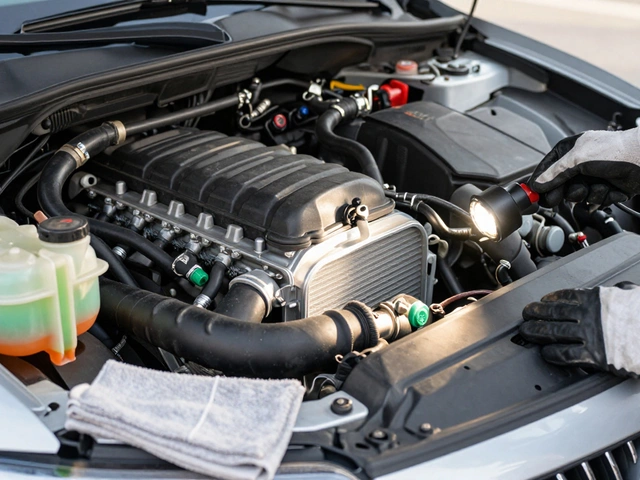
Oil and filters work as a team. Changing your oil without replacing the filter is like washing your hands with dirty soap. The filter traps metallic shavings, dust, and combustion byproducts. Once it becomes saturated, it bypasses itself, allowing contaminants to circulate back through the engine.
A clogged filter also restricts oil flow, reducing lubrication efficiency. Always replace the oil filter every time you change the oil. For synthetic oil intervals, consider using a high-capacity, high-efficiency filter designed to last longer without collapsing.
How to Check Your Oil Level Regularly
Checking your oil takes less than two minutes and can save you thousands in repair costs. Here is how to do it correctly:
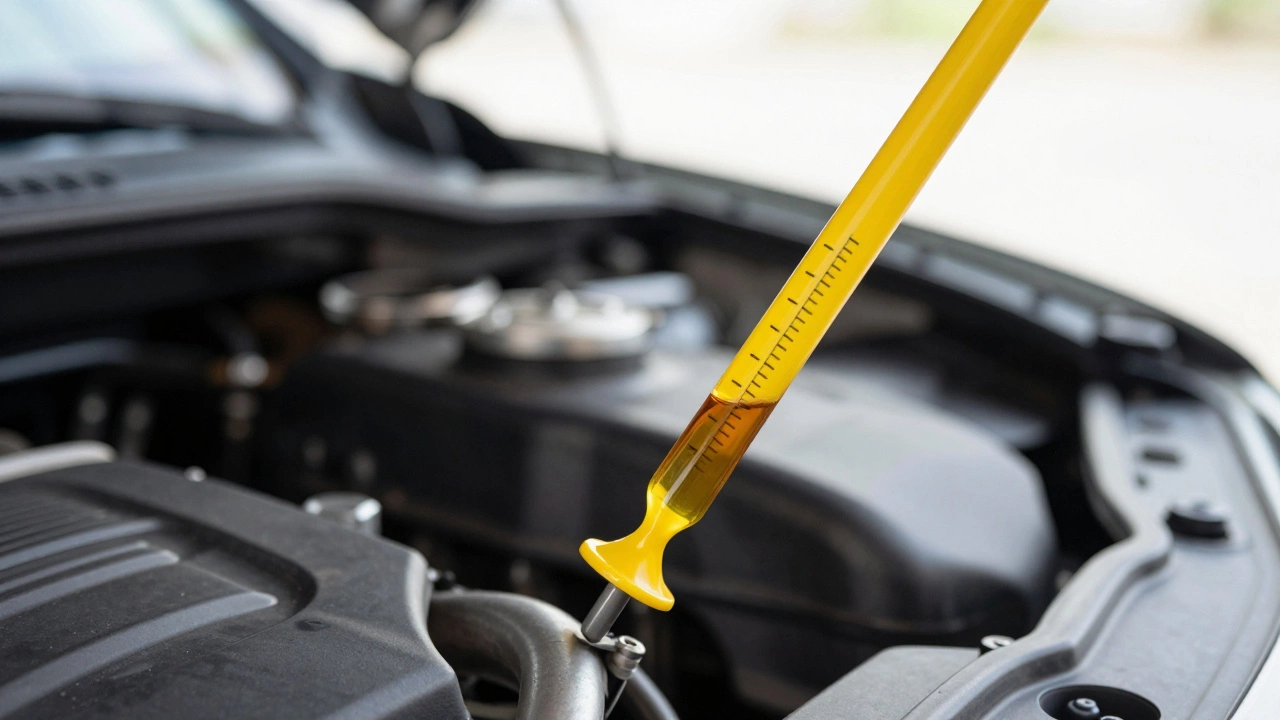
- Park the car on level ground and turn off the engine. Wait 5-10 minutes for the oil to drain back into the sump.
- Open the hood and locate the dipstick (usually marked with a yellow or orange handle).
- Pull out the dipstick, wipe it clean with a rag, and reinsert it fully.
- Pull it out again and check the oil level against the markings. It should be between the "Min" and "Max" lines.
- Inspect the color and consistency. If it looks milky (indicating coolant mix) or smells strongly of gasoline, seek professional help immediately.
Do this once a month or before long trips. Consistent monitoring helps you catch leaks early and ensures you never run dry.
Frequently Asked Questions About Oil Life
Can I extend my oil change interval beyond the manufacturer's recommendation?
While synthetic oil is durable, extending intervals beyond the manufacturer's limit is risky. Modern engines have tight tolerances and rely on specific additive packages that degrade over time. Pushing past recommended limits increases the risk of sludge buildup and component wear, potentially voiding your warranty.
Does synthetic oil last forever?
No, synthetic oil does not last forever. Although it resists breakdown better than conventional oil, it still loses its detergents and anti-wear additives over time. Eventually, it cannot effectively clean the engine or protect against corrosion, necessitating a change regardless of mileage.
What happens if I forget to change my oil for a year?
Neglecting an oil change for a year can lead to catastrophic engine failure. The oil will become thick with sludge, restricting flow to critical components like the crankshaft and camshaft. This causes excessive heat, increased friction, and eventual seizure of the engine, resulting in costly replacement.
Is it safe to mix different types of oil?
Mixing synthetic and conventional oil is generally safe in an emergency top-up situation, but it dilutes the benefits of the synthetic formulation. Ideally, use the same type and viscosity grade specified in your owner's manual. Mixing different brands or viscosities regularly can affect performance and protection.
How does climate affect oil life in Australia?
Hot climates accelerate oil oxidation and thinning, reducing its effectiveness faster than in cooler regions. In areas like Adelaide or Brisbane, summer heat can shorten oil life by several months. Conversely, cold winters can cause moisture accumulation. Adjust your change intervals seasonally if you drive frequently in extreme weather.