Wiper Blade Recommendation Tool
Not sure which blade to buy? Select your primary driving scenario to find the perfect match.
City Driving
Occasional rain, low speeds, budget-conscious.
Budget OptionHighway Driving
High speeds, heavy rain, maximum visibility.
Premium OptionAll-Around Use
Mixed driving, balanced durability and price.
Mid-Range OptionRecommended: [Type]
Details about the choice.
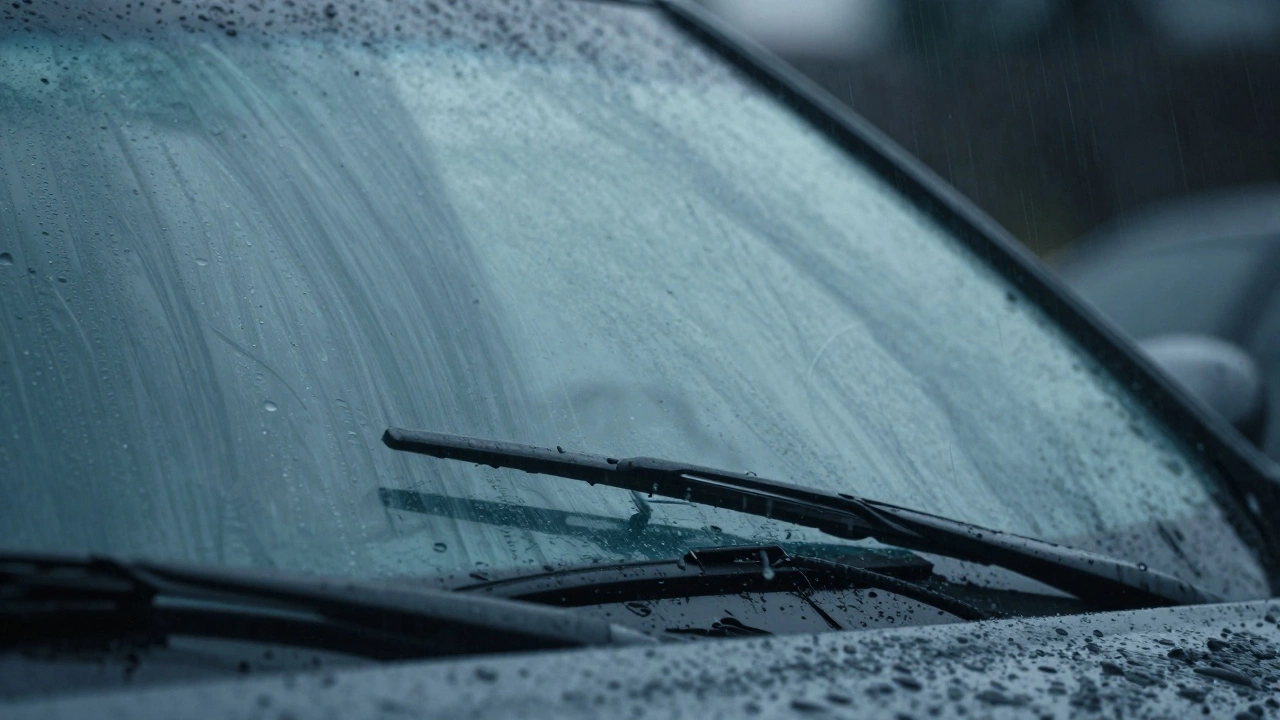
You're driving through a sudden downpour, and instead of a clear view, your windshield looks like a smeared painting. That annoying streak right in your line of sight is a clear sign that your rubber is shot. Many drivers put off this task because they aren't sure if they can handle it without breaking something or spending a fortune at a mechanic. The truth? replacing wiper blades is one of the easiest DIY jobs you can do on your car. If you can snap a Lego piece into place, you can do this.
Quick Summary for Fast Results
- Difficulty: Very Low (Beginner level).
- Time Needed: 10 to 20 minutes for all blades.
- Tools Required: Usually none, though a microfiber cloth helps.
- Key Goal: Ensure the blade is locked securely to avoid it flying off at 100km/h.
- Frequency: Replace every 6 to 12 months depending on sun exposure.
Understanding the Basics of Your Wipers
Before you start tugging at things, it helps to know what you're actually dealing with. Your Windscreen Wiper is essentially a piece of rubber clamped into a metal or plastic frame, which is then attached to a Wiper Arm. The arm is the heavy metal part connected to the motor that pushes the blade across the glass.
The most common point of failure is the rubber element. Over time, UV rays from the sun and heat cause the rubber to crack, harden, and peel. Once the edge isn't sharp and flexible, it stops pushing water away and starts leaving those dreaded streaks. In a place like Australia, where the sun is brutal, rubber degrades much faster than in cooler climates.
Picking the Right Blade for Your Car
You can't just buy any blade; they come in different lengths and attachment styles. If you buy a blade that's too long, it'll hit the edge of the windshield frame or overlap with the other wiper. If it's too short, you'll have a giant blind spot in your vision.
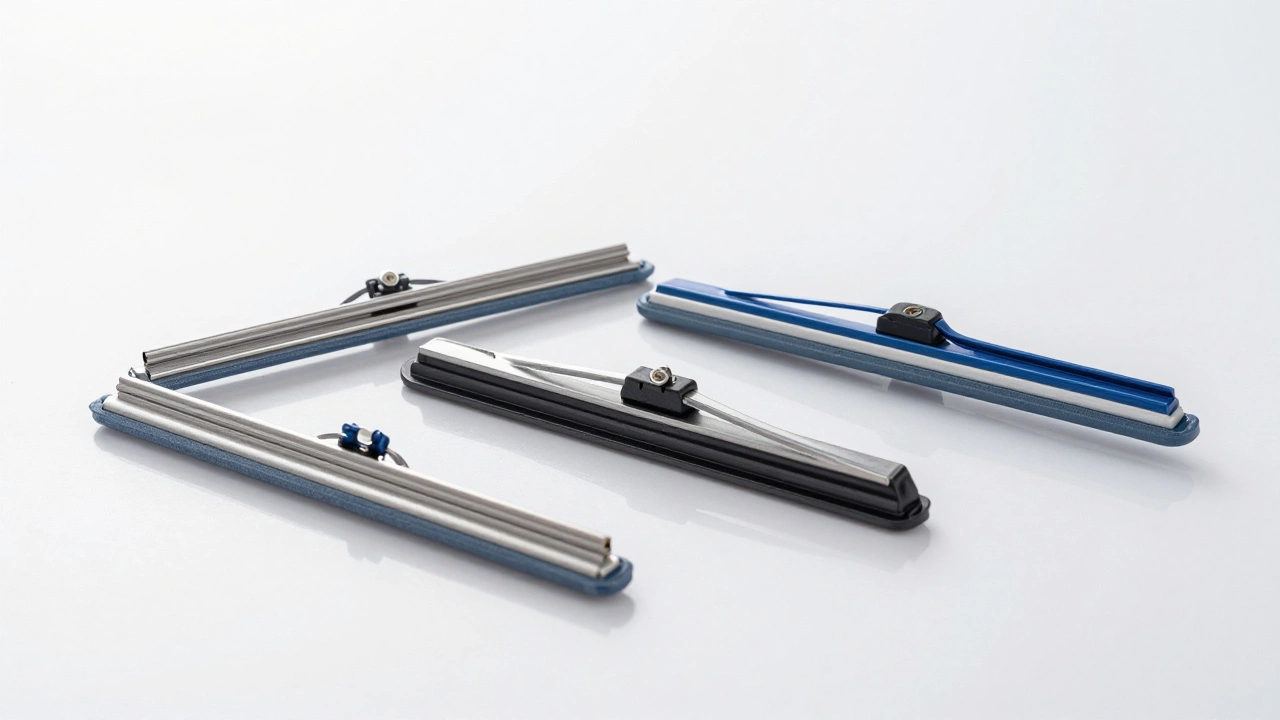
There are three main types of blades you'll encounter. Conventional Blades are the old-school metal frames. They're cheap but can struggle with wind lift at high speeds. Beam Blades (or flat blades) have no external frame; they use a curved spring strip to apply even pressure across the glass. Then you have Hybrid Blades, which combine the strength of a frame with the sleek look of a beam blade.
| Blade Type | Durability | Cleaning Power | Price Point | Best For... |
|---|---|---|---|---|
| Conventional | Low | Good (Low Speed) | Budget | City driving |
| Beam | High | Excellent | Premium | Highway driving |
| Hybrid | Medium-High | Very Good | Mid-range | All-around use |
Step-by-Step: How to Swap Your Blades
Most cars use a standard J-Hook attachment, but some modern vehicles use side-pin or pinch-tab systems. Regardless of the style, the process is mostly the same.
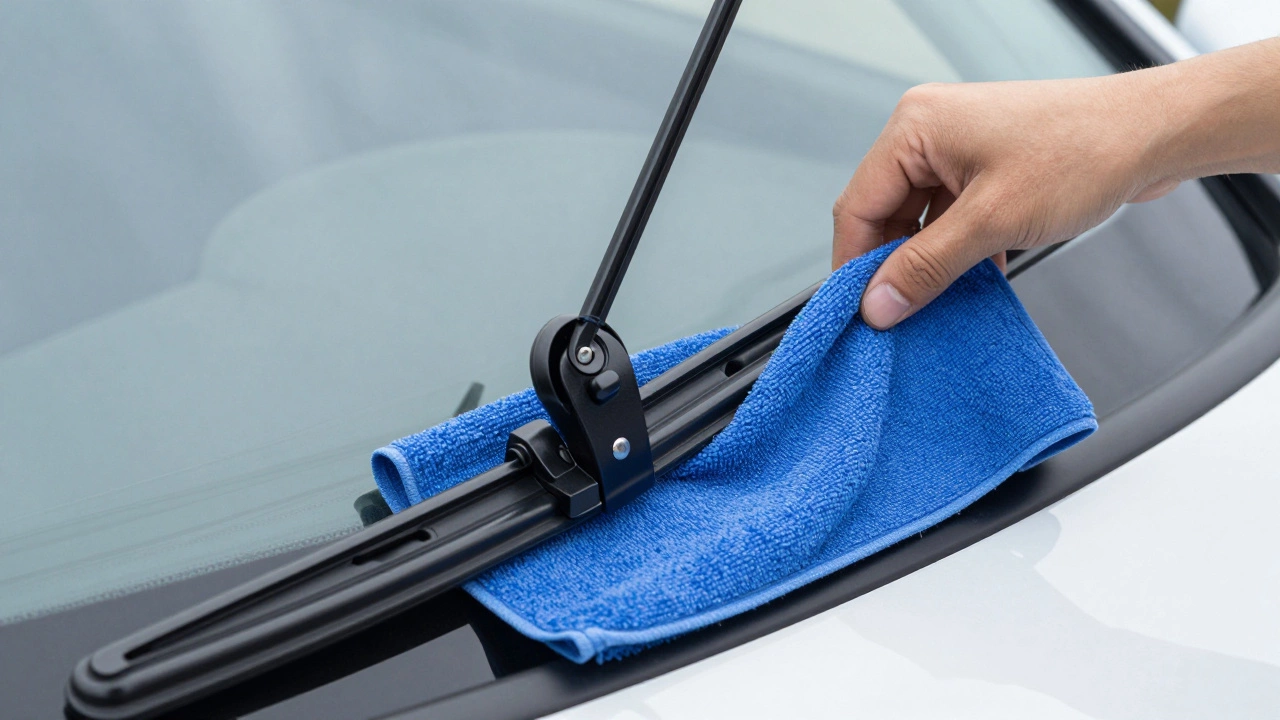
- Lift the Arm: Gently pull the wiper arm away from the windshield until it locks in a vertical position. Pro Tip: Place a folded microfiber towel on the glass underneath the arm. If the arm snaps back down without a blade attached, it can easily crack your windshield, turning a $20 job into a $500 nightmare.
- Release the Old Blade: Look for a small tab or button where the blade meets the arm. For a J-Hook, you usually press a small lever and slide the blade downwards toward the car. For pin-style wipers, you'll likely push a button to release the lock.
- Remove the Old Blade: Slide the blade completely off the arm. Take a second to look at the hook or pin to make sure there's no debris or rust preventing a clean fit for the new one.
- Slide in the New Blade: Position the new blade against the arm. Slide it in the opposite direction you removed the old one. You should hear or feel a distinct "click" when it locks into place. If it doesn't click, it's not secure.
- Test the Fit: Gently lower the arm back onto the glass. Don't turn on the wipers yet; just make sure the blade sits flat against the windshield without any gaps.
- Repeat: Do the same for the passenger side and the rear window if your car has one.
Common Pitfalls and How to Avoid Them
The biggest mistake people make is ignoring the "clicked" sound. I've seen cases where someone thought the blade was on, only for it to fly off the moment they hit 80km/h on the highway. Always give the blade a firm tug before lowering the arm to ensure it's locked.
Another common error is ignoring the windshield surface. If you have a layer of tree sap, bird droppings, or road grime, even brand-new blades will streak. It's a good habit to clean your glass with a dedicated glass cleaner and a clean cloth before installing new blades. This prevents the new rubber from getting nicked or contaminated immediately.
Lastly, don't forget the Windshield Washer Fluid. New blades are great, but they can't wipe away dry mud. While you're doing the blades, top up your reservoir. Use a fluid that contains a mild detergent to help break down oils and bugs on the glass.
When to Know It's Time for a Change
You don't have to wait for a rainstorm to realize your wipers are dead. There are a few warning signs you can spot during a routine car wash. First, look at the rubber edge. If you see tiny tears, cracks, or "chips" missing from the blade, it's time to shop. Second, listen to the sound. If the blades are "chattering" or jumping across the glass instead of gliding, the rubber has likely hardened.
If you notice a single streak that stays in the same spot regardless of how fast the wipers move, you might have a chip in your glass or a bent wiper arm. A bent arm doesn't apply even pressure, meaning the blade doesn't touch the glass properly. This is a slightly harder fix and might require a professional to align the arm.
Can I just replace the rubber strip instead of the whole blade?
Yes, you can buy "refills" for some conventional blades. This is cheaper and more eco-friendly, but it's only an option for traditional framed wipers. If you have beam or hybrid blades, you generally have to replace the entire assembly because the rubber is integrated into the structure.
Why do my new wipers still leave streaks?
This usually happens for three reasons: the glass is dirty (oil or wax buildup), the wiper arm is bent and not pressing firmly against the glass, or you bought the wrong size blade. Try cleaning your windshield with a mixture of vinegar and water or a specialized glass polish to remove stubborn contaminants.
How often should I actually replace my wipers?
A general rule of thumb is every 6 to 12 months. However, if you park your car in an open driveway under the scorching sun, they'll wear out faster. If you garage your car, you might get 18 months out of them. Always check them before the rainy season starts.
Do expensive wiper blades actually work better?
Generally, yes. Beam blades and high-end silicone blades last longer and provide a more consistent wipe at high speeds. Cheap conventional blades are fine for occasional rain, but if you do a lot of highway driving, the extra few dollars for beam blades are worth it for the added safety and visibility.
What happens if I put the wrong size blades on?
If they are too long, they may overlap in the center or hang over the edge of the glass, which can damage the rubber quickly. If they are too short, you'll have a large unswept area of the windshield, which is dangerous during heavy rain. Always check your owner's manual or the current blades for the exact length in millimeters.
Next Steps for Your Vehicle Maintenance
Once your visibility is sorted, it's a good time to look at other exterior safety items. Check your headlight lenses for oxidation (that cloudy yellow look) and give them a polish. Since you've already dealt with the washer fluid, check your tires for tread depth and air pressure. Small habits like these keep your car safe and prevent expensive emergency repairs down the road.